
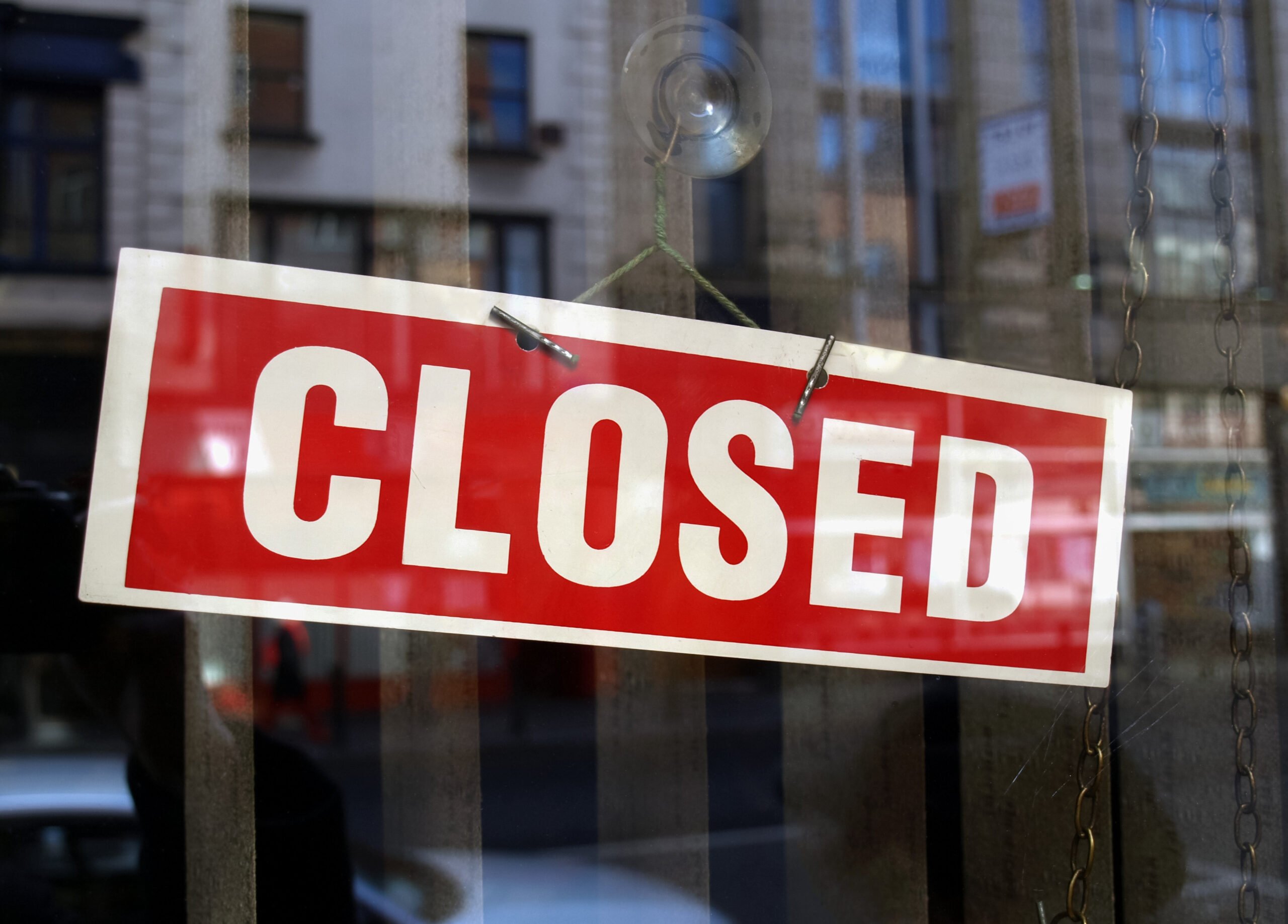
Hundreds of California workers believed their jobs were secure in an essential industry. That sense of stability is about to disappear, with the announcement of a beef production facility set to shut down in less than one month.
Timeline
JBS USA, a subsidiary of the world’s largest meat producer JBS N.V., announced in mid December 2025 that it would permanently close its Swift Beef Company case-ready facility in Riverside, California. This decision will eliminate 374 jobs and send shockwaves through the local food manufacturing community.
The facility is shutting down on February 2, 2026, ending operations that have supported families across Riverside County for years.
What the Riverside facility did
Unlike traditional slaughterhouses, the Riverside plant focused on case-ready beef production, preparing packaged meat products for grocery stores across the U.S. These products arrive ready for retail shelves, making the facility a key link between beef processors and consumers. For many employees, the plant provided stable, long-term employment in an increasingly volatile manufacturing sector.
Why JBS says it’s closing
In filings under the Worker Adjustment and Retraining Notification (WARN) Act, JBS cited a need to streamline its case-ready operations and consolidate production into fewer facilities. The company said production will be shifted to other plants within its national network, allowing JBS to continue meeting customer demand while reducing operational complexity.
The closure comes amid tight U.S. beef supplies, driven by years of drought and a shrinking cattle herd — pressures that have raised costs across the meat industry. (Tyson is closing one of its beef plants this month, too.)
Workers face uncertain futures
For the 374 employees affected, the announcement has been devastating. JBS said it will offer relocation opportunities and support at other facilities, but relocation is not feasible for everyone. Many workers now face difficult decisions involving housing, childcare, and long-standing community ties.
A sign of broader industry shifts
The Riverside shutdown reflects a broader trend reshaping U.S. food manufacturing, as companies prioritize efficiency and cost control. For Riverside, however, the closure represents more than a business decision — it marks the loss of a workplace that anchored hundreds of families and supported the local economy.
Links on this page may be affiliate links, for which the site earns a small commission, but the price for you is the same



Leave a Comment