
So, you’ve got this bottle of hazelnut oil that you’ve been saving for those special moments. But have you wondered when it will go bad?
Hazelnut oil typically lasts for about a year when unopened and stored in a cool, dark place. Once opened, it should be used within 3 to 6 months for best quality, although refrigeration can extend its shelf life.
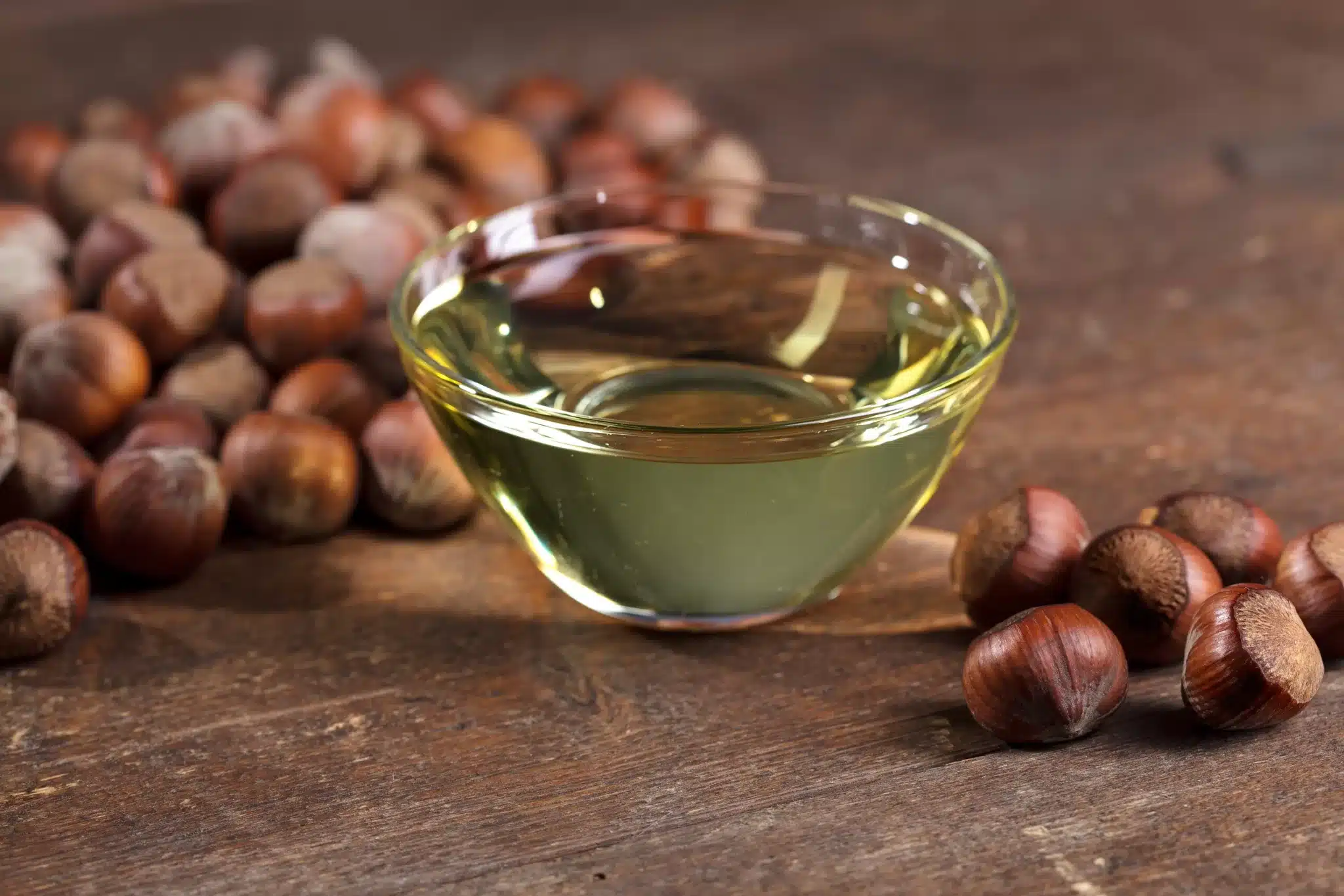
What is the shelf life of hazelnut oil?
When stored in a cool, dark place away from heat and light, unopened hazelnut oil can last for up to 1 year. Always check the “best by” or “use by” date on the label, if available.
Note that natural or cold-pressed hazelnut oil, which is less processed, may have a shorter shelf life compared to refined hazelnut oil because it contains more natural impurities that can contribute to quicker spoilage. Refined hazelnut oil is generally more stable and has a longer shelf life.
Nut oils, including hazelnut oil, are often more delicate and can have shorter shelf lives than vegetable oils like canola oil or olive oil due to their higher levels of polyunsaturated fats, which are more prone to oxidation. Nut oils might also have distinct flavors that can be affected by oxidation.
How long does hazelnut oil last after opening?
Once you open the bottle, hazelnut oil is more susceptible to oxidation. It’s best to use it within 3 to 6 months after opening to ensure optimal quality and flavor.
To extend the shelf life of hazelnut oil, you can refrigerate it. Cold storage can slow down the oxidation process and help the oil last longer. If you choose to refrigerate it, it can last up to a year after opening.
| Room temp (counter/pantry) | Fridge | |
| Sealed hazelnut oil | 1 year | 1 year |
| Open hazelnut oil | 3-6 months | 6 to 12 moths |
Can you use hazelnut oil after its expiration date?
If the oil looks and smells okay and it’s just past its expiration date, you can probably use it without any major issues. But I generally don’t recommend it. Here’s why…
The expiration or “best-before/best-by” date on food products is typically set by the manufacturer as a guideline for when the product is at its best quality and safety.
After this date, the product may start to deteriorate in quality, flavor, and nutritional value.
Moreover, the oil may become rancid, which can result in an unpleasant taste and potentially harmful compounds being formed.
Using any oil, including hazelnut oil, beyond its expiration date can increase the risk of gastrointestinal issues or other health problems.
If you’re unsure about the safety of using hazelnut oil that’s past its expiration date, it’s best to err on the side of caution and avoid consuming it.
How to tell if hazelnut oil has gone bad
Hazelnut oil, like many other types of oil, can go bad over time.
Here are some signs to look for to determine if hazelnut oil has gone bad:
- Smell: One of the most noticeable signs of rancid oil is a strong, off-putting smell.
- Taste: The hazelnut oil imparts a bitter, stale, or metallic taste to your dishes.
- Color and clarity: The oil has become cloudy, thickened, or has developed an unusual color. Fresh hazelnut oil is usually light in color and clear.
- Texture: The hazelnut oil has become unusually thick or gooey over time.
- Expiry date: The oil is long past its expiration date.
- Mold or sediments: Any signs of mold growth or sediment at the bottom of the bottle.
- Packaging: If the bottle is damaged, leaking, or shows signs of being compromised, the oil might have been exposed to contaminants that can cause it to spoil.
What’s the danger in using hazelnut oil after it’s gone bad?
Using hazelnut oil that’s gone bad can lead to a not-so-great experience. Imagine your dishes tasting weird and smelling off – that’s what rancid oil does. Plus, it might give you tummy troubles like upset stomach or indigestion.
Worse yet, oxidized oils can create some not-so-friendly compounds that could mess with your health. If you’ve got allergies, spoiled oil could even trigger a reaction.
Long story short, it’s better to steer clear of iffy hazelnut oil. Trust your senses, store it right, and toss it if it’s gone bad to keep your meals tasty and safe!
Best storage practices for hazelnut oil
Proper storage is essential to prolong the shelf life of hazelnut oil and maintain its quality.
Here are some best practices for storing hazelnut oil:
- Hazelnut oil should be stored in a cool, dark place, away from direct sunlight and heat sources. Heat and light can accelerate the oxidation process and lead to the oil going rancid more quickly.
- Make sure the cap or lid of the bottle is tightly closed after each use to prevent air from entering and causing oxidation.
- If possible, store hazelnut oil in a dark-colored glass bottle. This can help block out light and reduce the chances of the oil becoming rancid.
- While hazelnut oil doesn’t necessarily need to be refrigerated, keeping it in the refrigerator can help extend its shelf life. If you do refrigerate it, the oil may become cloudy or solidify, but this is normal and it will return to its liquid state at room temperature.
- If you don’t use hazelnut oil frequently, consider purchasing smaller bottles. This way, you’re more likely to use it up before it starts to degrade.
Remember that even with proper storage, hazelnut oil will eventually go bad. It’s a good idea to use your hazelnut oil within a reasonable timeframe to enjoy its best flavor and quality.
FAQs:
Hazelnut oil can last up to 1 year if stored properly in a cool, dark place.
You can tell by its rancid smell, bitter taste, cloudy appearance, and thickened texture.
Yes, oils can go bad over time due to oxidation and exposure to light and heat.
The shelf life varies depending on the type of oil, but most oils last around 1-2 years if stored correctly.



Leave a Comment