
Oat flour, like many other flours, has a limited shelf life, but it can last a reasonably long time if stored properly.
The shelf life of oat flour typically ranges from 6 months to 1 year when stored in a cool, dry place in an airtight container.
Let’s break it down further…
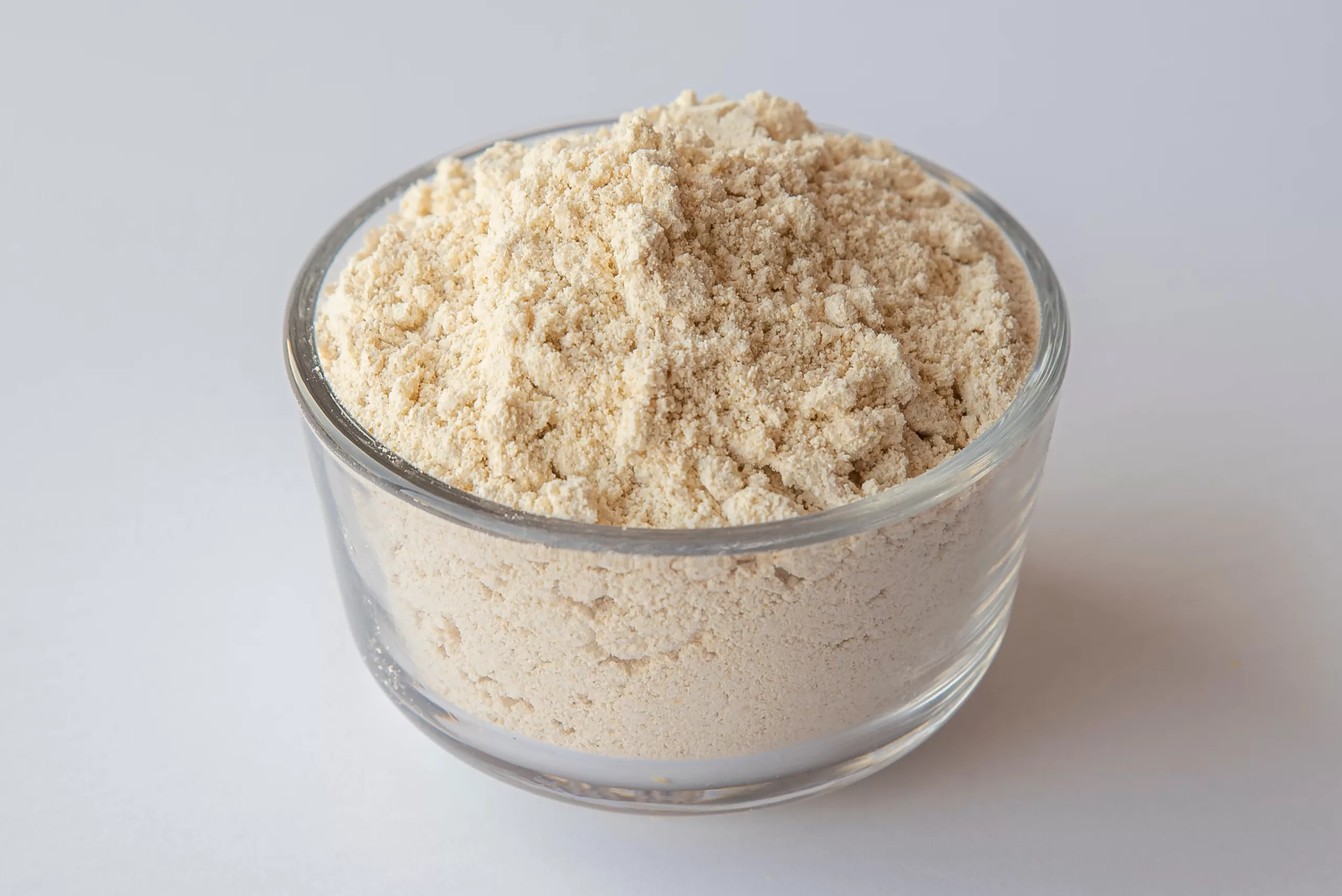
What is the shelf life of oat flour?
In general, unopened oat flour can last for about 6 months to a year in a pantry, longer in the refrigerator or freezer. However, its shelf life can vary depending on factors such as the temperature and humidity in your storage area.
If you buy oat flour from a store, check the packaging for any expiration or “best by” dates. Oat flour that’s vacuum-sealed or comes in resealable bags may have a longer shelf life than flour in a paper bag.
Homemade oat flour can be stored for up to 6 months in an airtight container in a cool, dry, area.
How long does oat flour last after opening?
Oat flour can be stored in the pantry if it’s used relatively quickly (within 3 months after opening).
If you want to extend the shelf life of oat flour, you can store it in the refrigerator. In the fridge, oat flour can last for up to 6 to 12 months after opening.
For the longest shelf life, you can freeze oat flour. When stored in an airtight container or freezer bag, oat flour can remain good for up to 1 year in the freezer. Just make sure to protect it from moisture and odors.
| Pantry | Fridge | Freezer | |
| Sealed oat flour | 6-12 months | 12 months | 12 months |
| Open oat flour | 3 months | 6-12 months | 6-12 months |
Remember that these are general guidelines, and the actual shelf life of your oat flour may vary depending on factors such as the quality of the packaging, the storage conditions, and the initial freshness of the flour when you first opened it.
For the freshest oat flour, make sure you are buying a high-quality brand.
Can you use oat flour after its expiration date?
Many commercial oat flour packages have a “use-by” or “best-by” date. While this date is a good reference, oat flour can often remain good for some time after that date if stored properly and shows no signs of spoilage (more on that below).
Always use your best judgment and your senses (smell, appearance, and taste) to determine if oat flour is still suitable for use, especially if it has been stored for an extended period. If there’s any doubt about its quality, it’s safer to discard it to avoid potential health risks.
How to tell if oat flour has gone bad
Yes, oat flour can go bad over time. Here are some ways to tell:
- Take a sniff of your oat flour. If it smells funky, like it’s gone rancid or just plain odd, that’s a sign it might have gone bad.
- Fresh oat flour should have a nice, mild flavor. If it tastes strange, bitter, or just off, it’s probably past its prime.
- Any weird discolorations, like dark spots or a different color than usual, are a red flag.
- Good oat flour is soft and powdery. If it’s turned clumpy, lumpy, or developed hard chunks, that’s not a good sign.
- Take a closer look for any tiny unwanted guests like insects or weevils. If you spot any, toss that flour out ASAP.
- Keep an eye out for mold or any signs of moisture. Moldy or damp oat flour is a no-go.
- See if the bag or container is damaged in any way. If it’s torn or punctured, your oat flour might’ve been exposed to stuff it shouldn’t have.
- Remember, oat flour prefers a cool, dry home in an airtight container. If it’s been exposed to heat, humidity, or direct sunlight, it could’ve spoiled sooner.
- Watch out for little pantry critters like meal moths or beetles. If they’ve moved in, it’s time for your oat flour to move out!
If you notice any of these warning signs or just have a gut feeling that something’s not right with your oat flour, it’s better to be safe than sorry and replace it with a fresh batch.
What’s the danger in using oat flour after it’s gone bad?
Using spoiled oat flour can have adverse effects on your health and your baked goods. When oat flour goes bad, it can become a breeding ground for harmful microorganisms like mold and bacteria. Consuming these can lead to foodborne illnesses, which can range from mild gastrointestinal discomfort to more severe health issues.
Plus, the texture and flavor of your recipes may be compromised when using spoiled oat flour. Your pancakes, muffins, and cookies might turn out less than stellar.
Best storage practices for oat flour
To ensure your oat flour stays fresh for as long as possible, follow these best storage practices:
- Transfer your oat flour to an airtight container to prevent moisture, air, and pests from getting in. Mason jars, plastic containers, or resealable bags work well.
- Store your oat flour in a cool, dry place away from direct sunlight and temperature fluctuations. The pantry is an excellent spot if you plan to use it within a few months. If you anticipate a longer storage period, consider the fridge or freezer.
- Always label your containers with the date you opened the oat flour. This helps you keep track of its freshness and ensures you use the oldest first.
- For long-term storage, the freezer is your best friend. Divide your oat flour into smaller portions and vacuum-seal or double-wrap them before freezing.
- Ensure that your storage containers are completely dry before filling them and make sure you use dry utensils when measuring out flour.
FAQs:
Yes, you can use oat flour after its expiration date if it has been stored correctly and shows no signs of spoilage. The expiration date is a quality guideline, not a strict safety deadline.
You can tell if oat flour has gone bad by checking for off smells, texture changes, discoloration, the presence of pests, and an unusual taste.
The safety of flour, including oat flour, depends on how well it has been stored. If it has been stored in ideal conditions (cool, dry, and sealed), it may still be safe to use after two years past its expiration date. However, always check for signs of spoilage before using it.
Oat flour can keep for up to 6 to 12 months beyond its “best by” or “use by” date, depending on how it’s stored. When frozen, it can stay fresh for up to a year or more.




Leave a Comment