
Okara flour is made from soybean pulp and is generally considered a stable product, but it can still go bad if not stored properly.
Under optimal storage conditions, okara flour can last for 9-18 months, depending on the brand. Once you open the bag, you should aim to use the okara flour within 3-6 months for the best quality.
Below, I’ll cover signs of bad flour, how to store okara flour, and more!
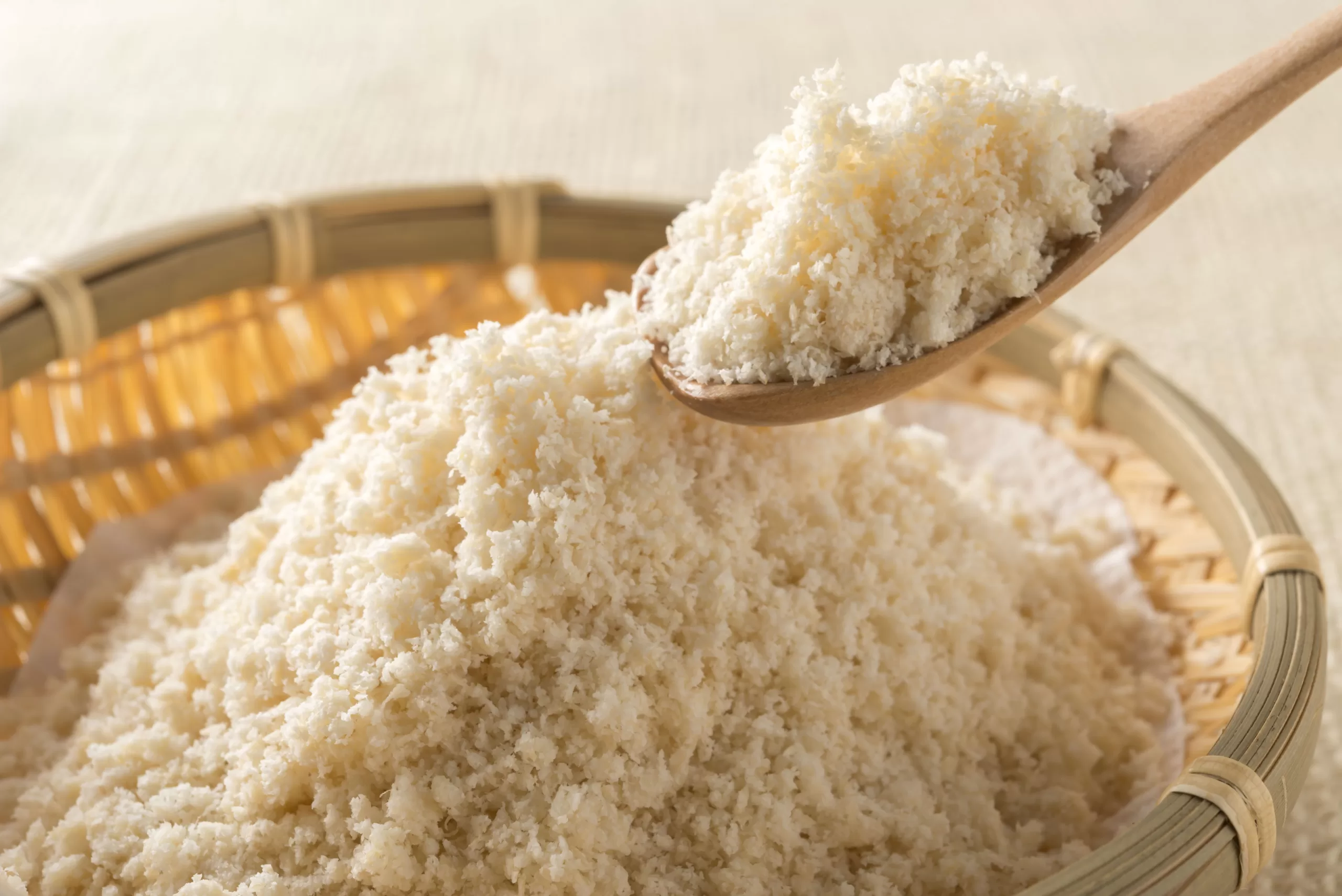
What is the shelf life of okara flour?
In general, unopened okara flour can remain fresh for about 9 to 18 months when stored in a cool, dry place away from direct sunlight and moisture.
There is a range of shelf life recommendations that vary by brand, so it’s important to check the manufacturer’s packaging or label for any specific recommendations regarding shelf life.
How long does okara flour last after opening?
After opening, it’s best to use okara flour within 3 to 6 months.
Some brands say to refrigerate after opening – read your label carefully for specific instructions. If storing okara flour in the fridge, make sure it’s in an airtight bag or container to prevent moisture from causing the flour to clump and go bad.
To extend the shelf life of okara flour, you can also freeze it, which can help keep it fresh for 6 months to a year. Again, you’ll need to make sure it’s sealed tightly.
| Pantry | Fridge | Freezer | |
| Sealed okara flour | 9-18 months | 9-18 months | 9-18 months |
| Open okara flour | 3-6 months | 3-6 months | 6-12 months |
Can you use okara flour after its expiration date?
Okara flour, like other flour, is often labelled with a “best by” or “use by” date. This date is an estimate of when the product is at its peak quality, but it doesn’t mean that the flour becomes unsafe to consume immediately afterward.
If stored properly, okara flour can remain safe to use for some time after the expiration date has passed. However, the flavor and nutritional content may deteriorate slightly over time.
To determine if your okara flour is still good after the expiration date, follow your senses. Check for any signs of spoilage, like an off odor, unusual texture, or discoloration. If the flour appears and smells normal, it’s likely still usable, but it might not perform as well in recipes compared to fresh flour.
How to tell if okara flour has gone bad
Spotting spoiled okara flour is relatively straightforward.
Here are some indicators that your okara flour may have gone bad:
- Fresh okara flour has a mild, neutral aroma. If it smells rancid, sour, or generally unpleasant, it’s best to discard it.
- Okara flour should be fine and powdery. If it clumps together, develops lumps, or feels moist, it has likely absorbed moisture and gone bad.
- Okara flour should maintain its original creamy white color. If you notice any dark spots, mold, or a change in color, it’s a sign of spoilage.
- If you’re unsure, you can taste a small amount of the flour. If it has an off or bitter flavor, it’s no longer suitable for use.
What’s the danger in using okara flour after it’s gone bad?
While consuming okara flour that has gone bad is not likely to cause severe health problems, it can lead to digestive discomfort and an unpleasant taste in your recipes. Okara flour that has spoiled may contain mold or harmful bacteria, which can cause foodborne illnesses if consumed in significant quantities.
To ensure the safety and quality of your dishes, it’s best to avoid using okara flour that shows signs of spoilage. The potential risks are not worth the minimal cost of replacing the flour. You can also use soy flour or even all-purpose flour to replace okara flour.
Best storage practices for okara flour
To extend the shelf life of your okara flour and maintain its freshness, follow these best storage practices:
- If you buy okara flour in a resealable bag or container, that’s ideal. If not, consider transferring it to an airtight container to prevent moisture and air from getting in.
- Keep the container in a cool, dry place, away from direct sunlight and heat sources. A pantry or kitchen cupboard is usually a suitable spot.
- If you anticipate not using okara flour for an extended period, you can refrigerate or freeze it to extend its shelf life. Make sure it’s well-sealed in an airtight bag or container.
- Label the container or bag with the date of storage. This will help you keep track of its freshness and ensure you use it before it starts to degrade in quality.
- Be cautious about moisture as okara flour can absorb it easily and become clumpy. If it does clump, you can break it up with a fork or sieve it before using it in recipes.
- Ensure that utensils and hands are clean and dry when handling okara flour to prevent contamination.
FAQs:
The shelf life of okara, the wet pulp left after soy milk extraction, is shorter than okara flour. Okara can be refrigerated for up to 3-5 days, or frozen for several months. Remember to store it in an airtight container to prevent moisture loss and freezer burn.
Yes, okara flour is a nutritious addition to your diet. It’s rich in protein, fiber, and essential nutrients like calcium and iron. Plus, it’s naturally gluten-free, making it a versatile option for those with dietary restrictions.
No, it is not okay to eat raw okara flour as it may contain anti-nutrients and enzymes that can be harmful when consumed without proper cooking or processing.
Okara flour, made from soybean pulp, has a mild and slightly nutty flavor with a subtle bean undertone, making it versatile for various recipes.


Leave a Comment