
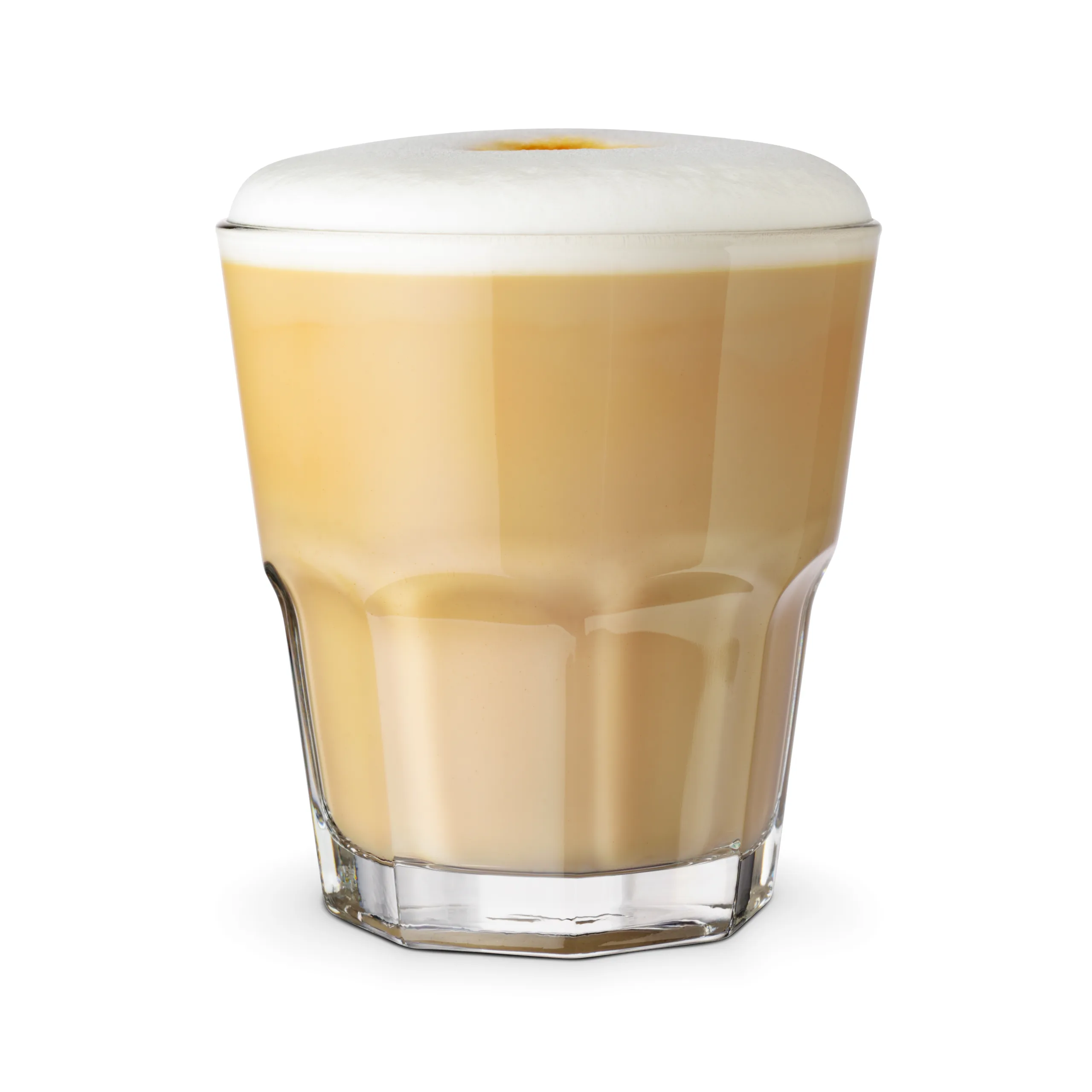
The coffee category is seeing a growing “proffee” movement as major chains lean into high-protein beverages to appeal to health-conscious consumers. Both Dunkin’ and Starbucks have launched protein-focused drinks as part of their 2025–2026 menu expansions, reflecting shifting dietary priorities and interest in functional drinks.
However, there’s more to consider when it comes to “proffee” than just the protein content.
Dunkin’s Protein Milk lineup — ~15 grams of protein each
Dunkin’ rolled out a winter 2026 menu featuring a new Protein Milk, specially formulated to deliver about 15 grams of protein in a medium beverage. This base can be added to a range of drinks and is the backbone of its high-protein offerings. The high-protein menu recently debuted includes:
- Megan’s Mango Protein Refresher — A tropical refresher made with mango flavor and Protein Milk.
- Strawberry Protein Refresher — A creamy, fruit-forward refresher with added protein.
- Caramel Chocolate Iced Protein Latte — Coffee, chocolate, and caramel blended with Protein Milk.
- Almond Iced Protein Matcha Latte — Matcha and nutty almond with a protein-rich base.
- Iced Protein Latte with Sugar-Free Vanilla — Espresso and Protein Milk with a sugar-free twist.
Watch out for the sugar content of many of these drinks. A lot of them are full of added sugar (over 40 grams for some drinks – around the same amount as a large glazed donut), which negates the purpose of a more health-conscious drink.
Starbucks’ protein-forward beverages — up to ~36 grams of protein
Starbucks has expanded its menu with Protein Lattes and Protein Cold Foam drinks, delivering significantly higher protein counts. Its winter 2026 offerings include:
- Caramel Protein Matcha — Matcha with protein-boosted milk, around 28–31 grams of protein per grande size.
- Caramel Protein Latte — Espresso, caramel syrup, and protein-boosted milk provide 27 grams of protein per grande size.
- Custom Protein Cold Foam Toppings — Add ~15 grams of protein to many cold drinks.
Drinks made with flavored syrups or sauce (like the caramel protein latte) increase the sugar content significantly, as is the case with Dunkin’s high-protein drink menu.
Is it really all that healthy?
Dunkin’ and Starbucks are clearly responding to consumer demand for more nutritious beverage options, as well as the updated dietary guidelines encouraging twice as much protein as recommended in previous versions.
While it’s great to see higher-protein options like these, it’s important to be mindful of the sugar content, since a higher-protein diet won’t provide the intended benefits if it’s also high in sugar.
Taking steps to reduce the sugar content (e.g., asking for a drink to be made with half of the amount of sweetener) can help keep sugar content in check when you’re enjoying a filling, high-protein coffee treat once in a while. For a healthier day-to-day coffee habit, stick to lower-sugar coffee made at home, or order drinks without the sugary flavor additions.
Links on this page may be affiliate links, for which the site earns a small commission, but the price for you is the same



Leave a Comment