
Oils are primarily made up of fats and contain neither protein nor carbohydrates. This is because extracting oil removes all other macronutrients, leaving only the fatty acids behind.
So, no cooking oils have any level of protein worth writing home about. In fact, only a couple of fats have trace amounts, which are butter and bacon fat. Both contain only 0.1 grams of protein per tablespoon!

Is Cooking Oil Considered Protein, Fat Or Carbohydrate?
Cooking oil is definitely considered fat, in the truest sense of the word, as it usually does not contain any protein or carbohydrates, the other two macronutrients. Why not? Well, fat itself does not have much protein or carbohydrate to begin with, but there is also the extraction method, which removes all traces of protein and carbohydrates from the fat.
The methods of extracting oils and fats differ based on their origins – be it plant or animal. Plant-based oils are primarily obtained through pressing or extraction, while animal-sourced fats are typically rendered.
Pressing is a method that leverages physical force to extract oil from plants. This process can take various forms, such as cold pressing, expeller pressing, and centrifugation. Extraction, on the other hand, involves using a solvent to dissolve and separate the oil from the rest of the plant material.
When it comes to animal fats, they are usually extracted directly from animal tissues. The rendering process heats the animal fat to isolate fatty acids and glycerol molecules.
In all these extraction methods, the fat is completely separated from any protein or carbohydrate components, leaving you with pure fat and not much else!
The Plus Side Of No Protein
The fact that fats and oils do not contain protein does have its upsides, though, particularly if you have allergies or are gluten intolerant. The processing method used in creating oils is designed to remove protein compounds, which are often the source of allergenic reactions.
This means that even if you have allergies, the oil form of food might not trigger an allergic response as most allergenic compounds are found within the protein, not the oil. Most cooking oils and fats are naturally gluten-free, as gluten is a protein.
How To Boost The Protein In Your Bake Without Oil
So if you want to increase the protein level in your food, you will not be able to with cooking fats and oils. Instead, why not try one of these?
- Protein Powder: Protein powder can be added to various dishes. Mix it into pancake batter, blend it into smoothies, stir it into coffee (though I am too scared to try this myself!), or fold it into Greek yogurt. Try making protein ice cream or DIY protein bars for a sweet treat.
- Cricket Flour: This unique product has a mild, nutty flavor that works well in sweet and savory dishes. Swap out a percentage of your regular flour to replace it with cricket flour for a considerable protein boost! Or, try other high-protein flour alternatives such as lupine, pumpkin, coconut, or chickpea flour.
- Nuts: Nuts are not only a delicious snack but also a great source of protein. A cup of mixed nuts provides around 27g of protein. Enjoy them as a snack, or add them to salads for extra crunch. Walnuts, which offer 4.5 grams of protein per 1/4 cup, are one of my favorites in salads or crushed in a dip with cold, cooked eggplant.
- Greek Yogurt: Greek yogurt is a versatile protein source with approximately 11g of protein in half a cup. You can blend it into smoothies, use it as a substitute for sour cream in recipes, or eat it with oats. You can also sometimes use it in baking instead of butter and milk!
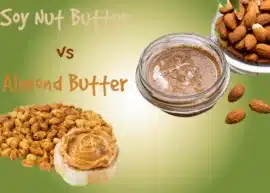
- Nut Butter: Nut butter, such as peanut, almond or cashew, is a tasty way to add protein to your meals. Two tablespoons can add 8 grams of protein. Spread it on apple slices for a healthy snack, or blend it into smoothies for a protein boost.
- Chia Seeds: Four tablespoons of chia seeds provide about 10 grams of protein. Sprinkle them onto Greek yogurt, add them to smoothies, or use them to make chia seed pudding. They can also be sprinkled on toast or included in baked goods, salads, and more for a crunchy texture. I like to blend my chia seeds into flour and sneak it into my banana bread!
- Cottage Cheese: Cottage cheese contains around 9 grams of protein per one-third cup. Add it to dishes like mac and cheese or creamy dips for a protein boost. You can even include it in pancake batter for a protein-filled breakfast. I have also recently seen people using it as a base to make protein ice cream, and I will be jumping on that trend really soon!
FAQ
There are no cooking oils that are naturally high in protein. Butter and bacon fat may have minuscule amounts.
Fats and nutrient-dense cooking oil can help to build muscle, but not in the same way as protein. Fats and their nutritional compounds can aid recovery, an essential part of muscle growth. They can also help with hormone production, which assists in muscle growth. Choose a cold-pressed oil, such as extra virgin olive oil or chia seed oil, high in antioxidant compounds.
Some vegans do not consume certain oils if they are animal-derived or if the oil production impacts the environment.
Bodybuilders often consume olive oil as a source of healthy fats. Olive oil contains beneficial fatty acids and antioxidants, which can help with muscle growth and recovery.
Protein is an essential macronutrient that helps build and maintain muscle mass. It is made up of amino acids, which are the building blocks for muscles.
Protein helps to bind ingredients together in baking and cooking. It also increases the texture and flavor of food and can help give structure to dishes such as souffles or mousses.


Leave a Comment