

Jell-O might look a little different in the future as it will be forced to change its 128 year old recipe to avoid the FDA ban. But it should still taste the same! Kraft Heinz, the company that makes Jell-O, announced that they plan to remove all artificial colors from their products by the end of 2027.
Shutterstock

The company says that almost 90% of its products in the U.S. no longer contain FD&C (Federal Food, Drug, and Cosmetic Act) colors. However, some items still use these synthetic colors, including Jell-O, according to a statement the company gave to NPR.
Shutterstock

Kraft Heinz has a new plan called the 3Rs, which they aim to complete in the next two years. The company wants to remove unnecessary artificial colors, replace them with natural alternatives, and redesign color options if natural ingredients can’t be used.
Shutterstock

It turns out you don’t need artificial ingredients to make colorful foods. In 2016, Kraft Mac & Cheese switched to natural ingredients like turmeric, paprika, and annatto to keep its bright orange color. Most people didn’t even notice the change, and Kraft Heinz hopes the same will happen with their newest updates.
Shutterstock

Some popular snacks and drinks are changing because the FDA recently banned some food dyes in food and ingested medicines. This decision followed a 2022 petition that cited studies voicing health concerns.
Shutterstock
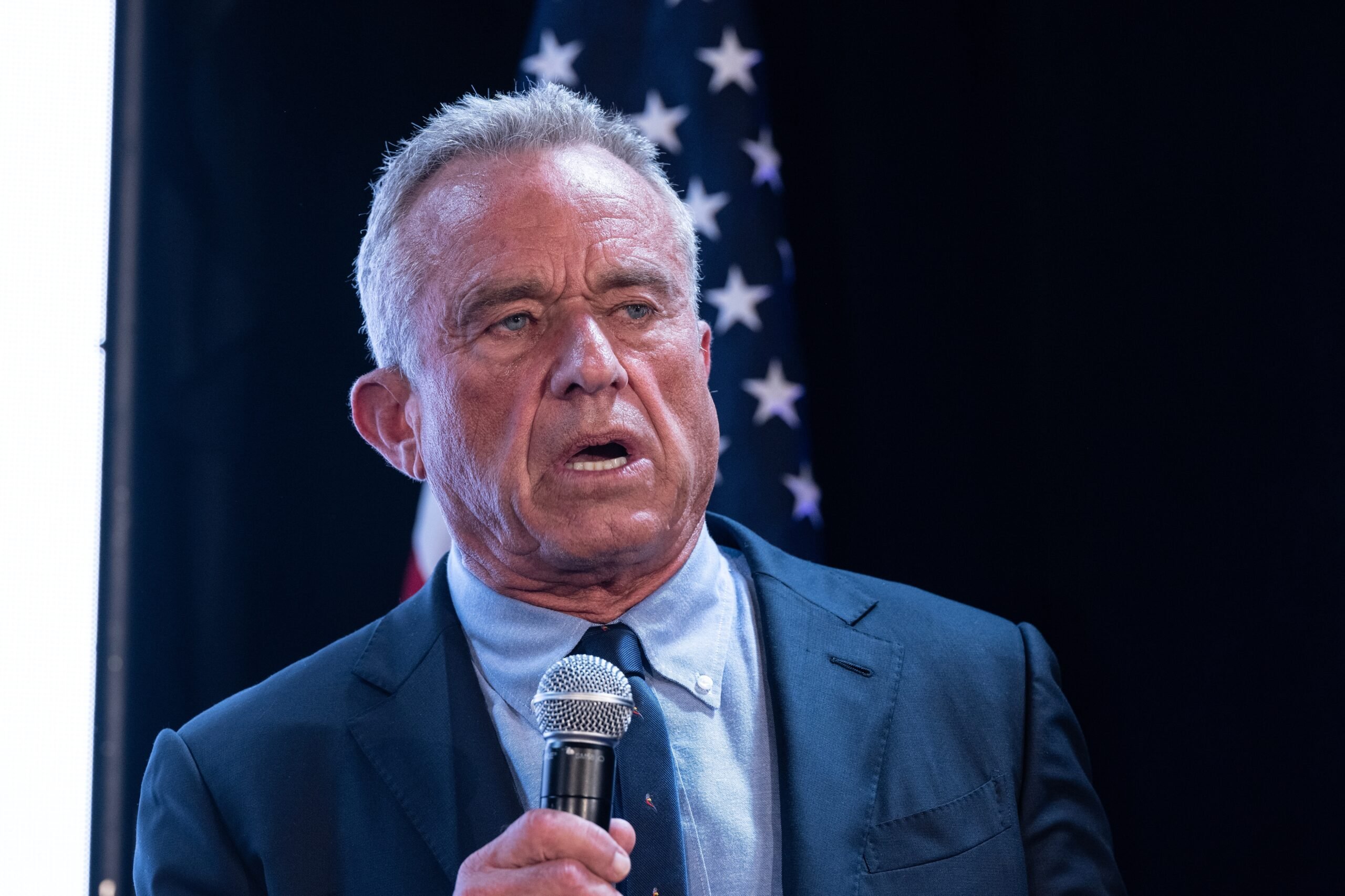
The United States is banning eight artificial food dyes that are often used in food products. Health Secretary Robert F. Kennedy Jr. announced the decision, saying it will help Americans better understand what is in their food.
Shutterstock
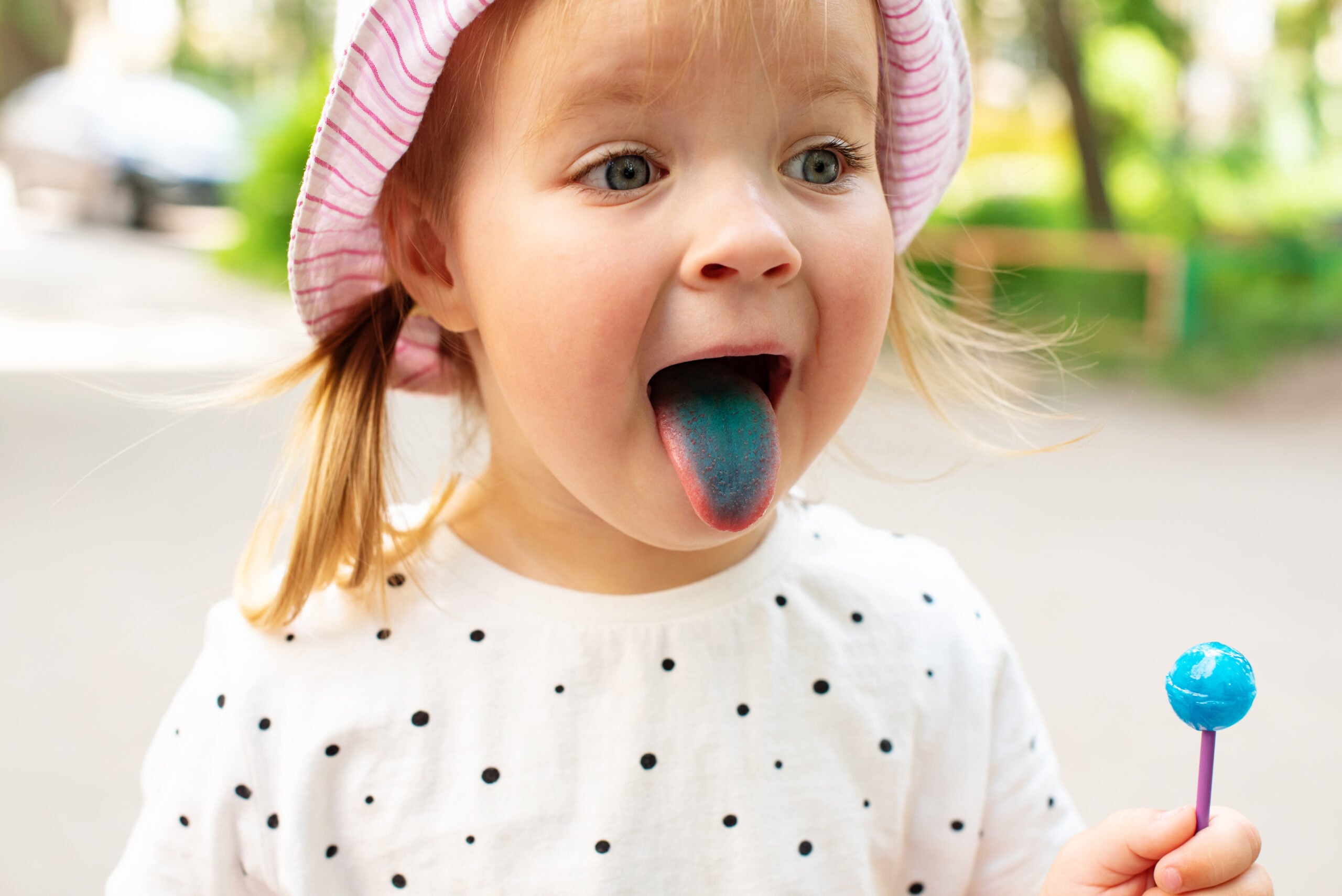
Researchers say artificial food dyes, found in many foods like cereals, candy, snacks, and drinks, may cause neurological issues in some children.
Shutterstock
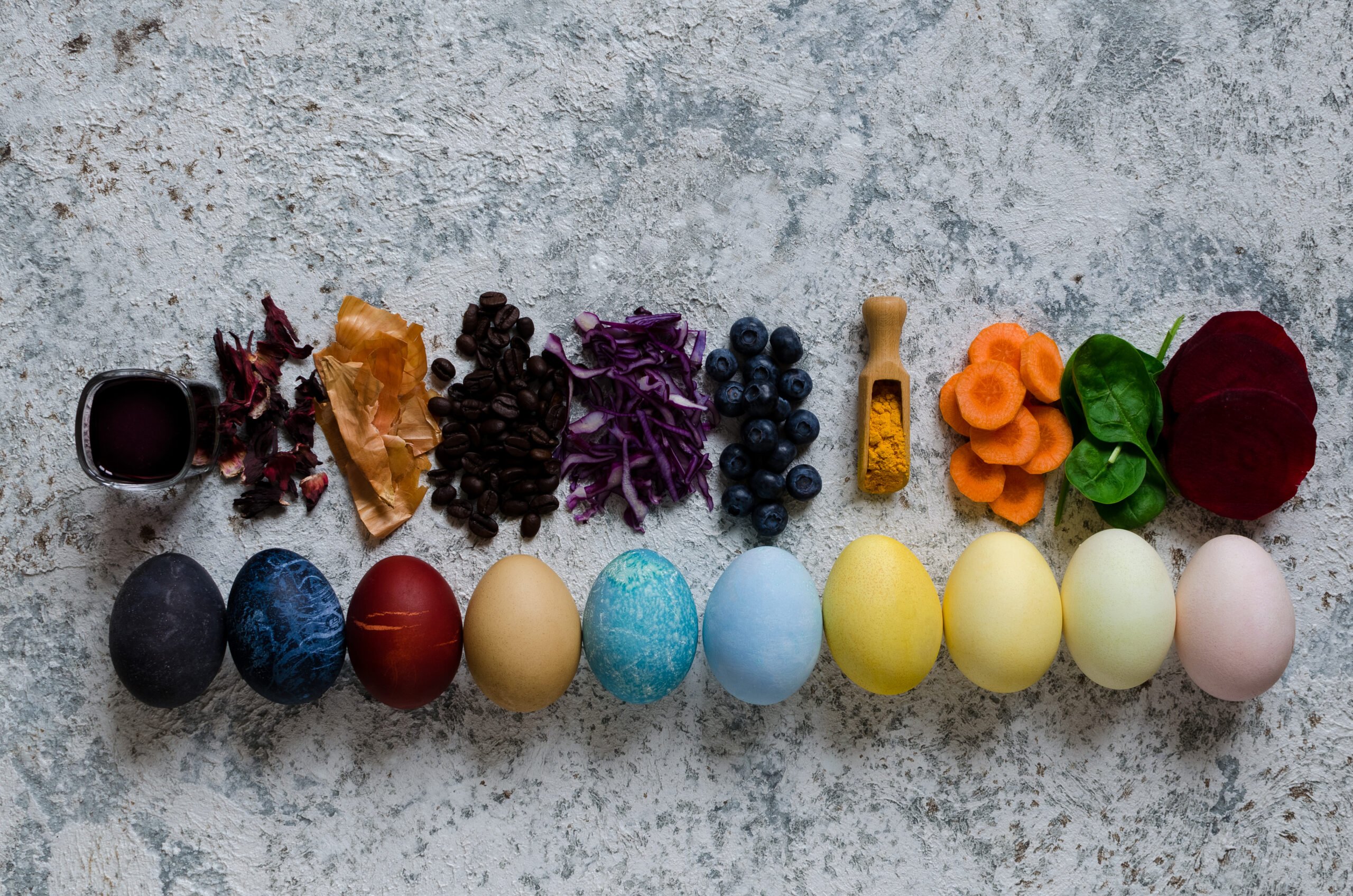
The Food and Drug Administration (FDA) is getting ready to approve four new natural color additives. This move is meant to help companies find alternative options more easily, according to the agency.
Shutterstock

At a news conference, Kennedy stated, “Americans don’t know what they’re eating.” While campaigning with Donald Trump last year, he promised to address the use of artificial food dyes and ultra-processed foods if he is chosen to lead the top health agency in the United States.
Shutterstock
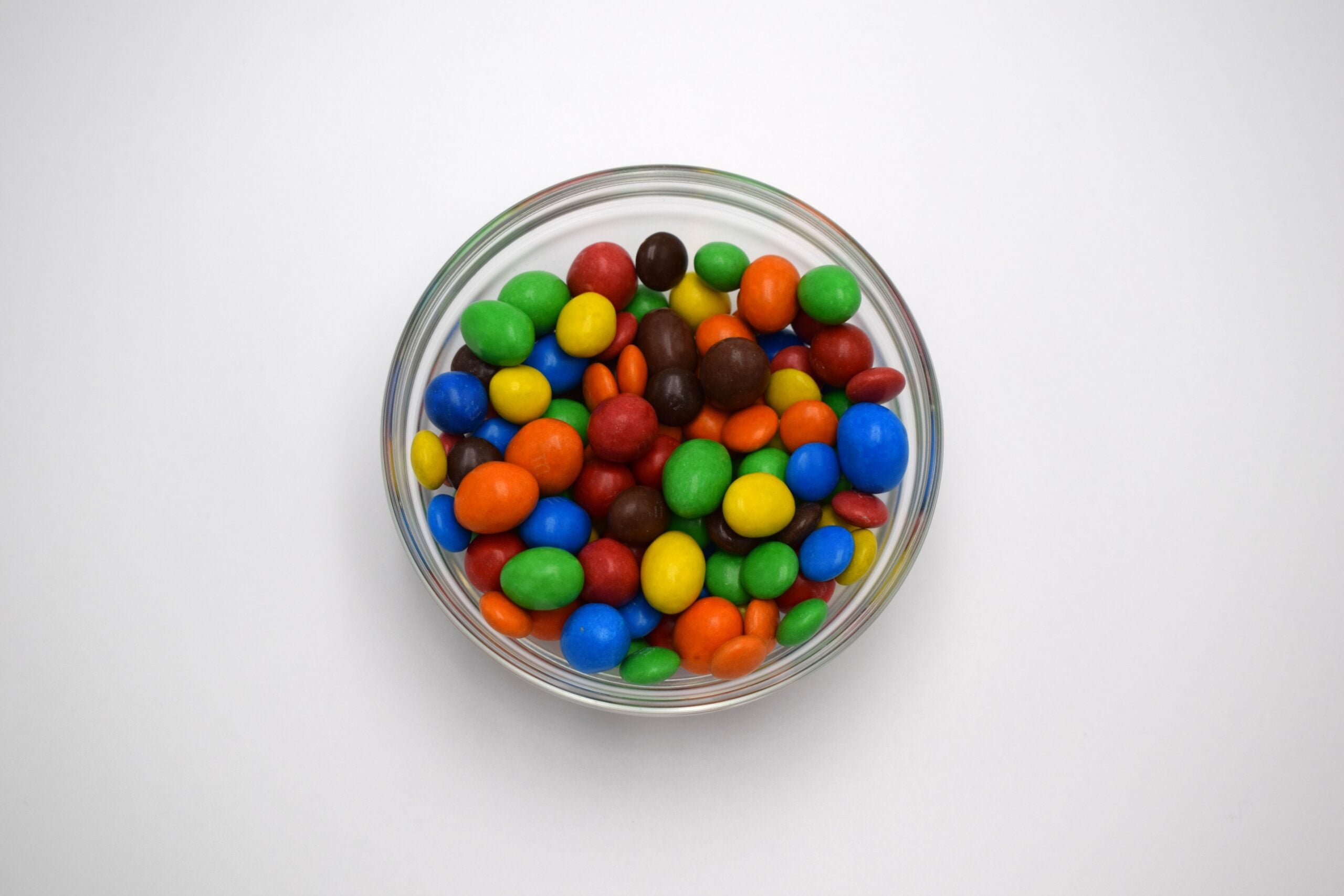
Many popular foods use artificial colors made from petroleum-based chemicals, says the Center for Science in the Public Interest (CSPI). These synthetic dyes are common in foods like M&M’s, Gatorade, Kool-Aid, and Skittles.
Shutterstock

Dr. Peter Lurie, who is the current president of the Center for Science in the Public Interest and a former FDA official, voiced concerns about artificial food dyes. He explained that the main reason companies use these dyes is to sell more products. According to Dr. Lurie, food dyes are often used to make certain foods look more appealing by covering up the lack of natural ingredients like fruit. He added that synthetic dyes aren’t necessary in our food supply and removing them wouldn’t harm anyone.
Shutterstock

Some companies have found ways to replace synthetic dyes with natural ones in other countries. According to Marion Nestle, a former nutrition professor at New York University, countries like Britain and New Zealand have reduced their use of artificial dyes. In Canada, for example, Kellogg colors Froot Loops cereal with natural ingredients like fruit and vegetable juices, even though artificial dyes are still used in the United States.
Shutterstock
Recently, efforts to ban artificial food dyes have been gaining support in state governments. Last month, West Virginia passed a law banning synthetic dyes and preservatives in food. Other states are now considering similar bills.
Do you think that changing the Jell-O recipe after so long is a good call? Leave a comment and let us know!
Shutterstock


Leave a Comment