
The food industry is supposed to be one of the most stable parts of the economy. People always need cereal, snacks, coffee, meat, frozen meals, and pantry staples. But lately, food factory layoffs and plant closures have been piling up across some very familiar brands.
Major food companies are cutting jobs, closing facilities, consolidating production, and rethinking parts of their businesses as costs rise and consumer habits change.
ProFood World recently described the trend as layoffs rippling through the food industry, with legacy brands and major manufacturers facing shifting demand and financial restructuring.
That is the surprising part.
These are not obscure companies no one has heard of. The broader wave has included names tied to cereal, coffee, candy, snacks, meat, frozen food, and pet food. General Mills, Nestlé, Hormel, PepsiCo, Perdue, Post, Del Monte, and others have all been tied to job cuts, restructuring, or plant closures in recent reporting.
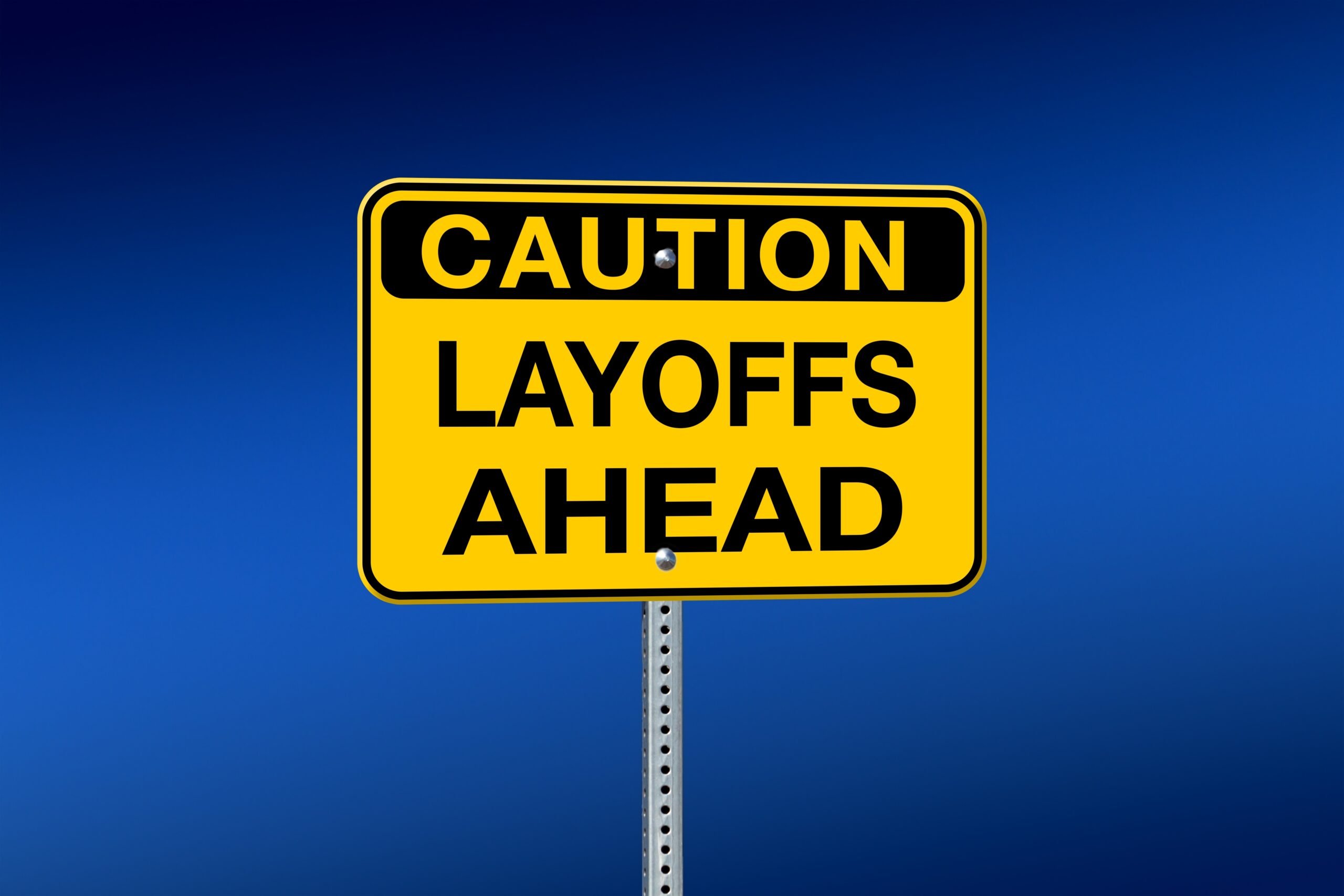
Nestlé, the world’s largest food company, announced plans to cut 16,000 jobs globally over two years as part of a sweeping cost-cutting push under new CEO Philipp Navratil, who took over in September 2025 after a leadership shakeup at the company. The cuts include 12,000 white-collar roles and 4,000 manufacturing and supply chain jobs, and are tied to a targeted savings goal of 3 billion Swiss francs (about $3.75 billion) by the end of 2027.
General Mills has also been trimming operations. The company is closing three Missouri plants — a pizza crust facility in St. Charles and two pet food plants in Joplin — as part of a multi-year effort to improve supply chain competitiveness and reduce costs. The St. Charles closure alone will eliminate 163 jobs by early June, and the broader move is expected to result in about $82 million in restructuring charges.
Hormel, the company behind brands such as Spam, Skippy, Jennie-O, Applegate, and Dinty Moore, announced a restructuring expected to reduce about 250 corporate and sales positions.
The reasons vary by company, but the pattern is similar.
Food brands are dealing with higher ingredient costs, weaker demand in some categories, private-label competition, changing diets, automation, lower-cost rivals, and pressure from shoppers who are tired of paying more at the grocery store.
That forces companies to make hard choices.
Some close plants. Some cut office jobs. Some consolidate production. Some sell brands. Some automate work that used to require more people.
For shoppers, the products may still be on the shelf. But the companies behind them are getting leaner.
The grocery aisle can look normal while the food industry underneath it is changing fast.
That is why these layoffs matter. They are not just corporate cost cuts. They show how much pressure is building behind everyday brands Americans have bought for decades.
Links on this page may be affiliate links, for which the site earns a small commission, but the price for you is the same


Leave a Comment