
Yes, you should clean fresh mushrooms before cooking, and a quick rinse under cool running water is fine for ordinary grocery-store varieties. Gently rub away any visible dirt, then dry the mushrooms with a clean towel or paper towel. You can also wipe lightly soiled caps with a damp cloth. The important part is cleaning them just before use, rather than washing a whole package and returning it wet to the refrigerator.
That distinction matters for recipes built around the caps themselves, such as our turkey stuffed portobello mushrooms. The mushrooms need to be clean before cooking, but there’s no reason to leave them sitting in a bowl of water. The right approach depends more on how dirty the mushrooms are than on an absolute rule against rinsing.
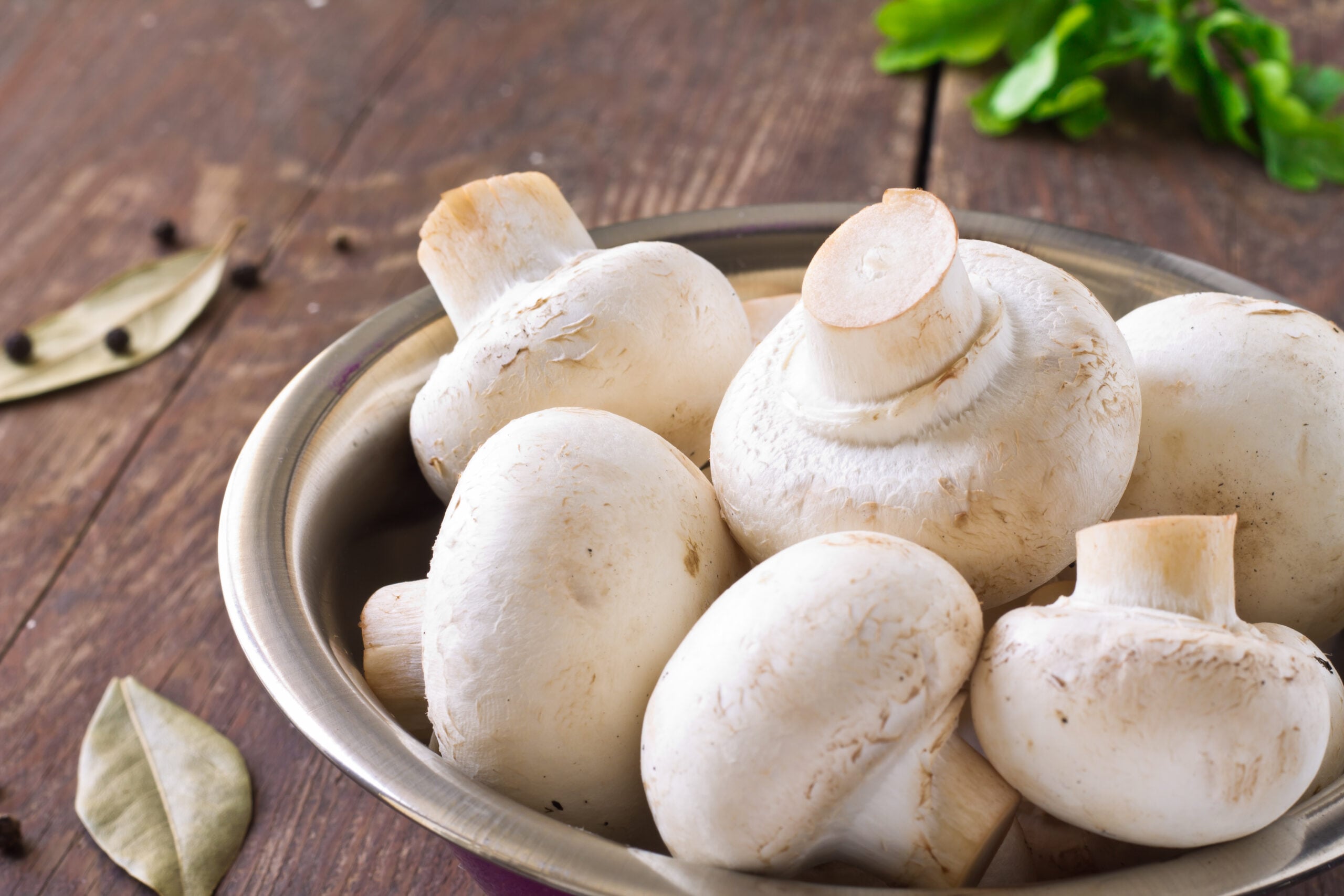
Do you need to wash mushrooms or is wiping enough?
A quick rinse is a straightforward choice when button mushrooms, cremini or portobellos have visible bits of growing material stuck to them. Hold a few at a time under cool running water, rub the surface gently with your fingers and drain them. A soft brush or damp paper towel is useful for a cap with just a little surface dirt.
The U.S. Food and Drug Administration recommends washing fresh produce under running water before preparation. The agency also advises drying it with a clean cloth or paper towel. That advice applies to mushrooms; there is no special food-safety benefit to refusing to let water touch them.
Neither method sterilizes a mushroom. Washing helps remove dirt and some surface contamination, but it cannot eliminate every microorganism. Start with clean hands, clean utensils and a clean work surface, especially if raw meat is being prepared nearby.
How do you clean mushrooms without making them soggy?
- Wait until you’re ready to cook. Take out only the amount you plan to use rather than cleaning the whole package for later.
- Inspect first. Discard mushrooms that are slimy, mushy, badly deteriorated or have an unpleasant off odor. Rinsing will not reverse spoilage.
- Remove loose dirt. If a damp towel or soft brush gets the caps clean, you can stop there. Otherwise use cool running water.
- Rinse briefly, without soaking. Gently rub away the remaining grit. Don’t leave fresh mushrooms sitting in a full sink or bowl while you prepare the rest of dinner.
- Drain and dry. Shake off excess drops, then pat with a clean towel or paper towel. For delicate mushrooms, blot rather than squeeze.
- Trim and cook. Cut away a dry or tough stem end as needed, slice or quarter the mushrooms, and add them to the recipe.
Skip dish soap, bleach, vinegar baths and commercial produce-wash products. The FDA advises plain running water for produce, not detergents or special washes.
Will rinsing mushrooms make them watery in the pan?
A mushroom that goes into a skillet dripping wet may take longer to brown because the surface water needs to evaporate first. That’s a cooking issue, not proof that a brief rinse ruined the mushroom. The practical solution is to dry the surface and give the mushrooms enough room in the pan.
If you are sautéing a large batch, cook it in batches rather than piling everything into one small skillet. A crowded pan traps moisture, so mushrooms can steam before they develop much color. If liquid collects, continue cooking until it evaporates, adjusting the heat so the food does not burn.
There’s no need to peel every mushroom or labor over every speck with a tiny brush. Its easy to turn a simple dinner prep step into a much bigger job than it needs to be.
For soups or stews, where the mushrooms will cook in liquid anyway, a little residual rinse water matters less to the finished texture. For roasted or pan-browned mushrooms, patting dry is more useful.
Which cleaning method is best for each type of mushroom?
| Mushroom | Practical cleaning choice | What to watch for |
|---|---|---|
| White button or cremini | Quick rinse and gentle rub, or wipe if only lightly soiled | Dry before sautéing or roasting |
| Portobello caps | Wipe or rinse the cap and dry it well | Check the underside for trapped debris; removing dark gills is usually a recipe or appearance preference, not a general requirement |
| Oyster mushrooms | Gently brush away debris; rinse briefly if needed | Handle the delicate clusters carefully and blot dry |
| Shiitake | Wipe or briefly rinse, then dry | Trim tough stems if the recipe calls for it |
| Dried mushrooms | Follow package directions for rehydration | Rehydrating dried mushrooms is different from washing fresh mushrooms; strain any gritty soaking liquid before using it |
Wild mushrooms require another level of caution. Don’t assume that a mushroom is edible because you can identify a similar-looking variety at the grocery store. Proper identification by a qualified expert matters, and cooking does not make every poisonous mushroom safe.
Should you wash mushrooms before putting them in the refrigerator?
No. Store fresh mushrooms unwashed, then clean them when you are about to prepare them. The University of Illinois Extension’s mushroom preparation guidance explains that washing produce ahead of storage leaves moisture on its surface and may encourage microbial growth.
Keep mushrooms refrigerated at 40°F or below, as the FDA recommends. The original store package is a reasonable option. For loose mushrooms, a paper bag can help prevent condensation from collecting around them; avoid sealing loose mushrooms in an airtight plastic bag where water droplets accumulate.
How long they remain usable depends on their condition when purchased and how they’re stored. Instead of assuming every carton has an exact number of good days left, check the mushrooms before using them. Fresh mushrooms should not be slimy or smell spoiled.
What about pre-sliced or prewashed mushrooms?
Read the label. A package marked prewashed or ready to eat generally does not need another rinse, consistent with the FDA’s advice for ready-to-eat produce. Simply being sliced or packaged does not automatically tell you that the mushrooms were washed.
If the label does not indicate that the mushrooms have been washed, clean them just before cooking. Pre-sliced mushrooms have more cut surfaces and can be awkward to dry one by one, so rinse a small quantity in a colander, drain thoroughly and blot gently. Keep any unused portion cold.
Should mushrooms be cooked after washing?
Washing and cooking do different jobs. Washing removes soil and reduces some surface contamination; thorough cooking reduces food-safety risks associated with microbes. You can find raw cultivated button mushrooms in salads, but the University of Illinois Extension specifically advises cooking specialty or gourmet mushrooms thoroughly rather than eating them raw.
That warning is particularly relevant when experimenting with varieties such as oyster, shiitake or lion’s mane. Follow reliable preparation instructions for the particular species. Rinsing a mushroom does not make an unfamiliar wild variety safe to eat.
When should you throw mushrooms away instead of cleaning them?
Discard mushrooms that have become noticeably slimy, mushy, rotten-smelling or visibly moldy. A small amount of soil on a firm cap is a cleaning job; serious deterioration is not. Don’t count on rinsing, scraping or cooking to rescue mushrooms that are already spoiled.
When choosing mushrooms at the store, look for reasonably firm caps and avoid damaged or wet-looking packages. At home, separate them from raw meat and its juices to prevent cross-contamination. A good cleaning method cannot make up for poor handling afterward.
Can you soak fresh mushrooms in water?
For ordinary cultivated mushrooms, soaking is usually unnecessary. Running water and a gentle rub remove surface dirt without leaving them submerged. Some especially gritty varieties, such as morels, have different cleaning recommendations, so follow species-specific guidance rather than applying the same rule to every mushroom.
Do portobello mushroom gills need to be removed?
Not as a universal food-safety step. The dark gills can color a filling or sauce and may be removed for the look of a dish. If a recipe asks for gill removal, use a spoon gently after cleaning the cap. Be careful not to gouge the mushroom, especially if it will be stuffed.
For most store-bought mushrooms, the sensible routine is simple: clean them close to cooking time, rinse when needed, pat dry and get on with the recipe.
Links on this page may be affiliate links, for which the site earns a small commission, but the price for you is the same


Leave a Comment