
Sorghum syrup, also known as sorghum molasses, might sound new, but it has been around for quite some time. In the USA, it was developed as a molasses and sugar alternative in the 17th century! But why did it not retain its popularity like sugar and molasses did? Is it because it is not as good?
Today, we are going to dive into a detailed comparison between sorghum syrup and sugar to give a definitive answer overall as to which one is the superior choice. I promise I won’t sugarcoat anything. Let’s go!
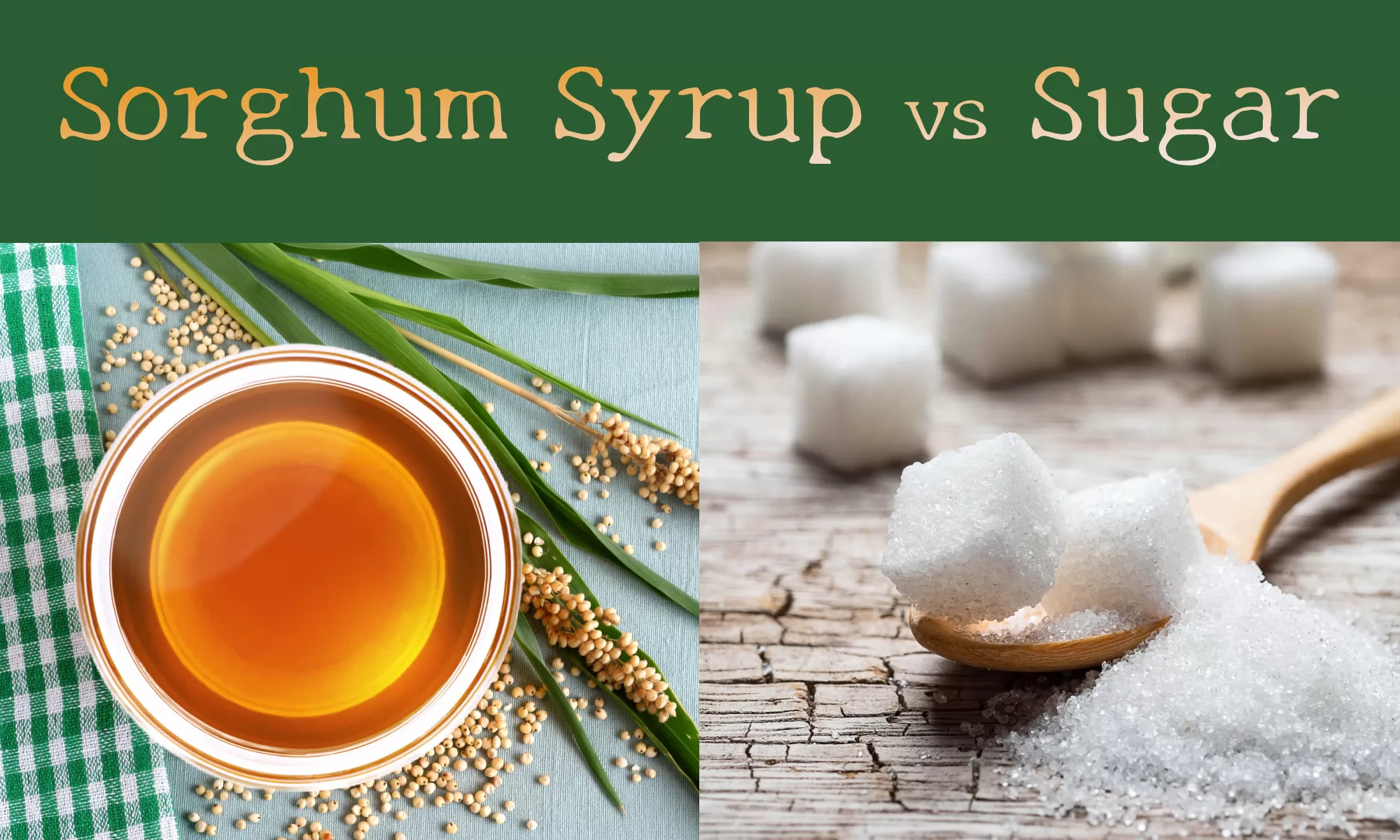
Comparing Sorghum Syrup vs Sugar
| Sorghum Syrup | Sugar | |
| Substitution ratio | 1 ⅓ cup sorghum syrup = 1 cup sugar | 1 ⅓ cup sorghum syrup = 1 cup sugar |
| Gluten-free? | Yes | Yes |
| Keto-friendly? | No | No |
| Paleo-friendly? | Yes | No |
| Common Allergens | Sorghum plant | Sugarcane |
| Pantry shelf life (unopened/sealed) | 2 plus years | 2 plus years |
| Best for baking | Cookies, peach cobbler, marinated chicken | Any desserts, pastries, and cakes. |
Differences Between Sorghum Syrup And Sugar
Although it may originate from a natural source, refined sugar undergoes a processing method that removes all other components from sugarcane or sugarbeet, leaving behind only the sugar itself. Table sugar is composed of equal parts glucose and fructose. It is usually in solid form.
Sorghum syrup, another natural sweetener, is produced with the juice from sorghum stalks, boiling it down to achieve the desired consistency. Unlike table sugar, sorghum syrup remains in a liquid state. Its complex and rich flavor makes it versatile in the culinary world, enhancing marinades, spreads, and even baked goods. The distinctive earthy taste of sorghum syrup adds depth to various dishes while also offering a healthier alternative to traditional sweeteners.
Taste and Culinary Uses
Not only does sugar contribute to the taste profile of food, but it serves multiple functional roles as well. In baking, it helps add color to baked goods and acts as a preservative, flavor enhancer, and bulking agent. In the world of sauces, syrups, and beverages, sugar plays a crucial role in increasing viscosity and enhancing overall mouthfeel.
Sorghum syrup stands out with its less saccharine taste and a more complex flavor compared to corn or sugar cane syrups. Its unique earthy, woody, and smoky flavors can vary based on the specific process and strain of sorghum plant used.
Syrup aside, the plant itself is used all over the world! Sorghum grains and flour are significant in African cuisine and hold a special place in Asian culinary traditions. In China, sorghum is an integral ingredient in producing baijiu, a traditional distilled spirit with a robust aroma and distinct flavor. Chinese cuisine also incorporates it in dishes like porridges, noodles, or even as a substitute for rice in specific regions. In India, sorghum, known as jowar, is a staple grain in many regions. Used in the preparation of rotis, a type of flatbread, it is enjoyed alongside curries and other accompaniments. Ground into flour, jowar becomes a key ingredient for preparing snacks like crispy bhakris or savory pancakes.
Are Sorghum Syrup and Sugar Substitutes for Each Other?
When substituting regular sugar with sorghum, add 1/3 more sorghum than the amount of sugar specified in the recipe. Reduce the liquid quantity (milk and/or water) by the same proportion. So, if the recipe calls for 1 cup of sugar, use 1 ⅓ cup of sorghum and reduce the liquid by ⅓ of a cup.
Nutritional Profile And Health Benefits
- Table sugar (granulated sugar, sucrose) (2 tsp.)
- Calories: 30
- Total carbs: 8 g
- Sugars: 8 g
- GI: 65
- Sorghum syrup (2 tbsp.)
- Calories: 120
- Total carbs: 31 g
- Sugars: 31 g
- GI: 50
Sugar is solely comprised of empty calories without any nutritional value, but it is useful as a quick energy hit. On the other hand, natural sweeteners like sorghum offer some nutritional benefits. Historically, doctors prescribed sorghum syrup to supplement iron, calcium, and potassium intake before the introduction of multivitamins.
Diet Suitability
White sugar obtains its color through a refining process that frequently involves using bone char. Although sugar itself is not directly derived from animals, this renders white sugar non-vegan. In addition to this, it is not considered a suitable sweetener for those following a keto, paleo, or whole30 diet.
Sorghum syrup stands out as a vegan alternative. However, it is not keto-friendly due to its high glycemic index, which may disrupt ketosis even in small quantities. As it is a natural and unrefined product derived from a gluten-free grain that has been consumed for thousands of years, it is considered paleo-friendly. Sorghum syrup is not recognized as a Whole30-friendly sweetener, though.
How to Store Sorghum Syrup and Sugar
Store table sugar in an airtight container at room temperature, away from heat sources or moisture. Treat sorghum syrup like honey by storing it in a cool, dark place away from heat and sunlight. If crystallization occurs, gently heat the jar in warm water.
Price and Availability
Sugar is available for as little as 25 cents per pound, while sorghum syrup starts at just $0.99 per pound. Sugar is also much easier to find, as, despite its long history, sorghum syrup is still considered a specialty item.
Environmental Impact
Burning sugarcane harms the environment, primarily due to air pollution caused by the emission of toxic and hazardous substances. These substances, including nitrates, carbon compounds, and sulfates, contribute to climate change by reducing oxidization efficiency and increasing ozone concentrations.
Sorghum production poses some environmental challenges resulting from the crop’s unique characteristics. As a drought-tolerant crop, sorghum is cultivated in marginal areas, leading to habitat conversion and degradation, soil erosion, and the use of agrochemicals. Growing sorghum on delicate land threatens the integrity of ecoregions worldwide, such as the Rift Valley in Eastern Africa, where native flora and fauna face destruction and fragmentation due to farming activities.
Sorghum Syrup vs. Sugar: The Ultimate Verdict
While sorghum syrup is nutritionally superior, it is expensive, hard to find, tricky to substitute into baked goods, and bad for the environment. For those reasons, I prefer sugar as a pantry staple for baking, and I’ll stick with my organic honey for sweetening my tea!
FAQs
Sorghum can be swapped for regular sugar in recipes. Add 1/3 more sorghum than the sugar specified in the recipe to achieve the desired sweetness. Simultaneously, reduce the liquid content (milk and/or water) by the same proportion.
You can use corn, maple, molasses, or honey as a sorghum syrup alternative.


Leave a Comment