
Chipotle just opened its first restaurant in Mexico, which sounds like a punchline until you remember how big the chain has become in the United States. The move also comes with an obvious warning from fast-food history: restaurant expansion can unravel quickly when a brand misreads a market.
Taco Bell already tried to crack Mexico twice. Both attempts failed.
Now Chipotle is betting it can do what Taco Bell could not: sell American-style Mexican-inspired food in the country that inspired it.
Chipotle picked a wealthy first market
Chipotle’s first Mexico restaurant opened July 16 in San Pedro Garza García, an upscale suburb of Monterrey in the northern state of Nuevo León.
That choice was not random.
San Pedro is one of Mexico’s wealthiest communities and part of a business-heavy metro area with strong ties to the United States. It gives Chipotle a customer base that may already understand the brand’s burritos, bowls, salads and fast-casual ordering style.
Reuters reported that Chipotle’s Mexico director said the company plans to open six to eight more stores in Monterrey over the next 14 months before expanding to Mexico City and then the rest of the country.
That is ambitious, but it is also careful. Chipotle is not starting by trying to convince all of Mexico at once. It is testing the concept in a rich northern market before going national.
Taco Bell’s history is the cautionary tale
Taco Bell’s failures in Mexico are famous for a reason.
The chain first tried the market in 1992, then returned in 2007. By 2010, its Mexico restaurants were gone.
The problem was not that Mexican consumers had never heard of tacos. It was the opposite. Mexico already had better, cheaper and more familiar versions of the food Taco Bell was trying to sell.
Taco Bell’s hard-shell tacos and Americanized menu did not translate cleanly. In one attempt, the chain even leaned into the difference by framing itself more like American food than authentic Mexican food.
That still was not enough.
Chipotle’s bet is different
Chipotle is not exactly Taco Bell.
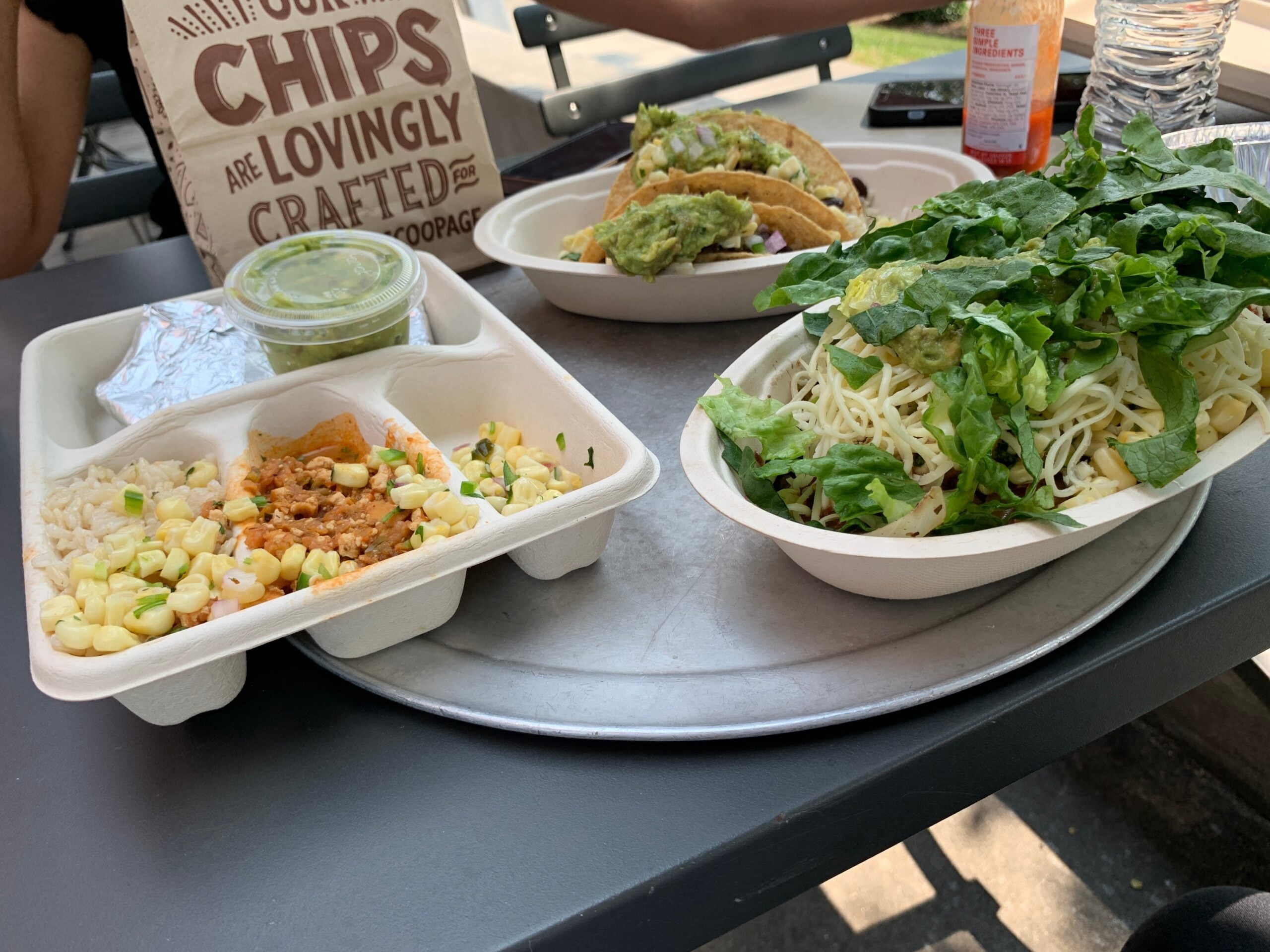
The company has built its U.S. identity around customizable bowls, visible ingredients and a fresher fast-casual image. That could help it avoid a direct comparison and a fresher fast-casual image. That could with street tacos, especially if customers treat Chipotle as an American import rather than a replacement for local Mexican food.
That distinction may be everything.
No one in Mexico needs Chipotle to teach them what Mexican food is. But some customers may still want a convenient, American-style lunch bowl in a polished fast-casual setting.
The challenge is that Mexico is not lacking options. Reuters cited a 2021 project by a Mexican geographer that mapped 1.6 million taco shops and found that 95% of Mexico City residents lived within about a five-minute walk of a taqueria.
That is the real competition.
Chipotle is not just competing against fast food. It is competing against an everyday food culture that is already everywhere.
Can Chipotle actually win?
Chipotle’s Mexico expansion could work if the chain is viewed as something different: not authentic Mexican food, but a convenient American fast-casual brand with Mexican influences.
It could also stumble if customers decide the food is too expensive, too foreign or simply unnecessary.
The early social-media reaction has been mixed, with some people joking that opening Chipotle in Mexico is like opening Olive Garden in Italy. That joke lands because the risk is obvious.
Still, Chipotle has one advantage Taco Bell lacked: it knows it is entering a skeptical market.
If the company treats Mexico as a place to learn rather than a place to conquer, it may have a chance. But Taco Bell’s history shows how unforgiving the market can be when an American chain assumes Mexican-inspired food will automatically sell in Mexico.
Chipotle has arrived. Now comes the harder part: convincing Mexico that it belongs there.
Links on this page may be affiliate links, for which the site earns a small commission, but the price for you is the same



Leave a Comment