
When it comes to sweeteners, there are various options available. Sugar, which refers to a range of sweet-tasting, soluble carbohydrates, is most commonly used in cooking and baking. It comprises simple sugars like glucose, fructose, and galactose. On the other hand, we have tagatose, a hexose monosaccharide that can be found in small quantities in certain foods. Known for its potential as an alternative sweetener, tagatose is often present in dairy products due to its formation during the heating process of milk. Now, the question arises: which of these sweeteners is ultimately better? Let’s take a look at both.
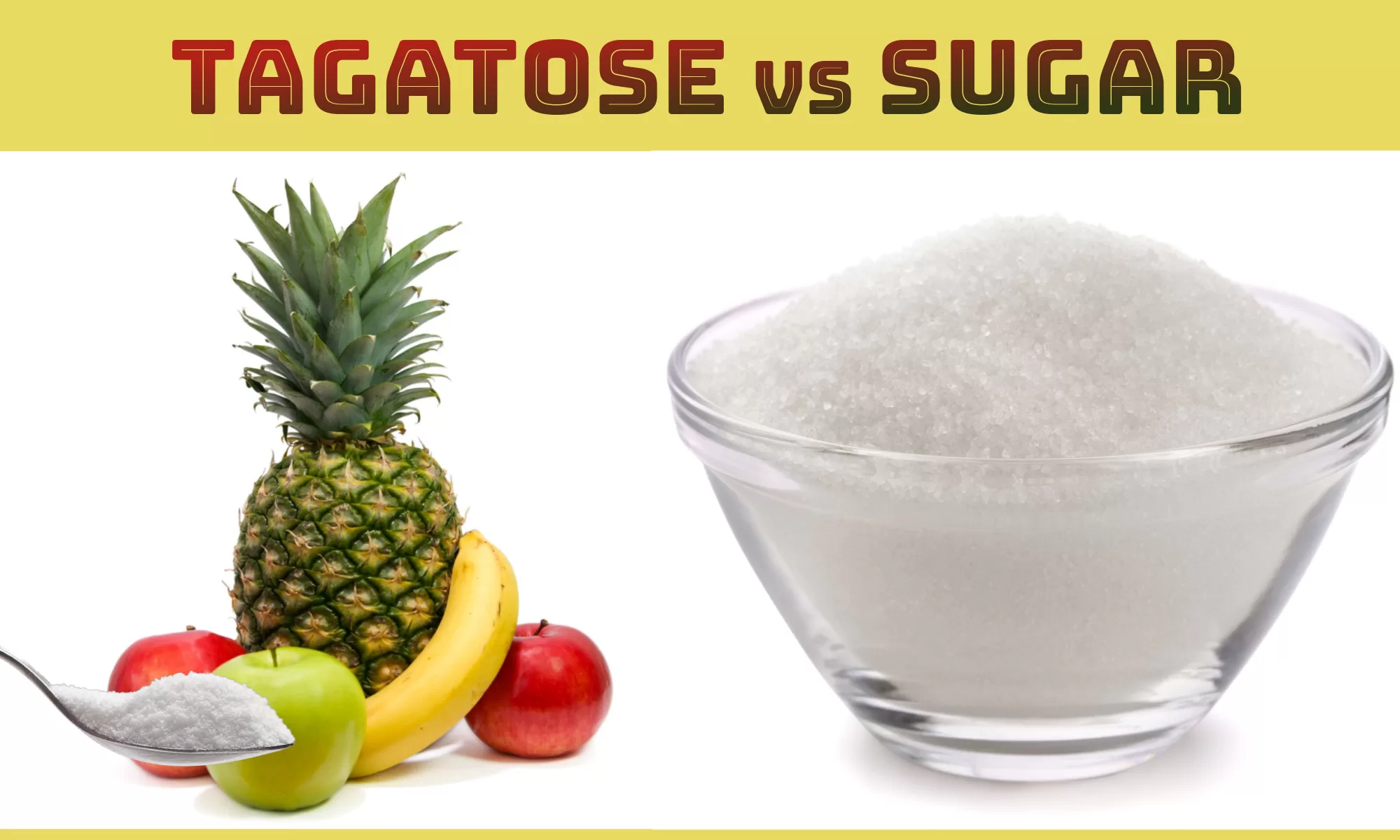
Comparing Tagatose vs Sugar
| Tagatose | Sugar | |
| Substitution ratio | 1:1 | 1:1 |
| Gluten-free? | Yes | Yes |
| Keto-friendly? | No | No |
| Paleo-friendly? | No | No |
| Common Allergens | May upset fructose-intolerant people | Sugarcane |
| Pantry shelf life (unopened/sealed) | See best-by-date | 2 plus years |
| Best for baking | Caramels and sweet sauces | Most cakes, pastries, and other sweet treats. |
Differences Between Tagatose And Sugar
Table sugar and d-Tagatose are two different types of sweeteners that are commonly used in foods. Sugar is typically extracted from sugar cane or sugar beet and is commonly known as sucrose. Sucrose is composed of equal parts glucose and fructose.
On the other hand, d-Tagatose is a naturally occurring monosaccharide that is found in small amounts in dairy products. It is a sugar that is formed from lactose during heating processes. D-Tagatose is approximately 92% as sweet as sucrose but contains only 38% of the calories. It is considered tooth-friendly and has minimal effects on blood glucose levels.
Taste and Culinary Uses
Sweetness plays a vital role in our culinary experiences, and different sweeteners offer unique flavors to enhance the taste of various foods and beverages. One of the most recognized sweeteners is sugar, known for its clean and pleasant sweetness that hits quickly without lingering. Sugar is considered the gold standard, providing a consistent and satisfying sweet taste from start to finish.
Sugar not only adds sweetness but also contributes to the color, texture, and preservation of baked goods. It acts as a flavor enhancer and bulking agent, giving a desirable mouthfeel. It is widely used in sauces, syrups, and beverages to increase viscosity and provide a thicker consistency.
Another sweetener worth exploring is tagatose. It is almost as sweet as sucrose and has a calorific value of 1.5 kcal/g. Tagatose, derived from lactose, holds a similar sweetness to sugar without any strange aftertaste. Like sugar, tagatose undergoes the Maillard reaction and can brown when heated. It can be used as a substitute for sugar in various applications, such as baking, cooking, and confectionery. You can create desserts, caramel sauces, and treats using tagatose without compromising taste and texture.
Are Tagatose and Sugar Substitutes for Each Other?
Tagatose and sugar can be substituted at an easy 1:1 swap in most recipes. However, tagatose is only about 70 percent as sweet as sugar, so a slightly larger amount may need to be used depending on the desired sweetness of the recipe.
Nutritional Profile And Health Benefits
- Name: Table sugar (granulated sugar, sucrose)
- Serving size: 2 tsp.
- Calories: 30
- Total carbs: 8 g
- Sugars: 8 g
- GI: 65
- Name: Tagatose
- Serving size: N/A
- Calories: 1.5-2.4 per gram
- Total carbs: N/A
- Sugars: N/A
- GI: 3
Sugar, being a simple carbohydrate, provides a quick source of energy (glucose) that our body’s cells, tissues, and organs rely on for proper functioning. Tagatose may have its benefits in the ability to slow down glucose levels by inhibiting the absorption of sucrose and maltase in the small intestine.
Diet Suitability
The color of white cane sugar is derived from a refining process that often involves the use of bone char. This process excludes it from being considered vegan. Additionally, white sugar is not considered keto-friendly, paleo-friendly, or Whole30-friendly due to its effects on blood sugar levels and overall impact on these specific diets.
Tagatose is derived from milk, so it is also not vegan and cannot be used on paleo or Whole30 diets. It is debated for those following the keto diet and is rarely used in keto recipes as the net carbs can vary.
How to Store Tagatose and Sugar
For optimal storage, sugars should be kept at room temperature in a sealed container. Tagatose, on the other hand, can undergo the Maillard reaction when it comes into contact with amino acids. To prevent this reaction, it is recommended to store tagatose in refrigerated conditions.
Price and Availability
Sugar can be obtained for as low as 25 cents per pound, making it a cost-effective choice. However, synthesizing tagatose yields a more expensive supply, priced at around US$35 per pound.
Environmental Impact
Sweeteners have varying environmental impacts. For example, the burning of sugarcane negatively affects the environment by causing air pollution. When the leafy parts of sugarcane are burned, toxic and hazardous substances are emitted, leading to a decline in air quality. These substances are also linked to climate change.
As for tagatose, the environmental impact has not been extensively researched, but the reaction between acid and d-tagatose produces an insoluble salt. This process generates waste by-products and poses some environmental concerns.
Tagatose vs. Sugar: The Ultimate Verdict
Sugar any day, please. While tagatose may be lower in calories, it is expensive and hard to find, and its environmental impact is yet to be accurately determined. On the other hand, sugar has low production costs, can be found in most stores or online, and the environmental impact of growing it can be minimized through sustainable farming practices.
FAQs
Tagatose is a naturally occurring sugar found in small amounts in fruits and dairy products such as sterilized powdered milk, yogurt, and cheese.
Yes, it is. This reducing sugar exhibits a high reactivity in Maillard reactions.
It is not, but it is highly processed. It exists in limited quantities within fruits, cacao, and dairy products, but the powder you buy is made from hydrolyzing lactose into glucose and galactose.


Leave a Comment