

In just a matter of months, Texas has been dealt a harsh economic blow – with not one, not two, but three major factory closures. These weren’t small outfits either. We’re talking about legacy facilities from giants in energy, manufacturing, and packaging.
Hundreds of workers are now left scrambling, and while Texas has long been seen as a business-friendly haven, these closures suggest even the Lone Star State isn’t immune to mounting economic pressures.
Here’s what’s behind it all:
Follow The Coconut Mama
• For fun lists, healthy living tips, and bar conversation topics, make sure to follow The Coconut Mama. Click here to access The Coconut Mama’s profile page and be sure to hit the Follow button here or at the top of this article!
• Have feedback? Add a comment below!
Shutterstock
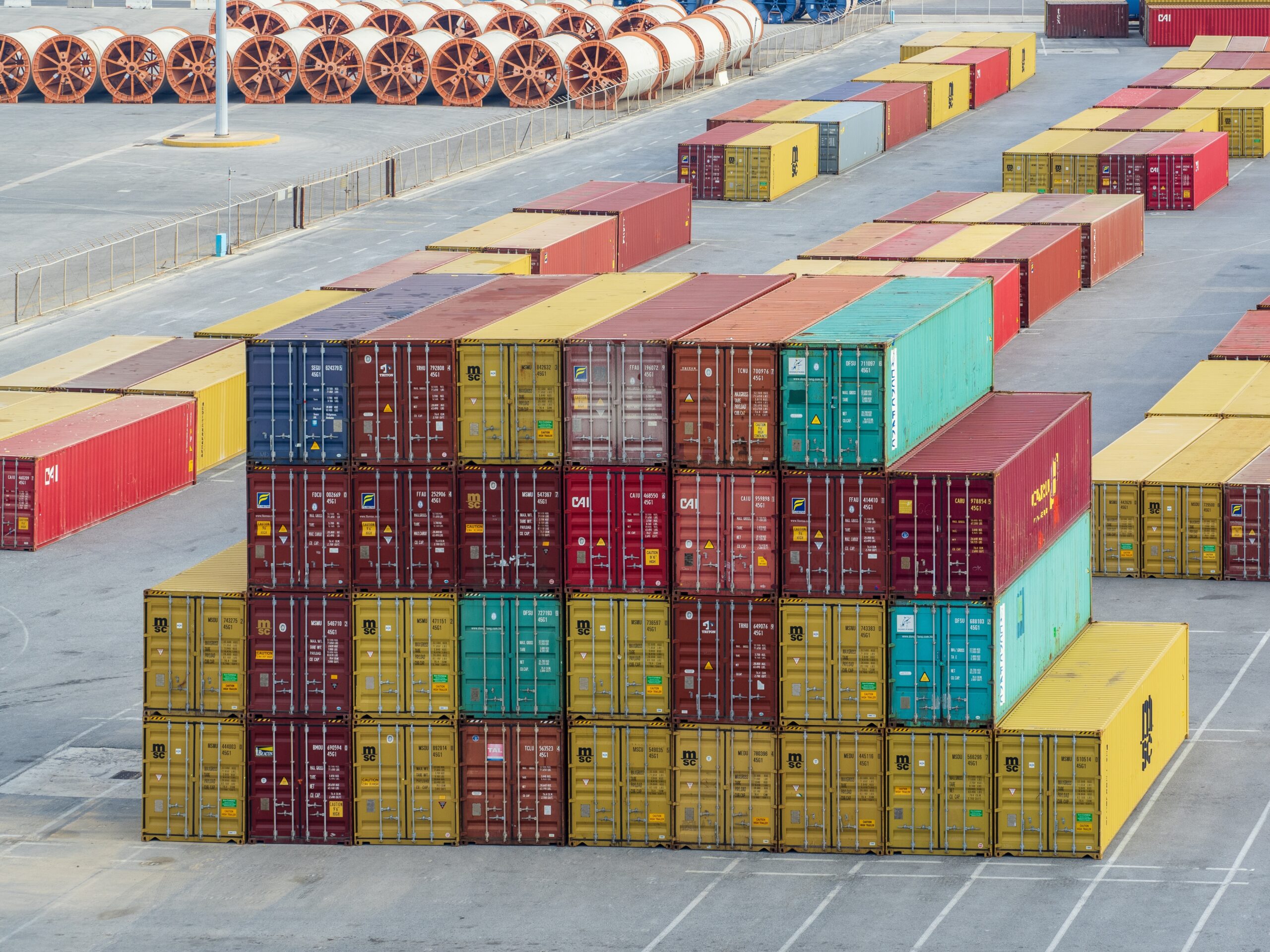
There’s no single reason these factories closed, but a few major economic forces are clearly at work:
– Tariffs and global trade tensions have complicated the cost of doing business. While “Made in America” remains a goal for many companies, retaliatory tariffs and higher input costs often push production elsewhere.
– Even in a relatively low-tax state like Texas, businesses are facing higher prices for energy, materials, and skilled labor. In industries with tight margins, those increases can quickly make older plants unsustainable.
– Across the board, companies are rethinking where (and how) they make things. As tariffs and inflation drive up costs, many are turning to automation, consolidation, or relocation.
Shutterstock

Of course, it’s not just about the big-picture economy – each of these closures has its own backstory.
Companies have different priorities: some prefer certain regions, others outgrow older facilities that just can’t keep up with modern demands. One of the factories I’m highlighting has been running for over a century, but in today’s economic climate, many factories can no longer survive.
Whether it’s outdated equipment, rising costs, or simply a shift in strategy, the result is the same: another community left to deal with the fallout.
Let’s take a closer look at what’s happening across Texas:
Shutterstock
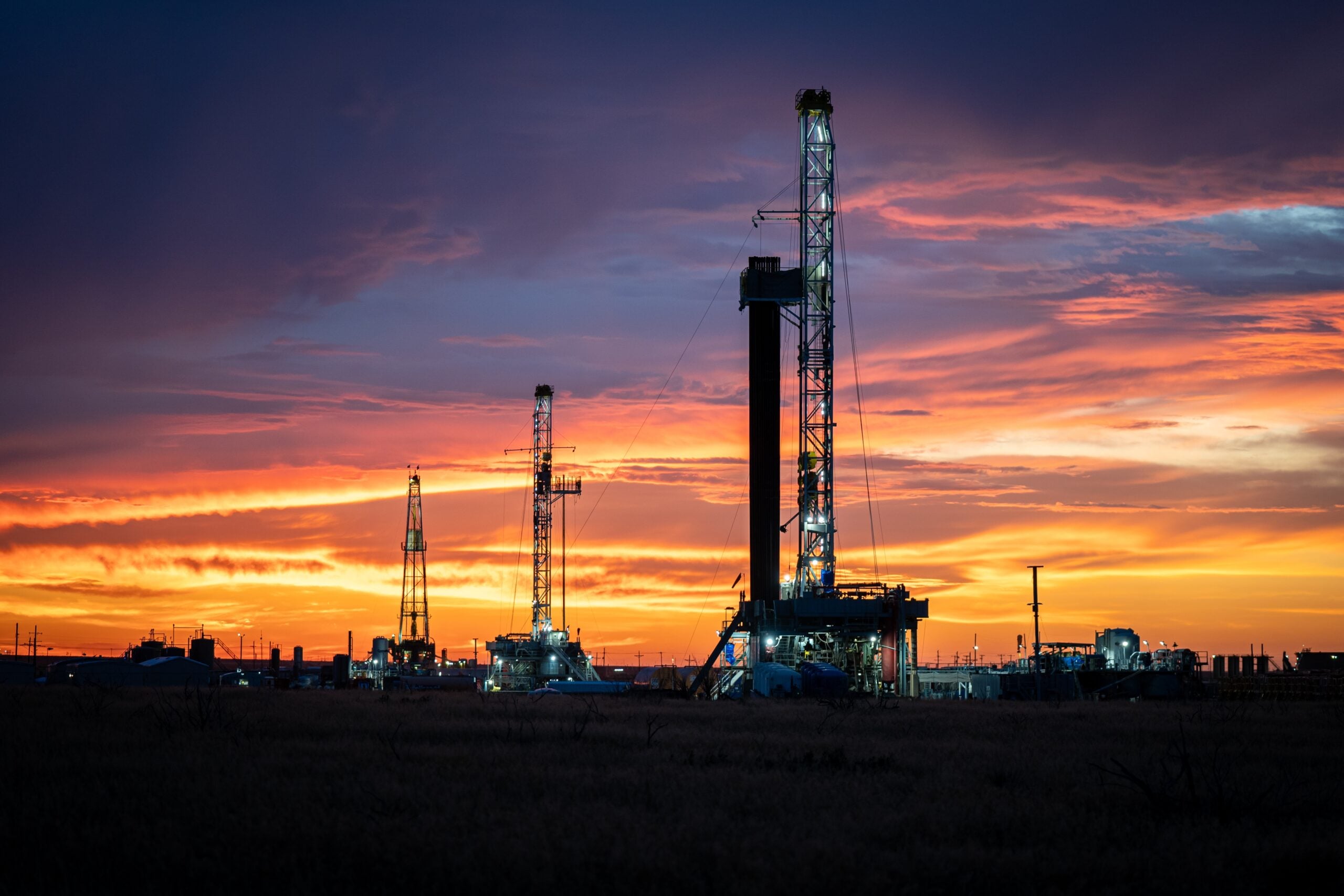
LyondellBasell, one of the world’s largest plastics and chemicals companies, recently completed the permanent shutdown of its Houston oil refinery – a move that’s affecting around 345 workers.
The site, located in East Houston, has been operating in some form since 1918 and played a major role in the city’s industrial history.
Some of the impacted employees were offered relocation or other opportunities within the company, but many are now facing an uncertain future.
Shutterstock

LyondellBasell made it clear that this was a strategic decision. The company is exiting the refining business entirely and pivoting toward more sustainable, forward-looking operations like circular plastics and recycling.
In other words, this wasn’t necessarily a “Texas” problem. But it’s worth noting that the aging refinery required significant investment to stay competitive, and in today’s economic environment, that kind of overhaul just didn’t make financial sense.
Maybe the refinery’s layout wasn’t ideal for modern upgrades. Maybe the long-term profitability simply wasn’t there. That’s all speculation, of course, but the bottom line is the same.
This was one of Houston’s oldest refineries, and now it’s gone – along with hundreds of jobs.
And unfortunately, that’s not where the story ends…
Shutterstock

In late May, Smurfit Westrock announced it would shutter its containerboard mill in Forney, Texas – putting roughly 200 people out of work.
The company called it part of a “global optimization strategy,” which is business-speak for cutting costs and consolidating operations.
This mill produced containerboard – the stuff used to make cardboard boxes – and while demand for packaging is still high, the company says it’s focusing on newer, more efficient facilities that better align with its long-term goals.
It’s a familiar story: older plants get left behind while companies streamline to stay competitive. That may make sense on paper, but for the people who lost their jobs, it’s a painful reality.
Shutterstock

While the news may have come as a shock to workers in Forney, it’s clear the company had been preparing for this move for a while.
They’ve likely ramped up production capacity at other facilities to keep operations running smoothly, and from a business perspective, this is all about staying lean and efficient.
This particular site also had some warehouse and logistics operations attached – and it’s possible parts of that will continue in some form. So while the mill itself is shutting down, it may not be a total lights-out situation.
But again, that’s little comfort to the 200 workers who suddenly found themselves out of work.
Shutterstock

International Paper recently announced it would be closing both its box plant and sheet plant in Edinburg – a decision that’s affecting about 120 workers in the Edinburg and McAllen area.
The company is shifting production to a newer, more advanced facility just across the border in Reynosa, Mexico. One of the Edinburg buildings will be repurposed as a warehouse, but the rest is being shut down completely.
For longtime employees, it’s a tough pill to swallow…
Shutterstock

This move is part of a broader realignment strategy — one that focuses on newer facilities with better logistics, modern equipment, and lower operating costs.
You can see why the company made the call. Running multiple smaller plants just doesn’t pencil out the way it used to, especially when a single high-tech site can do the job more efficiently.
Still, that kind of logic doesn’t make it easier for the folks in Edinburg who just lost their livelihoods. It’s yet another reminder that “optimization” for a company can mean upheaval for everyone else.
Let’s take a step back and look at what this all means for Texas as a whole…
Follow The Coconut Mama
• For fun lists, healthy living tips, and bar conversation topics, make sure to follow The Coconut Mama. Click here to access The Coconut Mama’s profile page and be sure to hit the Follow button here or at the top of this article!
• Have feedback? Add a comment below!
Shutterstock

I want to highlight here that none of these companies blamed Texas itself – there’s been no mention of the state’s taxes, regulations, or overall business climate as a factor.
These appear to be three separate cases, driven by company-specific strategies like modernization, consolidation, or shifting production across borders. In some cases, operations are being relocated to other facilities – just not ones in Texas.
Still, it’s tough news for the state. Hundreds of Texans are now out of work, and for the communities affected, the impact is deeply personal.
And Texas isn’t alone. California also recently saw three factory closures in a matter of days – you can read more about that here.
And for more on these stories…
Shutterstock

Follow The Coconut Mama
• For fun lists, healthy living tips, and bar conversation topics, make sure to follow The Coconut Mama. Click here to access The Coconut Mama’s profile page and be sure to hit the Follow button here or at the top of this article!
• Have feedback? Add a comment below!
Shutterstock





Leave a Comment