
Extracted from the germ, or embryo, of the wheat kernel, this golden-hued oil is a nutritional powerhouse filled with vitamins, minerals, and essential fatty acids.
But what exactly is wheat germ oil, and how can you incorporate it into your culinary repertoire?
All of the juicy details, coming right up! I’ll cover extraction methods, nutritional value, and the various ways you can use it in your kitchen!
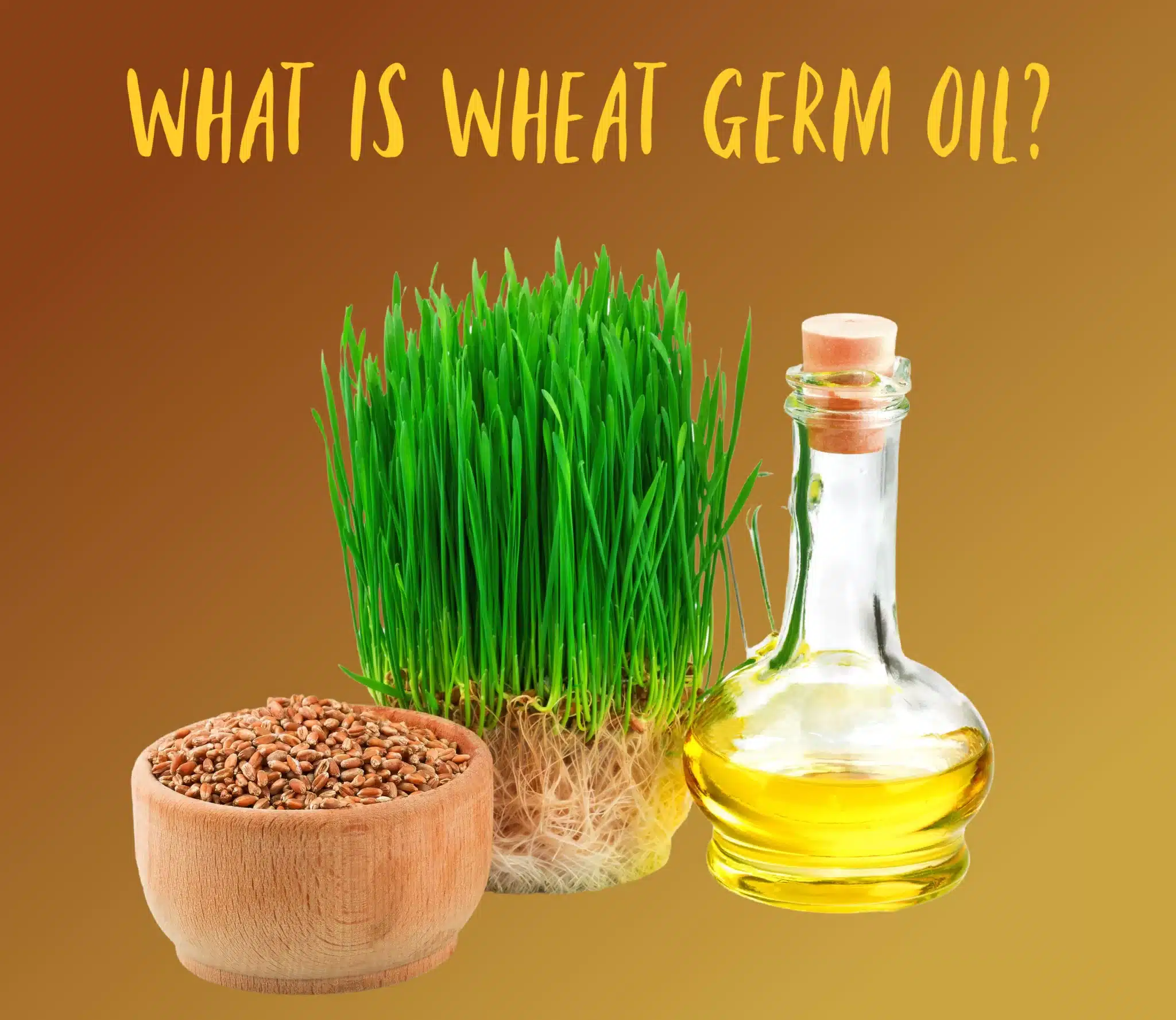
What is wheat germ oil?
Wheat germ oil is a nutrient-rich oil, known for its high levels of vitamins, minerals, and fatty acids. It is derived from the germ of the wheat kernel, which is the embryo of the wheat plant.
The germ is a small part of the wheat grain but packs a powerful nutritional punch. Wheat germ oil is extracted from this germ through a process called cold-pressing, which helps retain its natural goodness.
It is commonly used as a nutritional supplement or as a finishing oil in dishes. Additionally, wheat germ oil is often used in cosmetic and skincare products for its moisturizing properties.
How is wheat germ oil made?
As I mentioned, wheat germ oil is typically produced through a process called cold-pressing.
After harvesting and separating the germ from the wheat kernel, it undergoes cleaning and drying.
Then, the cold-pressing method is employed, applying pressure to release the oil without excessive heat or chemicals.
The oil is separated from the solid residue and may undergo additional filtration or refining to remove impurities.
Finally, the oil is packaged to protect it from light and oxidation.
This production method helps retain the oil’s natural nutrients and flavor. However, variations in the process may exist among manufacturers.
Benefits of wheat germ oil
What sets wheat germ oil apart is its exceptional nutrient profile. It’s a concentrated source of several essential vitamins, including vitamin E, which is a potent antioxidant that helps protect cells from damage. In fact, wheat germ oil is one of the best natural sources of vitamin E available.
It also contains other beneficial vitamins like vitamin A, vitamin D, and various B vitamins.
Moreover, wheat germ oil is loaded with healthy fatty acids, particularly omega-3 and omega-6 fatty acids. These fatty acids are crucial for heart health, brain function, and reducing inflammation in the body. Including wheat germ oil in your diet can be a great way to increase your intake of these beneficial fats!
Here’s a closer look at the nutrition in 1 tablespoon of wheat germ oil…
Wheat germ oil nutrition facts
| Serving size | 1 tbsp (15mL) |
| Calories | 120 |
| Polyunsaturated | 8.4 g |
| Monounsaturated | 2.1 g |
| Saturated | 2.6 g |
| Trans | 0 g |
| Total Fat | 13.6 g |
| Cholesterol | 0 |
The primary fat source is bolded.
How to cook and bake with wheat germ oil
It’s important to note that wheat germ oil has a relatively low smoke point compared to some other cooking oils, so I don’t recommend it for deep-frying or high-temperature cooking methods where the oil will be subjected to very high heat.
In my experience, wheat germ oil is better as a finishing oil, similar to extra virgin olive oil. You can drizzle it over cooked dishes, such as roasted vegetables, pasta or grain dishes, grilled meats, or soups, to add a toast and nutty flavor. My personal favorite is adding a drizzle to hummus or pesto!
Mix wheat germ oil with vinegar, lemon juice, and herbs to create a nutritious salad dressing. Or, add a tablespoon of wheat germ oil to your favorite smoothie recipe for an extra dose of vitamin E!
Ways to use wheat germ oil
As long as you keep the heat low, there are numerous ways to use wheat germ oil:
- Salad dressings
- Added to smoothies and shakes
- Marinades for meat and poultry
- Drizzled over roasted vegetables
- Homemade granola or energy bars
- Homemade mayonnaise or aioli
- Pesto or lightly cooked pasta sauces
How to store wheat germ oil
Wheat germ oil is quite delicate and can turn rancid quickly if not stored properly. It is best to keep it refrigerated and use it within a few months of opening the bottle. Otherwise, you might find it’s not so fresh anymore, and some of its nutrients will be lost.
However, an unopened bottle of wheat germ oil can usually last for about 12 months. Always check your container for the specific “best by” or expiration date.
What are the best substitutes for wheat germ oil?
Flaxseed oil is the closest replacement for wheat germ oil. It shares similar nutritional properties and a nutty flavor profile with wheat germ oil.
The only downside is it has a low smoke point, so if you need a substitute for regular and high-heat cooking, regular olive oil is a better replacement. It’s versatile and can handle higher temperatures.
FAQs
Wheat germ oil is praised for its nutritional benefits, including being a rich source of vitamin E and omega-3 fatty acids. It’s also known to support healthy skin and hair.
Wheat germ oil contains vitamin E, but it is not the same as pure vitamin E, as wheat germ oil also contains other compounds and nutrients.
Generally, wheat germ oil is safe for consumption. However, it’s always a good idea to consult with a healthcare professional before incorporating any new dietary supplements into your routine.
Wheat germ oil is sometimes referred to as wheat embryo oil or wheat kernel oil.





Leave a Comment