
With so many different kinds of sugars and sugar alternatives on the market these days, it can be challenging to decide what to use for your home baking. While granulated, white sugar is undoubtedly the easiest to work with, it isn’t necessarily the healthiest, and it might even be an ingredient you must avoid if you are on a specific diet.
So, what should you go for instead? Today, we will break down our top five best sugar and sugar alternatives for baking while trying to ensure at least one sweetener on the list will fit your specific diet.
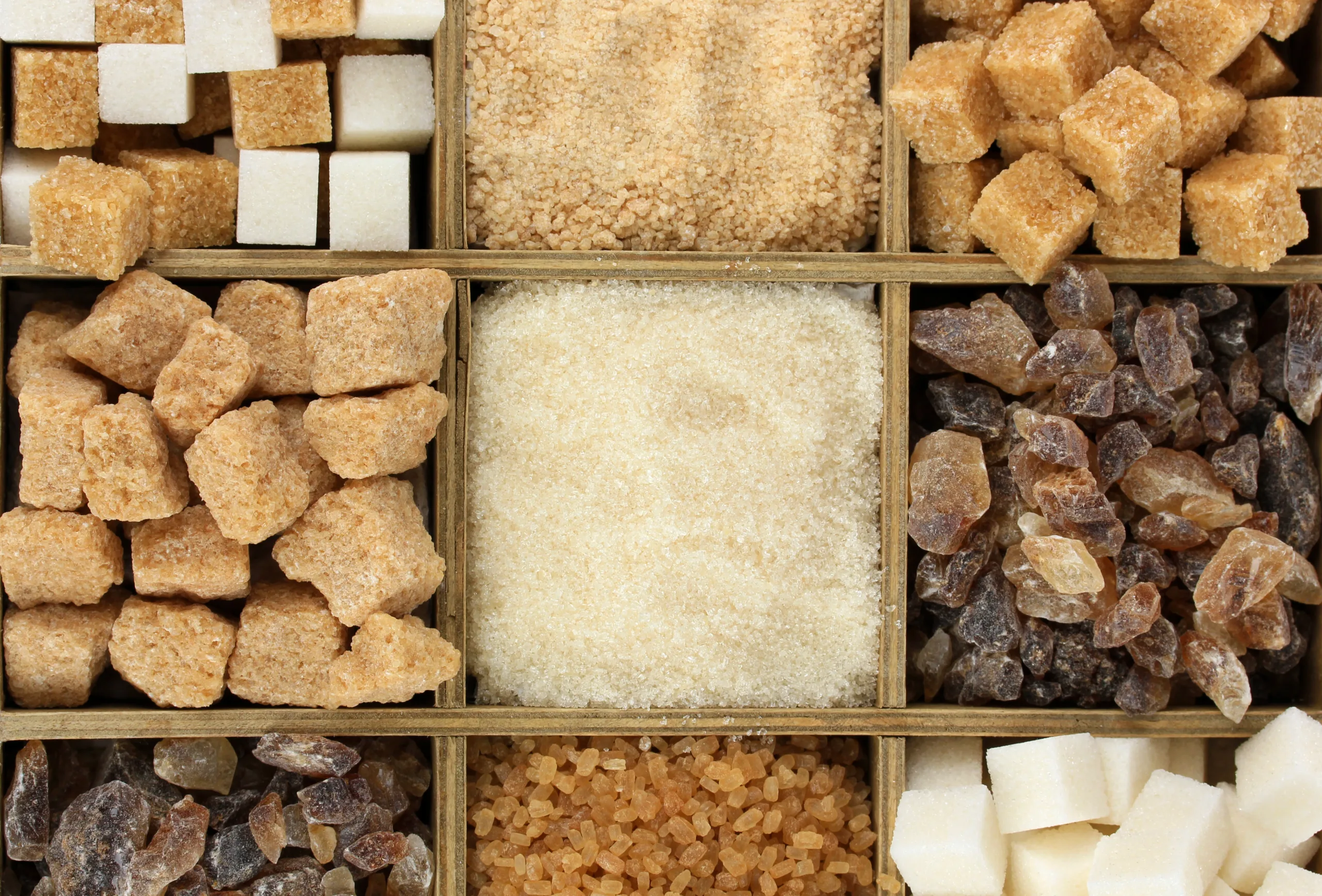
Choosing the Right Sweetener for Your Baking Needs
Without further ado, my top 5 picks for sugars and sugar alternatives are:
- Coconut sugar
- Honey
- Fruit juice concentrate
- Monk fruit sweetener
- Xylitol
Let’s look at why each one made the cut.
Coconut Sugar
Coconut sugar is my pick for the best 1:1 swap for any recipe that calls for regular white or brown sugar. It tastes great and has extra vitamins and minerals in it. It bakes almost the same way as other granulated sugars, so you don’t have to worry about adding or removing extra liquids from your batters. It is also vegan-friendly, unlike white sugar, and it’s also okay in moderation for paleo dieters! Win-win.
Honey
I love baking with honey where I can, as I adore the flavor. It is paleo-friendly in its raw and unpasteurized form and is generally better for you than cane sugar. Honey differs from regular sugar by being absorbed more slowly into the bloodstream, avoiding typical sugar spikes. Nutritionally, honey offers beneficial elements like antioxidants, making it a healthy alternative to cane sugar. When baking with honey, account for its liquid form by reducing moisture content. Swap one cup of sugar for ¾ cup of honey. The flavor of your honey-infused bakes will vary depending on the honey type, with the potential for quicker browning.
Fruit Juice Concentrate or Fresh Fruit
If you enjoy baking but are on the Whole30 diet, opt for fruit concentrates or fresh fruits as natural sugar substitutes. Ensure the concentrates are labeled “no sugar added.” Fresh fruits can boost the fiber content of your baked goods too, helping you feel satiated for longer. Their low to medium glycemic index prevents sudden sugar spikes. When incorporating fruit concentrates or juices into your batter, reduce the additional liquid used. This doesn’t have a hard and fast rule; you will have to eye your batter and add the fruit or concentrate slowly until you reach the right consistency.
Monk Fruit or Luo han guo
For those cutting sugar entirely, here’s one for you. Monk Fruit, often used in Chinese medicine, is found in herbal drinks and desserts like cheng tng. It’s sweet because of mogrosides, which are antioxidants. So, monk fruit sugar alternatives have no calories and don’t spike blood sugar. When using monk fruit sweeteners instead of sugar in baking, stick to equal amounts. It should be noted, though, that most monk fruit sweeteners are sold in a blend with erythritol, which is a sugar alcohol that has the potential to cause digestive upset in some people, especially in larger quantities.
Xylitol
Finally, xylitol is a baking alternative that acts like sugar but doesn’t caramelize. These sweeteners are sugar- and carb-free, which is perfect for those monitoring sugar intake. Xylitol is as sweet as sugar itself, sweeter than sorbitol and mannitol. I have used it in multiple diabetic-friendly desserts, and no one has ever really been able to tell the difference, except for a very, very slight cooling aftertaste. Be careful around your pets, though, as xylitol is toxic to dogs.
Substituting Liquid Sweeteners for Granulated Sugar in Recipes
Liquid sweeteners like honey, maple syrup, and agave nectar can be substituted for granulated sugar in baking recipes, but it’s essential to adjust the proportions of other wet ingredients to maintain the desired consistency. A general rule of thumb is ¾ of a cup of the liquid sweetener for every cup of granulated sugar, and then also add the liquid ingredients a little bit at a time until your batter or dough reaches the desired consistency. It may take some practice!
Storage and Shelf Life of Sweeteners
Most sweeteners have very long shelf lives, provided they are appropriately stored. The best way to store your sweeteners is in an airtight container in a cool and dry place, away from any moisture. There is no need to refrigerate sweeteners unless they are fresh fruit pulps or opened bottles of fruit concentrate.
FAQs
Natural sugars like cane sugar, coconut sugar, and date sugar are popular choices for baking due to their rich flavors and ability to caramelize. These sugars can enhance the taste and texture of baked goods.
Sugar substitutes such as monk fruit sweetener and xylitol are popular choices for individuals with diabetes or those aiming to reduce their sugar intake. These alternatives can help maintain blood sugar levels while still providing sweetness in baking.
In most baking recipes, coconut and date sugar can be used as a 1:1 substitute for traditional sugar. Their unique flavors can add depth to baked goods such as cookies, cakes, and muffins.
Some alternative sweeteners contain additional nutrients and antioxidants compared to traditional sugar, offering potential health benefits when used in moderation.


