
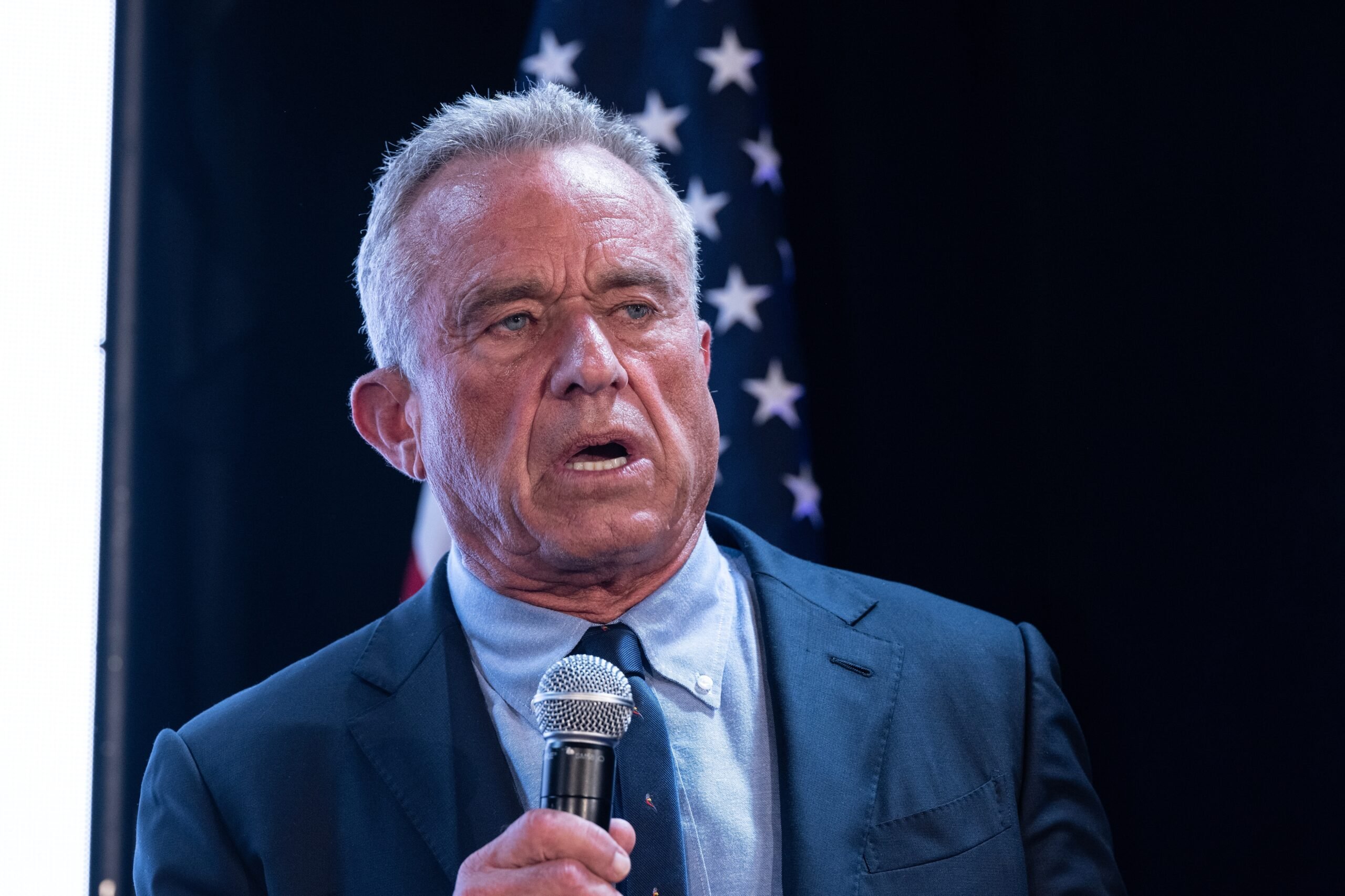
If you haven’t heard by now, the United States Food and Drug Administration (under the guidance of Health and Human Services Secretary Robert F. Kennedy Jr.) is aiming to remove artificial food dyes from manufactured foods and drinks.
What does this mean, exactly?
Follow The Coconut Mama
• For fun lists, healthy living tips, and bar conversation topics, make sure to follow The Coconut Mama. Click here to access The Coconut Mama’s profile page and be sure to hit the Follow button here or at the top of this article!
• Have feedback? Add a comment below!
Shutterstock

These are the food dyes the FDA is calling on food and beverage manufacturers to stop using by the end of 2026:
- Citrus Red 2
- Orange B
- Red 3
- Red 40
- Yellow 5
- Yellow 6
- Blue 1
- Blue 2
They aren’t officially banned YET, but that might happen down the road if companies don’t remove food dyes voluntarily.
Food dyes give foods and drinks a distinct color, but are also in less-obvious sources that aren’t necessarily brightly-colored. Food dyes might be in some of your grocery store staples, and even in some of the foods and drinks served in hospitals…
Shutterstock
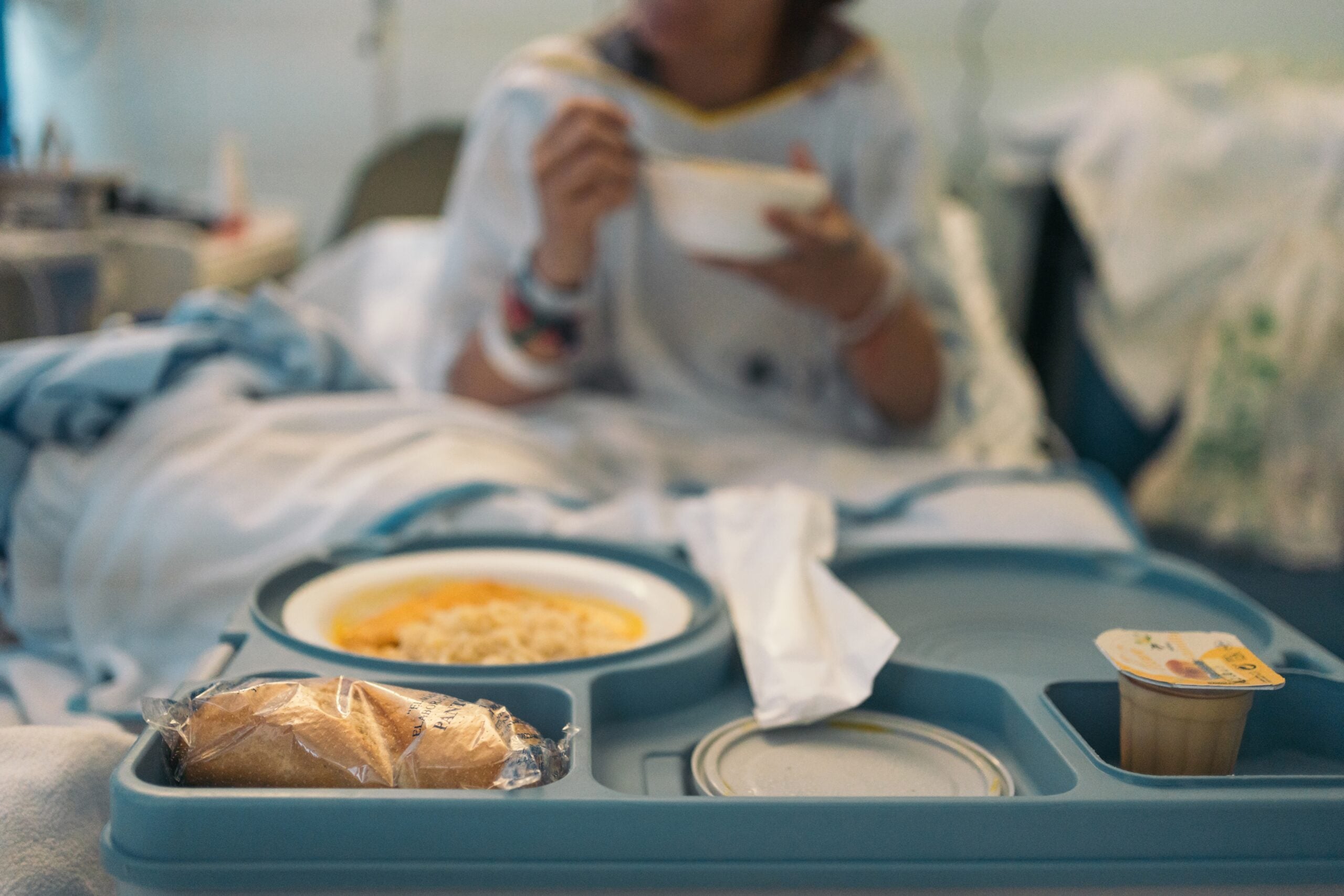
Here’s the deal: hospital food varies depending on the location. Hospitals have contracts with food and beverage suppliers (for instance, Sodexo is a popular hospital food service company), so the ingredients vary across the board.
The foods included in this lineup are those that *commonly* have food dyes added, but some hospitals’ versions of them might not contain any dyes, depending on the brand.
Let’s get started!
Shutterstock
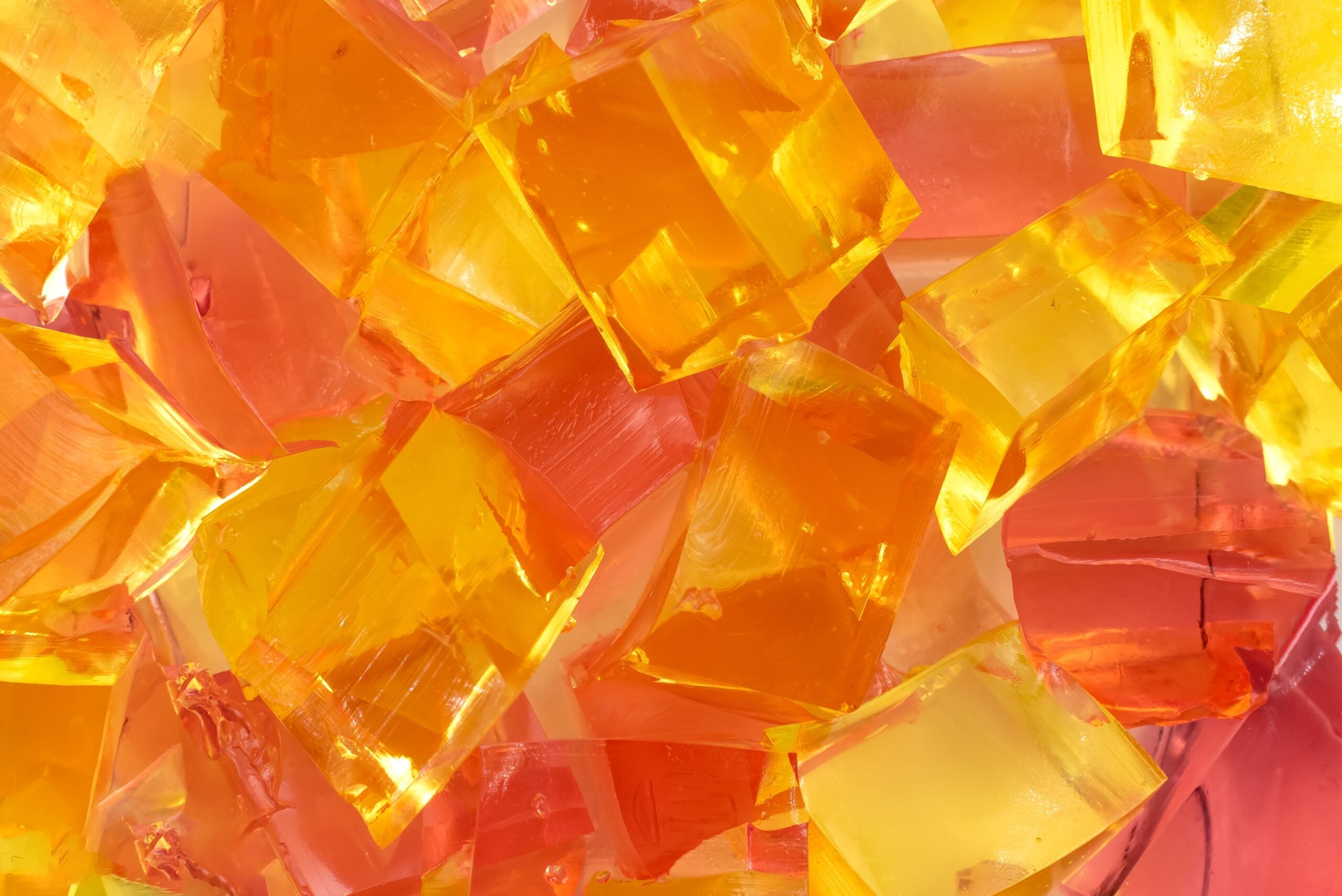
Ahh, one of the stars of the ‘clear liquid diet’ in hospitals. Jello pretty much always contains food dyes like Red 40, Blue 1, and Yellow 6. Removing the dyes wouldn’t impact their flavor – they’re just there for appearance. (Blue raspberry flavor obviously doesn’t exist in real life – it’s all thanks to Blue 1!)
Shutterstock

Some popsicle brands don’t contain added food dyes, but many are colored with dyes. This is the case for both regular and sugar-free popsicles, as well as freezes and slushy-type frozen treats.
Shutterstock

Another clear liquid diet standout, sports drinks (like Gatorade or Powerade) are often found in hospitals. Sports drinks are usually brightly colored to match their flavors. For example, fruit punch flavor usually equals Red 40, orange often has Red 40 and Yellow 6, and blue raspberry probably contains Blue 1.
Shutterstock

Cold cereals can be a source of food dyes. If the cereal has color to it, check the ingredients label for any food dyes. Many companies are switching to plant-based food coloring sources like spirulina for blue and beet juice for red, but there are plenty that still include the to-be-banned dyes.
Shutterstock

Some brands of yogurt are opting for natural colorants, but you can still find food dyes in certain brands of flavored yogurt.
The good news is that you’ll likely see more companies (like Yoplait) switching to natural colorants, like beet juice concentrate instead of Red 40 and turmeric extract for peach shades.
Follow The Coconut Mama
• For fun lists, healthy living tips, and bar conversation topics, make sure to follow The Coconut Mama. Click here to access The Coconut Mama’s profile page and be sure to hit the Follow button here or at the top of this article!
• Have feedback? Add a comment below!
Shutterstock

Condiments like salad dressing and jam/jelly can contain added food dyes. Hospitals offer individual packets of jam.
For instance, Smuckers has announced plans to remove food dyes from its remaining products that use them, such as sugar-free jams, by the end of 2027. (Their regular jam doesn’t contain food dye.)
Shutterstock

Some brands add food dyes to ice cream, but many have done away with dyes. (I’d hope that hospitals opt for dye-free versions, but it’s still a possibility that you might stumble across some with dyes.)
Flavors like cotton candy, birthday cake, and mint chocolate chip are a few examples of flavors that are likely to still contain added dyes. For example, Dreyer’s/Edy’s mint chocolate chip ice cream still contains Yellow 5 AND Blue 1!
Shutterstock
There’s a possibility that other hospital foods can contain dyes in foods and drinks not listed here, but we’ve covered the most common and likely sources.
You can always check to verify by looking at the ingredients label, or asking the hospital staff to provide the brand information so you can look up the information on your own.
Shutterstock
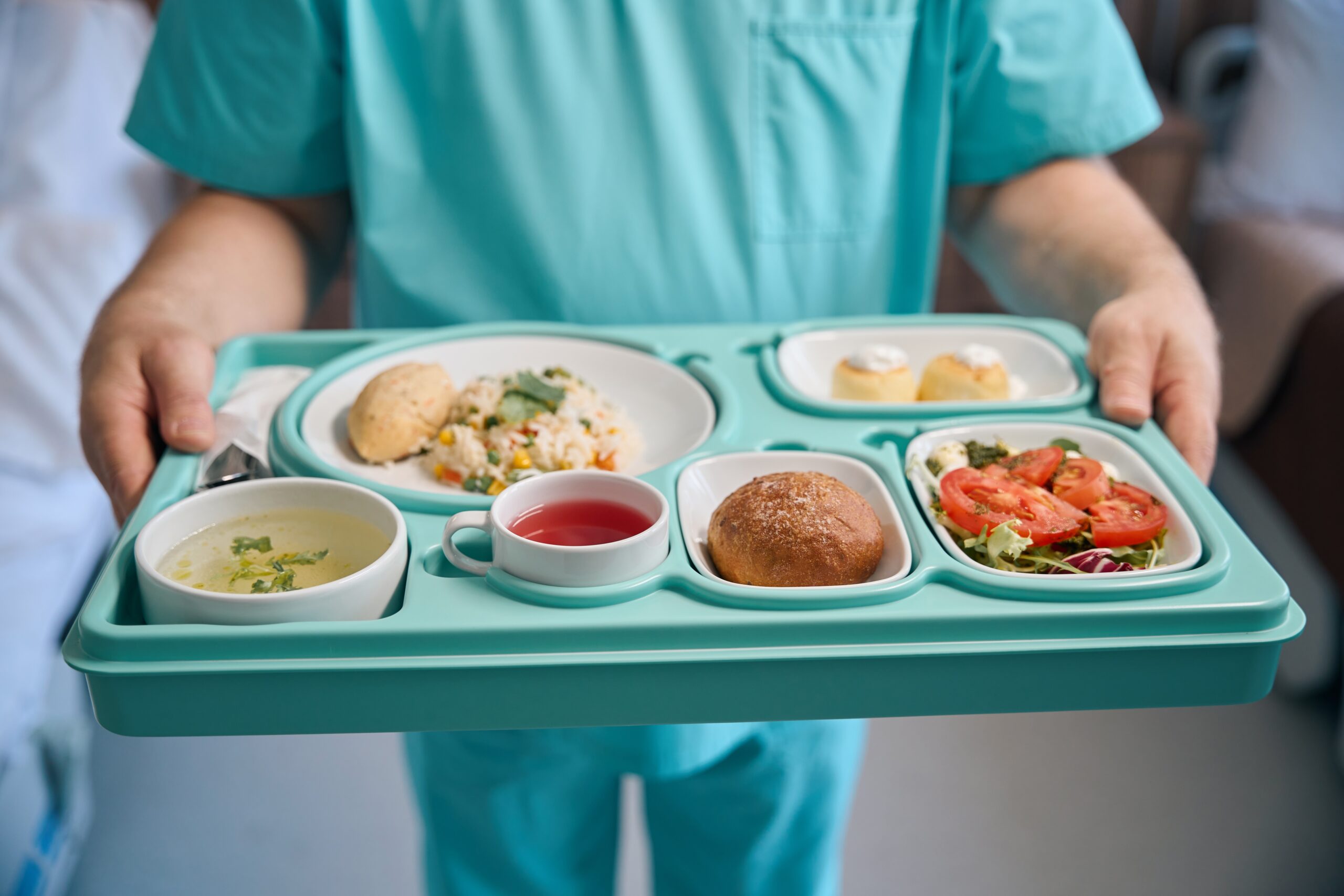
Let’s look at those all again in one place.
Some of the most common hospital foods containing banned food dyes include:
- Jello
- Popsicles
- Sports drinks
- Breakfast cereals
- Yogurt
- Condiments
- Ice cream
I just want to know a few things…
Shutterstock
Which one is the most surprising to you? And the least?
What would you think if you were served food in the hospital containing banned dyes? Share your thoughts in the comments!
Shutterstock





Leave a Comment