

2025 is shaping up to be a rough year for America.
Prices are up, trade is down, unemployment is growing, recession fears are up, and – perhaps most worrisome – lots of factories are closing down.
In fact, seven iconic brands have announced plans to shutter at least one US factory each, often to consolidate operations in other states.
It’s a tough time for sure…
Follow The Coconut Mama
• For fun lists, healthy living tips, and bar conversation topics, make sure to follow The Coconut Mama. Click here to access The Coconut Mama’s profile page and be sure to hit the Follow button here or at the top of this article!
• Have feedback? Add a comment below!
Shutterstock
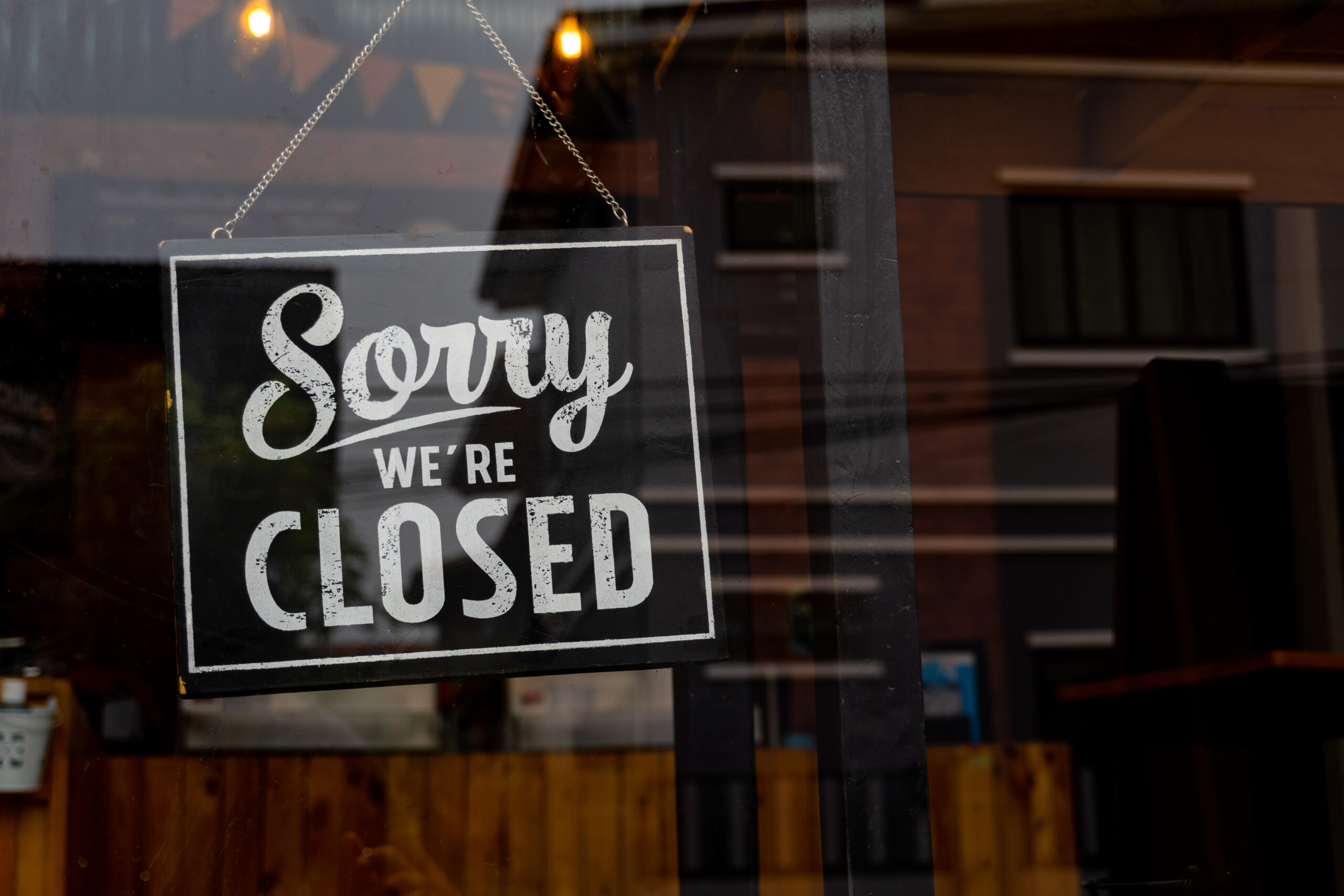
Factories frequently close for one of these reasons:
– Reduced demand –> reduced supply. Let’s face it, if the economy is slowing down, people are buying less stuff, and that means less of it needs to be produced. (This is why you often see factories closing early in a recession.)
– Too old. Legacy factories that were built 50 or 75 or 100 years ago just simply weren’t set up to take advantage of modern automation tech. That means old factories are particularly at risk because they just can’t get the efficiencies of newer builds.
– Change in strategy. As companies try to get smarter about their supply chains, often they decide to downsize or eliminate certain functions – or shift them elsewhere to better line up with the rest of their sourcing. It’s a shame, but it’s definitely something that frequently happens.
– Better deal elsewhere. I’ve observed that some factories play states and localities off against each other, moving around as they get a sweetheart deal from one place, then moving on to another state once they get an even better deal elsewhere.
And of course…
Shutterstock

All of these changes are coming against a tough backdrop:
– Tariffs, which are disrupting trade networks all over the world;
– Concerning consumer sentiment, which may be an early indicator of a recession;
– Inflation (which squeezes producers AND consumers);
– Growing unemployment fears as lots of companies do layoffs;
And more.
Is it any surprise so many iconic brands are pulling back?
Starting with…
Shutterstock
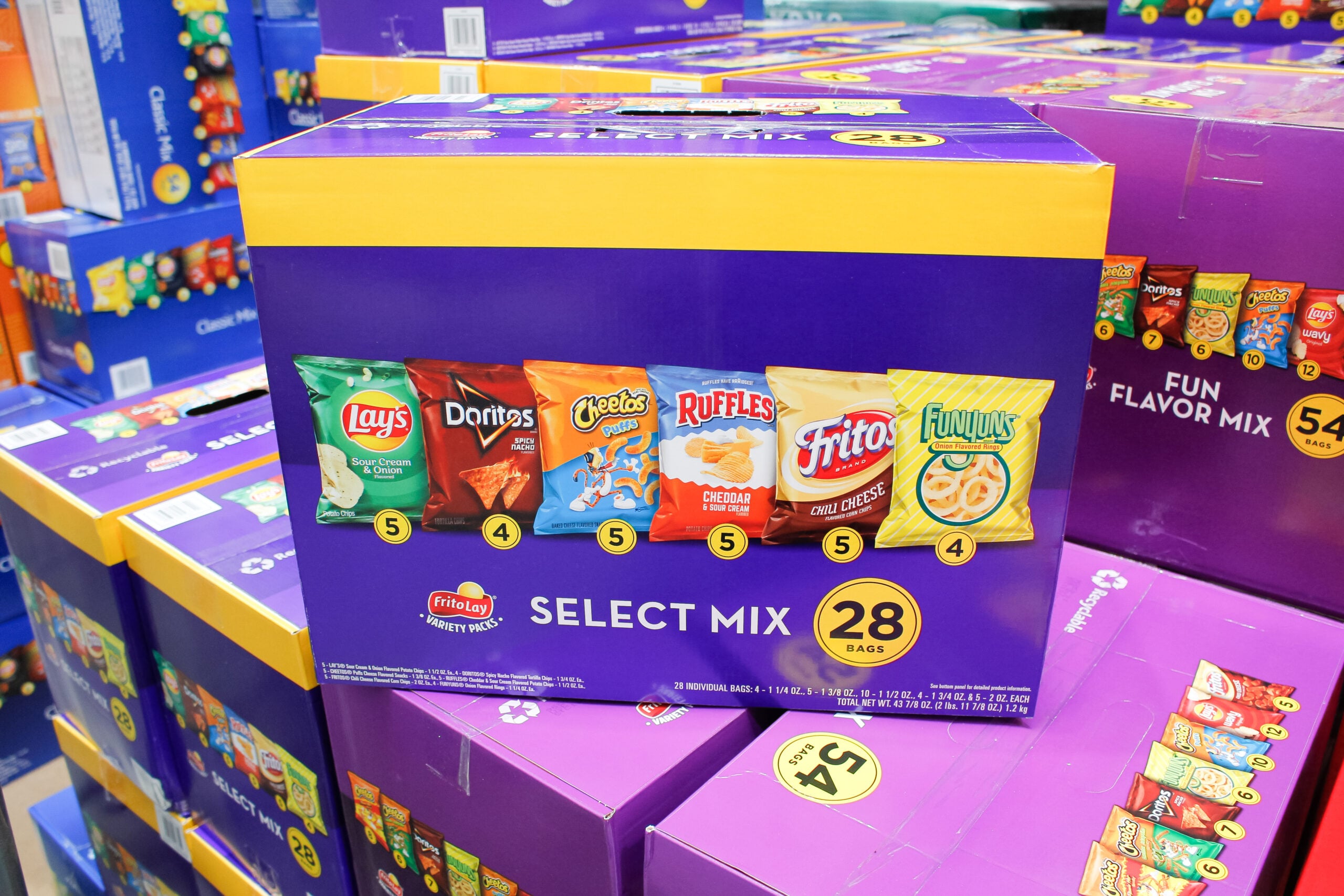
Frito-Lay (which is owned by Pepsico) closed its plant in Rancho Cucamonga, California, just a few days ago.
Pepsi didn’t say why it was closing the plant beyond general “it was too expensive” – but the fact that they’re maintaining the warehouse, transportation, and distribution work at the site doesn’t read to me as a wholesale rejection of California.
Nonetheless, although we don’t have official numbers, reportedly hundreds of people worked there and have now been laid off.
And keep in mind…
Shutterstock
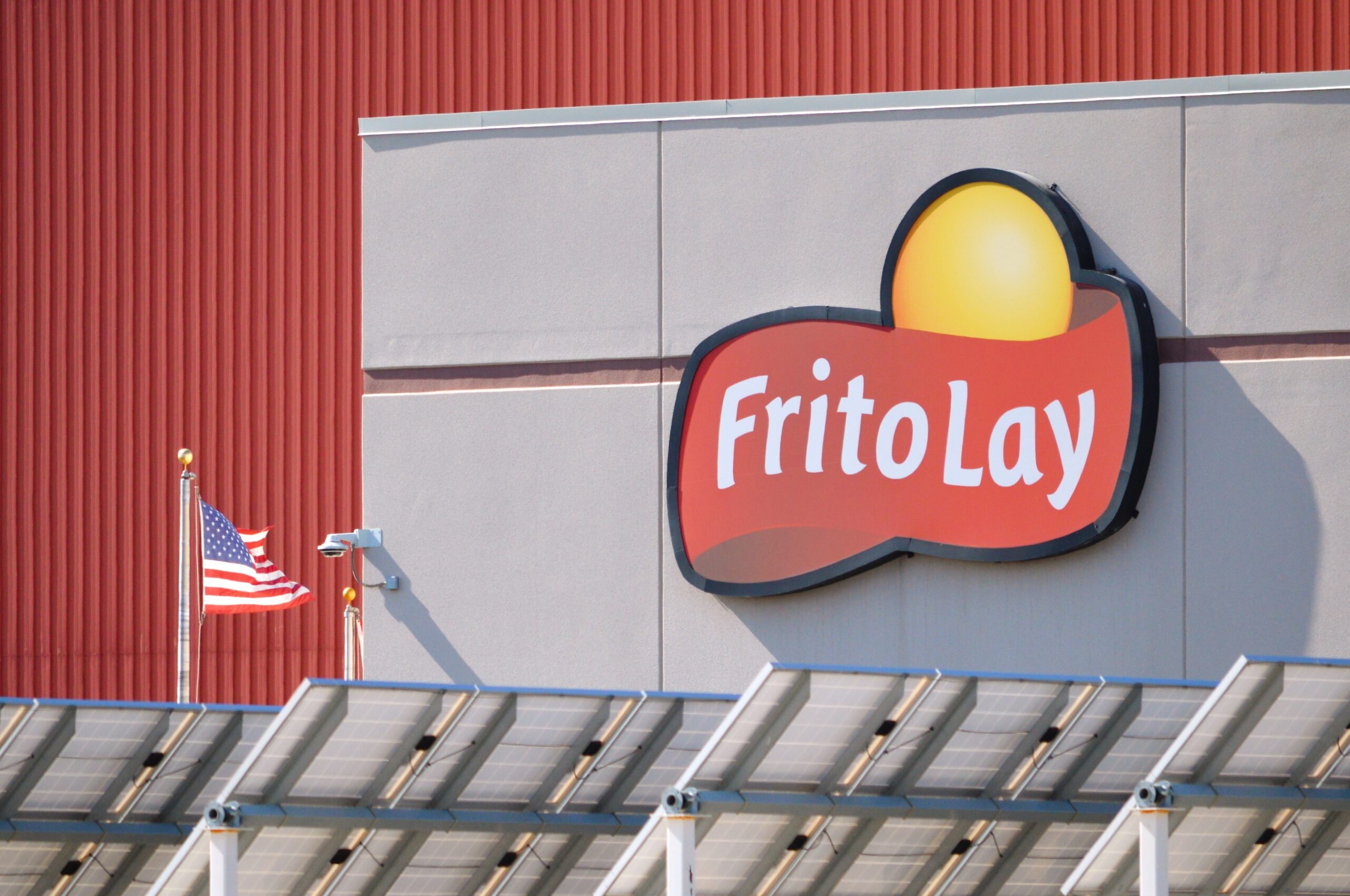
This was a plant that had been active for more than 50 years.
So this was a mainstay of the community for over a generation.
That said, I wonder if that provides us a clue as to the “real” reason the plant closed – at that age, maybe it wasn’t set up for all the efficiency of a newer build, given all the automation technology that has been invented in the last 50 years.
Shutterstock
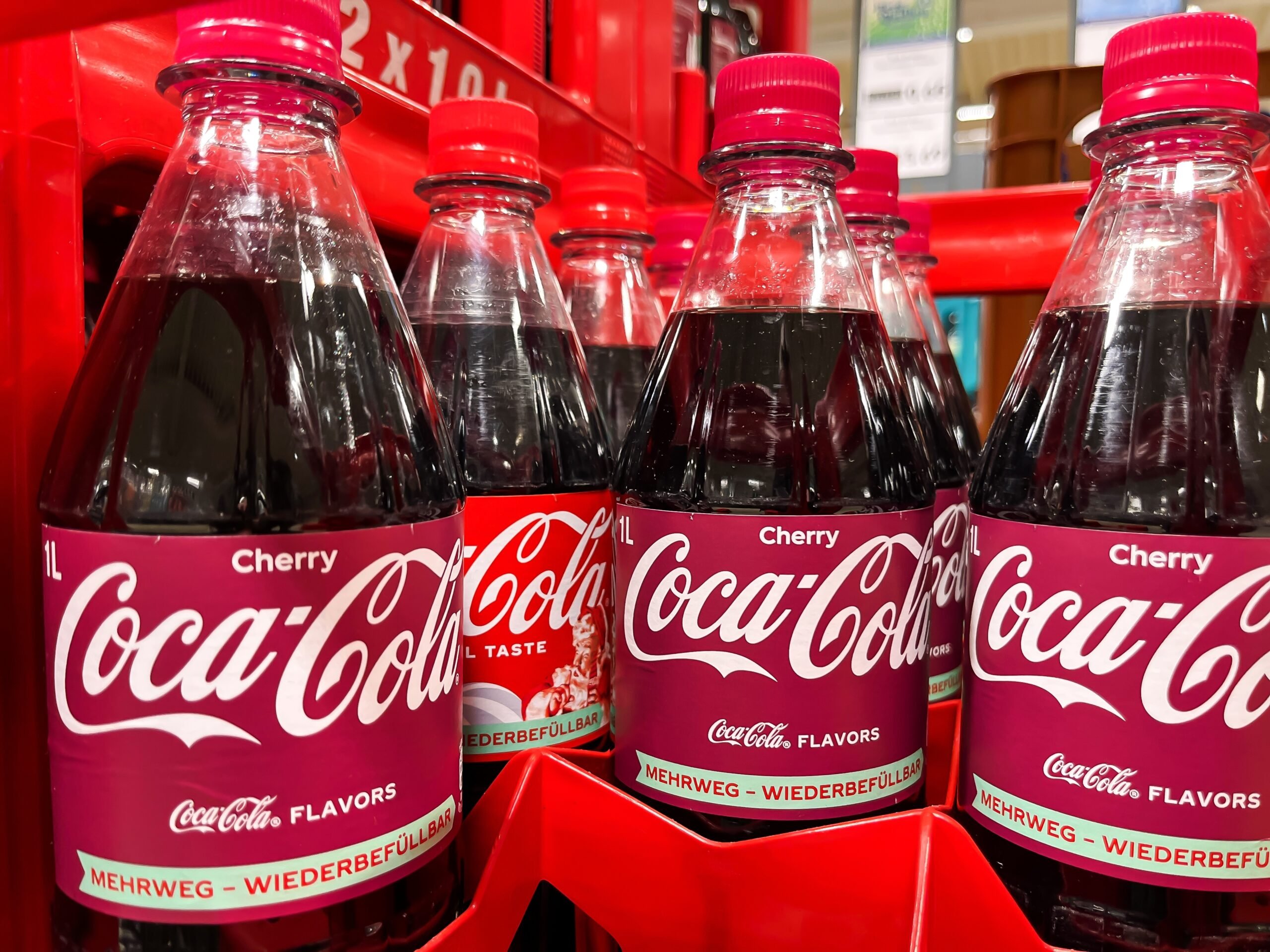
Coca-Cola just announced that it’s closing its bottling plant in American Canyon, California on June 30th – at the cost of 135 good manufacturing jobs.
Unlike Frito-Lay, we don’t have to speculate too hard on why this one happened.
Coca-Cola has been telegraphing for years its intent to outsource more of its logistics and manufacturing operations to third parties, freeing the soda company up to deploy an asset-light business model that should boost margins and enable it be more nimble.
This bottling plant closure fits squarely within that broader strategy.
Shutterstock

Keurig (which is owned by Dr Pepper) closed its Windsor, VA plant earlier this year, to the tune of nearly 400 workers losing their jobs.
This one particularly hurt because it did a “little bit of everything” – it manufactured Dr. Pepper, Keurig K-cups, and Snapple too.
Keurig Dr Pepper (the parent company) is consolidating its manufacturing in Spartanburg, South Carolina – so that’s where at least some of the jobs went, although I doubt Spartanburg gained the full ~400 jobs to compensate.
Shutterstock

PopCorners are a real treat, and it’s such a shame to see their owner (PepsiCo again) ramping down production.
The targeted factory in this case was in Liberty, New York, and resulted in nearly 300 layoffs.
I understand that PepsiCo needs to save money here given all the macroeconomic factories, truly I do – but at what cost?tell me more about
Shutterstock

This one really hurts, because it represents a huge blow to California’s economy.
Spreckels Sugar Company recently announced that it’s closing the last sugar beet refinery in California, at the cost of 400 jobs.
Just to give you a sense of the impact here, this facility processed an estimated 1.3 million tons of beet sugar in 2025 from Imperial Valley farms, which now will have to ship out somewhere else.
What’s more, the facility is ending its warehousing and shipping groups as well, later this year or early next.
That’s going to pinch farmers for sure.
Shutterstock

The J.M. Smucker Company operates Hostess – which, obviously we all know from nostalgic childhood favorites like Twinkies, Zingers, cupcakes, those mini donuts, and so much more…
And unfortunately, Smucker just announced that they’re shutting down the Hostess plant in Indianapolis, Indiana.
This plant had been a mainstay of the community since it originally opened in 1957…and 260 people work there.
What’s worse…
Follow The Coconut Mama
• For fun lists, healthy living tips, and bar conversation topics, make sure to follow The Coconut Mama. Click here to access The Coconut Mama’s profile page and be sure to hit the Follow button here or at the top of this article!
• Have feedback? Add a comment below!
Shutterstock

There isn’t another local Hostess plant that people could transfer to. Hostess operates two factories in Kansas and one in Georgia, but obviously neither of those is driving distance from Indianapolis.
So, unfortunately – it looks like everyone there will probably lose their job when the plant closes in early 2026.
I want to extend my sincerest best wishes to the affected workers – unemployment stinks, especially in this economy.
Shutterstock

Blue Diamond is basically synonymous with almonds (and almond milk) given their total dominance of this market.
Unfortunately, even that dominance couldn’t save the Blue Diamond factory in Sacramento, California, which has announced that it’s closing shortly with 600 manufacturing jobs evaporating.
Just terrible news all across the board.
And again…
Shutterstock
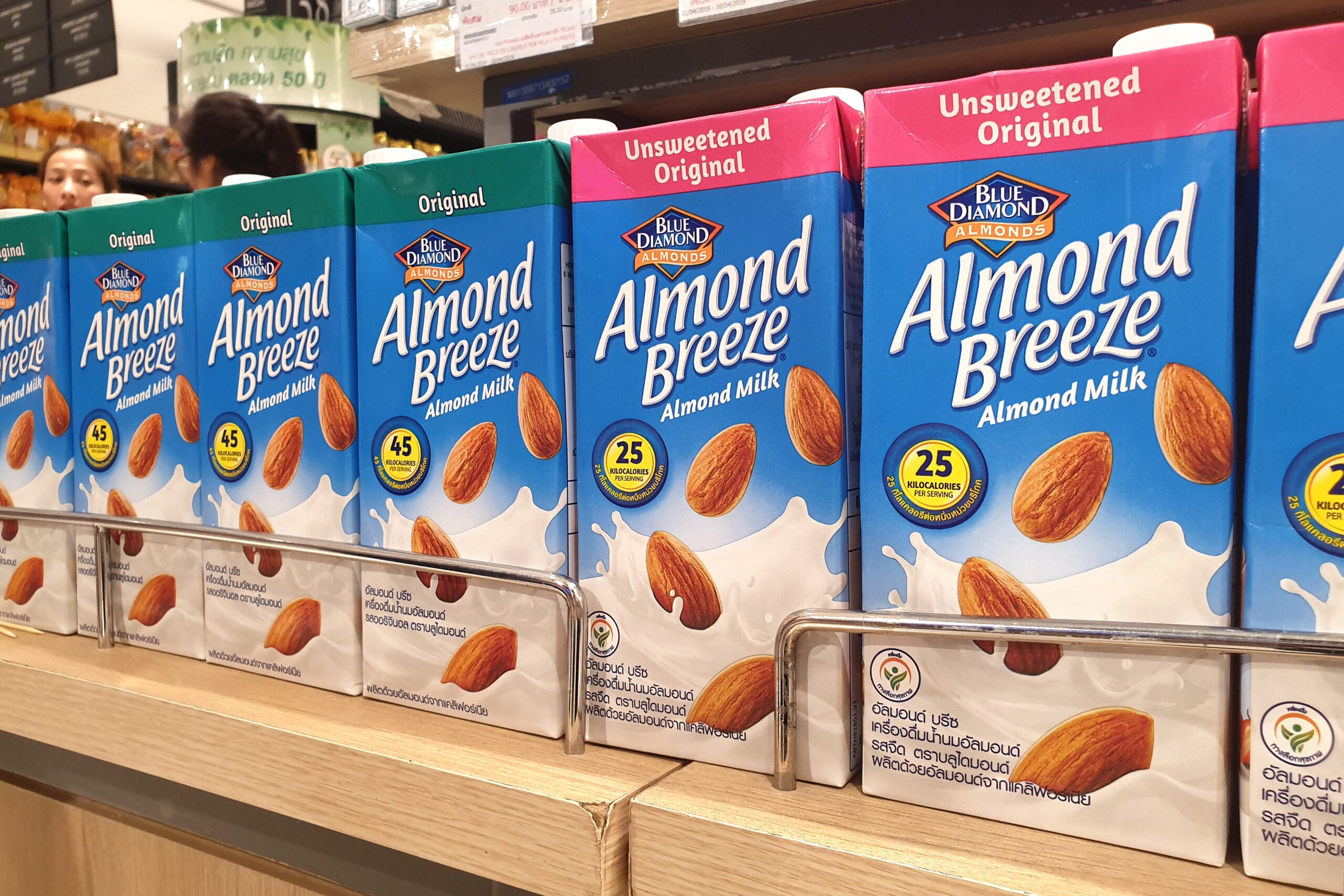
This one looks to be an issue tied directly to the age of the plant – Blue Diamond is a California company and is shifting capacity to two other facilities within the state.
So it’s possible that some of the laid-off workers will be able to pick up jobs elsewhere with Blue Diamond in the state, although obviously that’s cold comfort given the layoffs.
Best wishes to everyone involved.
Shutterstock

So there you have it – seven iconic brands that have recently closed factories in the US…
At the cost of thousands of good US jobs.
Here’s hoping the macroeconomic difficulties everyone is facing cool down so we can stop with the layoffs already!
Are there any local plants you worry could about to close? Let us know in the comments –
Shutterstock


