
In recent years, apple cider vinegar (ACV) has gained popularity as a natural remedy for various health issues, not just for humans but also for animals!
Among its many applications, the use of ACV for chickens has become increasingly common among poultry keepers. From promoting overall health to aiding in digestion and supporting immune function, apple cider vinegar offers numerous potential benefits for chickens.
In this article, I’ll delve into everything you need to know about using apple cider vinegar for your feathered friends.
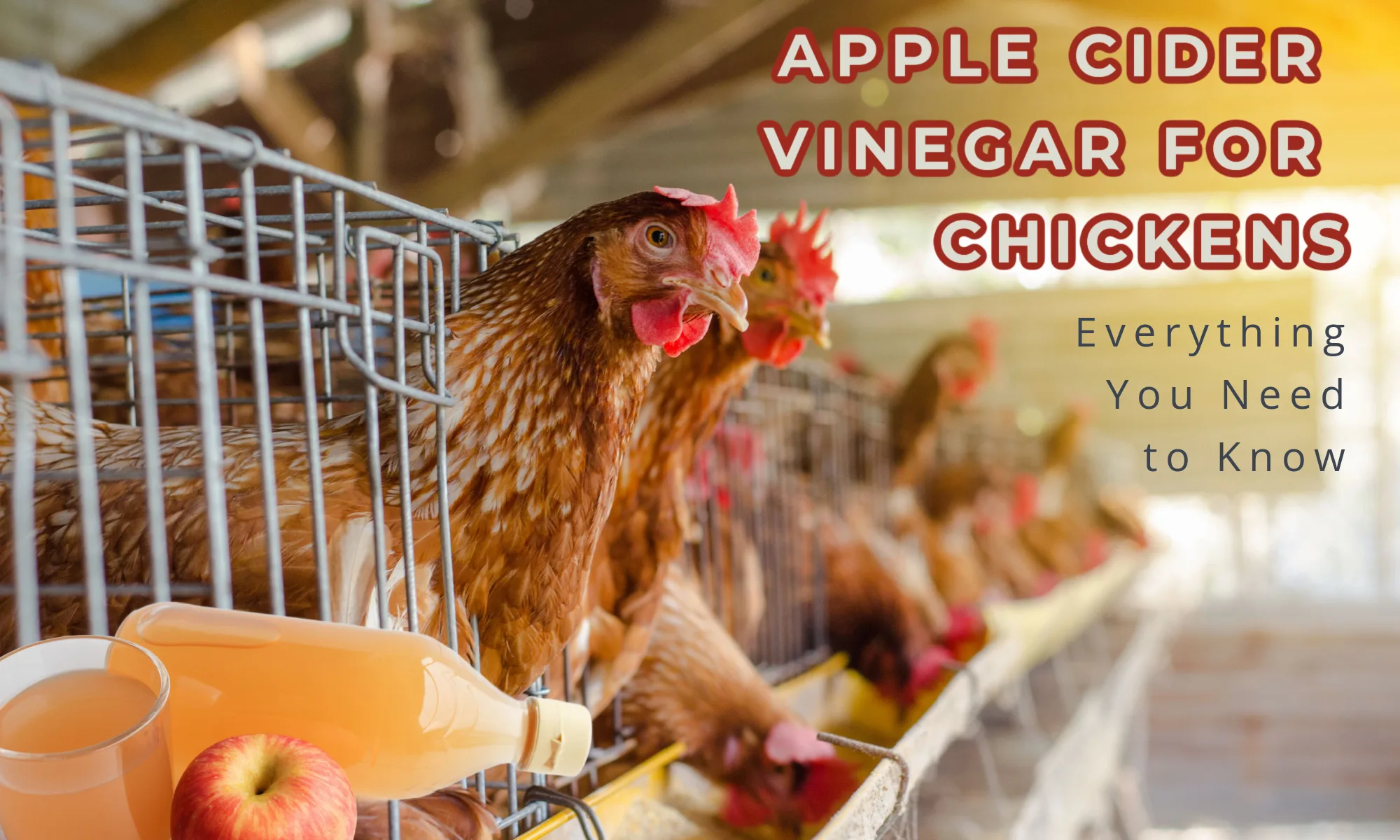
What is apple cider vinegar?
Apple cider vinegar is a type of vinegar made from fermented apple juice.
It undergoes a two-step fermentation process. First, the sugars in the apple juice are fermented into alcohol by yeast. Then, bacteria are added to ferment the alcohol into acetic acid, which gives vinegar its sour taste and strong odor.
Raw, unfiltered apple cider vinegar with the “mother” intact is considered the most beneficial, as it contains strands of proteins, enzymes, and beneficial bacteria.
Benefits of apple cider vinegar for chickens
Apple cider vinegar (ACV) is sometimes used as a supplement for chickens, and while its benefits aren’t scientifically proven, many chicken owners believe it can offer certain advantages.
Here are some of the claimed benefits of apple cider vinegar for chickens:
Digestive health: Apple cider vinegar can help maintain a healthy digestive system in chickens. It acts as a natural probiotic, promoting the growth of beneficial bacteria in the gut and aiding in digestion. This can prevent issues like diarrhea and promote nutrient absorption from feed.
Immune support: The acetic acid and other compounds found in apple cider vinegar have antimicrobial properties, which can help fend off harmful bacteria and pathogens in chickens. A stronger immune system means healthier, more resilient birds less prone to diseases.
Improved feather condition: ACV is sometimes said to improve the quality of chickens’ feathers, making them shinier and healthier-looking. This could be due to the presence of certain nutrients in ACV that promote overall skin and feather health.
Parasite control: There is anecdotal evidence suggesting that apple cider vinegar may have anti-parasitic properties, potentially helping to control internal parasites in chickens such as worms. However, scientific studies supporting this claim are limited.
Water sanitation: Adding a small amount of apple cider vinegar to chickens’ drinking water might help inhibit the growth of harmful bacteria, keeping the water cleaner and fresher for longer periods. This can be particularly beneficial in warm weather when bacterial growth in water sources is more rapid.
It’s important to note that while many chicken owners swear by the benefits of ACV, scientific evidence supporting these claims is limited. Additionally, it’s crucial to use ACV in moderation and to consult with a veterinarian before introducing any new supplements to your chickens’ diet. Overuse or improper administration of ACV could potentially have adverse effects on chickens’ health.
How much apple cider vinegar should you give chickens?
Feeding apple cider vinegar to chickens can offer some potential benefits such as improving digestion, boosting the immune system, and helping to control parasites. However, it’s essential to administer it in moderation and consult with a veterinarian for specific guidance tailored to your flock’s needs.
A common recommendation is to add approximately 1 to 2 tablespoons of apple cider vinegar per gallon of drinking water for chickens. This dilution should be provided on a regular basis, but it’s important not to exceed these amounts as excessive consumption can lead to negative health effects.
Additionally, make sure to use raw, unfiltered apple cider vinegar with the “mother” intact, as it contains beneficial enzymes and nutrients. Always provide fresh, clean water alongside the vinegar solution, and monitor your chickens’ health and behavior for any signs of distress or imbalance. If you have any concerns or questions, it’s best to consult with a poultry veterinarian for personalized advice.
Verdict
Apple cider vinegar can be a valuable addition to your chicken care routine, offering a range of potential health benefits for your flock. From supporting digestion and immune function to promoting feather health and parasite control, ACV has earned its place as a natural remedy in the poultry world. As with any supplement, moderation and quality are key. By incorporating apple cider vinegar responsibly into your chickens’ diet, you can help ensure a healthier and happier flock.
FAQs
The recommended dosage of apple cider vinegar for chickens is typically around 1 tablespoon per gallon of water. However, it’s important to consult with a veterinarian or poultry expert for specific guidance tailored to your flock’s needs.
While some believe that apple cider vinegar can help prevent worm infestations in chickens due to its acidic nature, there’s limited scientific evidence to support its effectiveness as a dewormer. It’s best used as a supplementary measure alongside proper hygiene and veterinary care.
Apple cider vinegar is often touted for its potential antimicrobial properties, which may help support chickens’ immune systems and promote overall health. However, it’s not a substitute for prescribed antibiotics when treating bacterial infections in poultry. Always seek veterinary advice for proper diagnosis and treatment.
Apple cider vinegar may have some repellent properties against external parasites like mites when used as a rinse or spray on chickens and their coops. However, it’s not a guaranteed solution for mite infestations, and thorough cleaning and management practices are essential for effective pest control. Regular veterinary check-ups can help monitor and address any parasite issues in your flock.





Leave a Comment