
Spaghetti is one of the most popular pasta shapes in the United States (along with macaroni). The signature dishes spaghetti is used in are those like spaghetti bolognese (paired with meat sauce and parmesan) and spaghetti and meatballs.
What happens if you’re bored with spaghetti though? Don’t worry, it happens! It’s best to keep variety in your diet so you don’t lose some of the enjoyment of the eating experience.
If you’re bored with spaghetti, consider trying these types of pastas:
- Angel hair pasta
- Bigoli
- Bucatini
- Canule
- Pizzoccheri
Why are these good pastas to try instead of spaghetti – and WHAT are they, exactly? Find out next!

5 pastas to try instead of spaghetti
- Angel hair pasta

If you want a more delicate pasta shape that is long like spaghetti, then angel hair pasta is a great one to try. Also called ‘Capelli d’Angelo’, angel hair pasta is better suited for lighter than heartier meat sauces (like ragu).
If you’re making a dish with a more delicate sauce (e.g. oil-based such as pesto), chicken, seafood, or vegetables (or all of these!), angel hair pasta could be just the type to choose over spaghetti.
- Bigoli
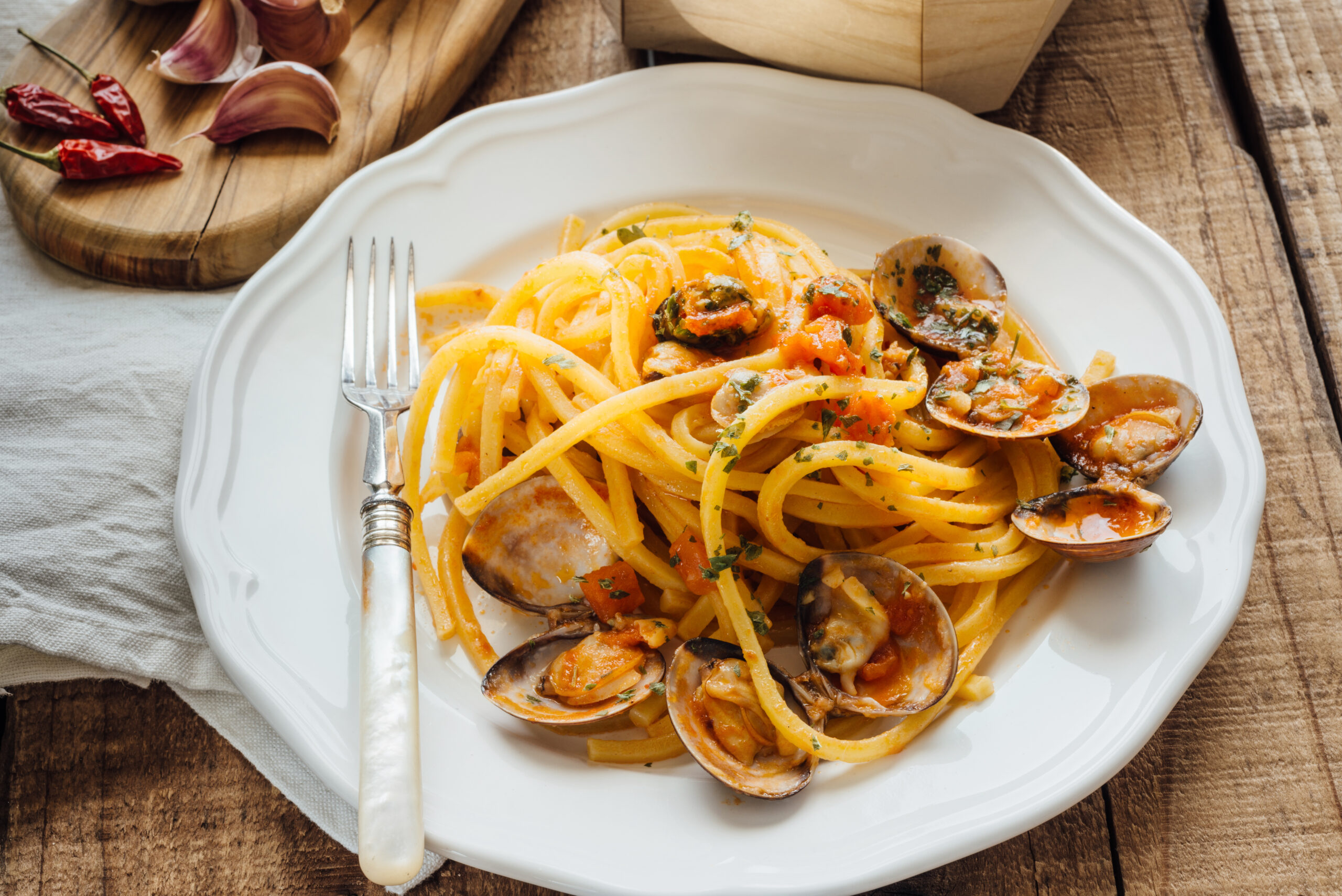
What is bigoli? The main difference between it and spaghetti is that bigoli was traditionally made from soft wheat flour (which is lower in protein and thus gluten) and spaghetti is made from durum wheat semolina. Durum wheat semolina is higher in protein (and gluten) and is the most popular type of flour for making pasta.
However, these days bigoli is typically made with whole wheat or 00 flour (great for making bread and pasta), duck eggs, water or milk, butter, and salt.
How else is bigoli different from spaghetti? The outside of the bigoli is a bit rough, which allows it to hold on to sauce a bit better than smooth pasta. Bigoli is also thicker than spaghetti and sometimes is longer.
- Bucatini
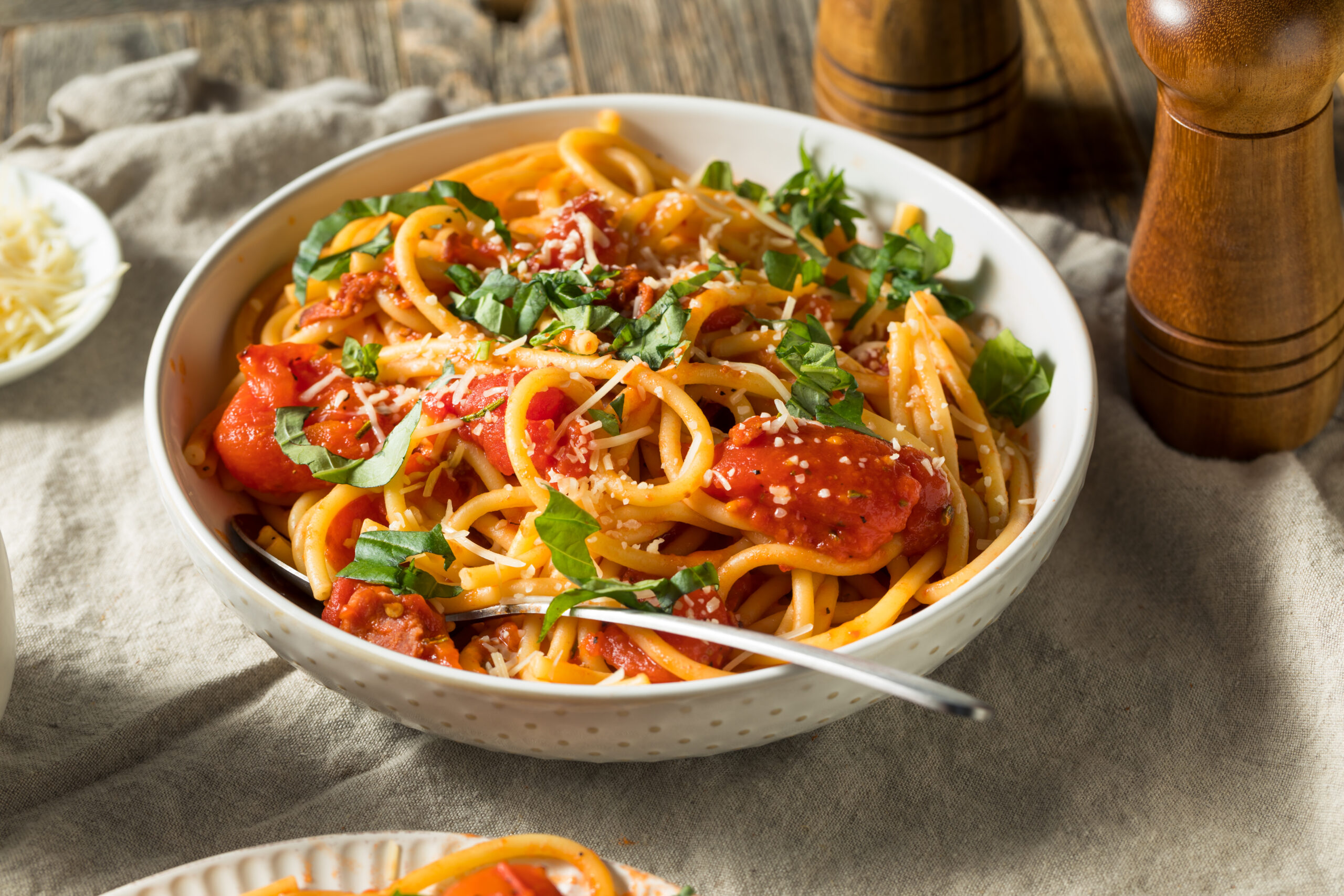
If you want to mix it up from regular spaghetti but don’t want to stray too far, look no further than bucatini. Bucatini pasta is very similar to spaghetti, but it has a hole running through the center, which is great for capturing oil-based sauces (such as carbonara).
Bucatini is the type of pasta used in the signature dish Bucatini all’Amatriciana, which also includes guanciale (a type of cured meat made from pork cheeks), pepper, and tomatoes.
- Canule
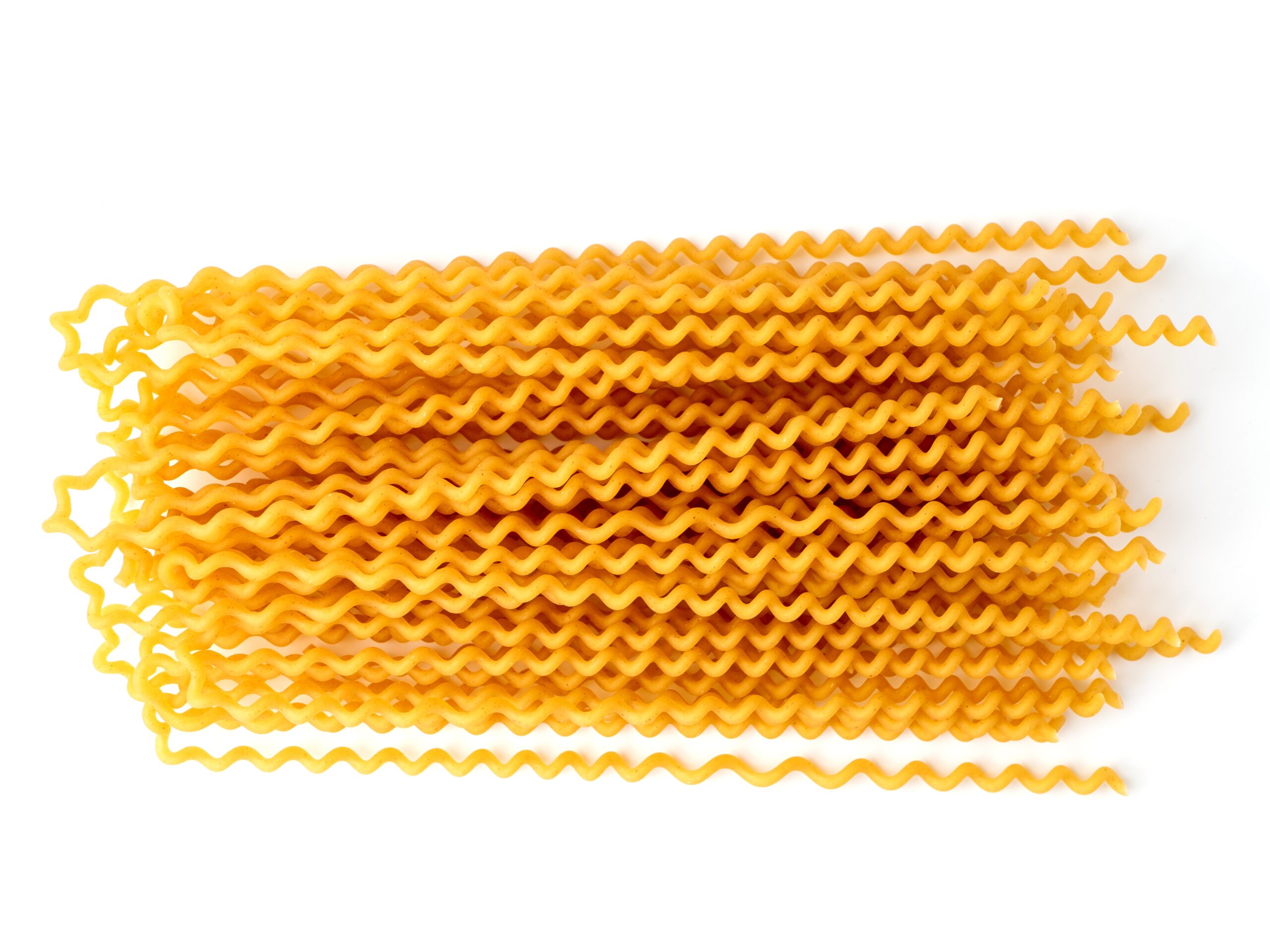
Canule is long like spaghetti, but that’s about where their similarities end. Unlike spaghetti which is thinner and straight, canule has a twisted shape (like a corkscrew) which maintains its shape even after cooking, which allows it to hold on to sauces well!
Canule is especially popular for cooking along with vegetables, such as eggplant.
- Pizzoccheri
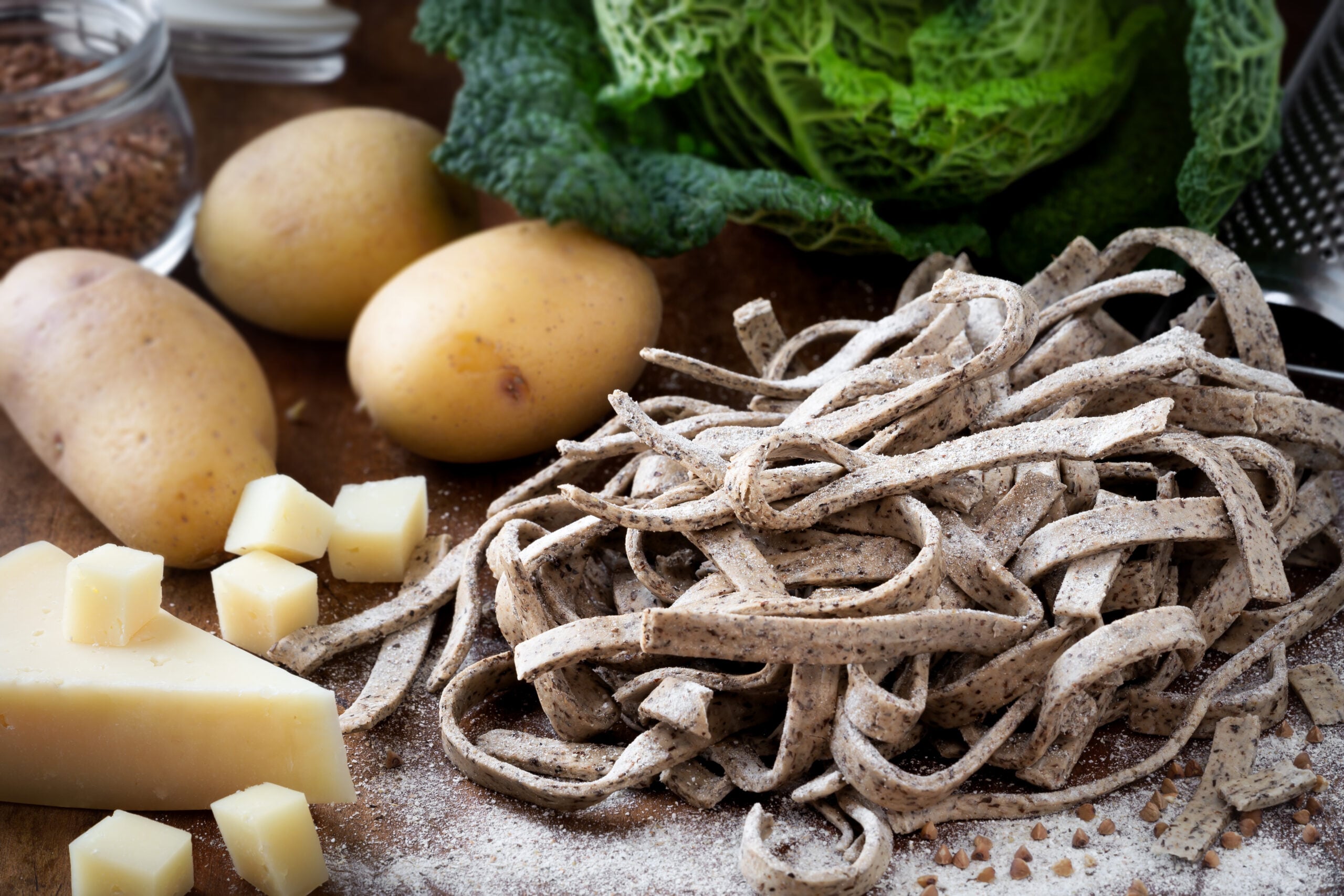
If you want a lower gluten (but not gluten-free) spaghetti alternative, then you might be intrigued by pizzoccheri. Pizzocherri is made with 75% buckwheat flour and 25% wheat flour. Despite its name, buckwheat flour does not contain wheat and is gluten-free, which reduces the overall gluten content of pizzoccheri.
What is pizzoccheri served with? Typically potatoes, butter, cheese, and stewed cabbage, if you’re needing some inspiration!
FAQs:
If you want to spice up your spaghetti, consider swapping out the more traditional ingredients in spaghetti bolognese for others. For instance, use a lighter oil-based sauce instead of ragu (meat sauce), add vegetables, and use a lean protein like chicken instead of meat, which will totally transform the spaghetti!
Some popular dishes to eat with spaghetti include green salads, sauteed vegetables (e.g. zucchini and other types of squash), and buttered garlic bread.
In Italy, it’s not customary to cut spaghetti noodles on your plate. Instead, wrap the noodles around your fork until you have a manageable bite. You won’t get in trouble for cutting pasta – but you might stand out as an obvious tourist if you do!


Leave a Comment