
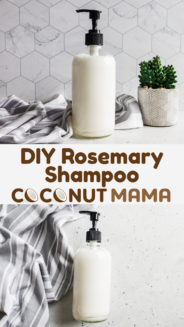
Looking for a homemade rosemary shampoo that supports healthy hair growth? This DIY shampoo is a gentle, conditioning formula designed to cleanse without stripping moisture while helping leave your hair feeling soft, manageable, and refreshed. Perfect for anyone wanting to incorporate rosemary into their natural hair care routine and create a nourishing shampoo from scratch.
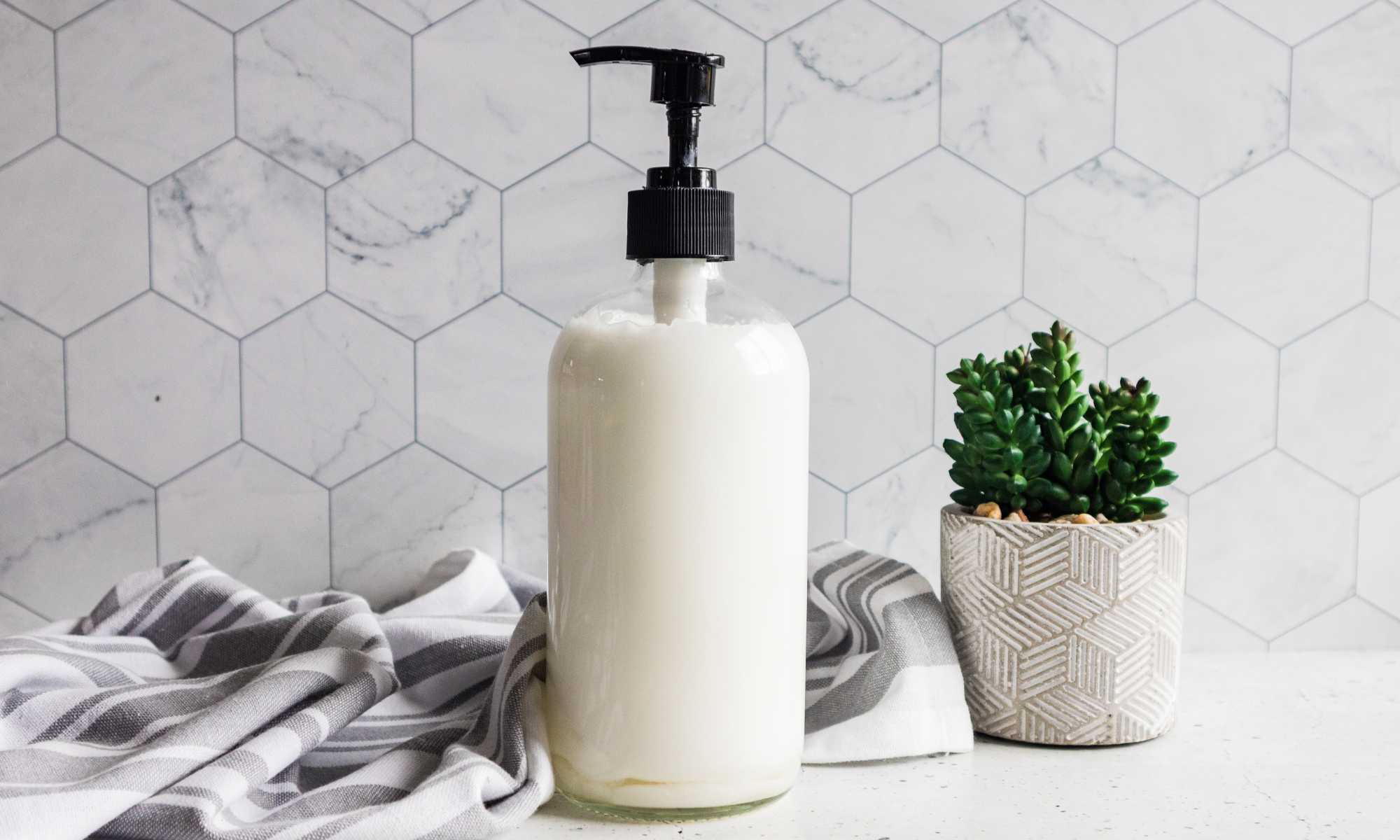
If you’ve been curious about making your own shampoo from scratch, this is a wonderful beginner-friendly formula that uses a proper surfactant system rather than soap. The combination of decyl glucoside, cocamidopropyl betaine, and coco glucoside creates a gentle cleanser that removes buildup without the harshness that some homemade hair cleansers can have.
One of the things I love most about this formula is the conditioning phase. BTMS-50 and cetyl alcohol help give the shampoo a creamy texture and leave hair feeling softer and easier to detangle after washing. Panthenol (pro-vitamin B5) is included to help support moisture retention and improve the feel of the hair.
Rosemary essential oil adds a fresh herbal scent that makes the shampoo feel spa-like and invigorating. While rosemary is popular in hair care, this recipe is primarily designed as a gentle cleansing shampoo rather than a medical treatment.
Because this formula contains water, a broad-spectrum preservative is essential for safety and shelf stability. Be sure to follow the usage rate recommended by the manufacturer of your chosen preservative.
This recipe makes about 8 ounces of shampoo and thickens fully after sitting for about 24 hours. The finished texture is creamy and conditioning, making it especially nice for hair that tends to feel dry, frizzy, or tangled after washing.
Important: This shampoo contains water and must include a broad-spectrum preservative to help reduce the risk of microbial growth. Use clean, sanitized equipment, follow the recommended usage rate for your preservative, and discontinue use if the product changes in smell, color, or texture.
How To Make Rosemary Shampoo
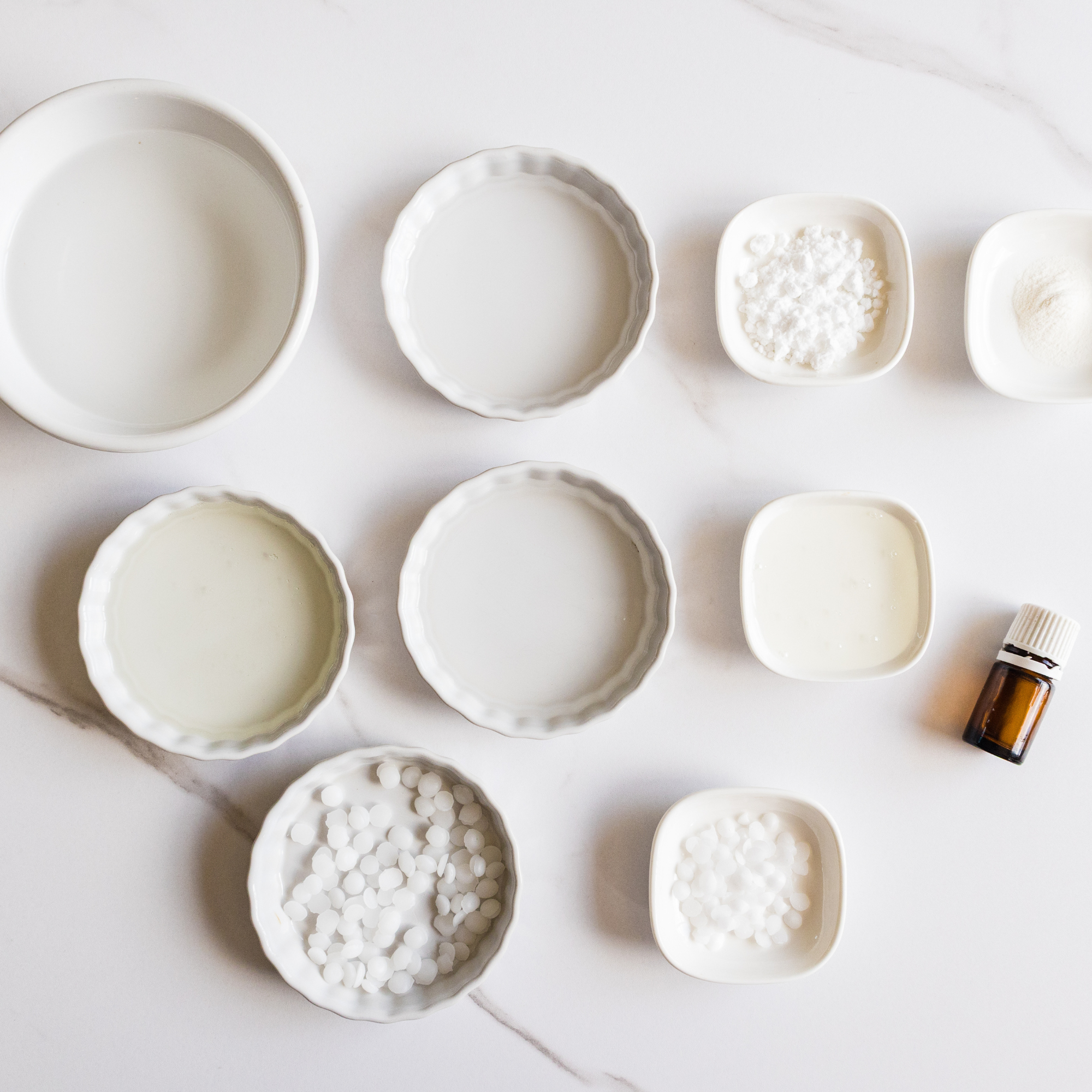
To make this homemade rosemary shampoo, you’ll need distilled water, vegetable glycerin, panthenol (pro-vitamin B5), xanthan gum, decyl glucoside, cocamidopropyl betaine, coco glucoside, BTMS-50, cetyl alcohol, a broad-spectrum preservative, and rosemary essential oil.
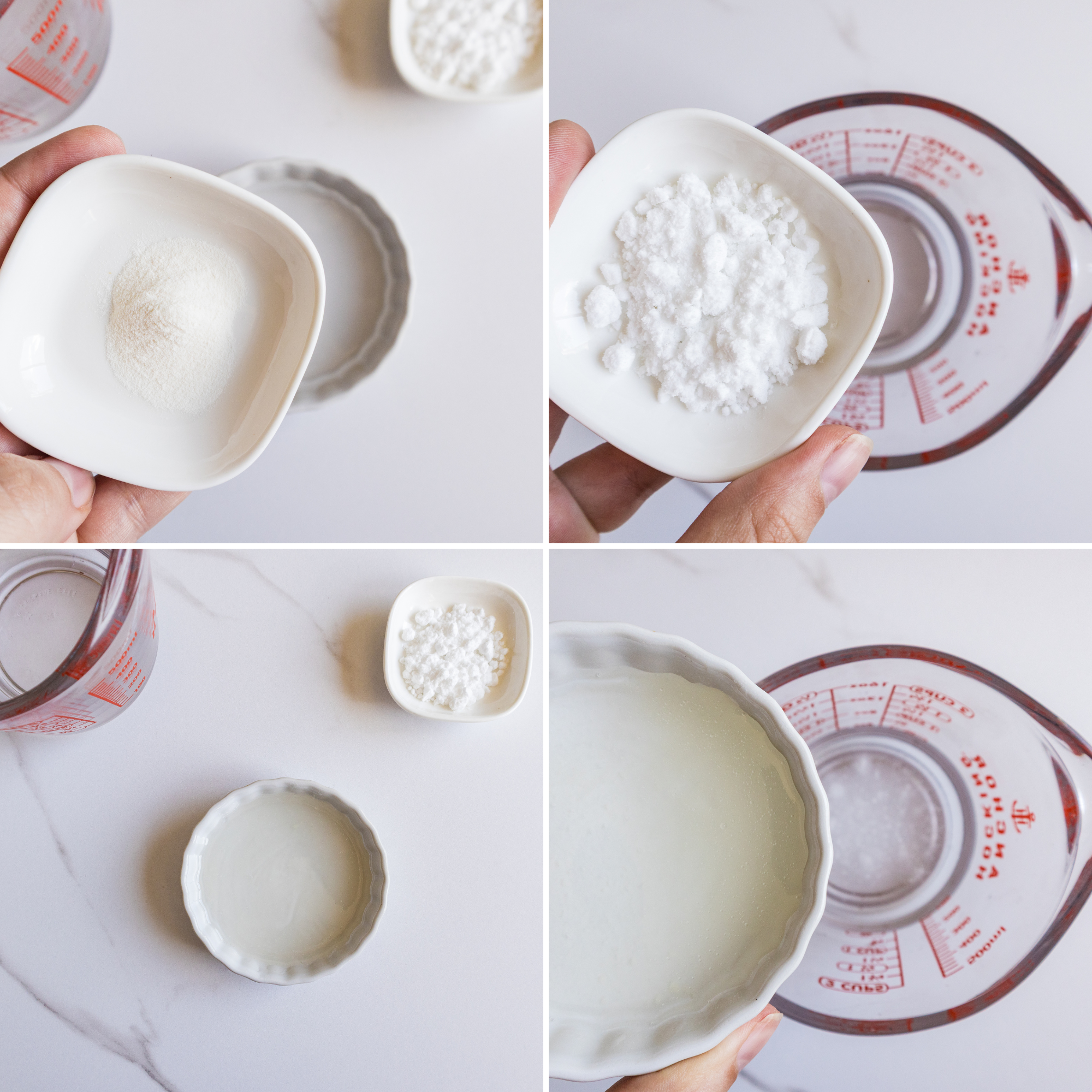
In a heat-safe container, combine the vegetable glycerin and xanthan gum. Mix until the gum is fully dispersed and no dry clumps remain.
Add the distilled water and panthenol to the same container and stir well. This is your water phase.
In a second heat-safe container, combine the BTMS-50 and cetyl alcohol. This is your conditioning phase.
Place both containers in a double boiler and heat them until the conditioning phase is completely melted and both mixtures reach approximately 160–170°F.
Pour the melted conditioning phase into the water phase and mix well until smooth. You can use short bursts of an immersion blender during this step to help create a uniform mixture.
Once the mixture is smooth, gently stir in the decyl glucoside, cocamidopropyl betaine, and coco glucoside. Mix slowly with a spatula or stirring stick to avoid creating excessive foam. Do not use the immersion blender after adding the surfactants.
Allow the shampoo to cool to below 100°F.
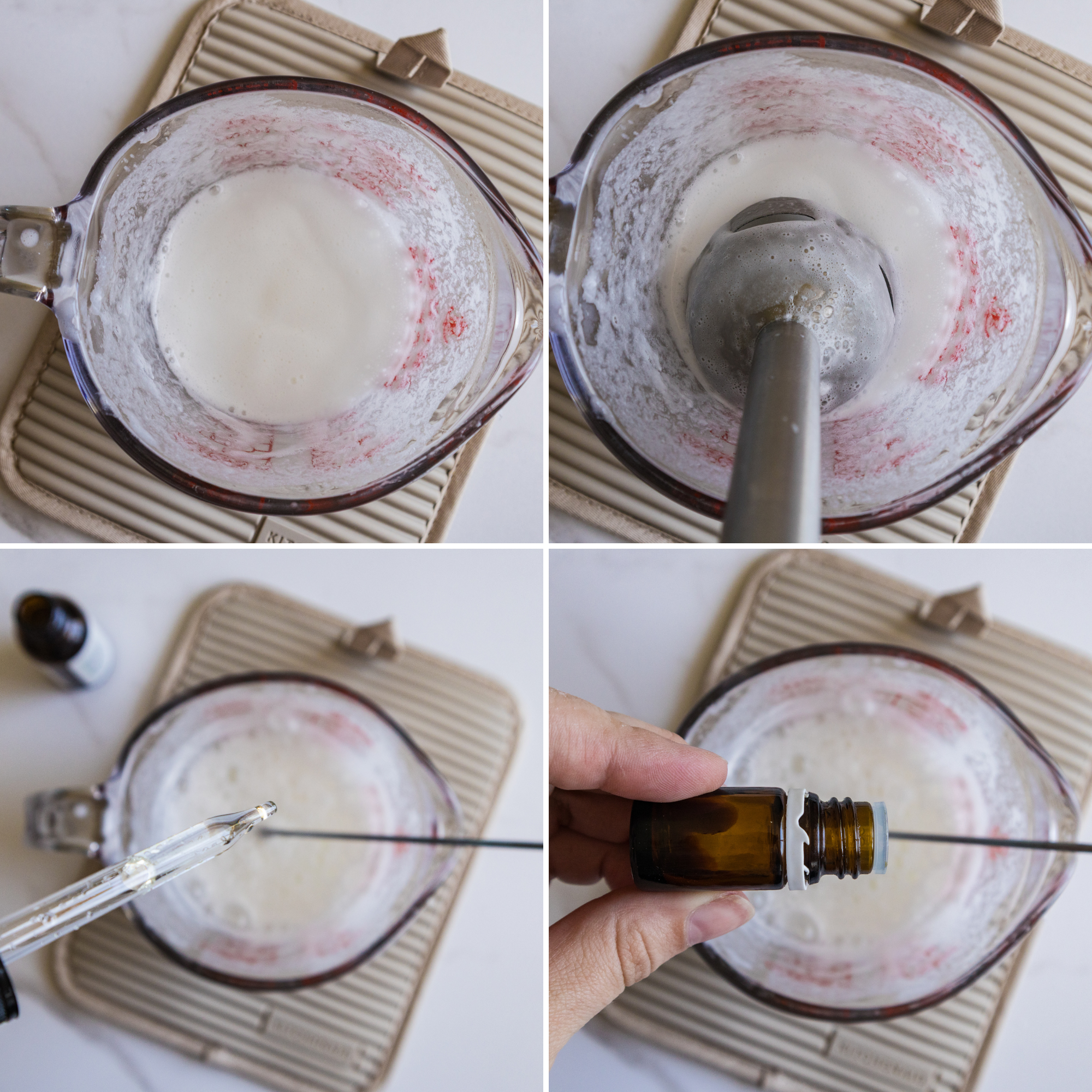
Add your preservative according to the manufacturer’s recommended usage rate, then stir in the rosemary essential oil. Let the mixture sit for about 5 minutes.
Test the pH of the cooled shampoo. If needed, adjust it to a pH of approximately 4.5–5.5 using a diluted citric acid solution.
Pour the finished shampoo into clean bottles and allow it to sit for 24 hours so it can fully thicken before use.
Tips for the Best Rosemary Shampoo
- Sanitize all equipment and bottles before starting.
- Heat both phases to a similar temperature for a smoother emulsion.
- Stir surfactants slowly to minimize bubbles.
- Always add the preservative during the cool-down phase.
- Let the shampoo rest for 24 hours before judging the final thickness.
- Store in a cool, dry place away from direct sunlight.
Frequently Asked Questions
Why do I need a preservative?
Any product that contains water can support the growth of bacteria, yeast, and mold. A broad-spectrum preservative is necessary for safety and shelf stability.
Can I use fresh rosemary instead of essential oil?
Not in this formula. Fresh herbs introduce water and organic material that can affect preservation and stability. Rosemary essential oil is the appropriate choice for this recipe.
What pH should shampoo be?
Most shampoos perform best in the range of about 4.5–5.5, which is generally compatible with the hair and scalp.
How do I lower the pH?
Make a simple citric acid solution by mixing 1 teaspoon citric acid with 9 teaspoons distilled water. Add a few drops at a time to the cooled shampoo, stirring well and re-testing between additions.
Can I substitute the surfactants?
You can, but changing surfactants may affect the lather, thickness, mildness, and overall stability of the formula.
Related:
PrintDIY Rosemary Shampoo
Looking for a homemade rosemary shampoo that supports healthy hair growth? This DIY shampoo is a gentle, conditioning formula designed to cleanse without stripping moisture while helping leave your hair feeling soft, manageable, and refreshed. Perfect for anyone wanting to incorporate rosemary into their natural hair care routine and create a nourishing shampoo from scratch.
- Prep Time: 24 hours
- Total Time: 24 hours
- Category: diy
Ingredients
Water Phase
- 1/2 cup distilled water
- 1 tablespoon + 1 teaspoon vegetable glycerin
- 3/4 teaspoon panthenol
- 1/4 teaspoon xanthan gum
Surfactant Phase
- 2 tablespoons + 1 teaspoon decyl glucoside
- 1 tablespoon + 2 teaspoons cocamidopropyl betaine
- 2 teaspoons coco glucoside
Conditioning Phase
- 1 tablespoon BTMS-50
- 2 teaspoons cetyl alcohol
Cool Down Phase
- Broad-spectrum preservative (use according to manufacturer directions)
- 58 drops rosemary essential oil (about 1/3 teaspoon)
Instructions
- Combine vegetable glycerin and xanthan gum, then add distilled water and panthenol.
- In a separate container, combine BTMS-50 and cetyl alcohol.
- Heat both phases in a double boiler until the conditioning phase is melted and both phases reach 160–170°F.
- Pour the conditioning phase into the water phase and mix until smooth.
- Gently stir in the decyl glucoside, cocamidopropyl betaine, and coco glucoside.
- Cool the mixture below 100°F.
- Add the preservative and rosemary essential oil.
- Test and adjust the pH to 4.5–5.5 if needed.
- Bottle the shampoo and allow it to thicken for 24 hours before use.
Notes
- This formula creates a gentle, conditioning cleanser that works well for dry, damaged, or easily tangled hair.
- Store in a cool, dry place.
- Because this recipe contains water, a preservative is required.
- To lower the pH, mix 1 teaspoon citric acid with 9 teaspoons distilled water and add a few drops at a time to the cooled shampoo until it reaches a pH of 4.5–5.5.






Leave a Comment