
Today, we’ve got two contenders going head-to-head: duck fat and canola oil. It’s a battle between rich, flavorful goodness and a versatile, supposedly healthier option.
Let’s dive in to figure out which one comes out on top!

Comparing duck fat vs canola oil
| Duck fat | Canola oil | |
| Solid or Liquid? | Solid | Liquid |
| Smoke Point (Fahrenheit) | 375 degrees | 225-445 degrees |
| Primary Fat | Monounsaturated | Monounsaturated |
| Taste | Sweet, rich | Neutral |
| Good for Cooking… | Raw, low heat, moderate heat | Raw, low, moderate, and high heat |
| Allergens | Other meat allergies | Rapeseed, canola |
| Gluten-free? | Yes | Yes |
| Keto? | Yes | Yes |
| Paleo? | Yes | No |
| Vegan? | No | Yes |
Differences between duck fat and canola oil
The most obvious difference lies in their source – duck fat comes from rendering the fat on ducks, while canola oil is derived from the seeds of the canola plant.
Duck fat, being an animal fat, possesses a distinct flavor profile, lending a rich and savory taste to dishes. On the other hand, canola oil, being a vegetable oil, has a more neutral taste that allows the flavors of other ingredients to shine through.
Another factor to consider is the type of fat present in each. Both are predominantly composed of monounsaturated fats, but duck fat has more saturated fats than canola oil. This makes duck fat a solid at room temperature and canola oil a liquid.
Baking and cooking with duck fat vs canola oil
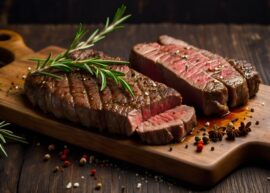
Duck fat is a game-changer in the kitchen. It’s perfect for frying up some crispy chicken, searing a juicy steak, or roasting golden potatoes that melt in your mouth. The rich flavor of the duck fat can elevate your dishes to a whole new level of deliciousness. Just be aware that it’s a denser fat, so use it in moderation.
In my experience, canola oil is better for everyday cooking. It’s versatile and can be used for sautéing, stir-frying, or even making a simple salad dressing. Canola oil also has a higher smoke point compared to duck fat, making it more suitable for high-heat cooking.
Canola oil’s neutral flavor is much more suitable for baking. Whether you’re whipping up cakes, cookies, or bread, canola oil adds moisture, tenderness, and a light texture.
Can duck fat and canola oil be substituted for each other?
It depends on the recipe and desired outcome. If you’re aiming for that distinct, rich flavor that only duck fat can provide, then substituting it with canola oil might not yield the same results.
However, in recipes where the flavor difference is less crucial, canola oil can be a suitable substitute for duck fat, especially if you’re looking to reduce saturated fat intake.
Now, for baking or high heat cooking methods, it’s best to stick with canola oil or another neutral-flavored vegetable oil.
Nutrition: Duck fat vs canola oil
Here’s the scoop: duck fat tends to have more saturated fat, which can mess with your cholesterol.
On the other hand, canola oil is lower in saturated fat and has more of those heart-healthy monounsaturated fats going for it.
But here’s the catch—canola oil is highly refined, which means it might lose some of its good stuff during processing.
Remember, it’s all about balance and making choices that work for you and your health goals!
| Per tablespoon (15mL) | Duck fat | Canola oil |
| Calories | 130 | 124 |
| Polyunsaturated | 4 g | 3.9 g |
| Monounsaturated | 6 g | 8.9 g |
| Saturated | 4 g | 1.0 g |
| Trans | 0 g | 0.1 g |
| Total Fat | 14 g | 14 g |
| Cholesterol | 15 mg | 0 |
The primary fat source is bolded.
How to store duck fat and canola oil
Duck fat, due to its higher saturated fat content, has a longer shelf life and can be stored at room temperature for several months. However, it’s always best to store it in an airtight container away from direct light and heat.
Canola oil, on the other hand, is more delicate and prone to oxidation. It’s best to store it in a cool, dark place and consume it within 6-12 months of opening the bottle to maintain its freshness and flavor.
Duck fat vs canola oil: Which is better
So, which one is better, duck fat, or canola oil?
Personally, I would lean towards canola oil. Its versatility, neutral flavor, and higher smoke point make it a more practical choice for everyday cooking. That said, duck fat undoubtedly has its place in the kitchen, particularly when you’re looking to add a touch of indulgence and a distinctive flavor to certain dishes.
So, in a nutshell, if you’re watching your cholesterol or saturated fat intake, or need something more versatile, canola oil is the safer bet. But if you’re feeling a bit indulgent and want that rich, savory flavor, duck fat might be your guilty pleasure (in moderation, of course!).
FAQs
It depends on the context and your personal preferences. Duck fat is often favored for its rich flavor and ability to enhance the taste of dishes, while canola oil is a versatile and healthier option due to its lower saturated fat content and higher levels of heart-healthy monounsaturated fats.
Not necessarily. While it imparts great flavor, it contains more saturated fat, which should be consumed in moderation.
Canola oil is generally considered a healthier option compared to animal fats due to its lower levels of saturated fat and higher content of heart-healthy monounsaturated fats. However, canola oil, being a highly refined oil, has its drawbacks including the potential loss of beneficial compounds during processing and the possibility of containing traces of harmful chemicals used in the refining process.




Leave a Comment