

Bad news out of Florida – three major factories are shutting down within just a few months, leaving hundreds of workers suddenly out of a job.
We’re talking big names, and long-running, locally important factories that are suddenly…gone.
Florida’s known for being business-friendly, but I guess even the Sunshine State isn’t safe from the economic pressures hitting the rest of the country.
Let’s take a closer look at what’s really going on behind these closures…
Follow The Coconut Mama
• For fun lists, healthy living tips, and bar conversation topics, make sure to follow The Coconut Mama. Click here to access The Coconut Mama’s profile page and be sure to hit the Follow button here or at the top of this article!
• Have feedback? Add a comment below!
Shutterstock

There’s no single cause here, but several powerful economic forces are colliding:
– Tariffs and global trade instability continue to raise prices on raw materials.
– Wage and insurance costs in Florida are climbing, especially in metro areas.
– Businesses are chasing automation and “efficiency”, and often times that means older facilities get cut first.
Plus, Florida’s high real estate demand means some companies are choosing to sell valuable land rather than keep factories going.
Shutterstock

In this case, each company had its own reasoning. One was tightening its supply chain. One was going through a massive global shakeup. Another just decided Florida didn’t make financial sense anymore.
Different motives. Different strategies. But for the workers? That hardly matters.
At the end of the day, it’s still a closed plant, a lost paycheck, and a whole lot of uncertainty about what comes next.
Let’s take a closer look at the three factories Florida just lost…
Shutterstock

TreeHouse Foods – one of the largest private-label food manufacturers in the U.S. – confirmed in March it’s shutting down its Lakeland plant, which had operated for over 20 years.
The facility specialized in making store-brand crackers and snack foods for grocery chains nationwide.
Roughly 130 jobs are being eliminated. Some workers were offered relocation to other plants, but most were laid off entirely by late spring.
Shutterstock

TreeHouse says the move is part of a larger “network optimization plan.”
Basically, the company is streamlining its operations, and Lakeland didn’t make the cut.
Despite the plant’s solid track record, TreeHouse is shifting production to a newer, more automated facility in Indiana. It’s all about reducing overhead and boosting long-term margins.
To many in Lakeland, it feels like a cold corporate decision – one that prioritizes shareholder returns over local roots.
Shutterstock
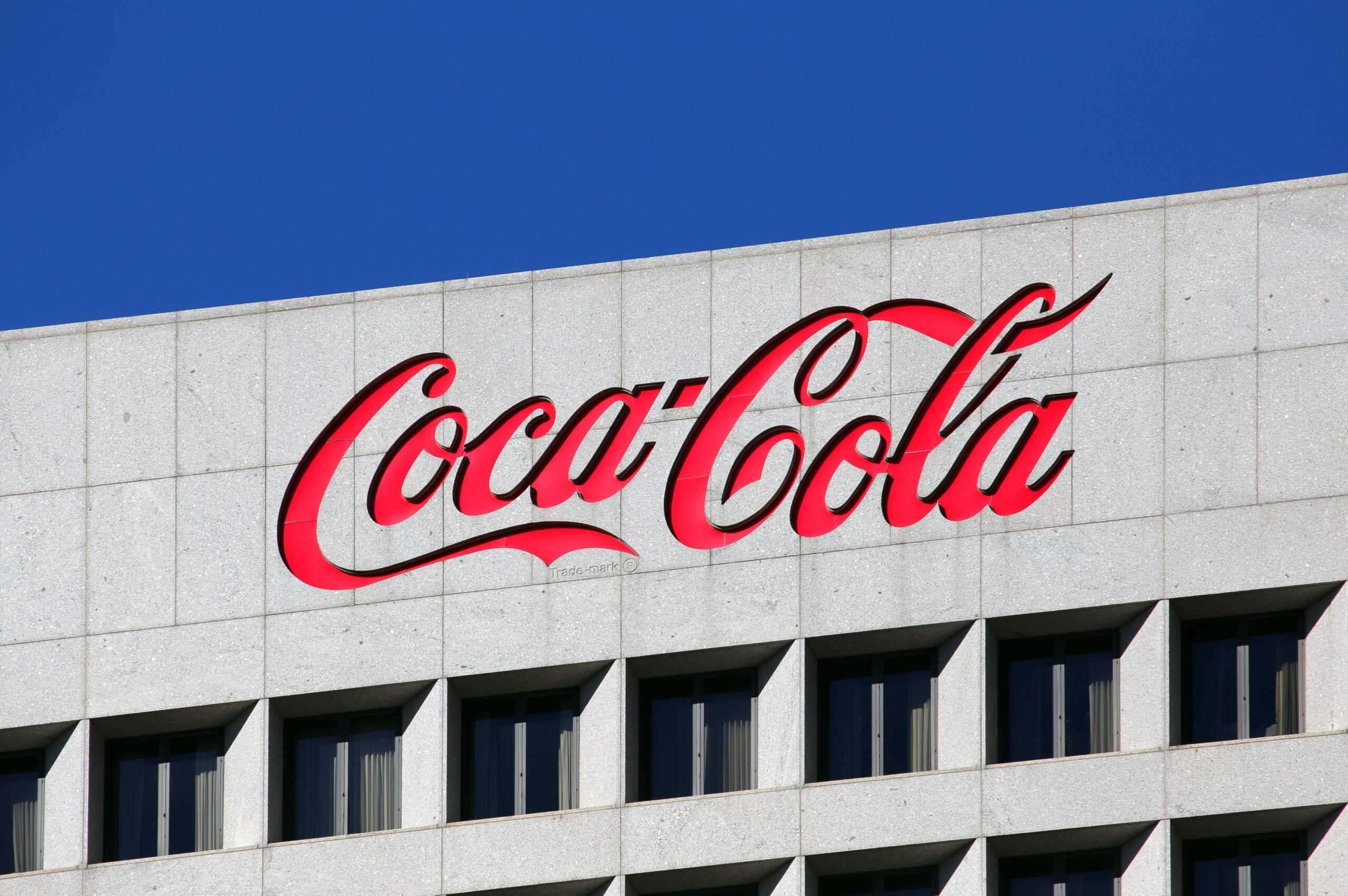
In early April, Coca-Cola Beverages announced it will close its bottling and distribution center in Jacksonville – a nearly 80,000-square-foot facility that’s served the region for decades. This sounds strangely similar to what happened in California…
Roughly 110 workers are being impacted, many of whom have spent their entire careers at the plant.
The facility had handled packaging and distribution for dozens of Coke products across Northeast Florida.
Shutterstock

While Coca-Cola didn’t explicitly cite real estate value, many suspect it played a role.
The plant sits on a coveted industrial lot near key transit corridors, and Jacksonville’s commercial real estate market is red-hot.
Officially, the company says it’s consolidating operations and leaning more heavily on outsourced bottling partners. But for longtime employees, the message is clear: the land is worth more than the jobs it once supported.
Shutterstock

Jabil, a Fortune 500 electronics manufacturer headquartered in Florida, announced in late April that it’s closing one of its major facilities in St. Petersburg – not far from its corporate HQ.
Roughly 280 jobs will be cut as the plant winds down operations.
The site had supported Jabil’s electronics assembly and logistics operations for various consumer, healthcare, and industrial clients.
Follow The Coconut Mama
• For fun lists, healthy living tips, and bar conversation topics, make sure to follow The Coconut Mama. Click here to access The Coconut Mama’s profile page and be sure to hit the Follow button here or at the top of this article!
• Have feedback? Add a comment below!
Shutterstock

Despite being Florida-born and bred, Jabil is shifting more of its production overseas and into centralized hubs.
The company is in the middle of a global restructuring effort aimed at increasing profitability, and even its home base isn’t off-limits.
Sources say the St. Petersburg facility lacked the space and infrastructure needed for next-gen tech assembly. Instead of upgrading, Jabil chose to shutter and move on.
Shutterstock

So is this a Florida problem?
Not necessarily, but it’s part of a larger national trend. Companies everywhere are:
– Cutting costs through consolidation
– Offloading older properties
– Relying more on automation and outsourcing
– Prioritizing return on investment over local impact
That’s a tough pill to swallow for communities that helped build these companies, and now have little to show for it.
Shutterstock

So there you have it – the three major factories Florida lost within a few months.
Every closure has its own reasons, but together they underscore a sobering truth: no state is safe from the economic shake-up sweeping across the country.
What do you think – is this a warning sign of more to come?
Drop your thoughts in the comments!
Shutterstock


Leave a Comment