

Wheat is a vital cereal grain for the world. In fact, it’s the second-most-produced cereal grain for human consumption (as opposed to feed for animals) worldwide.
However, due to increased competition and less demand from other countries, United States wheat farmers are having to do the unthinkable – abandon some of their scheduled crop shipments.
Follow The Coconut Mama
• For fun lists, healthy living tips, and bar conversation topics, make sure to follow The Coconut Mama. Click here to access The Coconut Mama’s profile page and be sure to hit the Follow button here or at the top of this article!
• Have feedback? Add a comment below!
Shutterstock
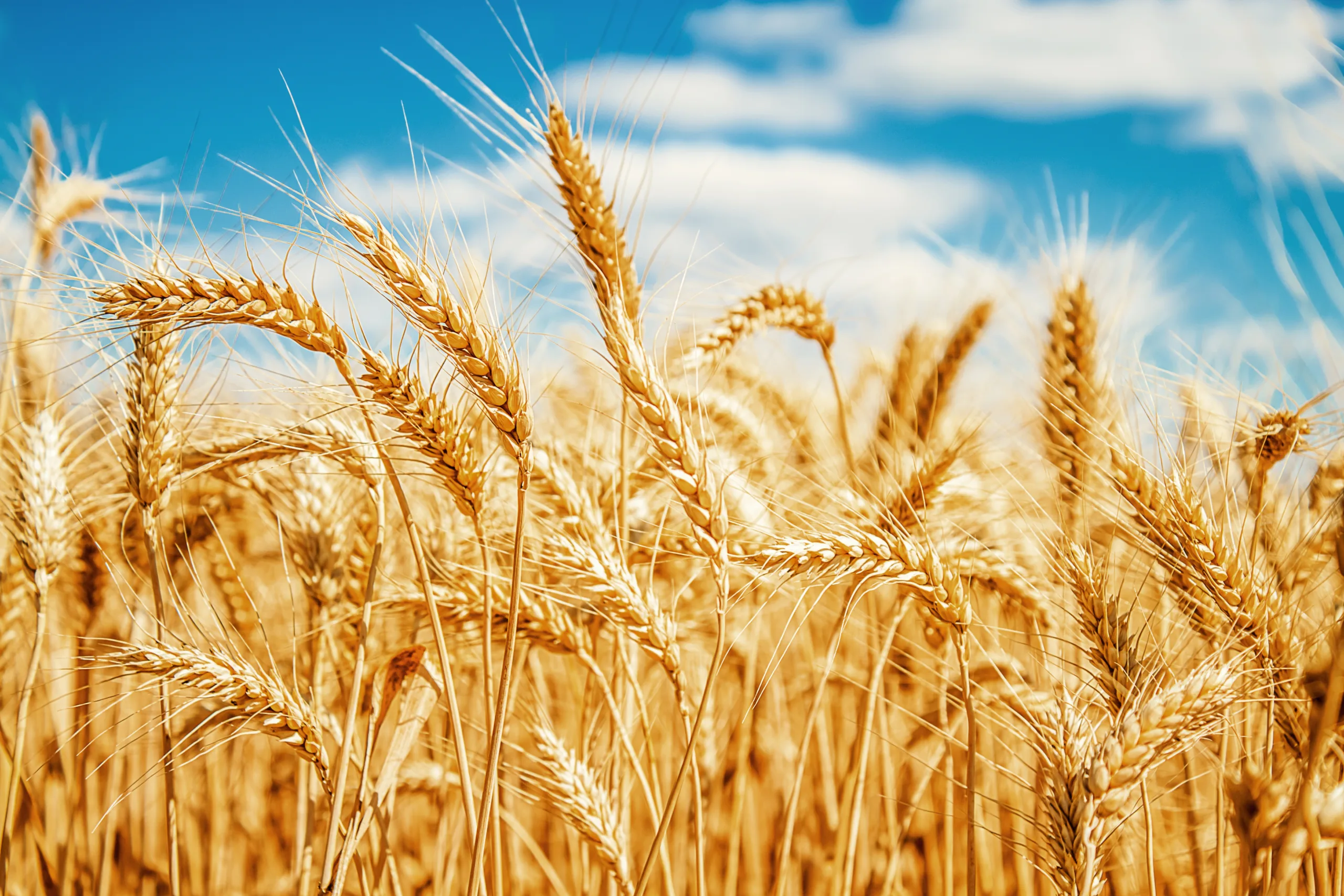
According to the United States Department of Agriculture (USDA), wheat planting peaked around 1981 in the United States. Since then, the amount of land used to plant wheat has decreased by 42 million acres, and production is down by around 800 bushels.
Shutterstock

Russia is on top as the leading global exporter of wheat. Market experts confirmed this year that Russia removed its previous minimum price recommendation, so it can sell wheat cheaper to other countries. Canada and Australia are also producing more wheat to add to the competition.
Shutterstock

While Russia is the top exporter of wheat, China has the #1 spot as global wheat producer, representing around 17% of global wheat production.
When China’s demand for wheat exceeds its production, it buys wheat from other countries (like the United States). However, China cancelled over 500,000 tons of wheat shipments that were previously scheduled to ship out from the United States…
Shutterstock

Andrew Whitelaw, an agricultural consultant, said this about China’s wheat order cancellation: “Whether they are doing it to buy again cheaper or because there’s less demand, it is still a bearish view on the market.”
(A bearish outlook means stock prices are predicted to decline.)
Shutterstock

According to Bloomberg reporter Hallie Gu, “China has moved to diversify its sources of grains in recent years, and has shifted to buying more Brazilian soybeans as the trade war sparked by President Donald Trump’s tariffs makes purchases of US crops unviable.”
So there’s another factor – tariffs and trade wars.
Shutterstock

Ukraine’s soil is very fertile and grows wheat easily, which typically makes it a top producer of wheat. However, due to disruptions related to the war with Russia, as well as recent dry soil conditions, wheat production has plunged to a 13-year low in 2025.
This major change in production has shaken up the global market, adding to the complex situation with wheat growers and exporters.
Shutterstock

The good news is that the wheat from the cancelled export orders won’t necessarily go to waste. Under proper storage conditions (temperature, humidity, and keeping it safe from pests), wheat can last for several years.
Follow The Coconut Mama
• For fun lists, healthy living tips, and bar conversation topics, make sure to follow The Coconut Mama. Click here to access The Coconut Mama’s profile page and be sure to hit the Follow button here or at the top of this article!
• Have feedback? Add a comment below!
Shutterstock

Other countries often have stricter standards for food additives and pesticides used compared to America. Some of these countries then reject US wheat because of the chemicals used for weed control during production.
Shutterstock

Despite major cancelled orders, the wheat market is still forecast to be strong. The USDA forecasts for wheat production in 2025/2026 are the highest since 2020/2021.
Wheat supply is also healthy, with production up 8% from the recent five-year average. The USDA calls current US wheat prices “competitive” with other wheat exporters.
However, the USDA notes, “U.S. exports are not forecast to increase dramatically because of large supplies from several key competitors, most notably Russia and the European Union.”
The U.S. Wheat Associates also has a positive outlook for the US wheat market, saying “…the forecast for U.S. wheat supplies remains strong and the outlook is generally positive as the 2025/26 marketing year begins.”
Shutterstock

Several factors have shaken up the wheat industry in the United States. Despite the overall forecast looking positive by agricultural experts, the uncertainty due to new tariffs and trade wars can’t be overlooked for American farmers.
Given that unpredictable things like the weather can quickly change things for crops, things never stay the same for long…
Shutterstock

What do you think the future looks like for US wheat and farmers in general? Do you think wheat consumption will increase or decrease over the next decade?
Shutterstock





Leave a Comment