

The headlines out of Illinois aren’t looking good.
Three major food factories have shut down for good, with 618 jobs wiped out almost overnight.
That includes meat-packing, beverage production, and natural foods.
Here are the details:
Follow The Coconut Mama
• For fun lists, healthy living tips, and bar conversation topics, make sure to follow The Coconut Mama. Click here to access The Coconut Mama’s profile page and be sure to hit the Follow button here or at the top of this article!
• Have feedback? Add a comment below!
Shutterstock

Momence, IL – population 3,000 – lost its biggest employer overnight when Johnsonville Foods shut down its sausage plant on June 2.
274 people were laid off instantly.
While the company issued a WARN notice, many workers reported learning of the closure with little advance notice – some were told the same day they were let go.
Shutterstock

TreeHouse Foods closed its South Beloit facility this spring, cutting 129 jobs tied to private-label snack and drink production.
What’s worse? The company’s now being investigated for possibly violating federal layoff laws.
Workers are still scrambling to figure out their rights – if they were even legally warned.
Shutterstock

In a major hit to the South Side, Land O’Frost shut down its meat-processing plant in Pullman, laying off 215 workers.
This plant made natural and nitrate-free deli meats for its DaBecca Foods brand.
Now it’s gone, and the neighborhood is reeling.
Shutterstock

Let that number sink in.
That’s 618 people (many working-class, many union) now out of work in an industry we all rely on every single day.
And the bigger question is: Are these jobs ever coming back?
Shutterstock
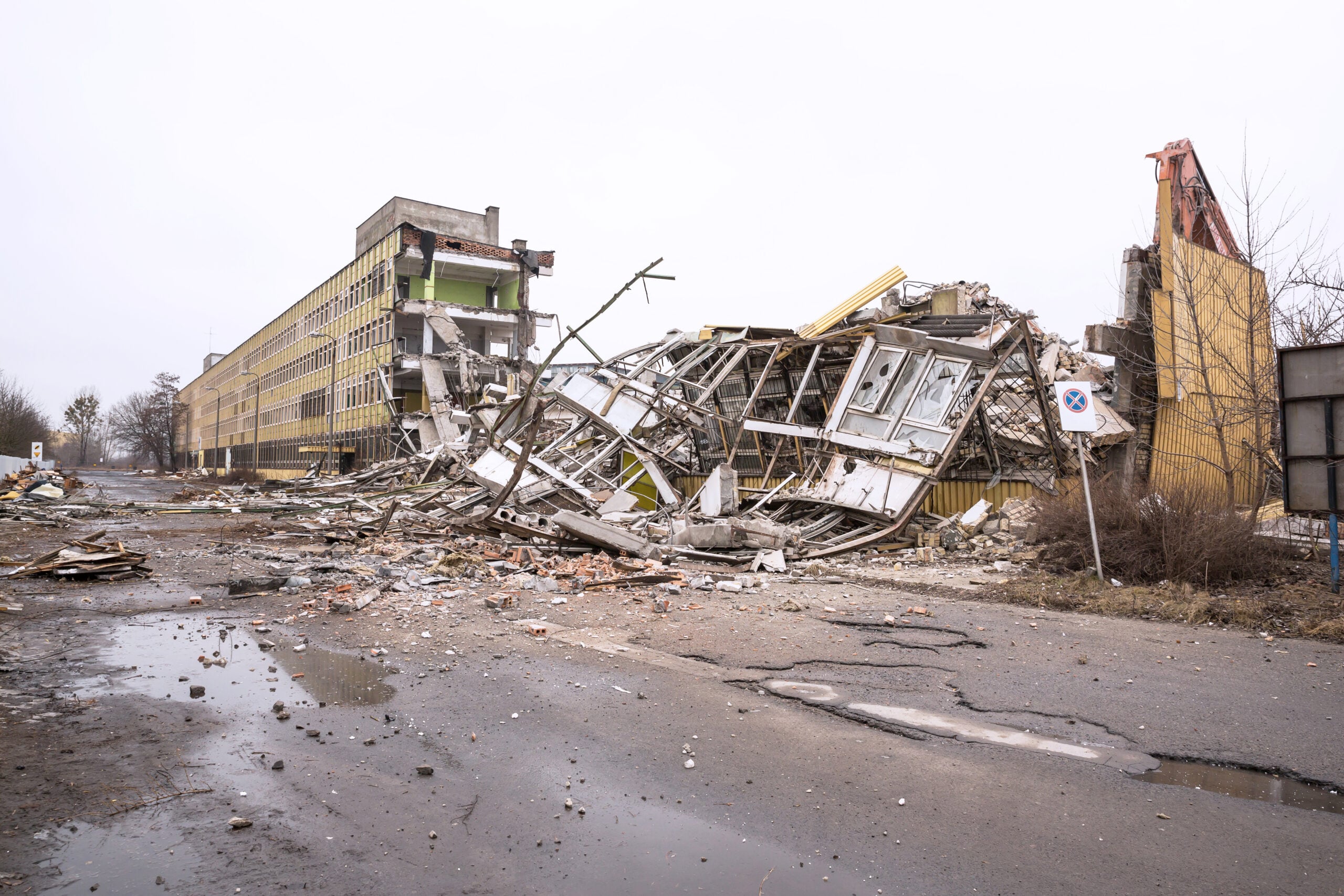
These closures weren’t temporary furloughs or pandemic pauses.
They’re permanent.
– The Momence plant is being demolished.
– TreeHouse is consolidating into fewer plants.
– Land O’Frost said the Pullman facility no longer “fit” its operations.
Once gone, these jobs aren’t replaced. They’re redistributed (or erased).
Shutterstock
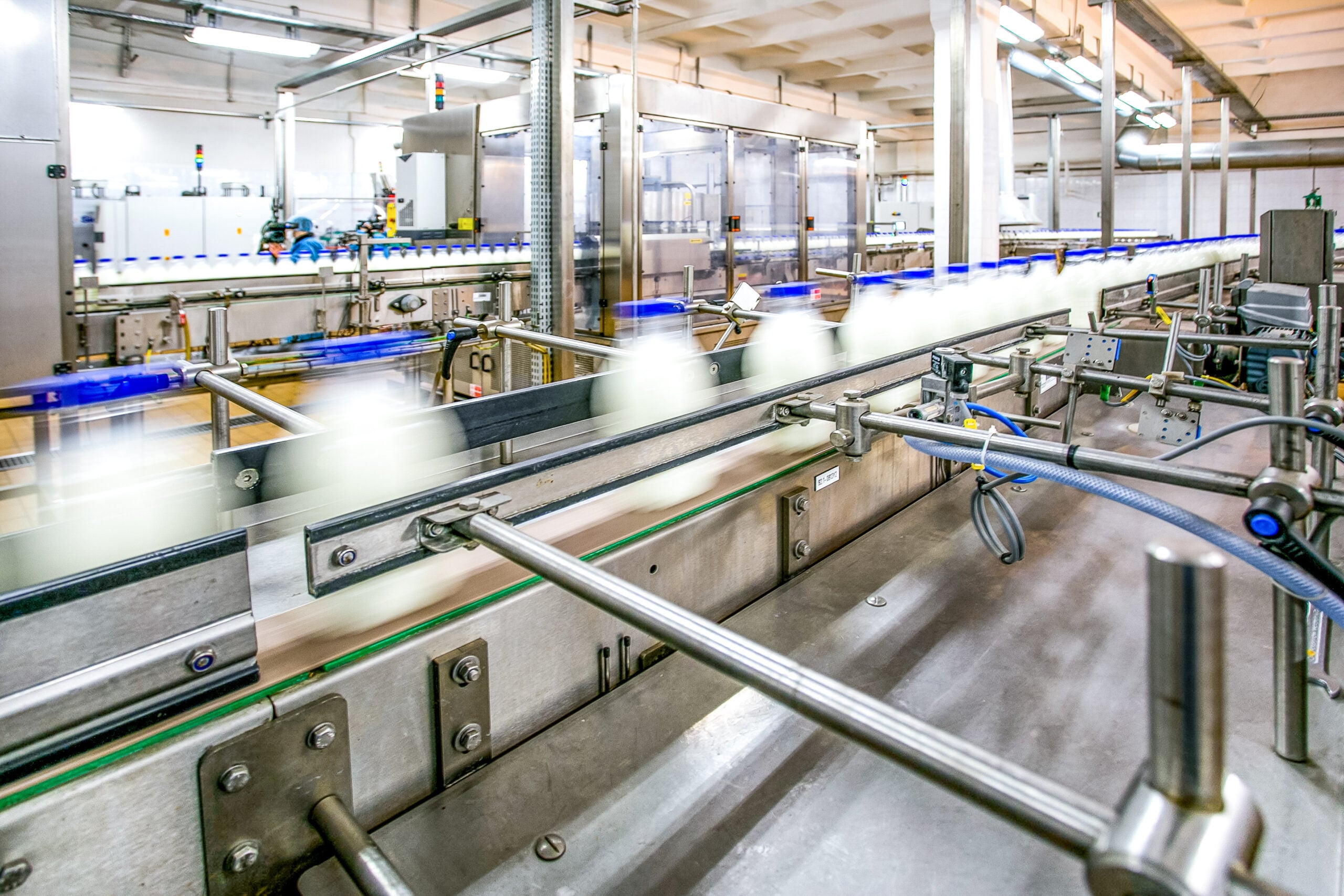
Every case is a little different. But the bigger forces are clear:
– Automation
– Corporate consolidation
– Cheaper labor in other states
– Supply chain “optimization”
– Cost-cutting wherever possible
It’s about doing more with less, even if it means walking away from entire communities.
Shutterstock

This isn’t just an Illinois story.
– Texas has seen poultry, tortilla, and frozen meal plants close since last fall.
– Georgia lost a Coca-Cola bottler and a meat processor in 2024.
– California has had multiple snack and beverage factories shut down in just the last year.
The playbook is repeating itself, just with new ZIP codes.
Follow The Coconut Mama
• For fun lists, healthy living tips, and bar conversation topics, make sure to follow The Coconut Mama. Click here to access The Coconut Mama’s profile page and be sure to hit the Follow button here or at the top of this article!
• Have feedback? Add a comment below!
Shutterstock
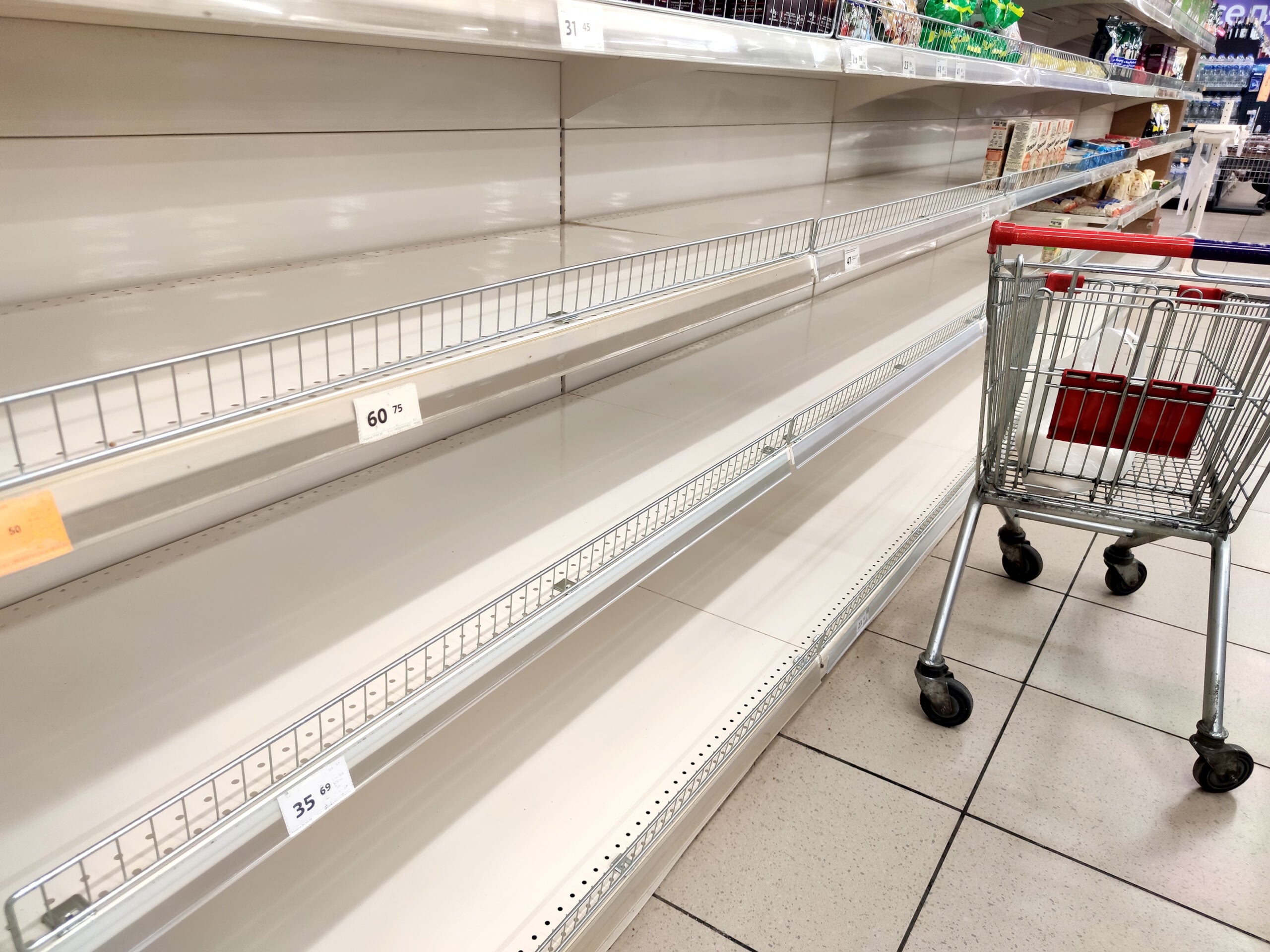
Here’s where it hits home:
Fewer food factories = fewer backups if something goes wrong.
Which means…
– Less product variety
– More empty shelves
– Higher prices
– And fewer jobs in your town
Even if your favorite brand survives, the food behind it might be coming from farther away (or made with fewer workers).
Shutterstock

Let’s not forget who this hurts most.
These were good-paying jobs. Stable, union-backed, full-time factory jobs (rare in today’s economy).
Now?
– Some got relocation offers out of state
– Others got 60 days of pay, then nothing
– And many are trying to re-enter a job market that’s shifting under their feet
Shutterstock

Momence. Pullman. South Beloit.
When a factory closes, it doesn’t just affect employees. It affects:
– Local diners
– Schools
– Pharmacies
– Gas stations
– Churches
– Grocery stores
Less income means less spending. Less spending means more closures.
It’s a vicious cycle.
Shutterstock

Maybe. But it’s going to take more than just outrage.
– Stricter WARN Act enforcement
– Incentives for local manufacturing
– Retraining programs that actually lead to jobs
– And community-led pushes to bring food production back home
And right now? We’re not seeing much of that.
Shutterstock

More closures.
Unless something changes, analysts say closures will likely accelerate, especially in unionized or high-cost states.
Big companies are choosing “leaner, meaner” strategies.
And for a lot of small towns, that means less food production, fewer jobs, and more uncertainty.
Shutterstock

– 3 food factories closed in Illinois
– 618 jobs gone
– National trend already hitting Texas, Georgia, California
– No signs of a slowdown
– And the costs? We’re all paying them – at the store, in our neighborhoods, and in our wallets
Shutterstock

Is this happening where you live?
Do you care if your food is still made in America, or just that it’s cheap and available?
Have you or someone you know lost a job in the food industry?
Share your thoughts in the comments!
Shutterstock


