
The process of making apple cider vinegar involves crushing apples, extracting their juice, and then fermenting it with the help of acetic acid bacteria. This produces alcohol, before it is transformed into acetic acid.
Alcohol is generally considered haram (forbidden) in Islam, so where does apple cider vinegar stand? Is it haram or halal (permitted)?
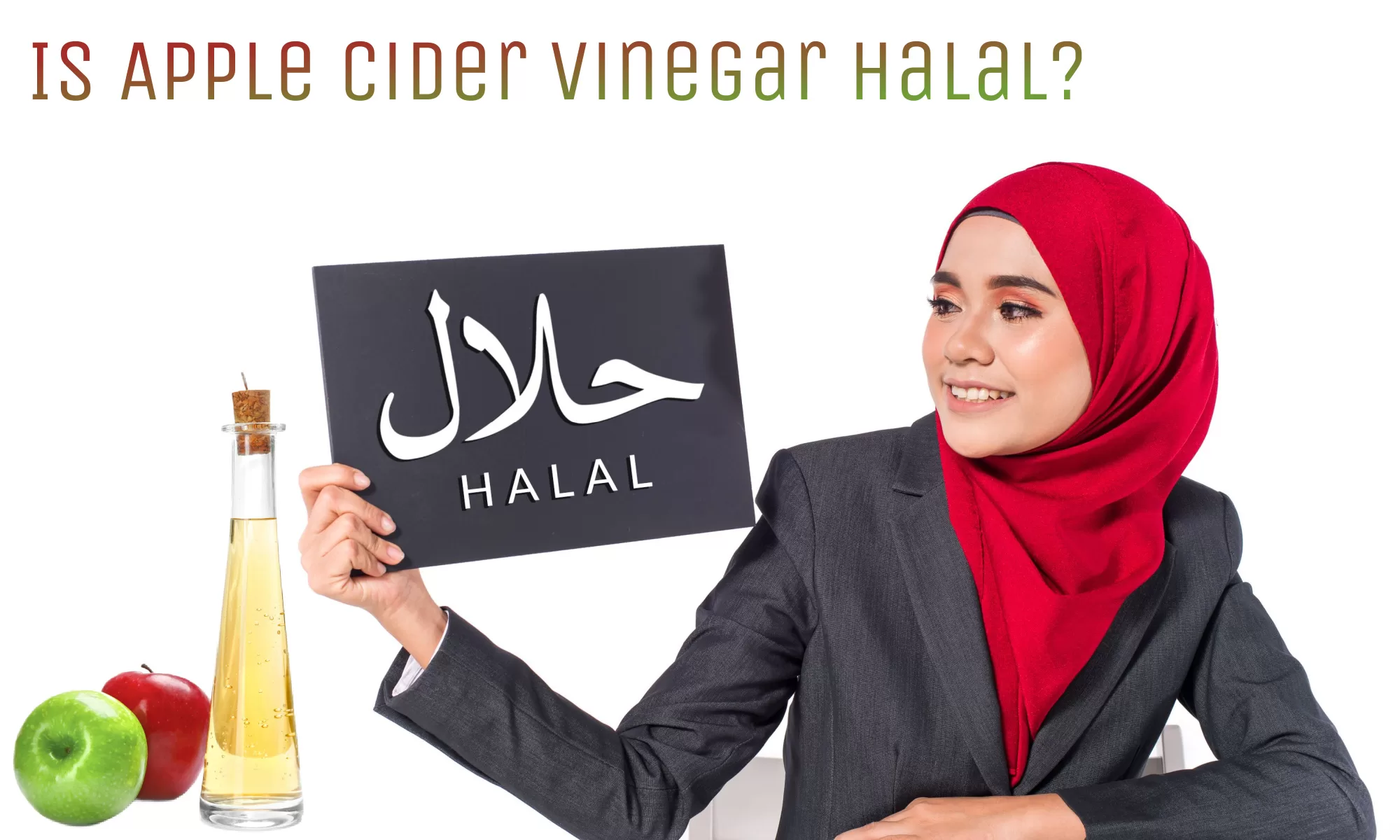
The answer is: apple cider vinegar is generally considered halal. The fermentation process transforms any initial alcohol content into acetic acid, aligning with Islamic dietary guidelines. However, it’s crucial to verify individual brands for specific production methods and opt for those with clear halal certifications.
Below, I’ll break down whether apple cider vinegar contains alcohol, include halal brands, and more!
What is apple cider vinegar?
Apple cider vinegar is a product of fermented apple juice, resulting in acetic acid formation. It contains a variety of compounds, including vitamins, minerals, and antioxidants. While the primary ingredient is halal – apples – the fermentation process raises questions about the halal status.
Does apple cider contain alcohol?
One concern that frequently arises is the presence of alcohol in the production of apple cider vinegar. While the term “cider” might trigger concerns, the alcohol content is a natural byproduct of the fermentation process. However, during the subsequent steps, this alcohol undergoes further fermentation and transforms into acetic acid, the key component that gives vinegar its distinct taste.
In simple terms, while there is an initial presence of alcohol, it is eliminated in the final product, leaving behind a vinegar that aligns with Islamic dietary guidelines. It’s best to check the specific product labels or consult with the manufacturer.
Note that homemade apple cider vinegar, when made properly, should also have very low alcohol content, but it may not be as regulated or standardized as commercial products.
If you’re concerned about alcohol content in apple cider vinegar, especially due to religious reasons, it’s best to check the product label or choose a commercial vinegar labeled as “non-alcoholic” or “alcohol-free.”
Apple cider vinegar vs apple cider
Traditional apple cider is a non-alcoholic beverage. It is essentially raw, unfiltered apple juice that still contains the natural sugars from the apples. The alcohol content in fresh apple cider is negligible, typically less than 0.5% alcohol by volume (ABV).
Apple cider vinegar, on the other hand, is produced through a fermentation process that converts the sugars in apple cider into alcohol. This alcohol is then further fermented by acetic acid bacteria to produce acetic acid. The fermentation process reduces the alcohol content significantly, and commercially available apple cider vinegar usually has an alcohol content of less than 0.1% ABV. In most cases, the alcohol content is so low that it is considered negligible.
Is apple cider vinegar halal?
Now, let’s address the core question – Is apple cider vinegar halal? The consensus among scholars and experts is that, yes, apple cider vinegar is generally considered halal. The transformation of alcohol into acetic acid during the fermentation process ensures that the final product is in accordance with Islamic dietary laws.
However, scholars have differing opinions regarding the transformation of alcohol during the fermentation process.
According to some scholars, if the alcohol is completely transformed into acetic acid, it may be considered halal. Others argue that any form of alcohol, even if it transforms, remains prohibited.
To make things easier, I recommending looking for brands with a certified halal status (yes, they’re out there!).
What apple cider vinegar brands are halal?
Not all apple cider vinegar brands follow the same production processes, and as such, their halal status may differ. To ensure you are choosing a halal product, it’s best to carefully inspect the label for any additives or additional ingredients that might compromise its halal status.
Some brands, however, have gained approval from halal certification bodies, providing assurance to consumers. Always look for certification symbols or statements on the product packaging that indicate adherence to halal standards.
Based on my research, Dynamic Health Apple Cider Vinegar with Mother makes a quality apple cider vinegar that is halal according to the Islamic Food and Nutrition Council of America. Other popular brands are not halal certified, such as Bragg. Additionally, some organic and natural food stores offer their own house brands that often adhere to halal guidelines.
FAQs
Apple cider vinegar is generally considered halal (permissible) in Islam as it is produced from the fermentation of apple juice and does not involve any haram (forbidden) ingredients or processes. However, it’s always best to check specific products for any additives or processing methods that may affect its halal status.
Yes, traditional apple cider can contain a small amount of alcohol, typically less than 0.5% alcohol by volume, as a result of natural fermentation. However, commercially produced and pasteurized apple cider is often non-alcoholic.
Cider is usually not halal, as it’s typically an alcoholic drink. In Islam, the consumption of intoxicants, including alcoholic beverages, is generally considered haram (forbidden). However, some ciders (like apple cider) are non-alcoholic and may be considered halal.
The halal status of apple cider vinegar tablets would depend on the specific ingredients used in their production. It’s best to check the product’s label or consult with a knowledgeable religious authority to determine if it complies with halal dietary guidelines.




Leave a Comment