

After almost 100 years of Kool-Aid using the same tried and tested recipe, Kraft Heinz, the company that makes Kool-Aid, announced it will remove all artificial colors from its products by the end of 2027.
Follow The Coconut Mama
• For fun lists, healthy living tips, and bar conversation topics, make sure to follow The Coconut Mama. Click here to access The Coconut Mama’s profile page and be sure to hit the Follow button here or at the top of this article!
• Have feedback? Add a comment below!
Shutterstock

The company says that almost 90% of its products in the U.S. no longer use synthetic colors known as FD&C colors. However, some items still contain them, Kool-Aid being one, according to a statement the company gave to NPR.
Shutterstock
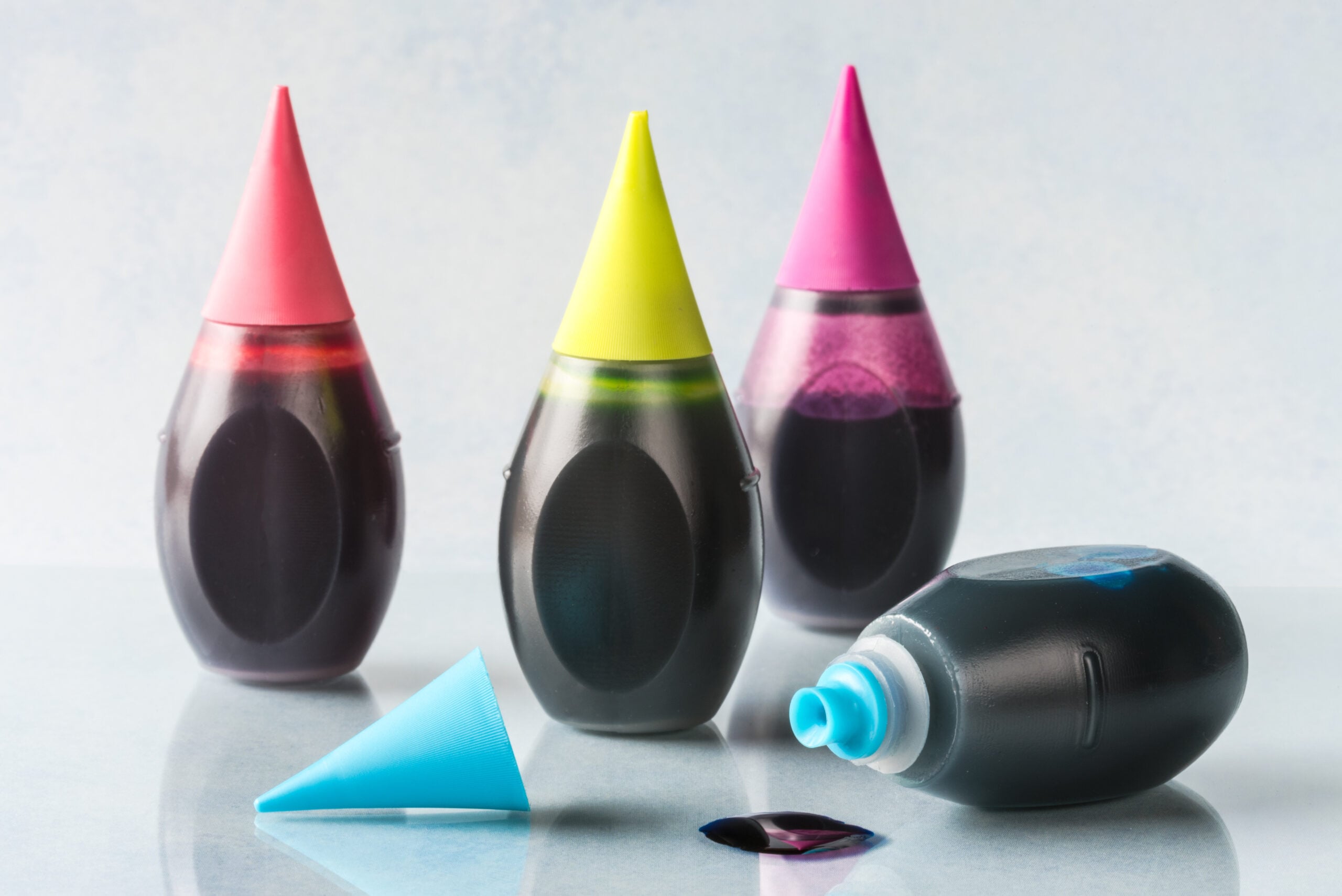
Kraft Heinz has announced a plan they call the “3Rs” to change how they use colors in their products over the next two years. The company plans to remove unnecessary colors, replace artificial ones with natural options, and create new color schemes for products that can’t be made without artificial dyes.
Shutterstock

Some popular snacks and drinks are changing, but why? The FDA recently banned FD&C Red No. 3 from food and certain medicines. This decision came after a 2022 petition cited two studies showing that male rats developed cancer when exposed to high amounts of the dye.
Shutterstock

Scientists believe more research is needed to fully understand the effects of Red No. 3, but that doesn’t mean it’s completely safe. Food companies have until January 15, 2027, to take this ingredient out of their products. Once it’s gone, drinks like Kool-Aid might look a little less bright red, but if it leads to healthier choices, it’s a change worth embracing.
Shutterstock

The United States has decided to ban eight artificial food dyes to help people better understand what is in their food. Experts say artificial dyes, used in many foods like cereal, candy, snacks, and drinks, may cause neurological issues in some children.
Shutterstock
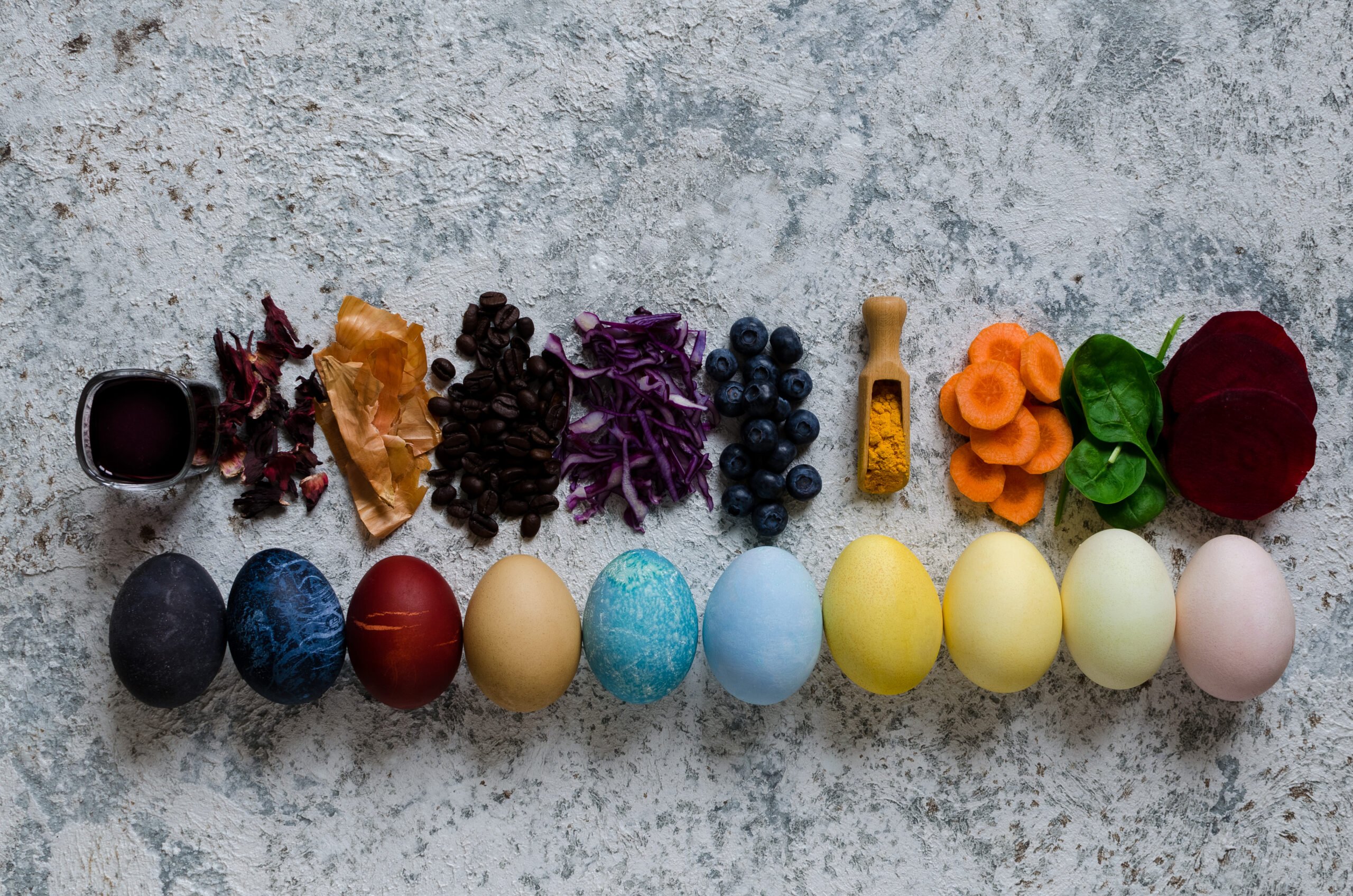
The Food and Drug Administration (FDA) announced that it will approve four new natural color additives soon. This move is meant to help companies find alternatives more easily, according to the agency.
Shutterstock
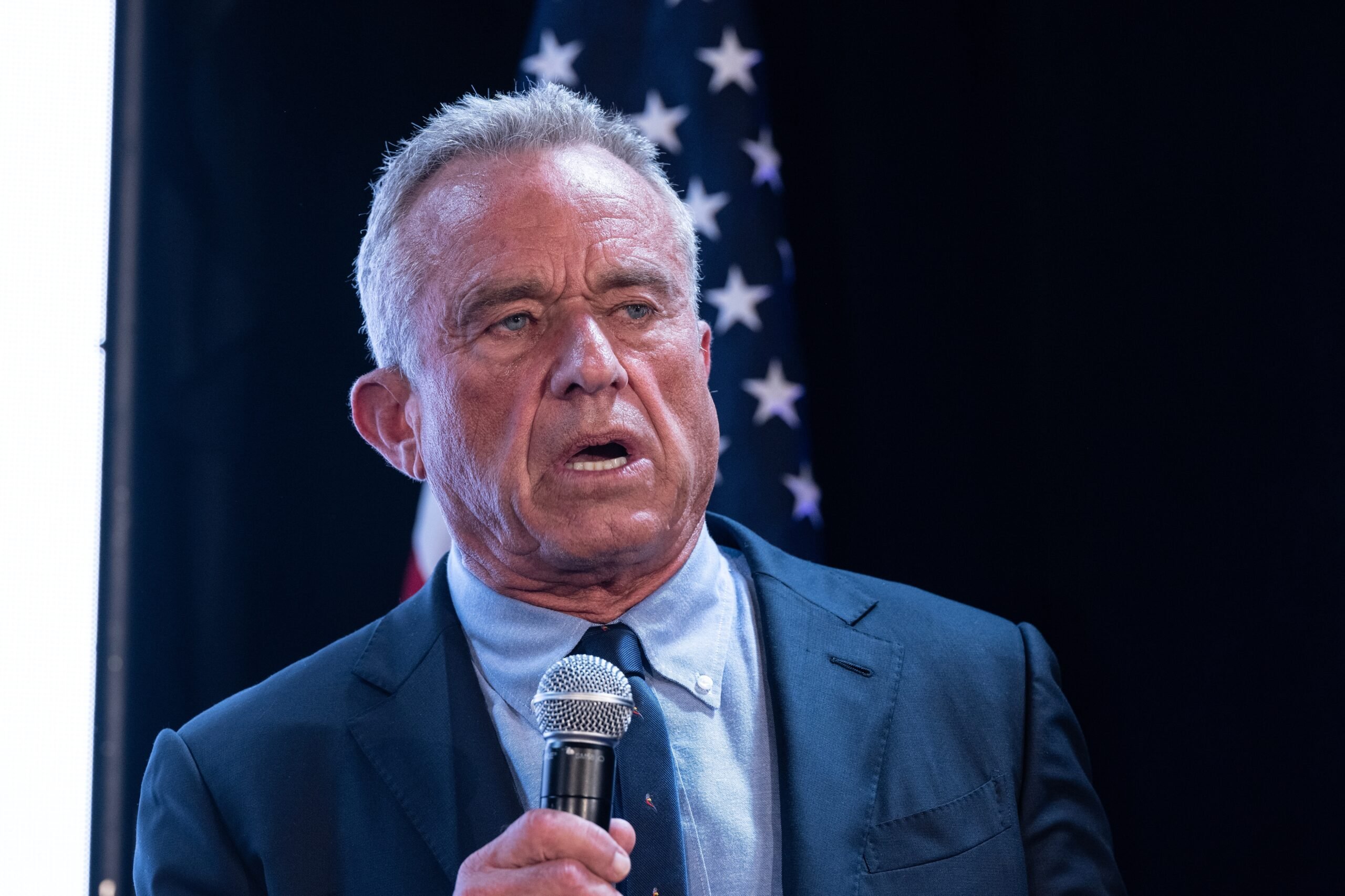
At a news conference, Kennedy said, “Americans don’t know what they’re eating.” While campaigning with Donald Trump last year, he promised to address issues like artificial food dyes and ultra-processed foods if chosen to lead the top health agency in the United States.
In the last few months, Kennedy’s push to ban food dyes has gained support in several state governments. West Virginia recently passed a law banning synthetic dyes and preservatives in food, and similar laws are being proposed in other states.
Shutterstock

Dr. Peter Lurie, a former FDA official and current president of CSPI, believes artificial food dyes only exist to increase profits for food companies. He explained that these dyes are often used to make processed foods look more appealing, especially to kids, by hiding the lack of real ingredients like fruit.
Shutterstock

Some countries have figured out how to replace artificial dyes in food. Marion Nestle, a former nutrition professor at New York University, explained that places like Britain and New Zealand have removed many synthetic dyes. In Canada, Kellogg uses natural ingredients like fruit and vegetable juices to color Froot Loops cereal. However, in the United States, the same cereal still contains artificial dyes.
Shutterstock

Kraft Heinz plans to remove all artificial colors from its products, including Kool-Aid, by 2027, following the FDA’s ban on Red No. 3 due to health concerns. The company has already eliminated synthetic dyes from 90% of its U.S. products and will replace artificial colors with natural alternatives using its “3Rs” plan. This aligns with broader efforts to phase out artificial dyes, which are linked to potential health risks like neurological issues and cancer in some studies. Other countries, like Britain and New Zealand, have already adopted natural coloring methods, offering a model for the U.S. food industry.
Shutterstock




Leave a Comment