
In the span of just a few months, Pennsylvania has been rocked by the loss of not one, not two, but THREE major food and beverage plants.
There’s no sugar-coating it: this is bad news for workers, bad news for local economies, and a worrying sign of what could come next.
And these weren’t small producers or short-lived startups. We’re talking about companies that were embedded in their communities, some for over 100 years.
Let’s break it down:
Follow The Coconut Mama
• For fun lists, healthy living tips, and bar conversation topics, make sure to follow The Coconut Mama. Click here to access The Coconut Mama’s profile page and be sure to hit the Follow button here or at the top of this article!
• Have feedback? Add a comment below!
Shutterstock
On December 31, 2024 (yes, New Year’s Eve), workers at Joriki Beverages got an email: the plant was closing that day. No warning. No transition period.
Roughly 226 people lost their jobs on the spot.
The Pittston facility had been bottling private-label drinks, sparkling waters, and flavored beverages – with plans to ramp up co-packing for major brands like Welch’s and Coca-Cola.
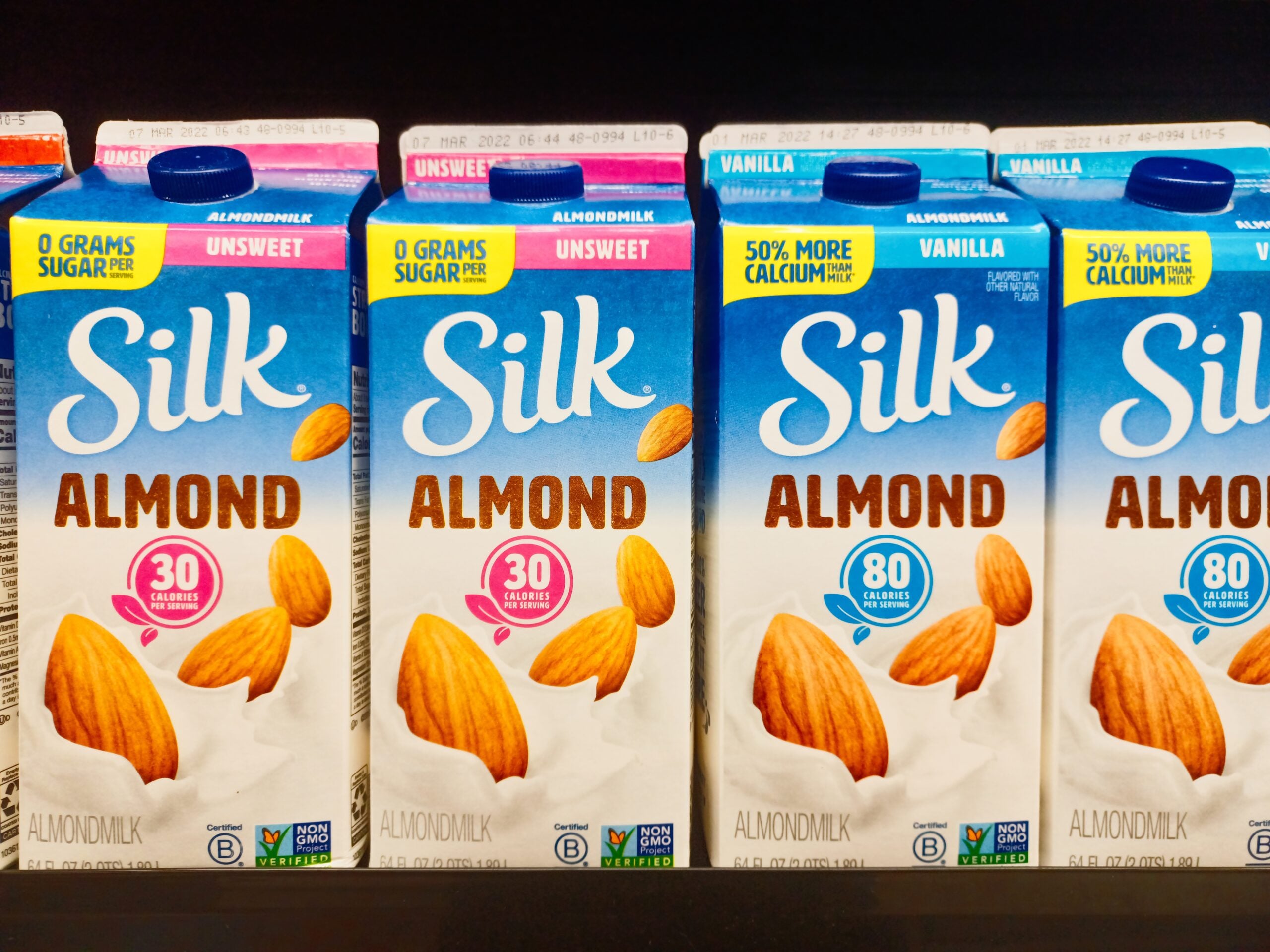
Joriki also produced Silk plant-based milks in Canada, and fallout from a major product recall there only deepened the company’s financial troubles.
The Pittston operation never got off the ground the way it was meant to, and suddenly, it was all over.
Shutterstock
There was no severance package. No advance notice filed with the state.
For a facility that helped anchor Pittston’s light industrial corridor, the sudden shutdown came as a shock, and left hundreds scrambling.
Shutterstock
This one hurt. Kunzler had been in Lancaster since 1901, making some of Pennsylvania’s most iconic deli and meat products.
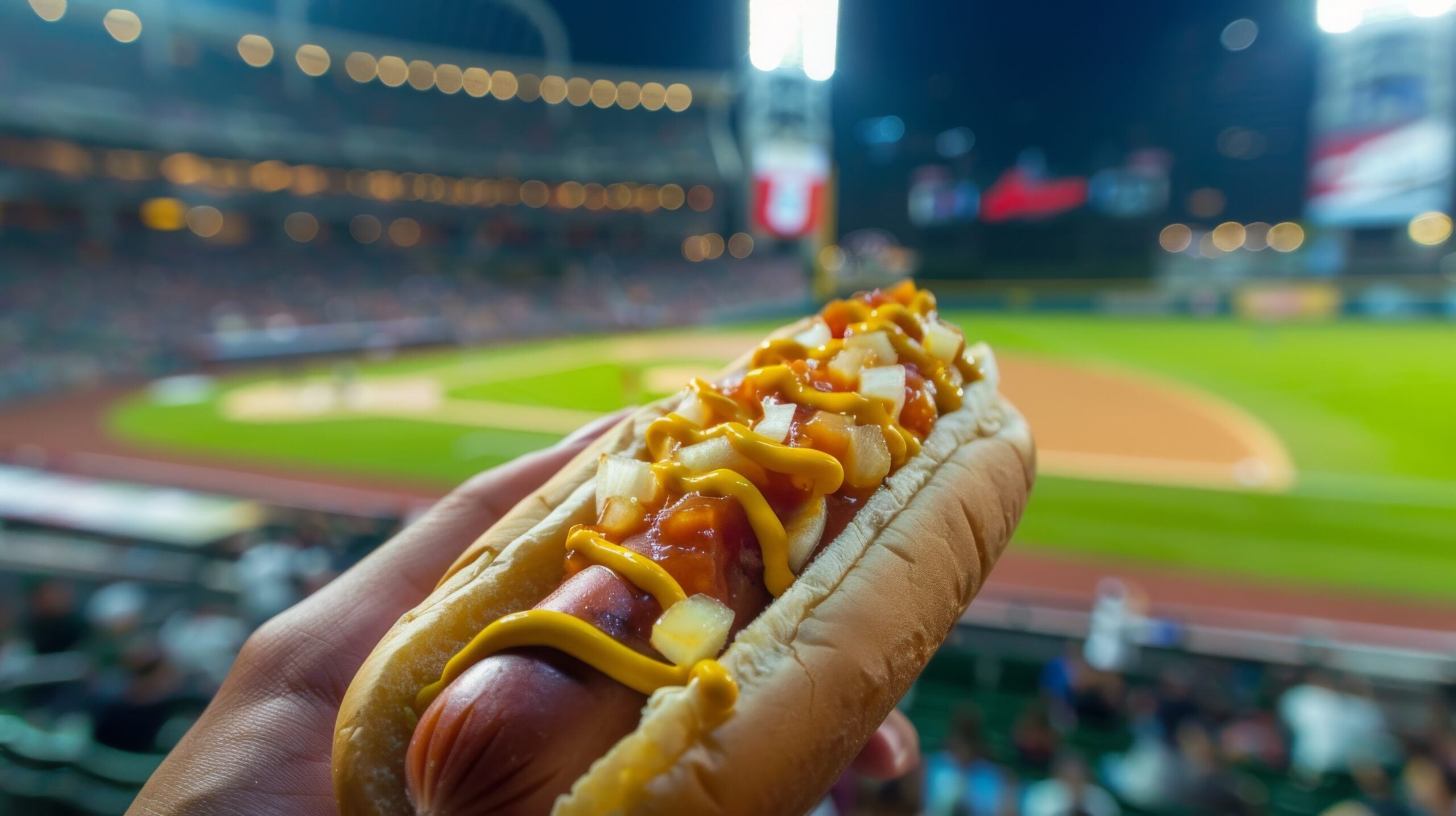
They were best known for their hardwood-smoked bacon, bologna, deli ham, hot dogs, and scrapple – staples across grocery stores, delis, and ballparks in the Mid-Atlantic.
Their beef and chicken franks were even served at Lancaster Stormers games.
But in late 2024, Kunzler announced it was shutting down the Lancaster plant permanently, cutting 193 jobs as part of a restructuring plan under its new parent company.
Shutterstock
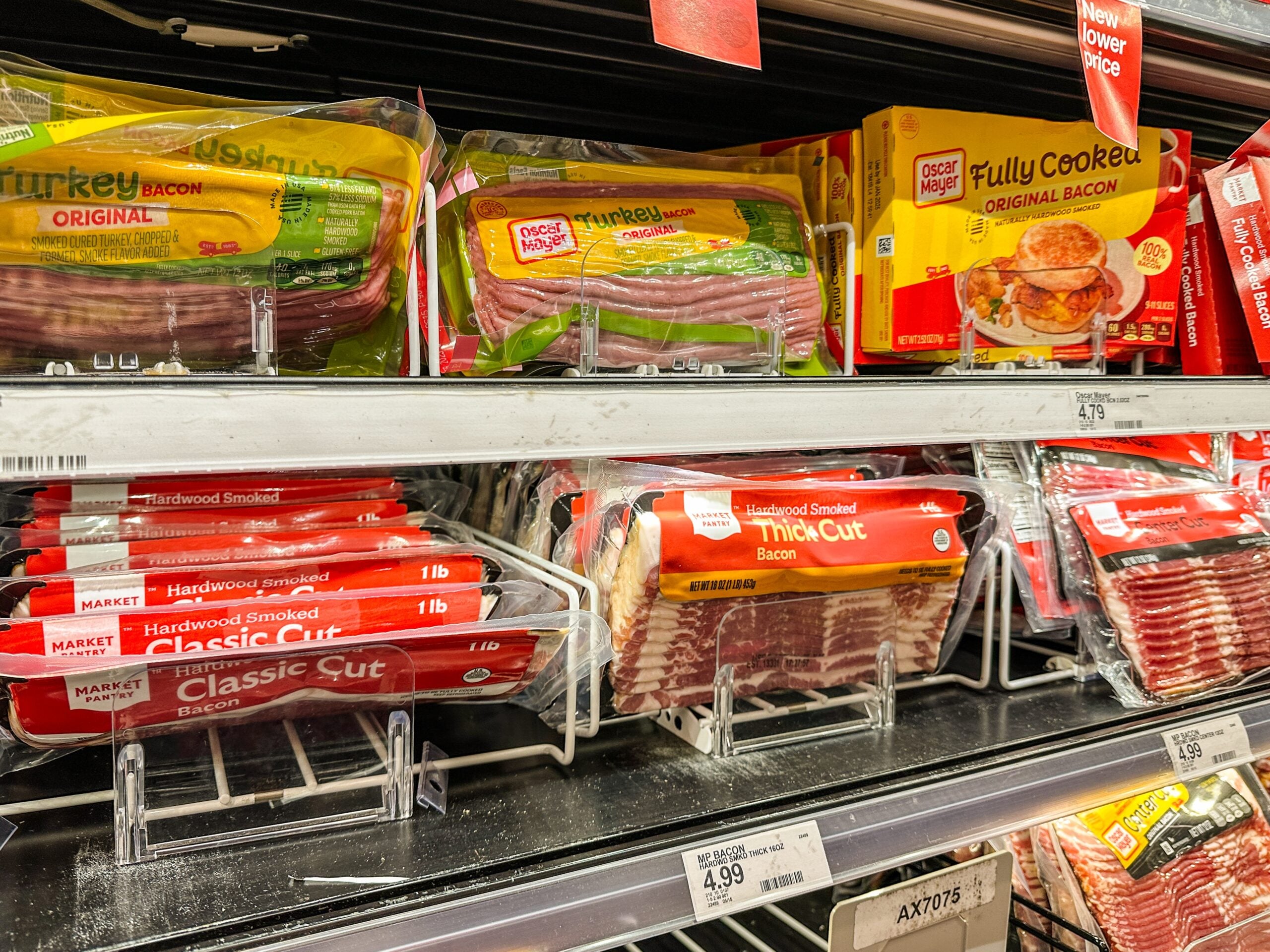
This wasn’t about bad products.
After a corporate buyout by Clemens Food Group, the company made a tough call: shut down the aging Lancaster facility and shift production elsewhere.
It was all about cutting costs and consolidating operations. The plant was old, expensive to upgrade, and no longer fit into the new owner’s long-term plans.
The demand was there. The products were popular. But the plant itself? It just didn’t make the cut.
Shutterstock

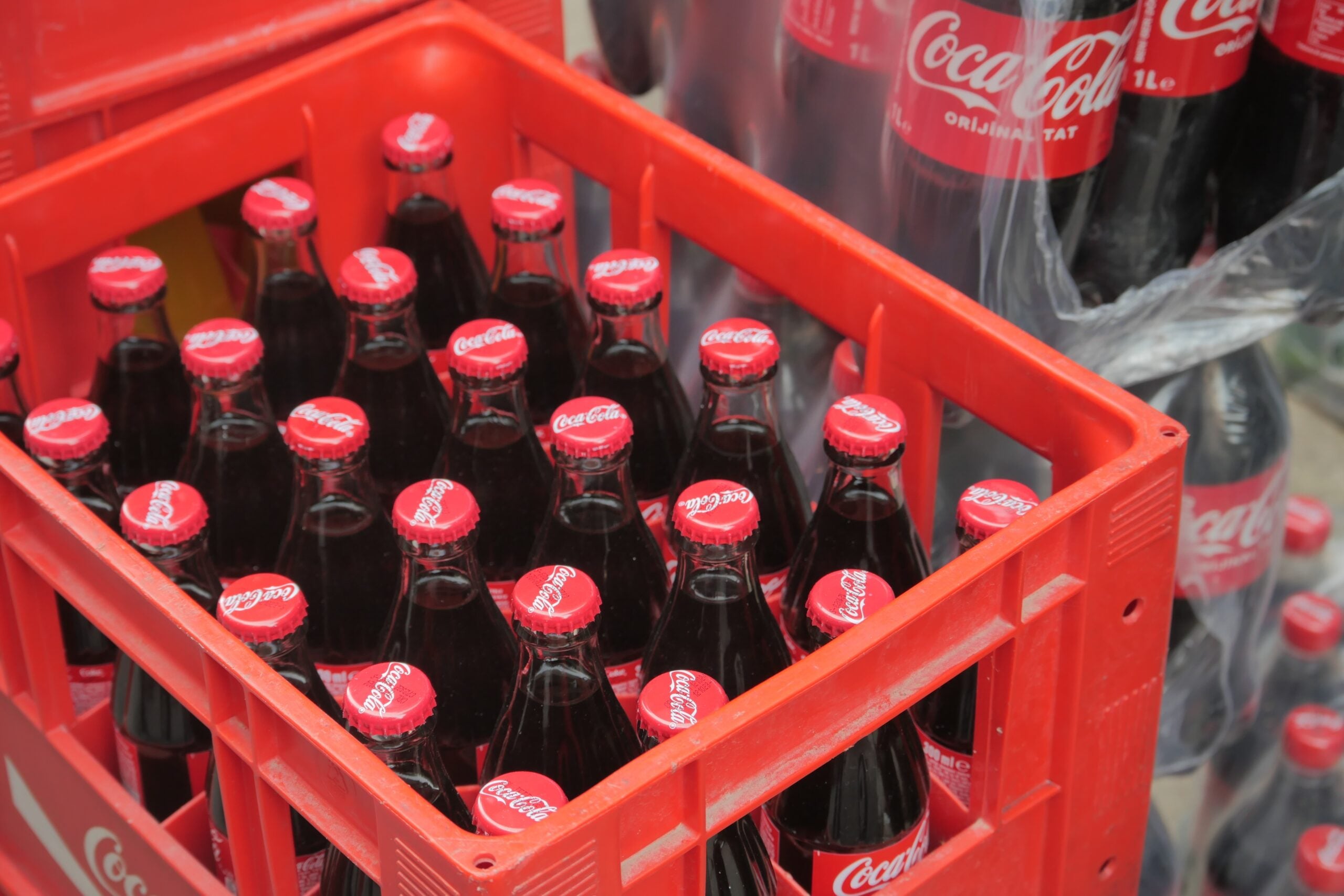
Earlier this year, PepsiCo confirmed it was ending production at its long-standing bottling plant in Harrisburg.
Another 127 jobs gone.
Some warehouse and sales roles may stick around, but the production lines are shutting down – part of Pepsi’s broader effort to consolidate facilities nationwide.
Shutterstock

So why now? Why Pennsylvania?
It’s not just one thing. Food and beverage companies are under intense pressure.
Labor costs are rising. Energy bills are high. Consumers are cutting back on spending. And big brands are streamlining like never before – shrinking product lines and cutting facilities to boost margins.
Pennsylvania, with its aging infrastructure and higher costs, is getting squeezed out.
Shutterstock

A lot of these plants were built decades ago. They weren’t designed for today’s automation or food safety standards.
Modernizing them is expensive.
And when corporate headquarters has to choose between retrofitting a 1960s building in Lancaster or building a brand-new plant in Georgia with big tax breaks?
You can guess how that goes.
Follow The Coconut Mama
• For fun lists, healthy living tips, and bar conversation topics, make sure to follow The Coconut Mama. Click here to access The Coconut Mama’s profile page and be sure to hit the Follow button here or at the top of this article!
• Have feedback? Add a comment below!
Shutterstock

It’s not just the folks on the line who feel it.
The local diner loses its regulars. The school district loses tax dollars. Delivery drivers lose routes. Vendors lose contracts.
These weren’t just places where people worked – they were anchors. And when those disappear, whole towns get knocked off balance.
Shutterstock
Pennsylvania isn’t alone.
Take a look at what’s happening in other States:
– Tyson’s closed plants in Iowa and Kansas
– Coca-Cola, Frito-Lay, and Pepsi have cut facilities in California
– Cannabis and snack brands are scaling back in Michigan and Illinois
Shutterstock

Here’s what the state has lost, just from these three closures:
– Joriki Beverages (Pittston): 226 jobs
– Kunzler & Co. (Lancaster): 193 jobs
– PepsiCo (Harrisburg): 127 jobs
That’s 546 jobs gone, and that’s certainly not it.
Shutterstock

Will these jobs ever return? Probably not.
When production shifts to other states (or gets outsourced), it’s usually permanent.
Pennsylvania’s food economy is shrinking, and no one’s really stepping in to replace what’s being lost.
Shutterstock

Let’s be real… Some of these jobs aren’t coming back because they’re being replaced.
Not by people. By machines.
Big food companies are investing in automation like never before. Robotic arms. Self-cleaning lines. AI-driven packaging systems.
It’s faster. It’s cheaper. And once it’s in place, there’s no reason to bring workers back.
Shutterstock

Even if you don’t live in these towns or work in these plants, you’ll still feel the impact.
Fewer factories means less supply chain flexibility. And that can lead to higher prices, fewer options, and more empty shelves at your local store.
Maybe your favorite deli meat disappears. Maybe that plant-based milk gets more expensive.
When companies cut capacity, it eventually shows up at checkout.
Shutterstock

Three major food plants. Hundreds of workers. Deep community ties, cut off.
This isn’t just about a few closures. It’s about an entire industry evolving away from places like Pennsylvania.
And unless something changes, more towns could be next.
Shutterstock

So, what do YOU think?
Have you seen prices rise?
Has your favorite local brand vanished from shelves?
Do you care if your food is made close to home?
Drop your thoughts in the comments!
Shutterstock


Leave a Comment