

Bad news for Philly workers – three major closures are hitting the city almost all at once.
We’re talking about two plants that helped supply Philly’s iconic cheesesteaks… and the sudden collapse of a high-profile food hall in Center City.
Follow The Coconut Mama
• For fun lists, healthy living tips, and bar conversation topics, make sure to follow The Coconut Mama. Click here to access The Coconut Mama’s profile page and be sure to hit the Follow button here or at the top of this article!
• Have feedback? Add a comment below!
Shutterstock
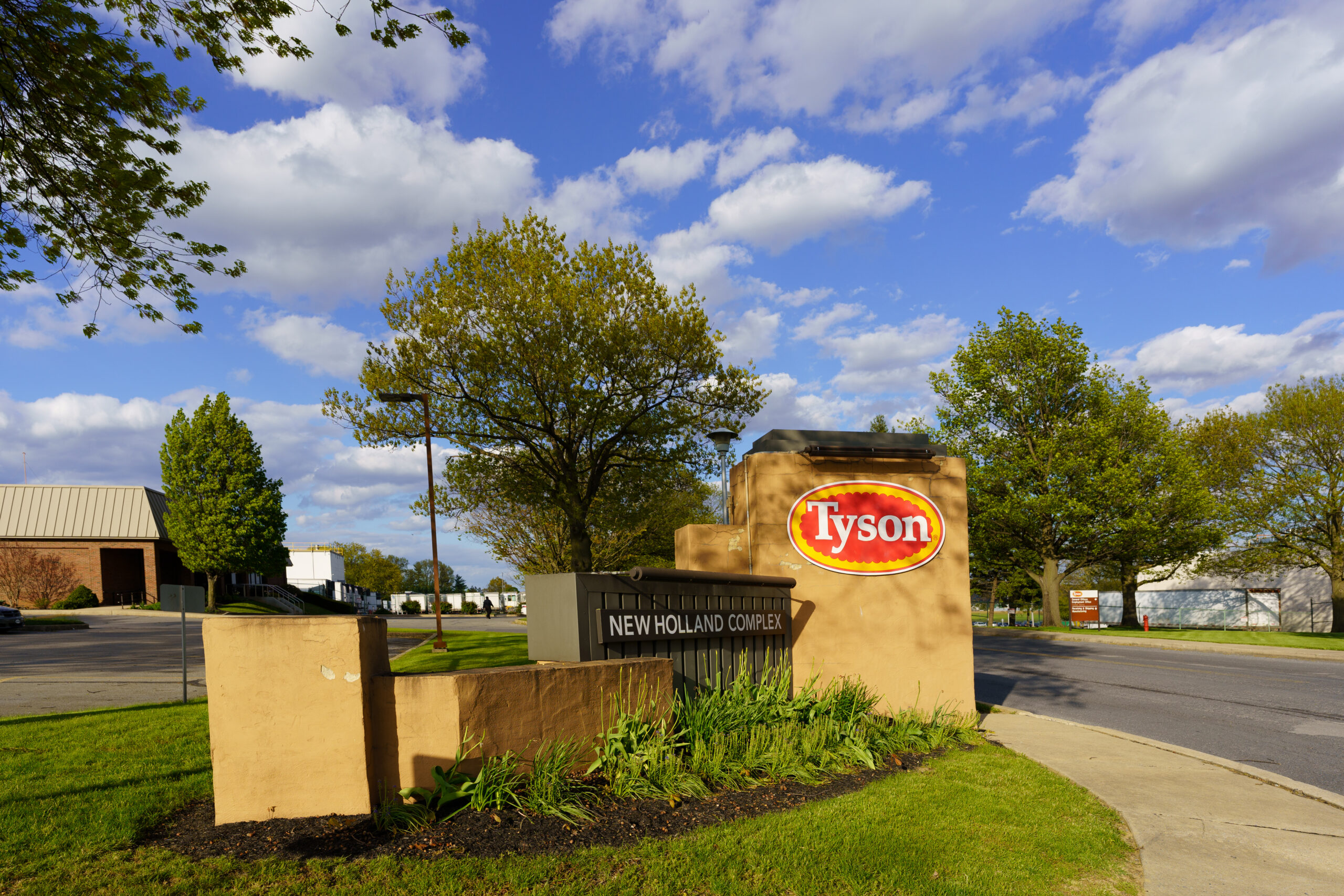
Tyson is closing its Original Philly Raw Plant at 520 E. Hunting Park Avenue.
This place produced raw sliced beef for countless cheesesteak shops across the region.
Shutting it down means 119 people are out of work (some of whom have worked there for decades).
Production officially stopped on December 13, 2024.
Shutterstock
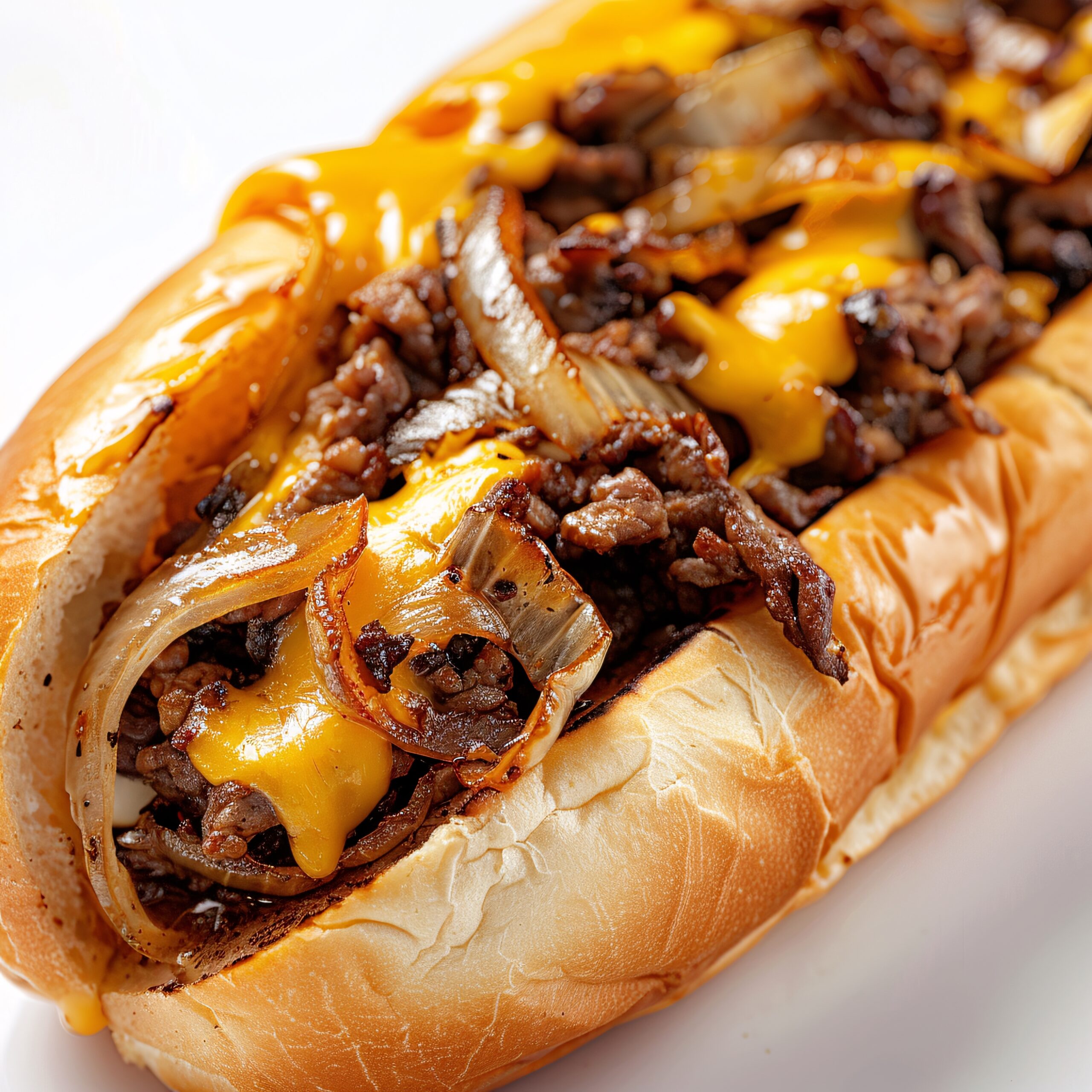
Just blocks away, the Cooked Meat Plant at 4001 N. American Street also closed it’s doors.
This facility handled the fully cooked cheesesteak meat you find in frozen meals and quick-service cheesesteaks.
This one wrapped up by January 31, 2025.
Shutterstock
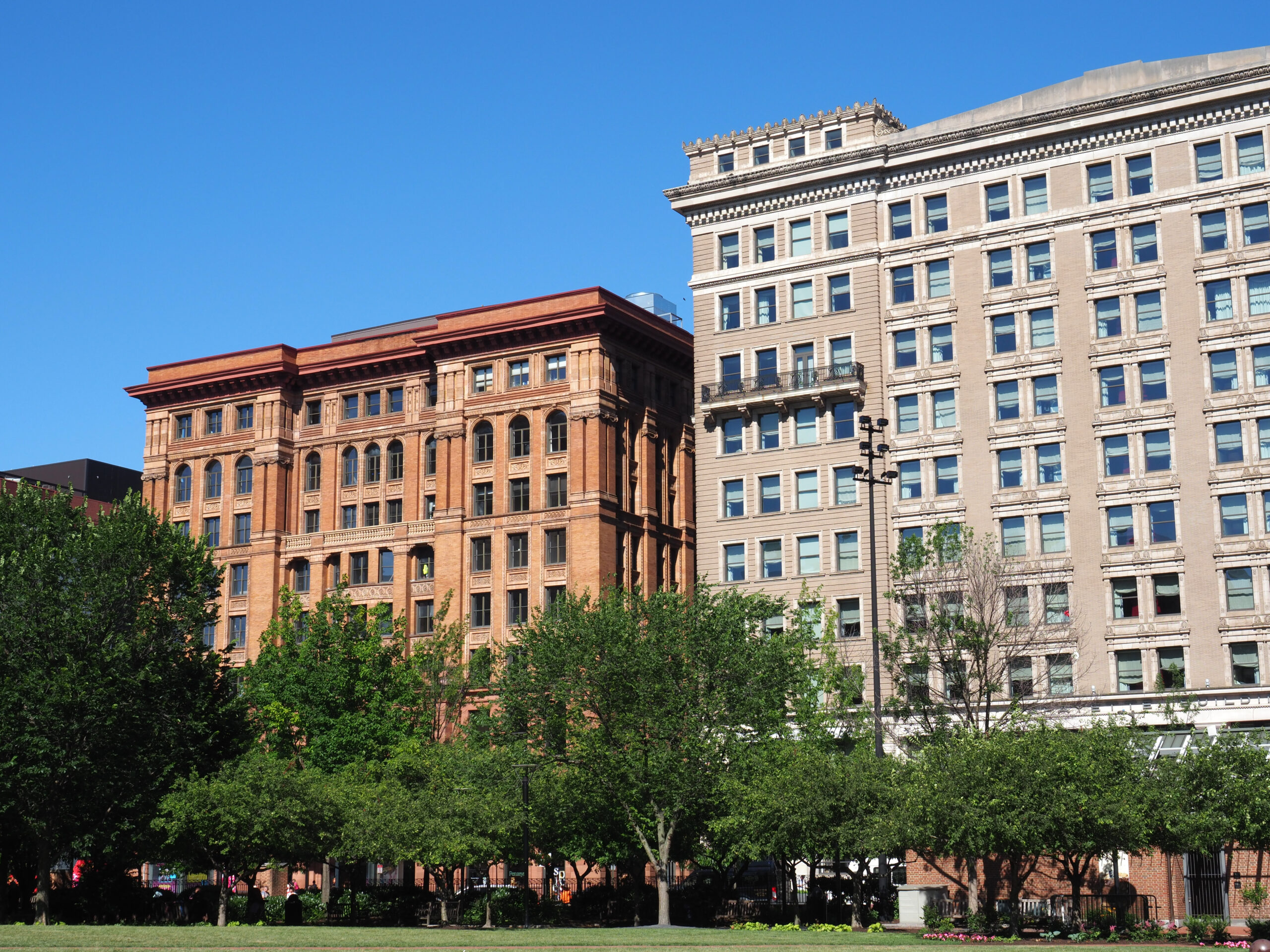
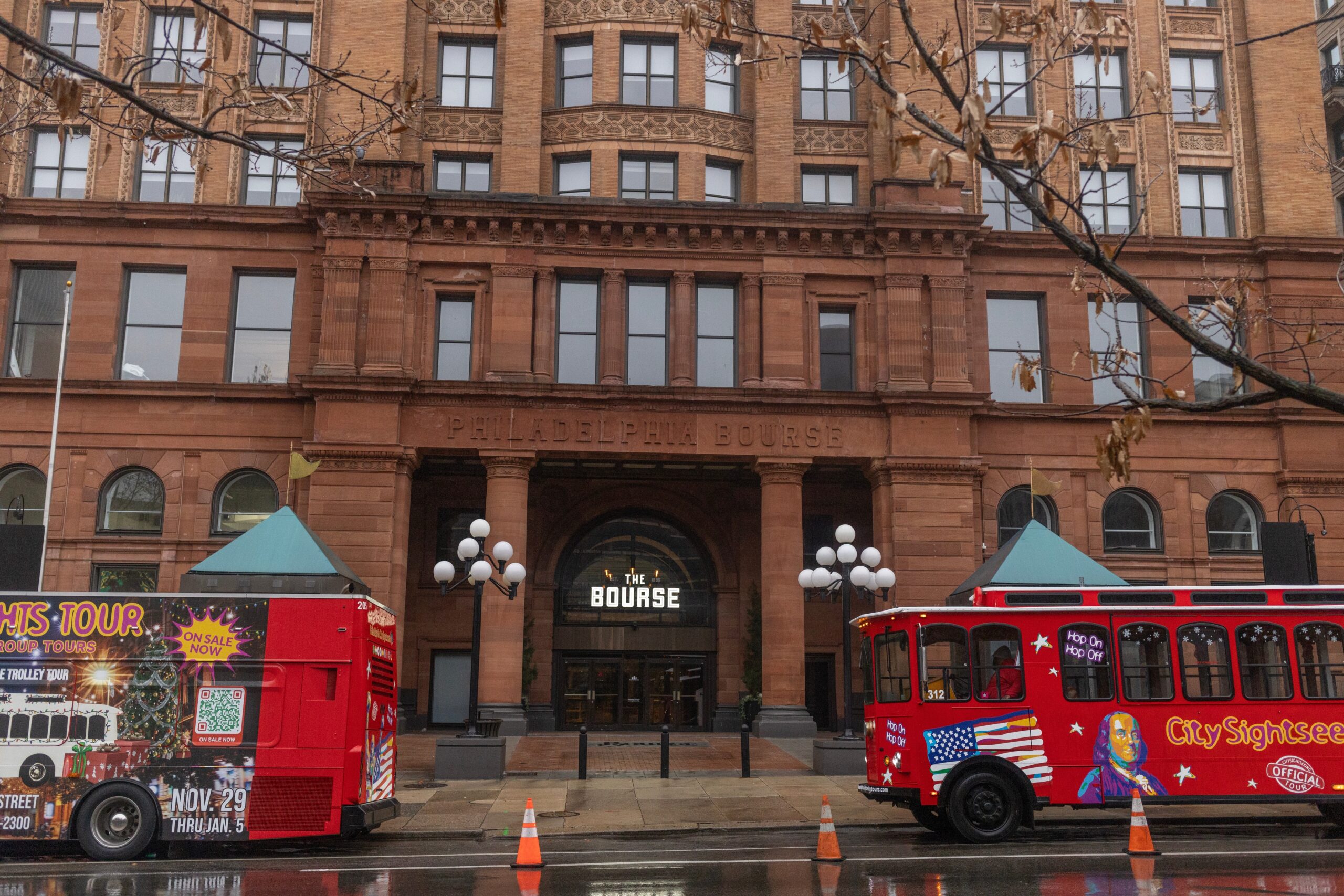
The Bourse Food Hall, inside a beautifully restored 1895 building in Old City, was once home to dozens of beloved food vendors.
But by June 2024, it was functionally empty – every restaurant tenant gone.
Over 30 food vendors lost their leases or left voluntarily as foot traffic dried up and rents climbed.
Many of them prepped, cooked, and batch-produced food on-site—operating like mini kitchens or small-batch factories.
Why? No official reason given, but vendors cited dwindling tourism, high operating costs, and post-COVID foot traffic that never recovered.
Shutterstock
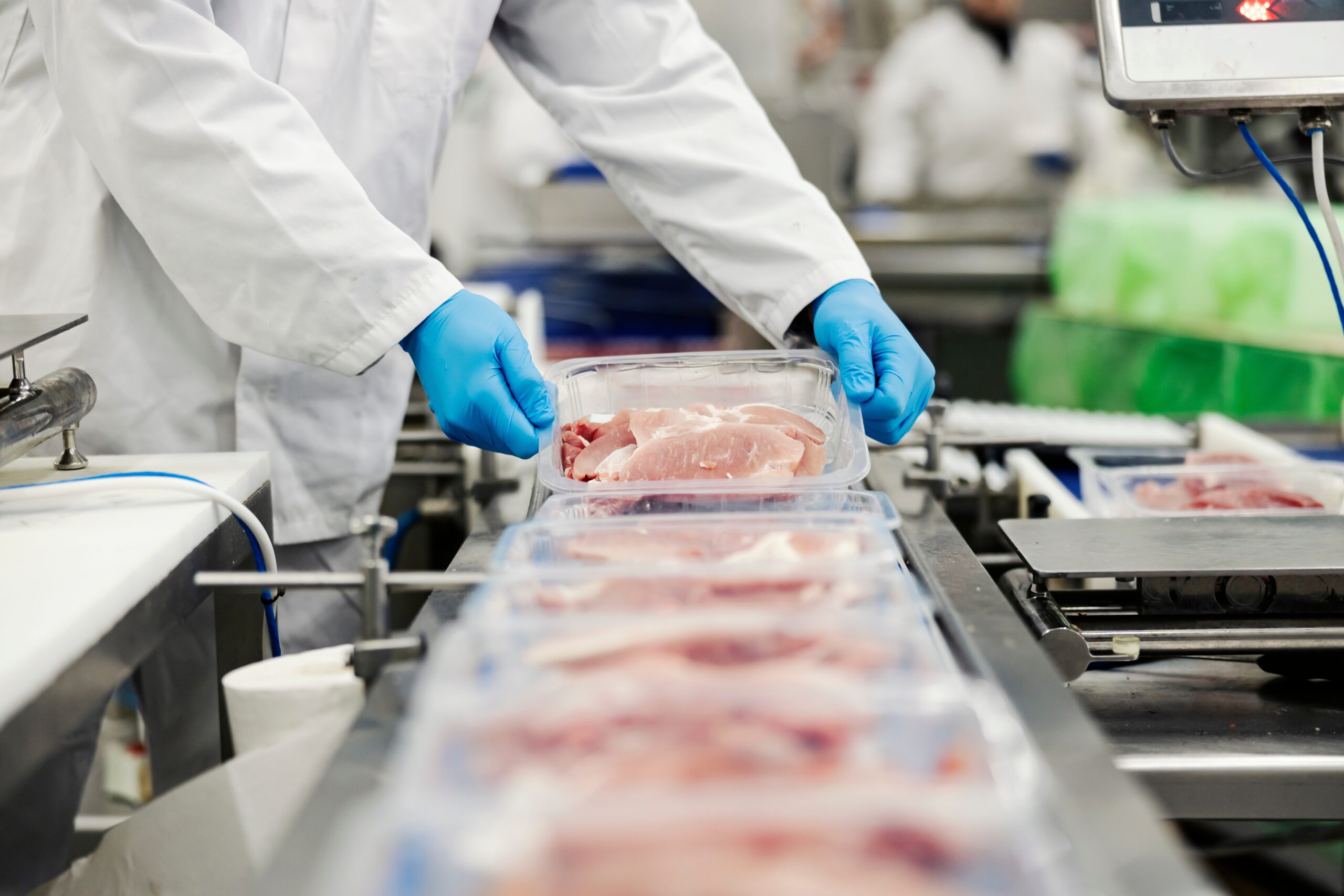
Between Tyson’s two meat plants, that’s 229 layoffs.
Add in the Bourse closure, and that’s dozens more food workers, chefs, and owners impacted.
And that doesn’t include vendors, janitors, truck drivers, or suppliers who also relied on those sites.
Shutterstock
This wasn’t a slow bleed:
– Raw Plant closed: December 13, 2024
– Cooked Plant closed: January 31, 2025
– Bourse shutdown completed by: June 2024
Three separate locations. All shuttering within about 8 months.
Shutterstock

Tyson says it’s all about “operating more efficiently.”
But here’s what that really means:
– Beef prices are up
– Cattle supplies are down
– Labor and utility costs in cities like Philly are high
– And shareholders want profit growth
So Tyson is closing smaller, urban plants and shifting production to lower-cost states with fewer regulations and cheaper wages.
It’s part of a national trend: fewer, larger, more centralized food factories, and fewer jobs in the cities that used to house them.
Shutterstock

Tyson hasn’t named the new plants picking up cheesesteak production.
But if history’s a guide, that work is likely heading to lower-wage states like Arkansas, Missouri, or Mississippi.
Follow The Coconut Mama
• For fun lists, healthy living tips, and bar conversation topics, make sure to follow The Coconut Mama. Click here to access The Coconut Mama’s profile page and be sure to hit the Follow button here or at the top of this article!
• Have feedback? Add a comment below!
Shutterstock
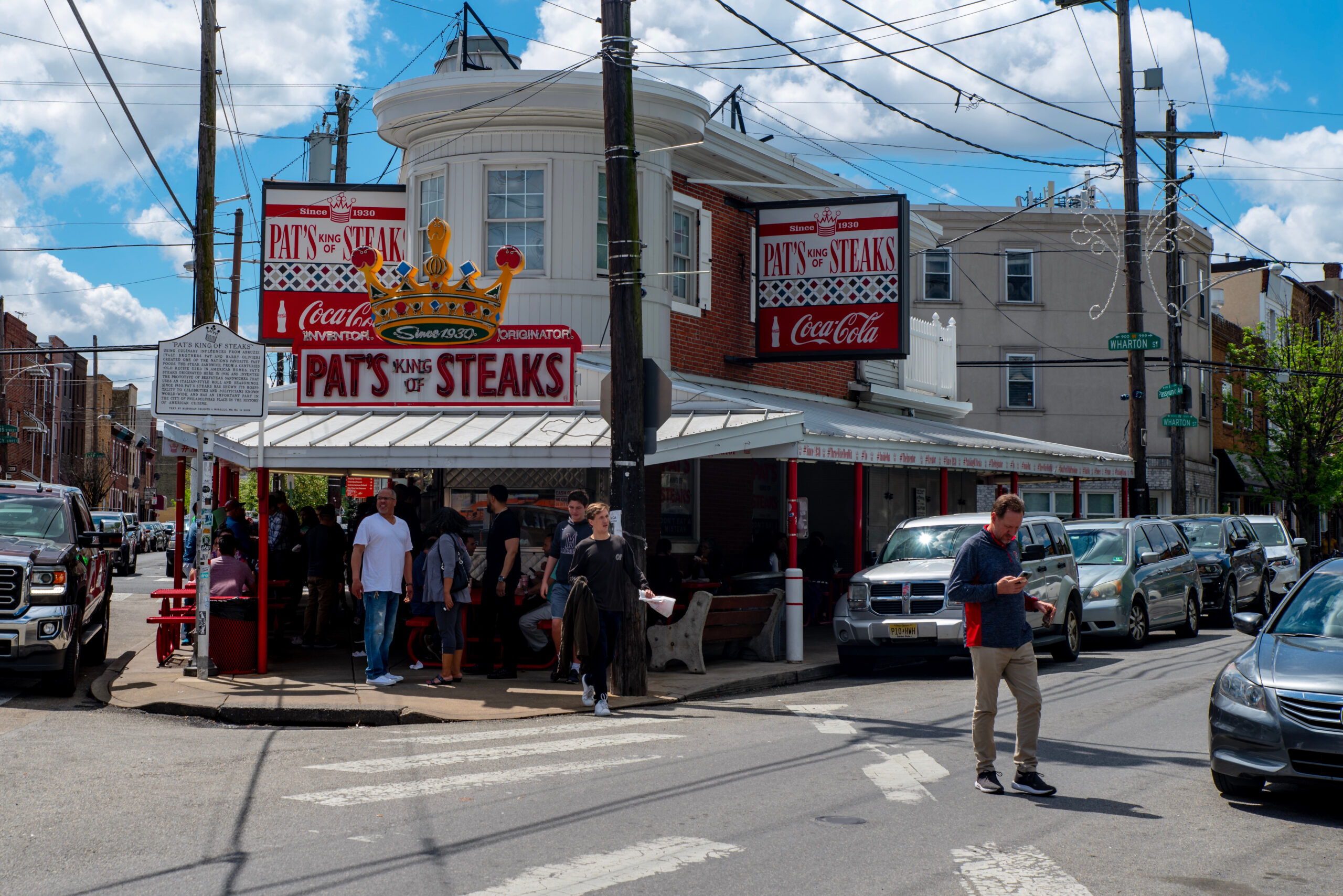
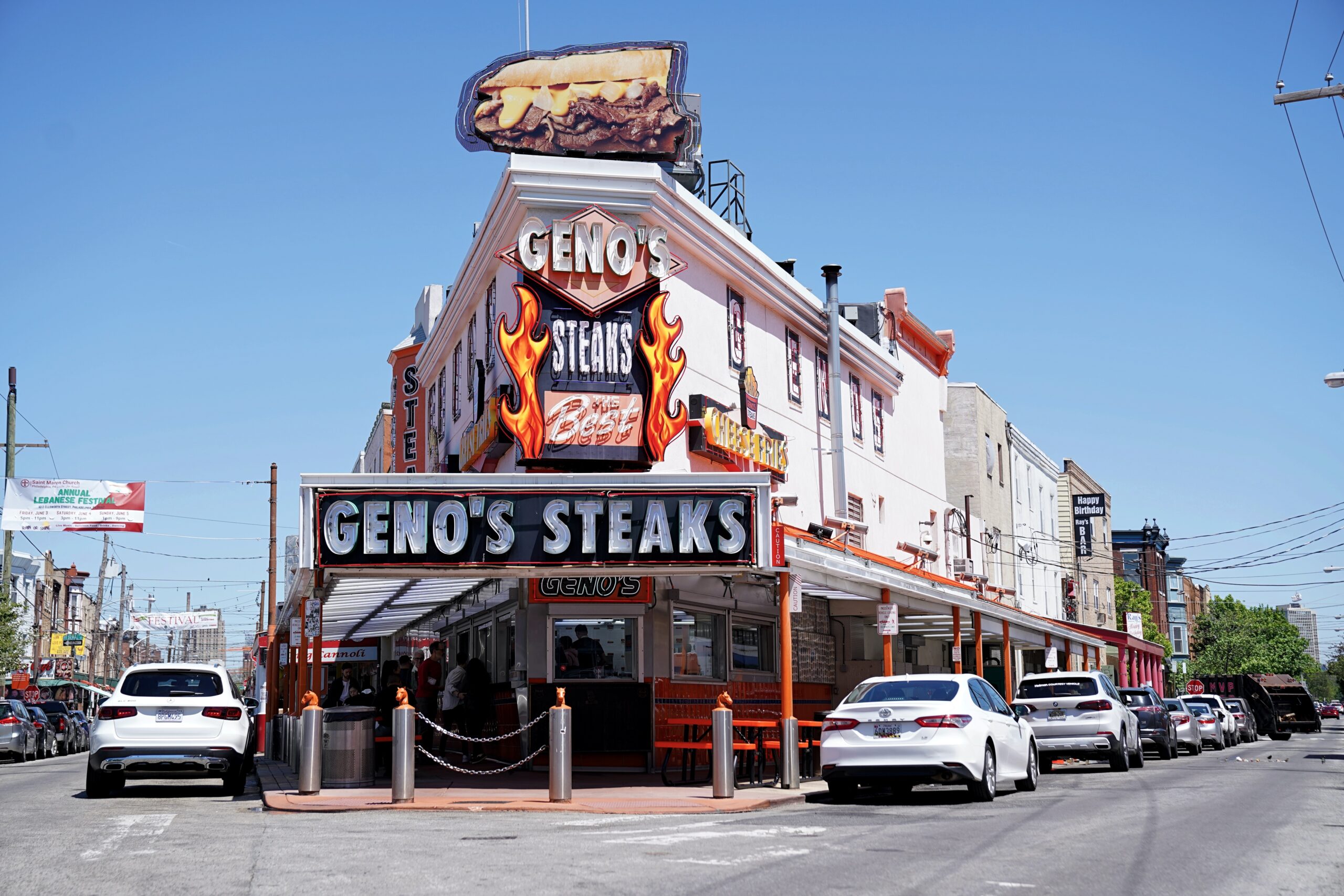
Most shops will probably just keep buying from Tyson’s new facilities if they don’t switch suppliers.
But it’s a symbolic loss.
The meat on your next cheesesteak may still taste the same…
But the fact that it’s not coming from Philly anymore just doesn’t feel right.
Shutterstock
This city used to be packed with working-class food production jobs – meat, snacks, candy, soft pretzels.
But these days, those jobs seem to be disappearing.
And with each closure, the old identity of Philly gets a little blurrier.
Shutterstock
These closures hurt more than just the people inside those plants:
– Local truckers lose contracts
– Packaging companies lose orders
– Cafes near the plants lose regulars
It’s a chain reaction, and it’s already begun.
Shutterstock

Technically, workers got 60 days’ notice under WARN Act rules.
But practically, many found out just months before their last shift.
Not a lot of time to switch careers or find a similar job in the neighborhood.
Shutterstock
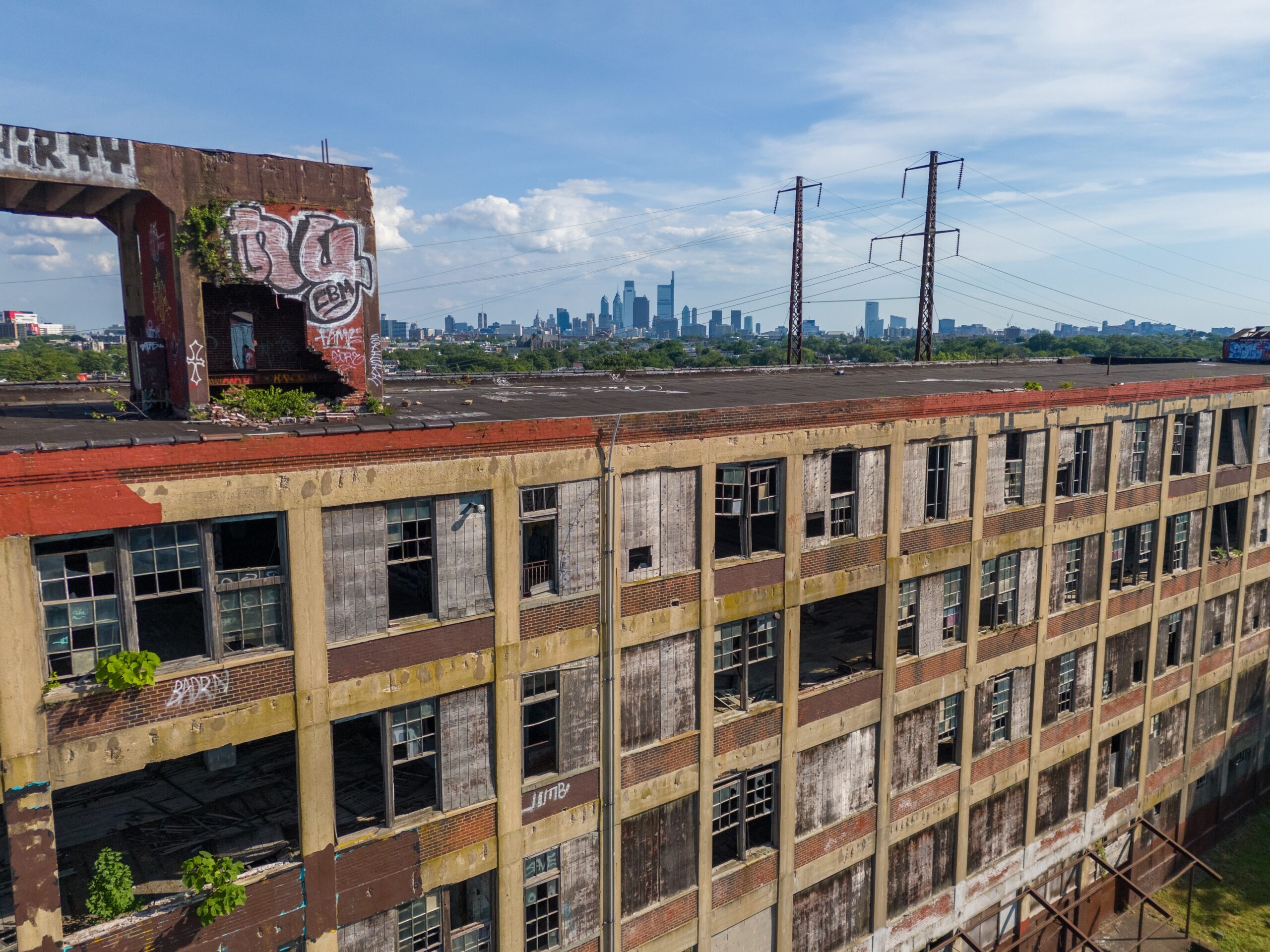
So far, there’s no replacement for the two Tyson buildings.
No new jobs announced. No plans for redevelopment.
The Bourse is “closed for reimagining,” but no tenants have been confirmed.
In other words: don’t count on new food jobs anytime soon.
Shutterstock
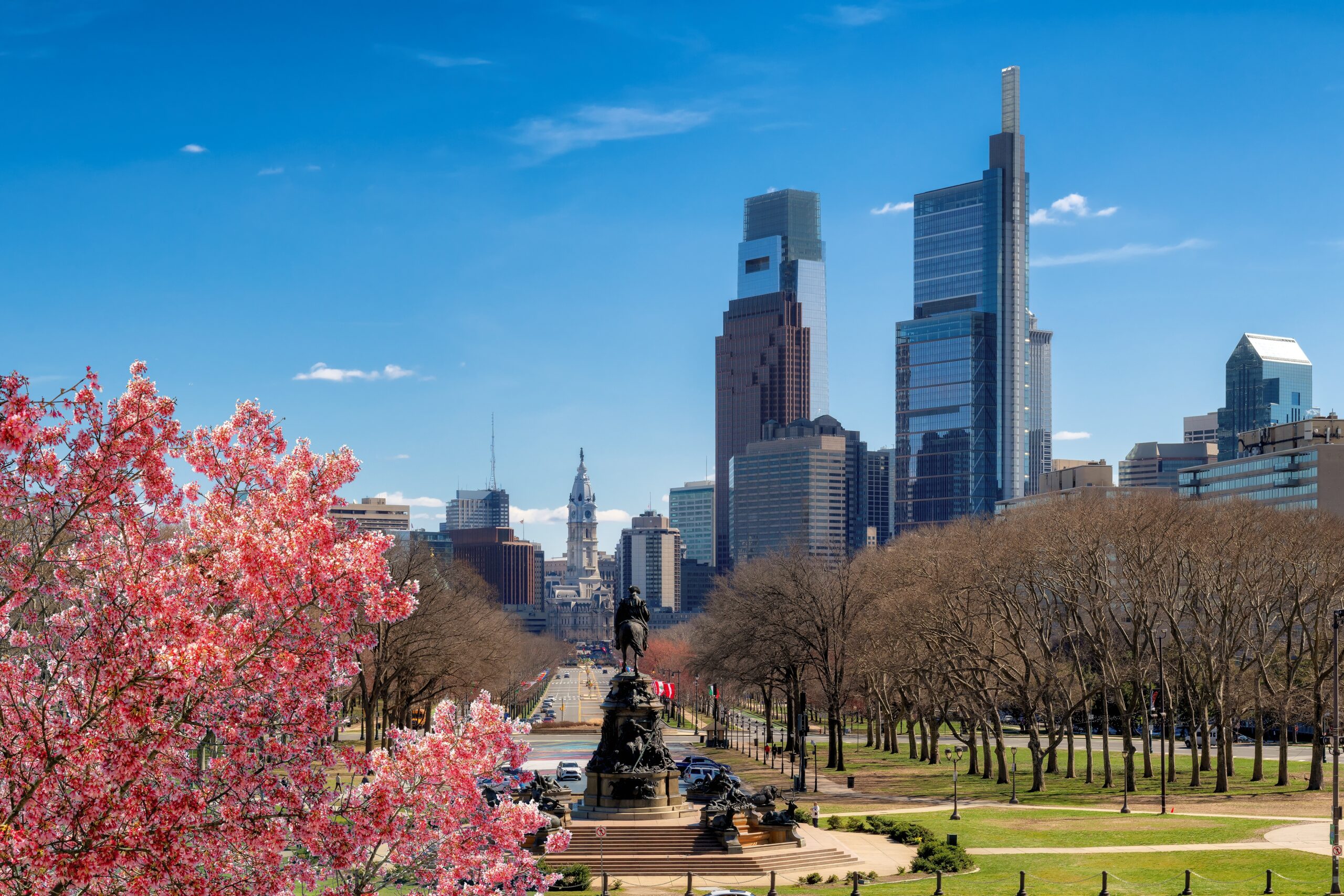
Between Tyson’s two plant closures and the Bourse shutdown, over 250+ food-related jobs have disappeared from the city this past year.
And they’re not coming back. Tyson is relocating production out of state, and the Bourse remains shuttered with no confirmed replacements.
That’s a true job exodus: not just layoffs – jobs leaving Philadelphia entirely.
Shutterstock
So, what do YOU think?
Do the recent food facility closures in Philly concern you? Are more factory jobs vanishing where you live?
Drop your thoughts in the comments!
Shutterstock




Leave a Comment