
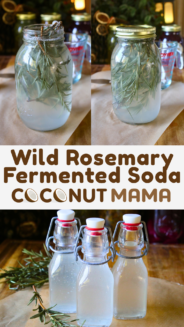
Have you ever made your own naturally fermented soda at home? This Rosemary Wild Soda is a fun way to experiment with wild fermentation using just fresh rosemary, water, and a little sugar or honey.
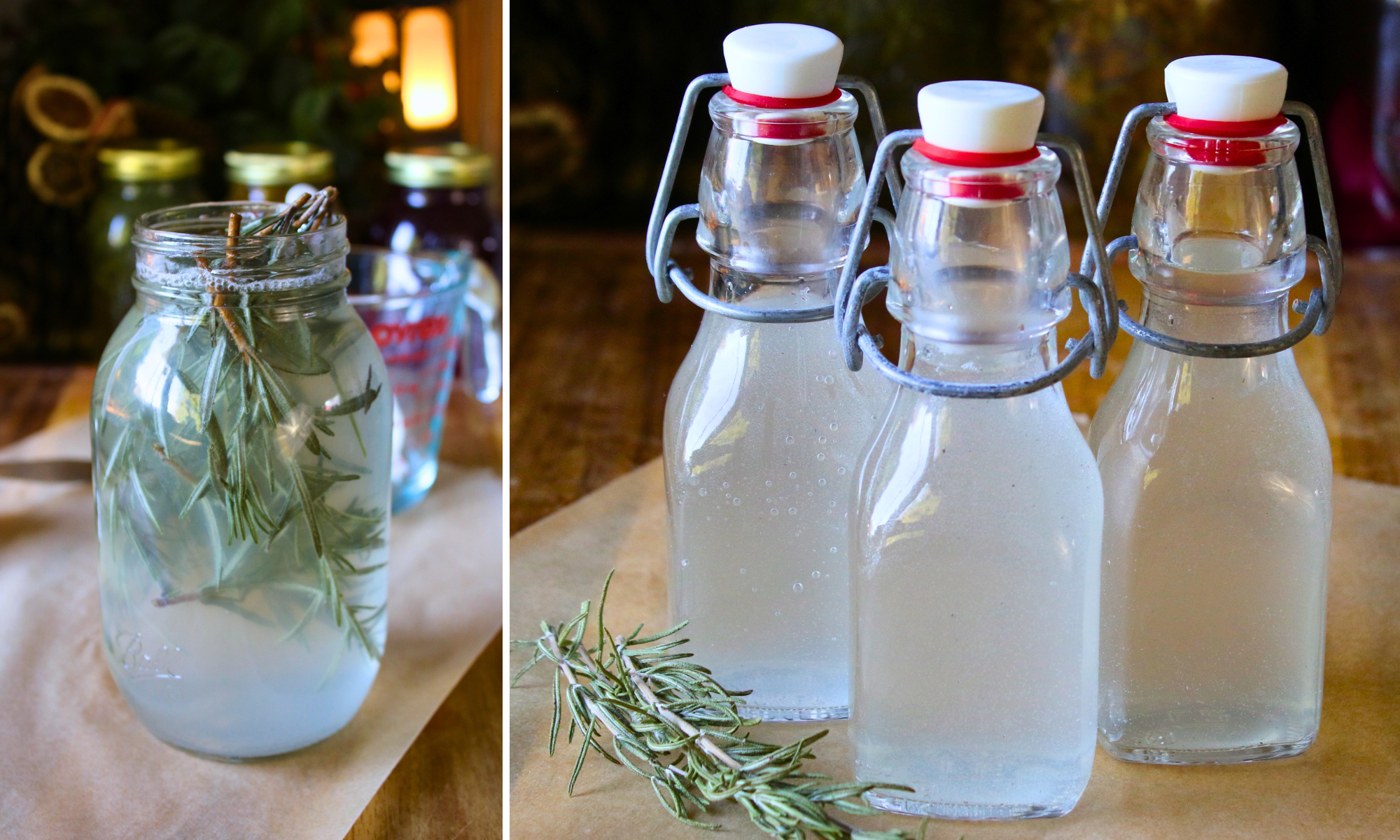
Unlike traditional homemade soda recipes that use commercial yeast, this recipe relies on naturally occurring microorganisms on the rosemary to begin fermentation. As fermentation develops, the mixture may become lightly bubbly, creating a refreshing herbal drink with a subtle sweetness and a fresh, woodsy flavor.
I love recipes like this because they encourage us to slow down and experiment with the ingredients growing around us. Fresh rosemary is easy to find in the garden or grocery store, and its fragrant, pine-like aroma makes it a lovely ingredient for homemade drinks.
The process is simple, too. Combine the water and sweetener, add fresh rosemary sprigs, and allow the mixture to ferment while you monitor it. You can enjoy the finished soda as it is or give it a second fermentation with fresh ginger or berries for extra flavor and carbonation.
If you’re curious about fermentation or looking for a creative way to use fresh herbs, this wild rosemary soda is a fun kitchen project. Just keep in mind that wild fermentation can be unpredictable, so cleanliness, careful observation, and proper handling are important.
How to Make Rosemary Wild Soda
Step 1: Combine the water and sweetener
Add 1 quart of filtered water and ¼ cup of sugar or honey to a clean, quart-sized mason jar. Secure the lid and shake until the sweetener has dissolved.
Step 2: Add the rosemary
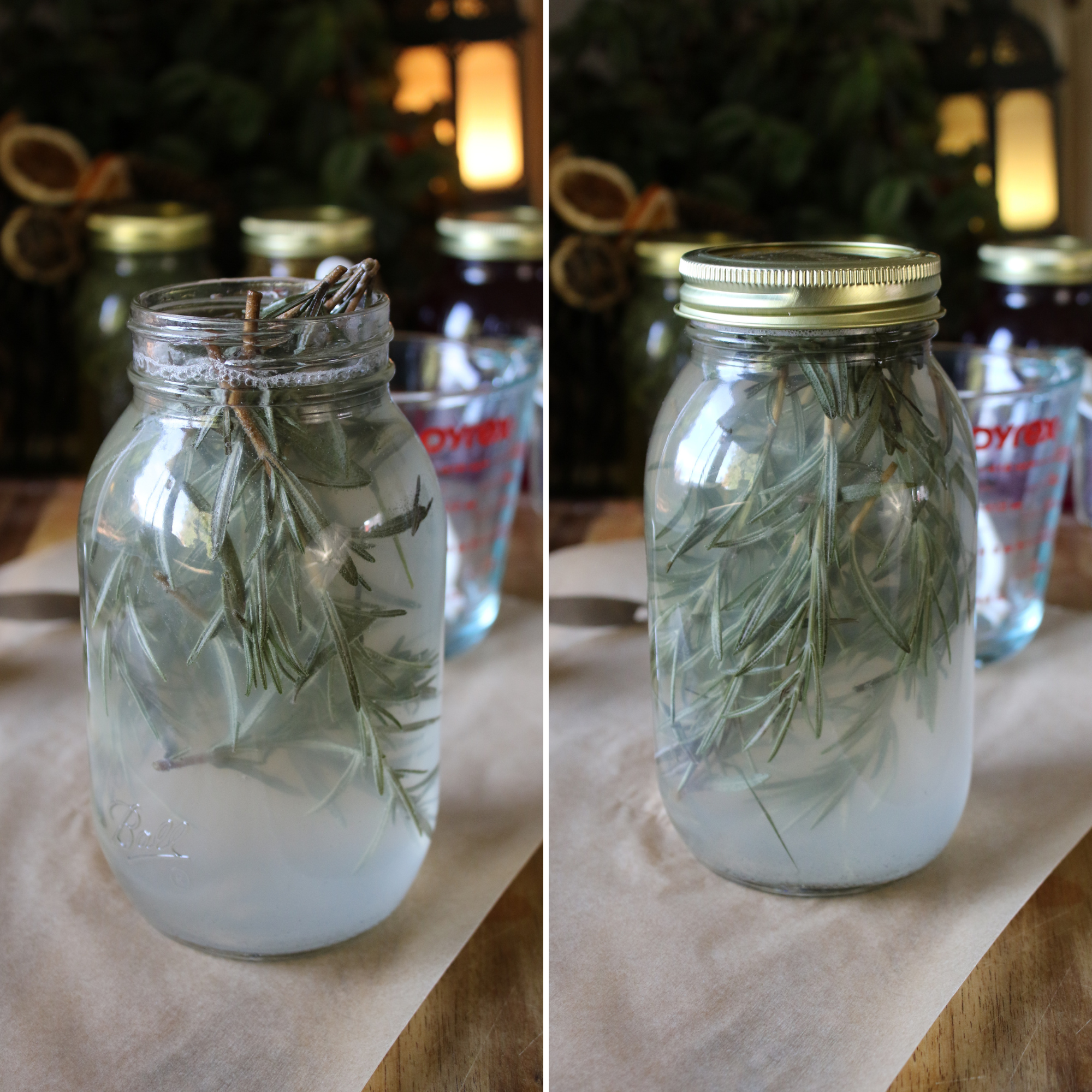
Add 4–5 fresh rosemary sprigs to the jar. Make sure the rosemary is clean and suitable for culinary use. If needed, add a little more water so the sprigs are submerged.
Step 3: Begin fermentation
Cover the jar and place it in a cool, dark location. Allow the mixture to ferment for approximately 3–4 days, checking it regularly for changes in aroma and signs of activity.
If using a tightly closed jar, carefully release any built-up pressure daily. Avoid shaking a pressurized jar, and open it slowly, pointed away from your face.
Wild fermentation is variable, and the mixture may not ferment successfully every time. Discard it if you notice mold, unusual discoloration, a slimy texture, or an unpleasant rotten smell. Do not taste a batch that appears spoiled.
Step 4: Strain the rosemary
Once the mixture shows signs of fermentation and has developed a pleasant herbal aroma, strain out the rosemary using a clean strainer.
If there are no clear signs of fermentation, don’t assume the soda is ready simply because 3–4 days have passed.
Step 5: Optional second fermentation
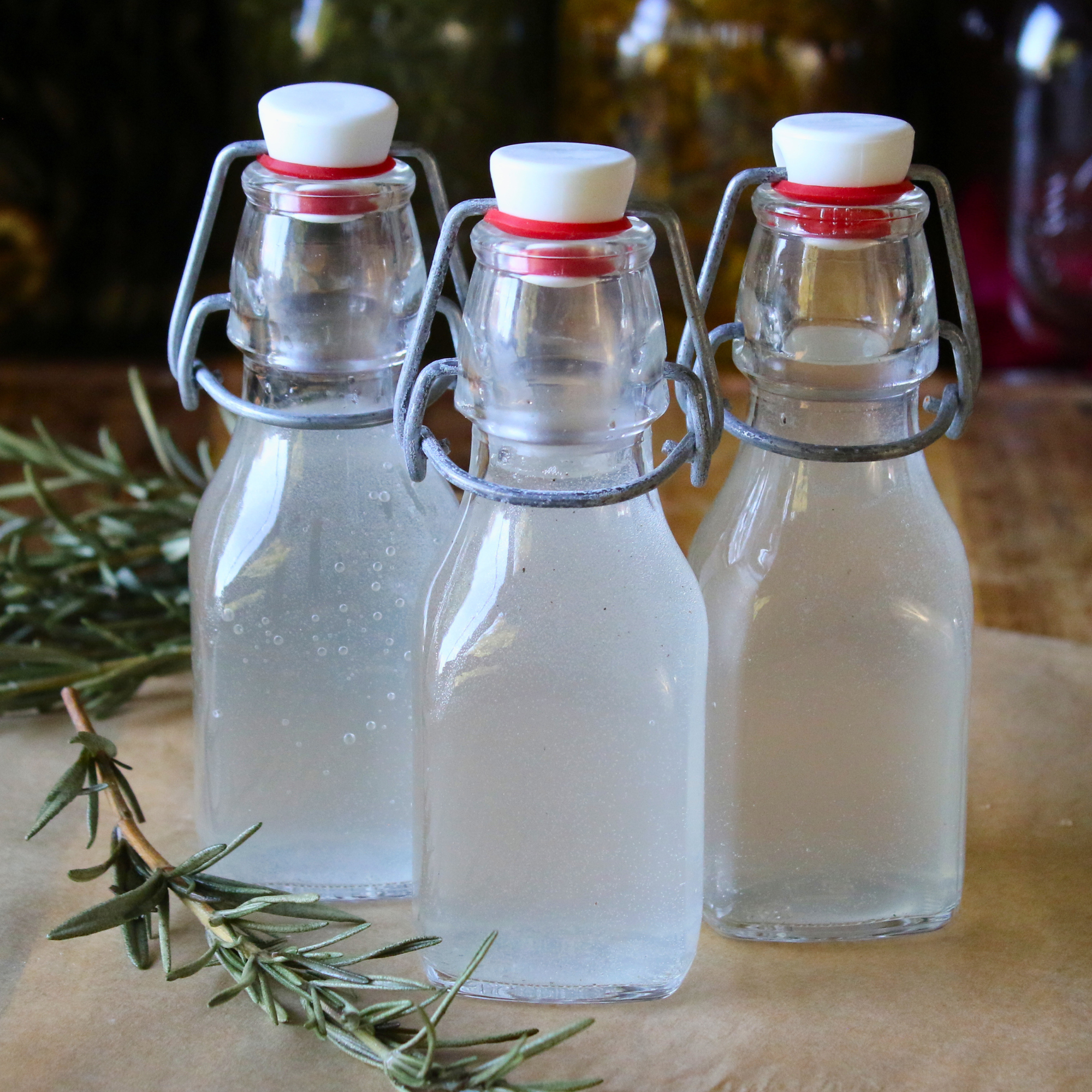
For additional carbonation, transfer the strained liquid to clean, pressure-rated fermentation bottles, such as suitable swing-top bottles.
You can add a small amount of fresh ginger or berries for extra flavor. Leave appropriate headspace according to the bottle manufacturer’s directions, and monitor the bottles carefully for pressure buildup.
The original recipe uses about three additional days for this second fermentation, but timing can vary. Refrigeration slows fermentation but does not immediately stop it. Open bottles slowly and carefully, and never use ordinary glass bottles that aren’t designed to withstand pressure.
For the simplest approach, skip the second fermentation and refrigerate the strained drink in a suitable clean container.
Tips for the Best Rosemary Wild Soda
Use fresh culinary rosemary. Choose healthy sprigs that haven’t been treated with pesticides or other products unsuitable for food.
Start with clean equipment. Wash your jar, strainer, and any bottles thoroughly before beginning. Clean equipment helps reduce the risk of unwanted microbial growth.
Be patient with wild fermentation. Unlike a recipe made with a measured amount of commercial yeast, wild fermentation depends on the microorganisms present on the plant and in the environment. Results can vary.
Watch for signs of spoilage. Mold, a rotten odor, unusual discoloration, or a slimy texture are reasons to discard the batch. Smell and appearance alone cannot confirm that a fermented drink is safe.
Be careful with carbonation. Fermentation can produce substantial pressure in sealed bottles. Use only bottles designed for carbonation, monitor pressure closely, and chill before opening.
Experiment with flavor. Fresh ginger adds a spicy note, while berries can lend a fruity flavor. Start with small additions so you can learn which combinations you enjoy.
Frequently Asked Questions
What does rosemary wild soda taste like?
Rosemary has a fresh, woodsy, slightly pine-like flavor. The finished drink may be lightly sweet and herbal, with some tartness or carbonation depending on how fermentation develops.
Does rosemary soda contain alcohol?
Wild fermentation can produce small amounts of alcohol as well as carbon dioxide. The amount depends on the ingredients and fermentation conditions, so this recipe should not be assumed to be alcohol-free.
Why isn’t my rosemary soda bubbling?
Wild fermentation depends on naturally occurring microorganisms, so activity can vary. Temperature, the condition of the rosemary, and other environmental factors may affect the process. Lack of bubbles does not tell you whether a batch is safe.
Can I use honey instead of sugar?
Yes. The original recipe allows either sugar or honey. Both provide fermentable sugars, although the flavor and fermentation behavior may differ.
Can I use dried rosemary?
This recipe was developed for fresh rosemary. Dried rosemary may behave differently and may not provide the same fermentation results, so I recommend starting with fresh culinary rosemary.
How should I store rosemary wild soda?
Once strained, refrigerate the drink in a clean, suitable container. Refrigeration slows fermentation but does not guarantee that fermentation has stopped. If you have bottled it for a second fermentation, continue monitoring pressure and handle the bottles carefully.
Related Recipes
PrintRosemary Soda: A Naturally Fermented Herbal Soda
Have you ever made homemade wild-fermented soda? This Rosemary Wild Soda is a fun kitchen fermentation project made with fresh rosemary, water, and sugar or honey. The result is a fragrant, herbal drink with a fresh, woodsy flavor. You can also experiment with fresh ginger or berries for a flavorful twist. Learn how to make this unique homemade herbal soda and explore the basics of wild fermentation!
Ingredients
- 1 quart filtered water
- 1/4 cup sugar or honey
- 4–5 sprigs fresh rosemary
Optional second fermentation additions:
- Fresh ginger
- Berries
Instructions
- Add the filtered water and sugar or honey to a clean, quart-sized mason jar. Shake until the sweetener dissolves.
- Add the fresh rosemary sprigs, making sure they are submerged.
- Cover the jar and place it in a cool, dark location for approximately 3–4 days. Monitor it regularly and carefully release built-up pressure if the jar is tightly closed.
- Check for signs of fermentation and spoilage. Discard the batch if you notice mold, an unpleasant rotten smell, unusual discoloration, or a slimy texture.
- Once fermentation is evident and the mixture has a pleasant herbal aroma, strain out the rosemary.
- For additional carbonation, transfer the liquid to clean, pressure-rated bottles and optionally add ginger or berries. Monitor pressure carefully; fermentation time will vary.
- Refrigerate the finished drink. Open any carbonated bottle slowly and carefully.
Notes






Leave a Comment