
When it comes to sweeteners, there are two well-known contenders on different ends of the dietary spectrum: sugar and saccharin. Sugar, known as the generic name for soluble carbohydrates, is commonly found in various foods. It consists of simple sugars like glucose, fructose, and galactose, with sucrose being the most commonly used form extracted from sugar cane or sugar beet.
Saccharin is what is known as a non-nutritive artificial sweetener. Also known as saccharine or benzosulfimide, it is incredibly sweet, about 200-700 times sweeter than sucrose, but it can have a bitter aftertaste, especially at high concentrations. Let’s take a closer look at the differences between these two sweetening options.
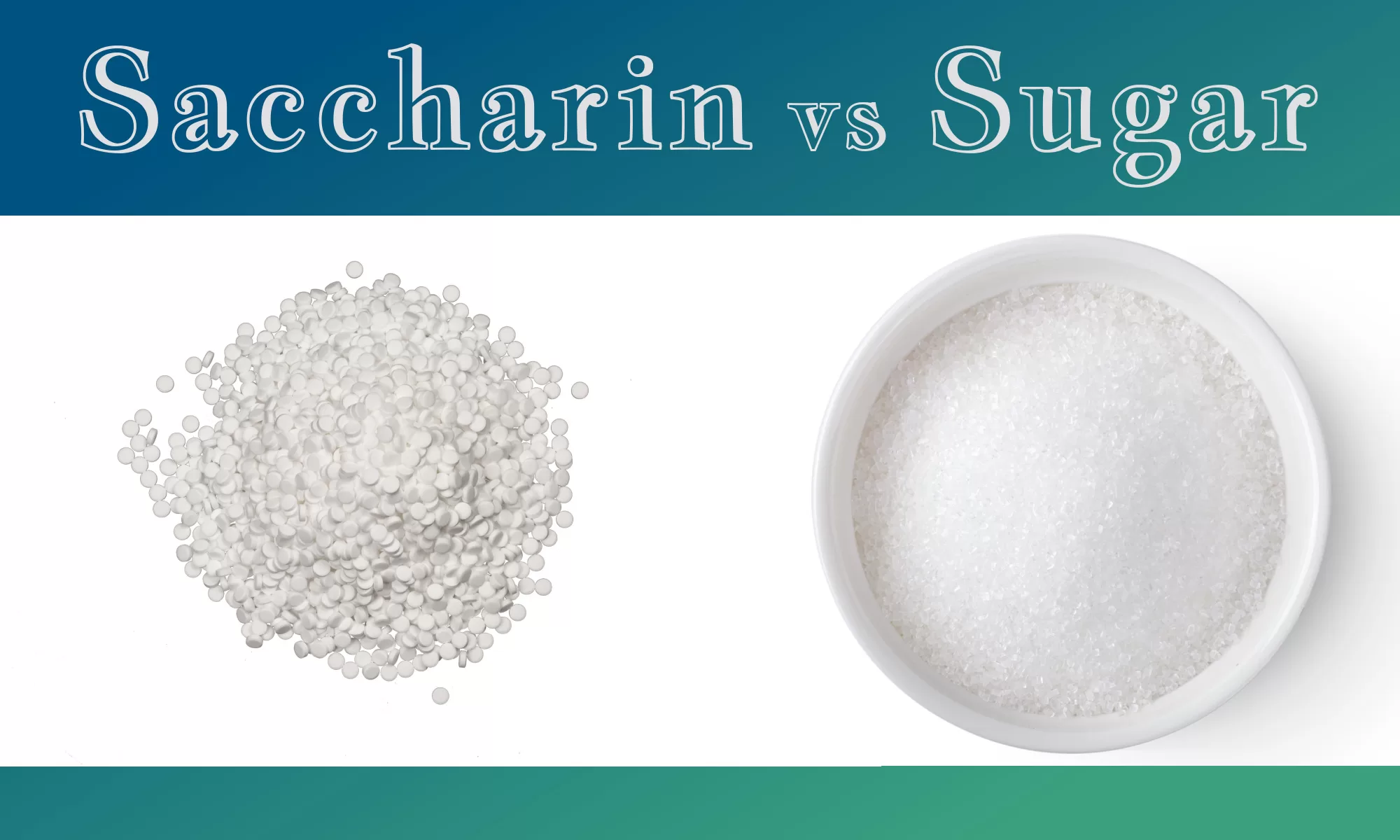
Comparing Saccharin vs Sugar
| Saccharin | Sugar | |
| Substitution ratio | 6 grams saccharin: ¼ cup sugar | ¼ cup sugar: 6 grams saccharin |
| Gluten-free? | Yes | Yes |
| Keto-friendly? | Technically | No |
| Paleo-friendly? | No | No |
| Common Allergens | Saccharin, sulfonamide | Sugarcane |
| Pantry shelf life (unopened/sealed) | 3-5 years | 2 plus years |
| Best for baking | Best for sweetening diet or low-sugar products. | Cakes, pastries, and various desserts |
Differences Between Saccharin And Sugar
Saccharin and sugar are two distinct substances with different properties and uses. While sugar is a naturally occurring sweetener found in various foods, saccharin is an artificial sweetener manufactured in a laboratory.
Apart from its sweet taste, sugar serves multiple functions in food technology, including acting as a preservative, texture modifier, and coloring agent.
On the other hand, saccharin is an artificial sweetener devoid of calories. It is produced in a laboratory by oxidizing chemicals such as o-toluene sulfonamide or phthalic anhydride. Saccharin is typically available as a white crystalline powder. Its primary use is as a non-nutritive sweetener, offering a calorie-free alternative to sugar. Due to its intense sweetness, manufacturers often combine saccharin with other sweeteners, like aspartame, to balance its slightly bitter taste. The Food and Drug Administration has approved saccharin for use as a sweetening agent in various items.
Taste and Culinary Uses
Sugar is considered the gold standard of sweet taste and boasts a clean, pleasant sweetness that hits quickly without lingering or leaving any aftertaste. Its versatility in the kitchen extends beyond purely adding sweetness. It brings color to baked goods and contributes to the texture and mouthfeel of sauces, syrups, and beverages.
Saccharin offers an intense flavor hit that requires only a small amount to achieve the desired taste. However, it can possess an unpleasant, bitter aftertaste.
Saccharin stands out as one of the most cost-effective low-calorie sweeteners available, making it a popular choice as a sugar substitute in cooking. It finds application in a wide range of low-calorie processed foods like fruit juice, candy, jams, jellies, and packaged cookies. In diet carbonated beverages, saccharin, often used in combination with aspartame, which can take the edge off the intensely sweet nature and aftertaste.
Are Saccharin and Sugar Substitutes for Each Other?
To replace ¼ cup of sugar, use 6 packets of 1-gram saccharin each. Keep in mind this is much less volume-wise than sugar, so you will need to reduce your liquid ingredients and expect a very different texture in your bake.
Nutritional Profile And Health Benefits
- Name: Table sugar (granulated sugar, sucrose)
- Serving Size: 2 tsp.
- Calories: 30
- Total Carbs: 8 g
- Sugars: 8 g
- Glycemic Index (GI): 65
- Name: Saccharin
- Calories: 0
- Total Carbs: 0 g
- Sugars: 0 g
- Glycemic Index (GI): 0
Sugar is a simple carbohydrate that offers a rapid supply of energy (glucose) for the body. Glucose is essential for the functioning of cells, tissues, and organs. On the other hand, saccharin may contribute to the reduction of cavities and slight weight loss. It is important to note that the associated benefits are not a result of the sweetener itself but rather the reduction or avoidance of sugar. It is worth mentioning that excessive consumption of both sugar and saccharin can pose potential risks to health.
Diet Suitability
First, let’s talk about saccharin. It is considered suitable for vegan diets as it does not involve animal-derived ingredients. However, saccharin is not recommended for those following a keto diet as there are better alternatives available.
On the other hand, sugar raises concerns for multiple diet preferences. While it is not directly an animal product, sugar’s refining process often involves the use of bone char, making it unsuitable for vegan diets. In terms of keto-friendliness, sugar falls short as it is not considered a suitable sweetener. Similarly, for paleo and Whole30 diets, sugar is not recommended due to its refined nature.
Most artificial sweeteners, including saccharin, are generally discouraged for paleo diets. This is attributed to their chemical composition, making them difficult to digest and misaligned with the principles of this dietary approach. Furthermore, sugar substitutes like saccharin are not approved for the Whole30 program, which emphasizes whole, unprocessed foods.
How to Store Saccharin and Sugar
For optimal storage, it is recommended to keep sugars at room temperature in an airtight container. This will help maintain their freshness and prevent moisture absorption. Store your saccharin in a sealed container to preserve its quality.
Price and Availability
Sugar is priced as low as 25 cents per pound, while the cost of saccharin starts at $1.71 per pound and upward. Both are easily found at supermarkets.
Environmental Impact
Saccharin has been associated with several environmental concerns when compared to sugar. While both have their own set of impacts, saccharin tends to pose greater challenges in terms of pollution and ecological damage.
One significant environmental drawback of saccharin is the production process itself. The manufacturing of saccharin involves the use of various toxic chemicals, leading to harmful byproducts and emissions. This not only contributes to air pollution but also raises concerns about water contamination. The release of these hazardous substances during production can have adverse effects on aquatic ecosystems, impacting organisms such as algae and water fleas.
The decomposition of saccharin is facilitated by UVA radiation, which can result in the pollution of water bodies. The residues of saccharin have been found to negatively impact aquatic life, causing damage to species and disrupting the balance of ecosystems. This pollution not only affects smaller organisms but can also have cascading effects on larger marine animals.
Saccharin has also been linked to potential health risks. Some studies suggest that excessive consumption of saccharin may disturb the balance of bacteria in the gut, which can contribute to health issues.
While sugar production also has environmental implications, it does not involve the same levels of chemical processing as saccharin. While sugar production may contribute to deforestation and habitat loss in some cases, its impact on water pollution and ecosystem disruption is relatively lower compared to saccharin.
Saccharin vs. Sugar: The Ultimate Verdict
I cannot stand the taste of saccharin, and with the abundance of alternative sugars and sweeteners out there, I don’t have to! It is sugar all the way for me, and if I need a low or no-sugar option, I’d opt for something like monk fruit sweetener instead.
FAQs
In the majority of cases, opting for natural sugars proves to be a much preferable choice compared to either artificial sweeteners or regular table sugar. However, individuals with diabetes or prediabetes should still exercise caution when consuming certain types of natural sugars.
Saccharine possesses a sweetness that surpasses sugar by 200 to 700 times. It is suitable for usage in baked goods, but the texture will be different. Use 6 (1-gram) packets per each ¼ cup of sugar as a substitute.
Consuming saccharin may have potential benefits, such as contributing to cavity prevention and supporting weight loss, albeit to a limited extent. However, any advantages associated with saccharin are not attributed to the sweetener per se but rather to its ability to lessen sugar consumption.




Leave a Comment