

Target, one of the nation’s most popular department stores, has taken a big financial hit.
It all has to do with some of the political unrest that has unfolded over the past several months since Trump took office. For Target specifically, the issue began with a major decision made the day the current president was inaugurated. (He didn’t waste any time.)
Follow The Coconut Mama
• For fun lists, healthy living tips, and bar conversation topics, make sure to follow The Coconut Mama. Click here to access The Coconut Mama’s profile page and be sure to hit the Follow button here or at the top of this article!
• Have feedback? Add a comment below!
Shutterstock

The Executive Order signed by Trump on January 20, 2025 called ‘Ending Radical and Wasteful Government DEI Programs and Preferencing’ is where the trouble for Target began.
This order aims to halt diversity, equity, and inclusion (DEI) efforts within organizations. Let’s look at what DEI initiatives entail.
Shutterstock

According to researchers, DEI initiatives may have originated as early as the 1960s, but they really took off around 2020 as a response to calls for more racial justice.
DEI programs aim to offer fair access to opportunities among historically underrepresented people based on factors like race, gender, disability, and LGBTQ+ status.
Shutterstock

In addition to recruiting potential employees based on factors like race and gender, DEI initiatives offer resource groups for specific populations (such as for veterans, LGBTQ+, etc).
The initiatives also promoted employee training on topics like unconscious bias and cultural competency in order to reduce discrimination.
Shutterstock
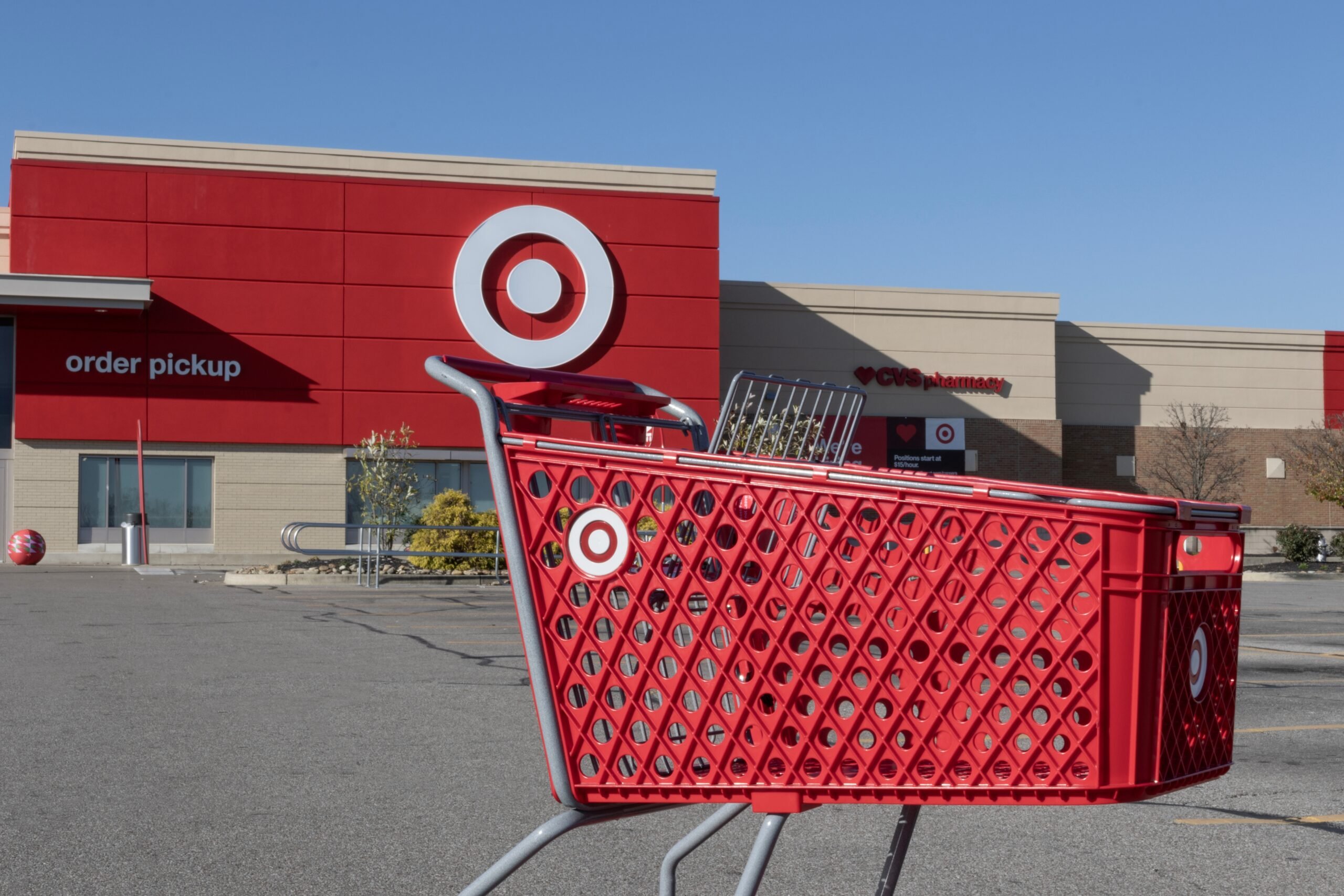
Target was quick to scale back on its DEI efforts and took action the same month the order was signed.
Target dropped its REACH initiative, which “strives to prevent and remedy unlawful employment discrimination by ensuring that workers have access to the EEOC’s services and know their rights”, according to the U.S. Equal Employment for Opportunity Commission (EEOC).
That’s not all Target did…
Shutterstock

Target also ended its Supplier Diversity program, which focused on choosing more diverse suppliers, such as women-owned businesses, veteran-owned businesses, and other potentially underrepresented groups.
Both of these major changes sparked customer outrage, and controversy ensued…
Shutterstock

Activists began boycotting Target as early as February 1st. For example, many Black church leaders encouraged members to stay away from Target permanently after its cessation of the DEI initiatives.
There was true backlash against Target, but things were made even worse by fake accounts…
Shutterstock

According to a tech firm analyzing social media posts, 27% of the social media accounts denouncing Target were determined to be fake, which “contributed significantly to the viral backlash”, according to the firm.
Some of these campaigns, titled “Target Fast”, “40-day boycott”, and #EconomicBlackout, aimed to cut Target’s earnings as retaliation for nixing its previous DEI initiatives.
It turns out, these efforts weren’t in vain.
Follow The Coconut Mama
• For fun lists, healthy living tips, and bar conversation topics, make sure to follow The Coconut Mama. Click here to access The Coconut Mama’s profile page and be sure to hit the Follow button here or at the top of this article!
• Have feedback? Add a comment below!
Shutterstock

Target’s earnings took a bit hit, reporting a year-over-year earnings drop by a whopping $685 million during its Q1 earnings report.
Target’s Q1 is February-April (their fiscal year doesn’t follow the calendar year) and ends in early May. That means that, compared to Q1 2024, earnings were $685 million lower in Q1 2025.
That’s HUGE…
Shutterstock

While the DEI-related boycotts certainly made an impact on Target’s earnings, there are several other factors at play.
Inflation, tariffs, supply chain issues, and general economic uncertainty are leading to slowed consumer spending. This reduced spending doesn’t just apply to things like electronics, clothing, and personal care products, though…
Shutterstock

If you’ve noticed your grocery budget is being stretched more than ever, you’re not alone.
According to the U.S. Bureau of Labor Statistics, food and beverage prices increased by 1.85% between 2024 and 2025, which exceeds the rate of inflation (around 1.65%).
Given that around 22% of Target’s earnings were within the food and beverage realm, it’s likely taken a bit of a hit as consumers pare down on their grocery spending when possible.
Shutterstock

It’ll take some time to see where Target sits as time goes on, but it’s obvious that the consumer backpack and targeted boycotts (no pun intended) made a big impact on the company’s revenue. (It’s not the only company ending DEI initiatives.)
What do you think of Target’s decision to nix its DEI programs? Does it impact your spending at Target?
Shutterstock




Leave a Comment