
Texas has no shortage of restaurants, but some closures still feel bigger than a routine business update.
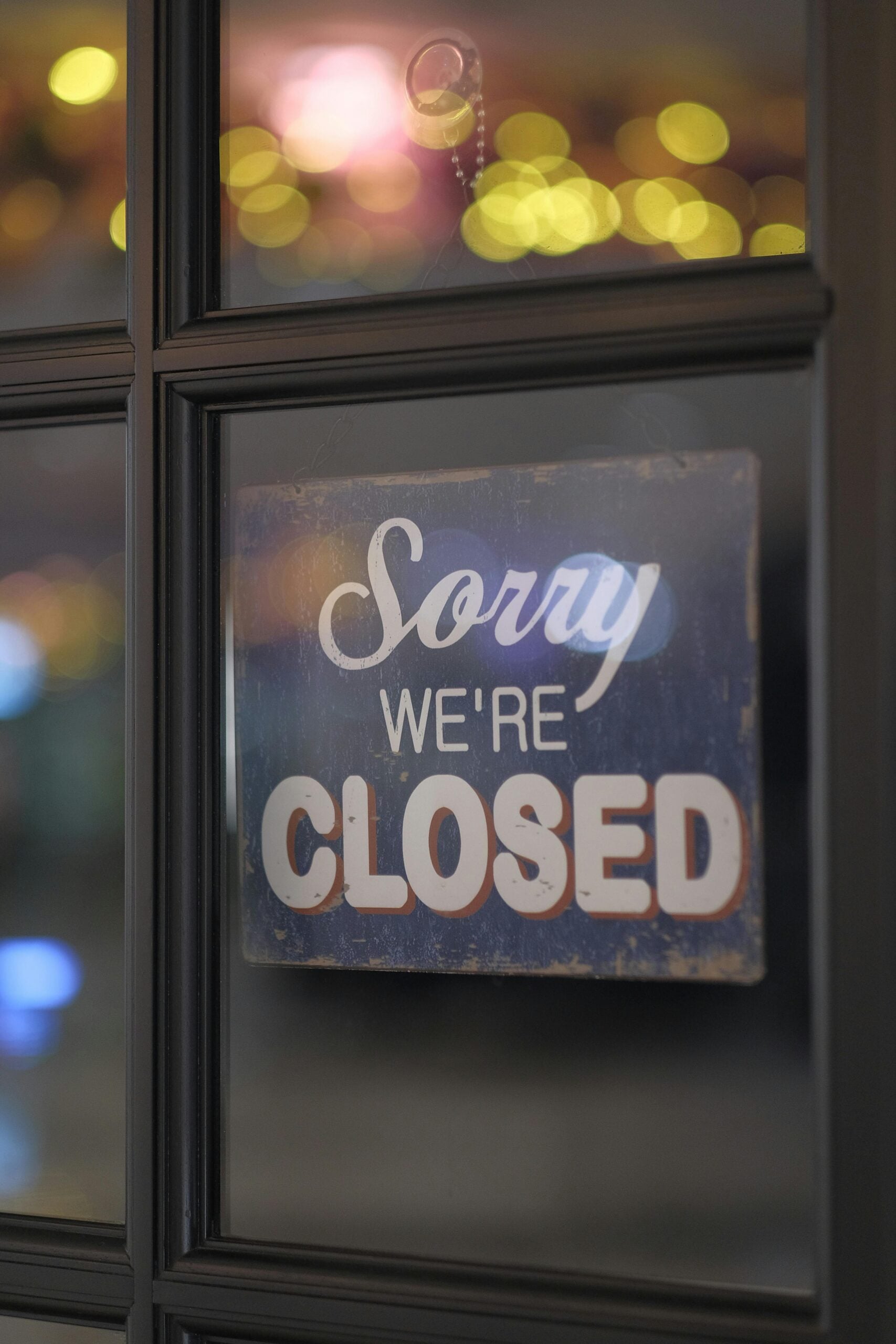
This month, three locally loved Texas restaurants either closed or announced their final days, adding to a difficult stretch for independent dining spots across the state. From an acclaimed Cajun restaurant in Dallas to a longtime Round Rock staple and a family-run barbecue spot in Cedar Hill, each closure represents a different kind of loss.
These were not just places to grab dinner. They were neighborhood gathering spots, family businesses, road-trip stops, date-night destinations and local favorites that built real followings.
Restaurant Beatrice in Dallas
Restaurant Beatrice in Dallas closed this month after a little more than four years in Oak Cliff.
The Cajun and Creole restaurant, located at 1111 N. Beckley Ave., served its final brunch on Sunday, June 7, 2026. The closure was especially painful for Dallas diners because Beatrice had quickly become one of the city’s more distinctive restaurants.
Chef and co-owner Michelle Carpenter, along with her partner and co-owner Hanh Ho, built the restaurant around Cajun cooking, family roots and a deeper sense of Louisiana food traditions. Carpenter named the restaurant after her grandmother, Beatrice — “Mammaw” — whose cooking shaped her own approach. It was not a generic seafood restaurant or another polished New American spot. Beatrice had a point of view.
The restaurant earned attention from local food writers and diners for dishes that felt personal, regionally specific and deeply tied to Carpenter’s background. It also became the first restaurant in Texas to earn B Corporation certification, a recognition tied to its sustainability practices, environmental reporting and community programs like the Women in Restaurants Leadership Program. For Oak Cliff, Beatrice added something special to a neighborhood already known for independent restaurants with strong identities.
The reason for the closure was personal. Carpenter has been recovering from surgery to remove a brain tumor, and running a demanding restaurant while focusing on recovery was no longer sustainable. Carpenter’s other restaurant, Zen Sushi in Bishop Arts, remains open.
That made the goodbye feel different. Beatrice was not closing because customers stopped caring. It closed because a beloved local restaurant still depends on the health and capacity of the people behind it.
Louisiana Longhorn Café in Round Rock
Louisiana Longhorn Café in Round Rock is closing June 20, 2026, ending a run that began in 1999.
For more than 25 years, the Cajun restaurant served downtown Round Rock with gumbo, étouffée, po’boys, fried catfish and other Louisiana-inspired comfort food. Longtime restaurants like that become part of a city’s routine. People remember the food, but they also remember the birthdays, lunches, dinners and ordinary nights that happened there.
The restaurant was opened in 1999 by Melinda and Ray Overstreet, who ran it for more than two decades before selling it in December 2021 to Jenny and Warren Smith, the owners of Texan Cafe and Pie Shop in Hutto. The new owners had pledged to maintain the staff, concept and menu — and they did, for about four and a half more years before this month’s closure announcement.
The restaurant has not publicly detailed the specific business reasons behind the decision. Its June 5 social media announcement was a thank-you to the community rather than a list of causes. That kind of farewell is common — many longtime independent restaurants close due to some mix of rising food costs, shifting downtown traffic patterns, lease pressures or owner timing, but the cafe itself has not spelled out which factors weighed most.
Louisiana Longhorn Café’s closure is also notable because of its longevity. Restaurants that last more than 25 years have usually survived multiple economic cycles, changing customer habits and plenty of competition. When one finally shuts down, it feels like the end of a local era.
For Round Rock, the loss is not just another empty storefront. It is the disappearance of a downtown staple.
Mija Barbecue in Cedar Hill
Mija Barbecue in Cedar Hill is closing June 27, 2026, ending a roughly seven-year journey that started in a backyard.
The family-owned business was founded in 2019 by Ryan and Bailey Siegler, who began with backyard barbecue and grew into a pop-up operation, often partnering with Ash & Ember Brewing in Cedar Hill. Their success led to a brick-and-mortar location at 406 W. Belt Line Road, which opened in 2024 inside a converted 1938 house. The restaurant proper has been open for about two years, but the broader Mija project has been part of the Cedar Hill food scene for about seven.
Mija became known for what the Sieglers call “Texican” barbecue — Central Texas-style smoked meats blended with Mexican flavors. The menu included brisket, pulled pork, tacos, nachos and other dishes that reflected the owners’ own backgrounds.
The Sieglers did not publicly cite a specific reason for closing. In their announcement, they wrote that the decision came “after much prayer, discussion, and reflection.” Their goodbye thanked customers for years of support and invited them in for one last visit.
Industry coverage of Mija’s closure has noted the broader pressure on Texas barbecue restaurants, with Texas brisket prices reportedly rising about 140 percent over six years and the state’s cattle herd not expected to fully recover until 2028. Whether those macro factors weighed directly on the Sieglers’ decision is not something they have confirmed.
That is one of the harder parts of restaurant closures. Sometimes a business closes not because it failed to matter, but because the owners decide they cannot keep sacrificing their family, finances and future to keep the doors open.
Texas is losing more than restaurants
The three closures are very different.
Restaurant Beatrice was an acclaimed Dallas restaurant with a personal Cajun and Creole point of view and a pioneering sustainability record. Louisiana Longhorn Café was a more-than-25-year Round Rock staple that had passed through two ownership eras. Mija Barbecue was a family-run Cedar Hill spot that grew from a backyard project into a brick-and-mortar Texican barbecue restaurant with a loyal following.
But together, they show how fragile even beloved restaurants can be.
Rising food costs, lease pressure, health challenges and softer customer traffic can hit independent restaurants from every direction. Even in Texas, where dining out is central to local culture, affection alone is not always enough.
For customers, that can be hard to accept. A restaurant can feel permanent right up until the moment it is gone.
This month, Texas diners are saying goodbye to three places that meant something to their communities. Whether they lasted four years, seven years or more than 25, each one leaves behind regulars who will remember what made it special.
Links on this page may be affiliate links, for which the site earns a small commission, but the price for you is the same


Leave a Comment