
Imagine this – you’re strolling down the pasta aisle and see vegetable pasta next to the regular pasta. Vegetables are good for you, so you reach for the veggie pasta instead of the regular pasta. But wait! What kinds of veggie pasta are there, and are they all better for you than regular pasta?!
There are several types of veggie pasta out there, but they generally fall into several categories:
- Regular pasta with vegetable powders added.
- Pasta made from non-wheat flour such as edamame, chickpeas, and lentils.
- Spiralized veggies (100% veggies and no wheat – also not technically pasta).
We’ll explain the difference between these kinds of veggie pasta and compare them nutrition-wise, too!
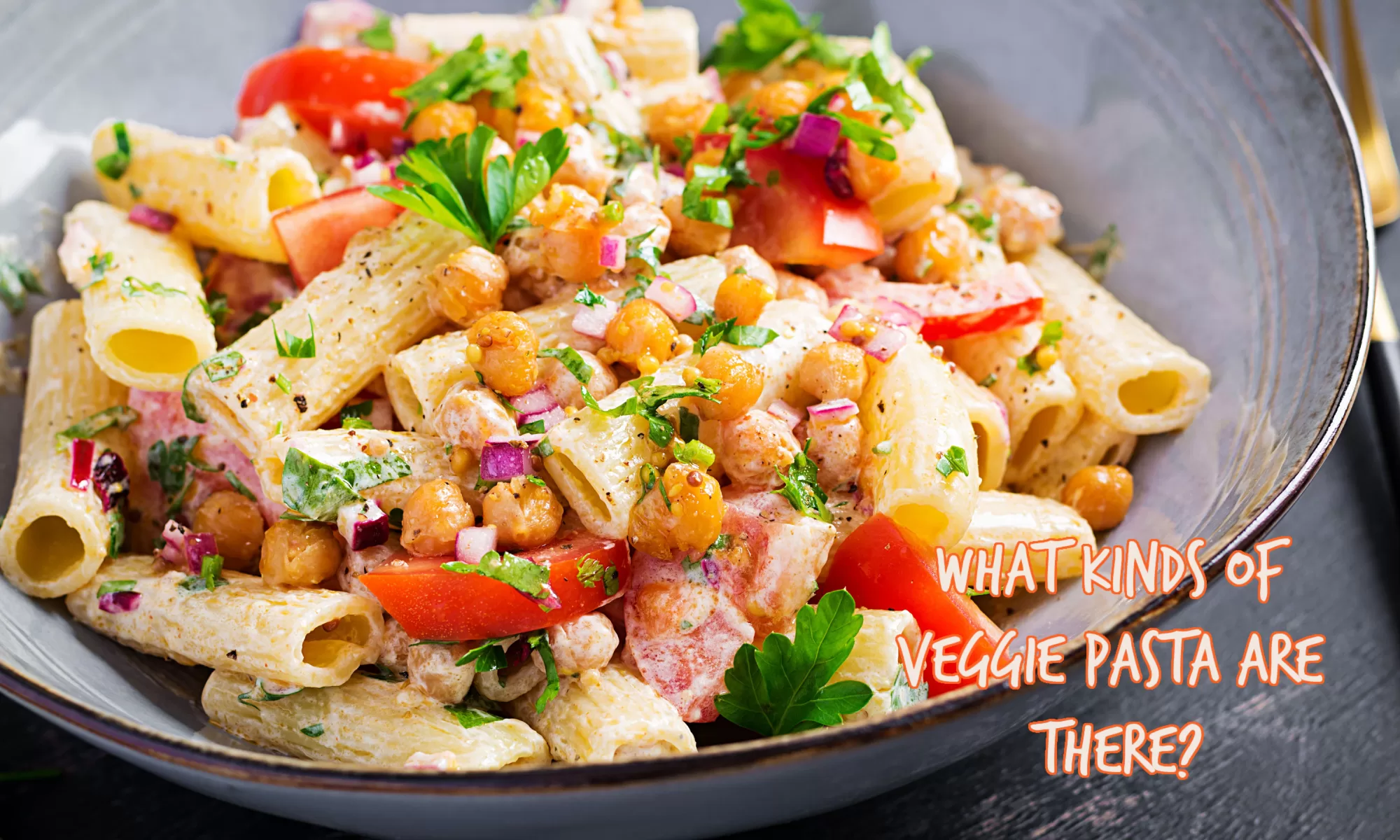
What is veggie pasta?
To be more health conscious, many consumers look for veggie pasta as a healthier option. After all, vegetables have always been one of the healthiest choices while pasta tends to be villainized because of its carbohydrate content, so veggie pasta has to be the better option…right?!
The term “veggie pasta” can have several different meanings. Veggie pasta can be made from actual vegetables and have a texture similar to regular pasta (dried and cooked like regular pasta), or it can be made only from vegetables and not technically be pasta at all.
Finally, the most common type of veggie pasta is simply regular pasta with veggie powders added to it to make it look more “vegetable-y”, such as hues of green, red, and yellow.
What kinds of veggie pasta are there?
Let’s look at some of the types of veggie pasta out there! We’ll also compare them nutrition-wise at the end of this article so you can see how they stack up.
Pasta with vegetable powder added
The most common example of veggie pasta is regular pasta with vegetable powder added to it. Nutrition-wise, this type of pasta is almost identical to regular pasta without vegetable powder.
Let’s look at Ronzoni “Garden Delight” Rotini as an example. Here are the ingredients:
- Semolina (Wheat)
- Durum Flour (Wheat)
- Dried Carrots
- Dried Tomato
- Dried Spinach
- Niacin
- Ferrous Sulfate (Iron)
- Thiamin Mononitrate
- Riboflavin
- Folic Acid
Pasta from veggies, legumes, etc.
Other popular types of veggie pasta are those made from ingredients like chickpeas, edamame, and other legumes. These pastas are gluten-free and tend to be higher in fiber than regular pasta, but they aren’t low enough in carbs to be considered keto-friendly.
Some of the most popular types of non-wheat pastas are:
- Chickpea pasta (e.g. Banza brand)
- Edamame pasta
- Lentil pasta (other varieties like sweet potato and zucchini pastas are mixed with lentil flour and pea flour)
Spiralized veggie pasta
This type of pasta isn’t really pasta at all, but it’s also the lowest-carb version! Spiralized veggie “pasta” is made by using a spiralizer (a tool that cuts veggies into spirals) with veggies like zucchini, carrots, and cucumber (those are the best for spiralizing, but you can technically spiralize most fruits and veggies).
Another non-wheat veggie pasta option is spaghetti squash, which has a texture similar to spaghetti when cooked (hence its name)!
These types of “pasta” don’t contain any gluten, and they are typically very low in calories and carbs compared to regular pasta.
Nutrition comparison of veggie pastas
| Pasta – 2 oz serving | Calories | Total fat (saturated) | Total carbs | Dietary fiber | Sugars (added) | Protein |
| Regular enriched pasta (for comparison) | 200 | 1 g (0 g) | 42 g | 3 g | 1 g (0 g) | 7 g |
| Ronzoni “Garden Delight” veggie pasta | 200 | 1 g (0 g) | 40 g | 2 g | 3 g (0 g) | 8 g |
| Edamame pasta | 180 | 3.5 g (0 g) | 20 g | 13 g | 3 g (0 g) | 24 g |
| Chickpea pasta | 190 | 3 g (0 g) | 35 g | 5 g | 1 g (0 g) | 11 g |
| Lentil pasta | 190 | 1.5 g (0 g) | 34 g | 6 g | 1 g (0 g) | 14 g |
| Spiralized zucchini “pasta” – 1 cup | 21 | 0.4 g (0 g) | 3.9 g | 1.2 g | 3.1 g (0 g) | 1.5 g |
Benefits of veggie pasta
As you can see, there are several different types of veggie pasta, and they aren’t all created equally!
Some of the benefits of different kinds of veggie pasta are:
- Can be higher in fiber (edamame pasta, chickpea pasta – notice that the “Garden Delight” pasta is lower in fiber than regular pasta!)
- Can be lower in net carbs (total carbs minus fiber – important for low-carb diets like keto).
- Can be higher in protein (lentil pasta, chickpea pasta, etc.)
- Can be lower in calories (spiralized veggies).
FAQs:
The good news is that all types of pasta are vegetarian-friendly since they are made with wheat, which is plant-based. Even pasta with eggs added (like egg noodles) is vegetarian-friendly since most vegetarians eat eggs – but those types aren’t vegan-friendly.
There are several types of pasta made from non-wheat sources like lentils, chickpeas, and edamame. Many types of “veggie” pasta are just regular pasta with vegetable powders added, and they aren’t any better for you nutrition-wise than regular pasta.
You can also make true veggie pasta completely out of vegetables by spiralizing vegetables like zucchini and other squash – but that’s not technically pasta (but who’s keeping score?).
Some types of veggie pasta aren’t any better for you than regular pasta nutrition-wise. However, pasta made from chickpeas, lentils, and edamame is higher in fiber than regular pasta, which is considered better for you since fiber is an important nutrient!
Pasta made from only vegetables is another healthy option. It is richer in nutrients, and fiber, and lower in calories and carbs when compared against the same serving size of regular pasta.


Leave a Comment