

In a matter of months, Virginia’s food industry has taken a beating.
Not one, not two, but FIVE major factories have closed across the state – some tied to national brands you probably have in your pantry right now.
It’s not just about layoffs (though there are more than 1,200 of them). It’s about what these closures say about the future of food production, worker stability, and small-town economies.
Let’s break it down…
Follow The Coconut Mama
• For fun lists, healthy living tips, and bar conversation topics, make sure to follow The Coconut Mama. Click here to access The Coconut Mama’s profile page and be sure to hit the Follow button here or at the top of this article!
• Have feedback? Add a comment below!
Shutterstock
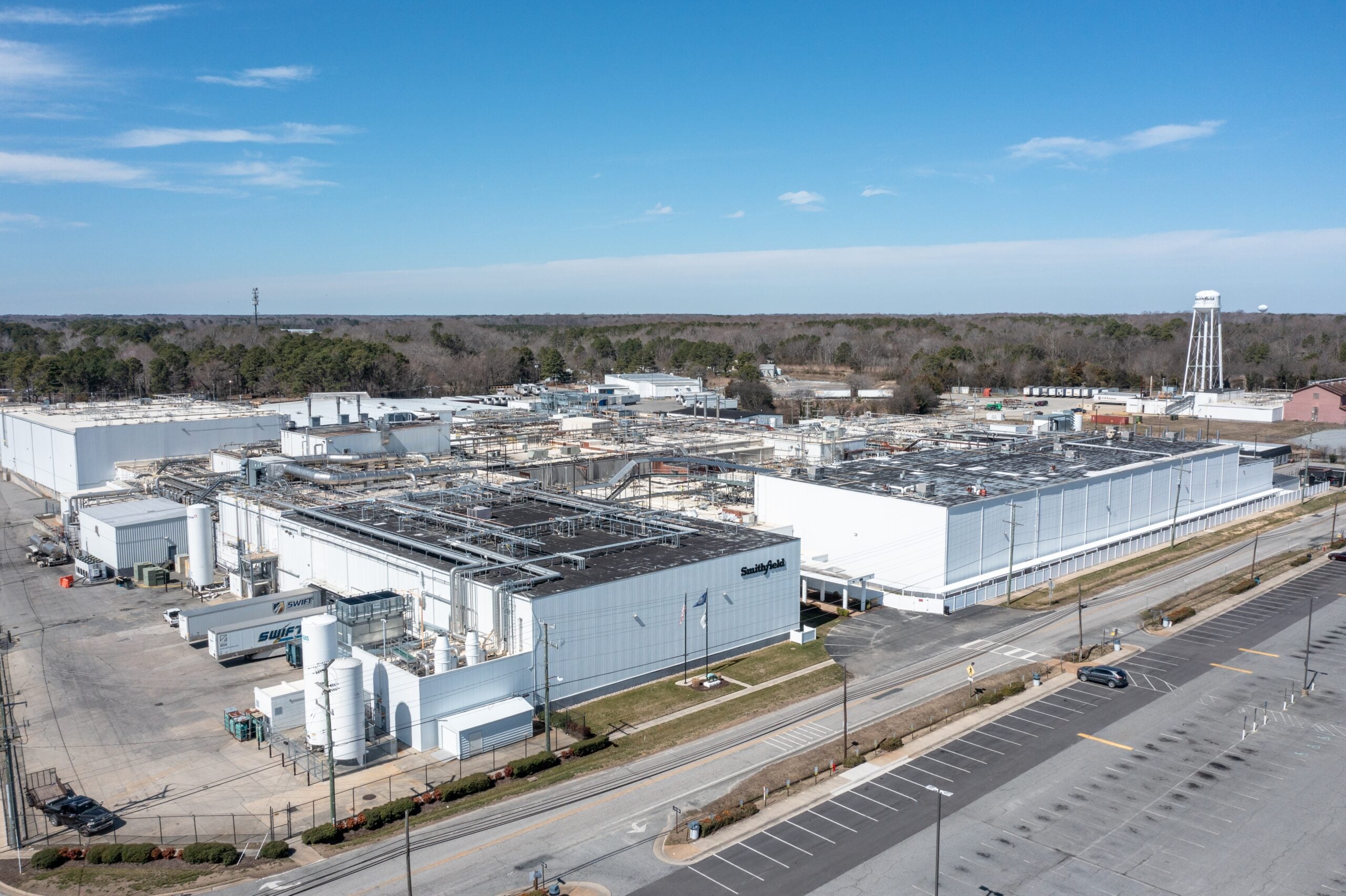
These closures aren’t random.
Some were caused by health scares. Others by cold-blooded corporate consolidation. All of them? Part of a larger shift in the food industry.
Let’s look at the one that shook the nation first:
Shutterstock
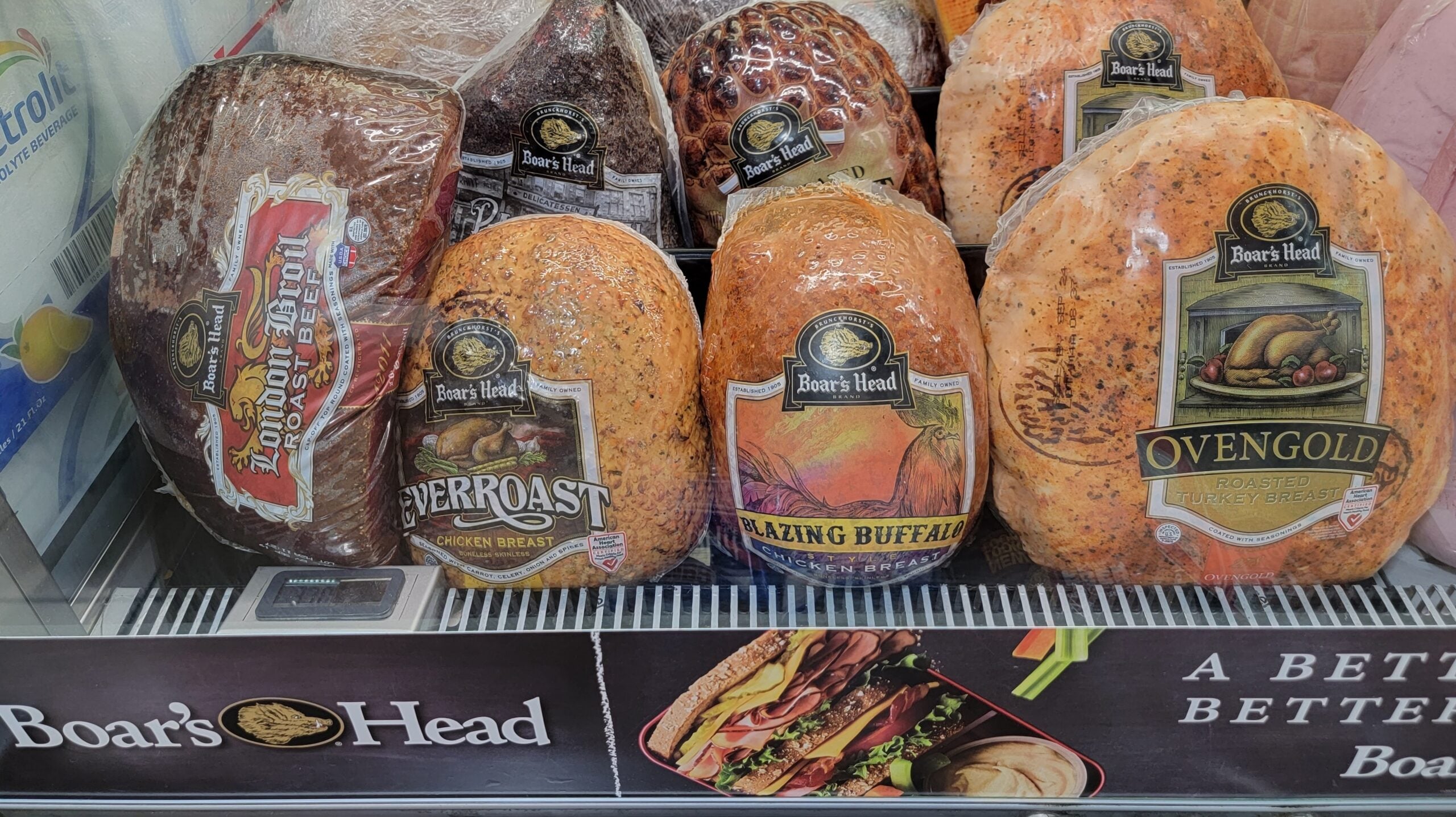
Boar’s Head halted production in July at its Jarratt facility. By September, the closure was permanent.
Why? A deadly listeria outbreak linked to the plant killed four people. Nearly 500 workers lost their jobs. And more than 7 million pounds of deli meat were recalled.
(Yes, seven million. That’s a LOT of meat).
Shutterstock
FDA inspections uncovered what they called “egregious sanitation violations.” Contamination was found on food contact surfaces. Families were devastated. The brand’s reputation took a hit.
And it wasn’t the only company that pulled the plug this year…
Shutterstock
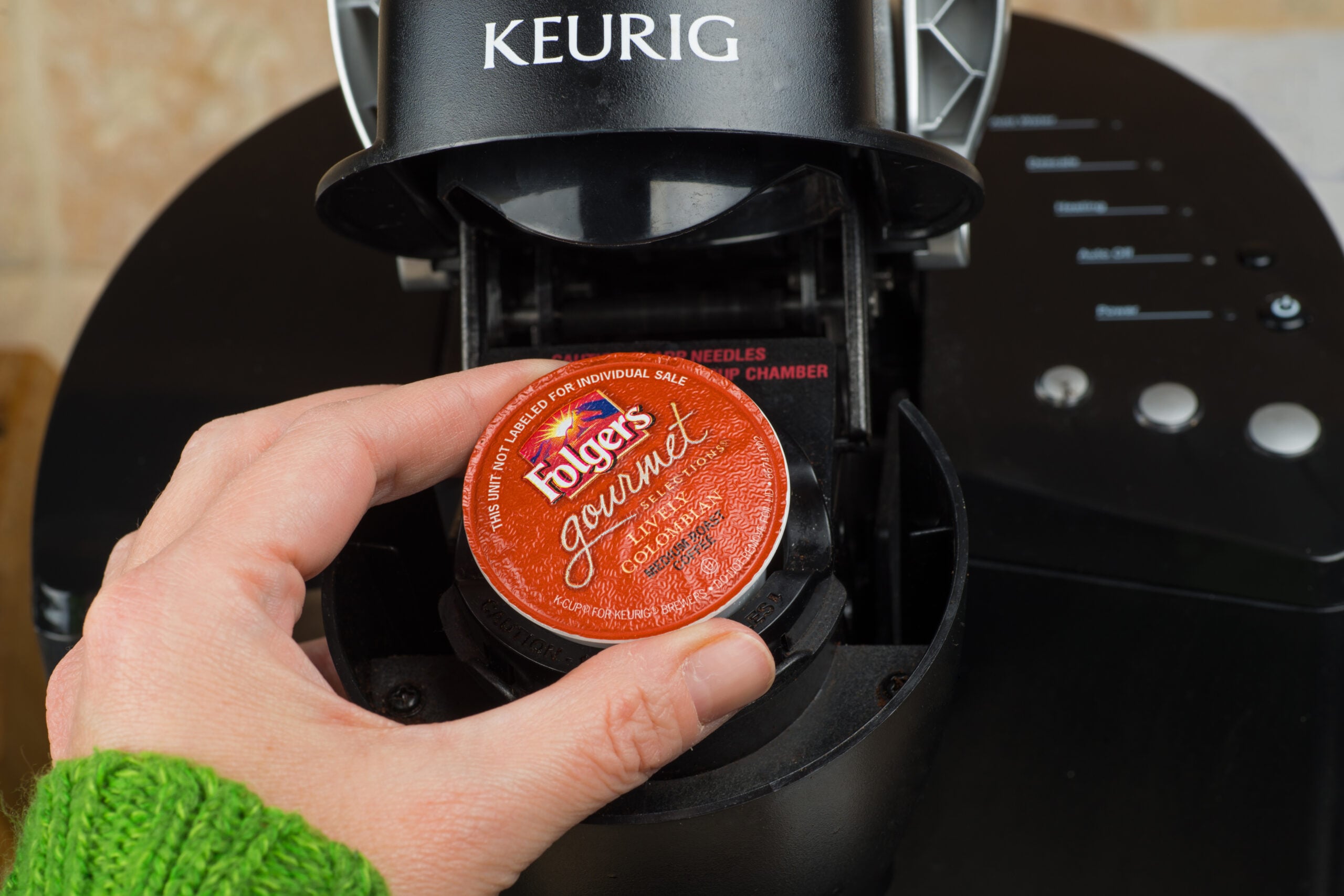
Your K-Cups won’t taste any different, but behind the scenes, 379 workers in Windsor lost their jobs by the end of 2024.
The company said it was part of a plan to “optimize operations” across its network.
Shutterstock
The Windsor facility had been running for years, but in 2025, it’s sitting quiet.
Keurig executives said other locations were simply “more efficient.” That’s corporate speak for: newer, faster, cheaper, more automated.
And even though K-Cups are still flying off store shelves, this closure proved that popularity doesn’t always protect jobs.
And they’re not the only ones looking to slim down…
Shutterstock
In April, Cargill shuttered its long-running turkey processing plant in Dayton, cutting about 200 jobs.
The plant had been serving the national market. Then, just like that, it was gone.
Cargill blamed it on a “strategic protein review.” The end result? Fewer jobs, less local production, and one more hole in the community fabric.
But if you think this is just about meat… keep reading.
Shutterstock

Let’s be honest: Some of these closures aren’t just about money.
They’re about machines.
A modern food plant can do in one shift with robots what it used to take 30 workers to handle. That’s faster, cheaper, and scalable. But it also means entire towns are left behind.
And more companies are heading down that path.
Shutterstock
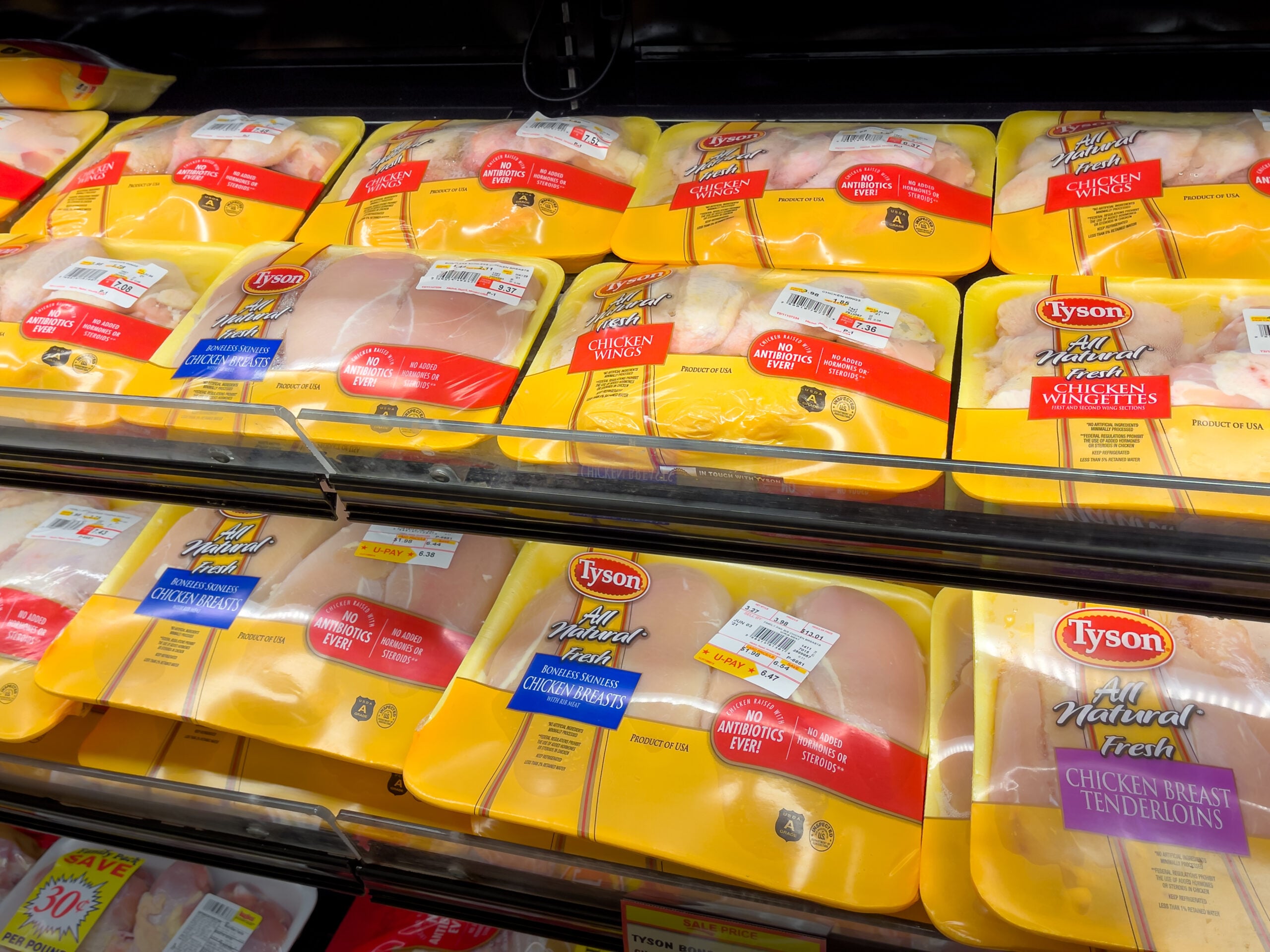
Just outside Richmond, Tyson closed its Glen Allen distribution hub earlier this year, laying off more than 120 people.
This one flew under the radar, but it’s part of Tyson’s nationwide cost-cutting spree.
They’re streamlining. Workers are scrambling.
Shutterstock

Rising input costs, labor shortages, and shifting consumer demand are all hitting meat producers hard.
Tyson has closed more than half a dozen facilities nationwide in the past year alone. Glen Allen was just one more domino.
Next up? A hometown bakery brand that’s gone quiet.
Shutterstock

Wonder Bread, Tastykake, and Nature’s Own – these grocery staples were once baked in Lynchburg.
Not anymore.
Flowers Foods shut down its bakery earlier this year, eliminating 65 jobs and shifting production to other plants.
Small number, big impact.
And when you zoom out, the total job losses are staggering.
Follow The Coconut Mama
• For fun lists, healthy living tips, and bar conversation topics, make sure to follow The Coconut Mama. Click here to access The Coconut Mama’s profile page and be sure to hit the Follow button here or at the top of this article!
• Have feedback? Add a comment below!
Shutterstock
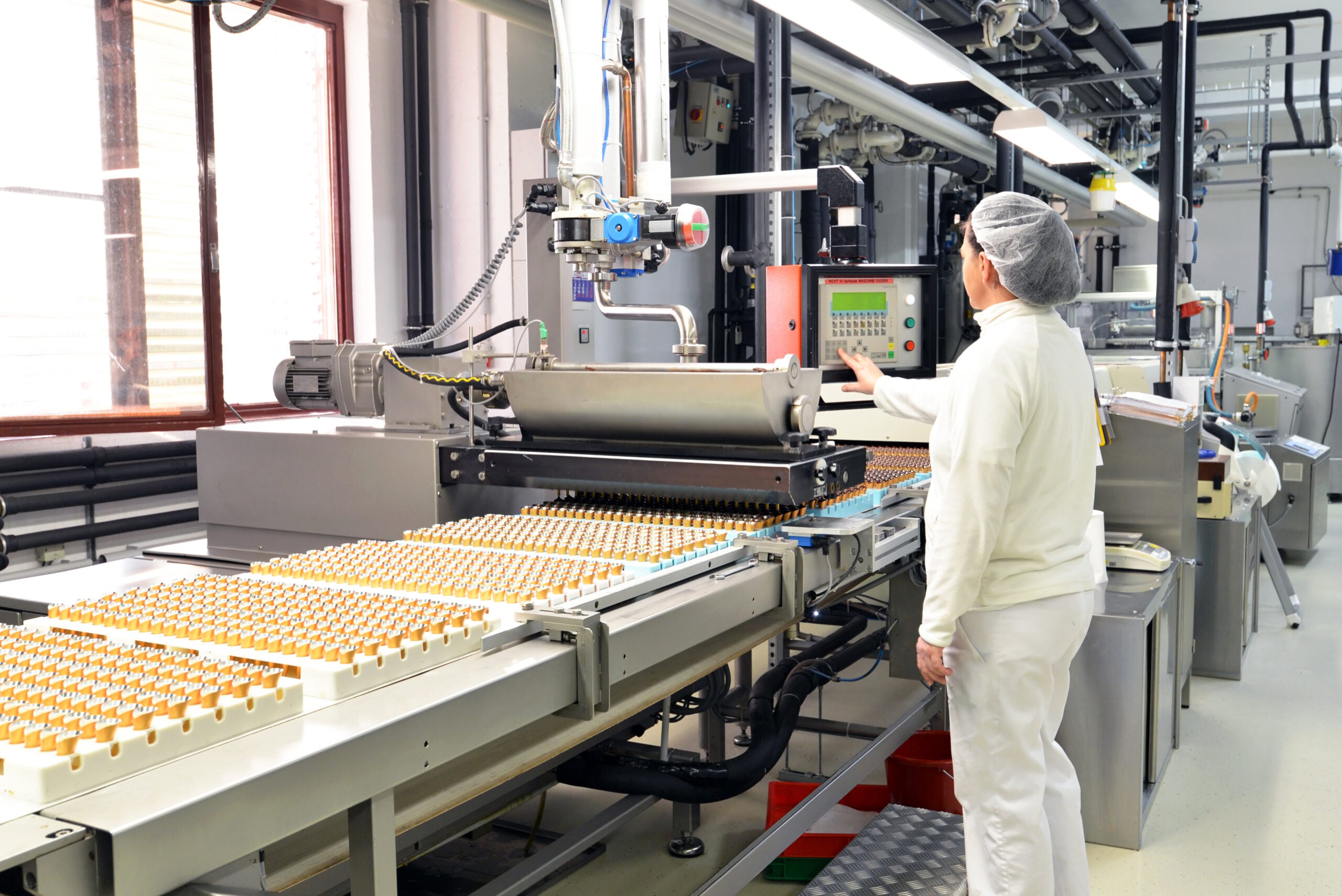
Let’s do the math:
• Boar’s Head (Jarratt): ~500 jobs
• Keurig Dr Pepper (Windsor): 379 jobs
• Cargill (Dayton): 200 jobs
• Tyson (Glen Allen): 120 jobs
• Flowers Foods (Lynchburg): 65 jobs
That’s 1,264 jobs gone, almost all in food manufacturing. And almost all in just one year.
And it’s not just the workers who feel the pain…
Shutterstock
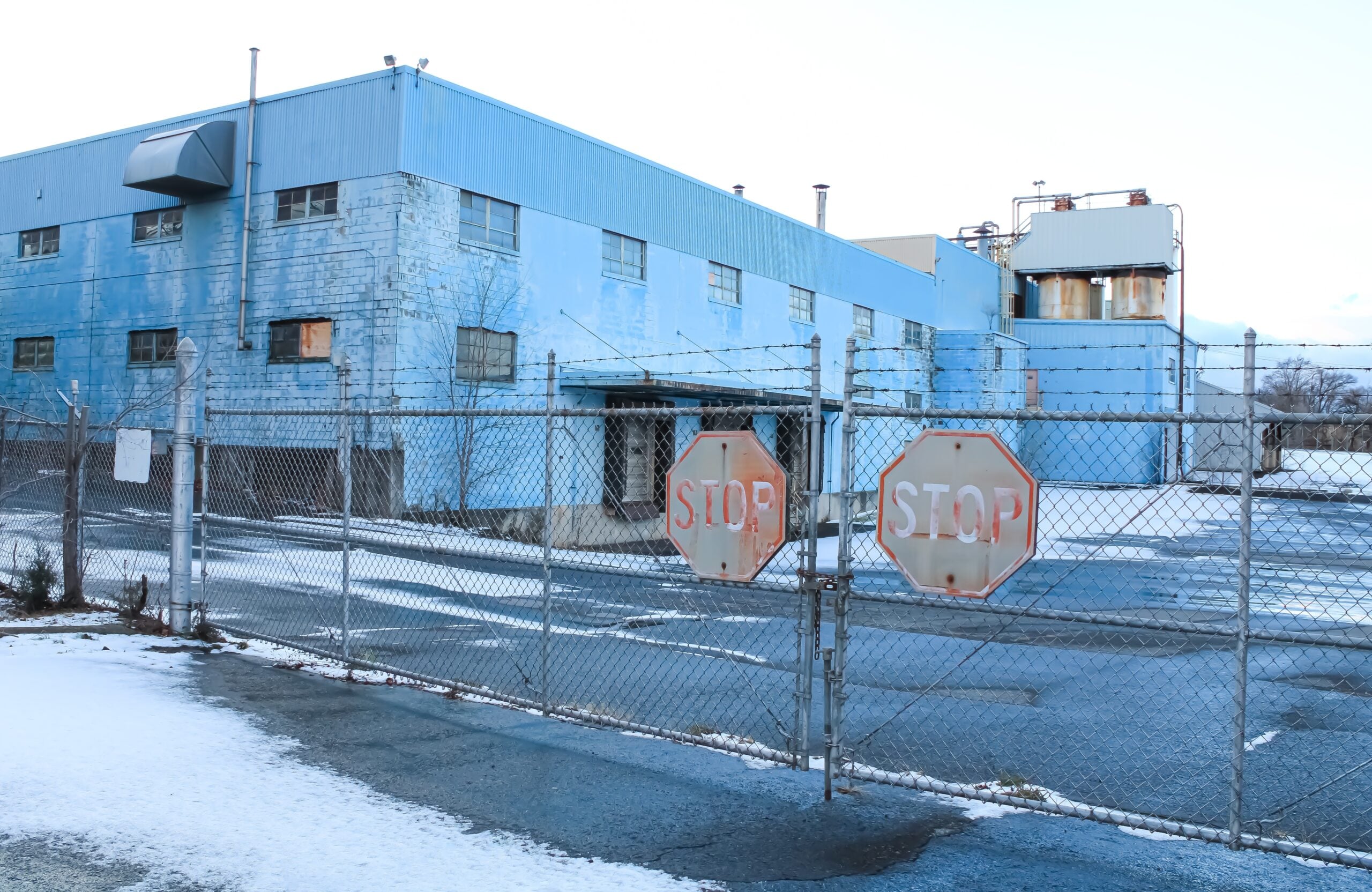
When a factory goes quiet, the silence spreads.
The gas station on the corner loses its morning rush. Diners stop selling out of biscuits by 9 a.m. Little League teams lose their biggest sponsor. And the town council starts asking what services they’ll have to cut next.
These places weren’t just workplaces. They were the heartbeat of their communities.
Shutterstock
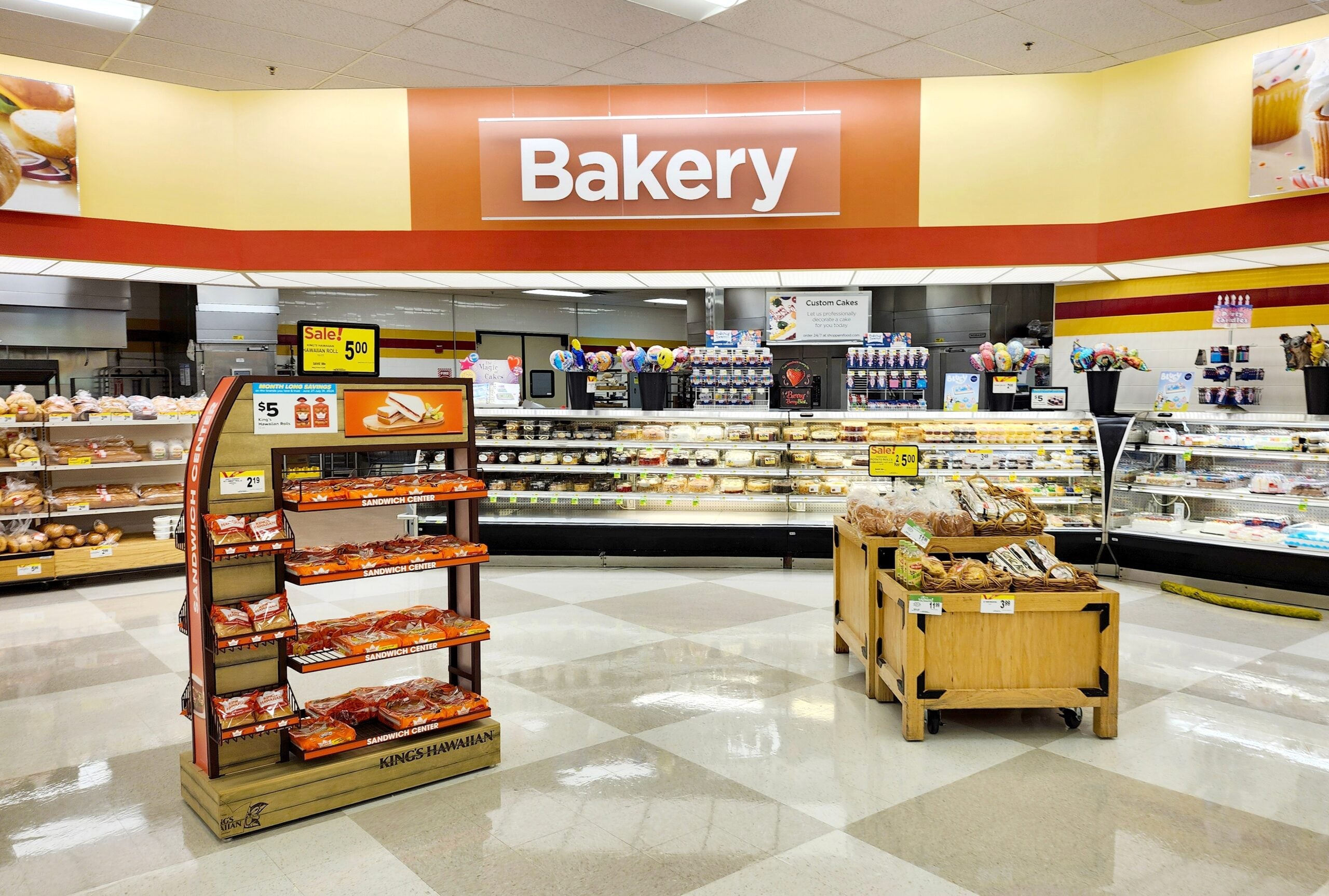
Even if you don’t live in Virginia, this affects your dinner plate.
Fewer local factories mean longer supply chains, more trucking, and higher transportation costs. That leads to higher prices at the store.
Think your $3.99 loaf of bread is safe? Think again.
Shutterstock

Five closures. More than 1,200 jobs lost. All in one state. All in one year.
And they all tell the same story: food companies are shrinking, streamlining, or shifting priorities, and Virginia (like many other states) is caught in the middle.
So, what do YOU think?
Are closures like these happening near you? Have you noticed higher prices, fewer local jobs, or changes in your grocery store?
Drop your thoughts in the comments!
Shutterstock




Leave a Comment