

Chiquita has officially shut down all of its operations in Panama, including the Bocas Fruit Company, and laid off every single employee.
The company, which once dominated banana exports from the region, has packed up and left.
No scaled-back plan. No partial closure. Just… gone.
Let’s break it down:
Follow The Coconut Mama
• For fun lists, healthy living tips, and bar conversation topics, make sure to follow The Coconut Mama. Click here to access The Coconut Mama’s profile page and be sure to hit the Follow button here or at the top of this article!
• Have feedback? Add a comment below!
Shutterstock
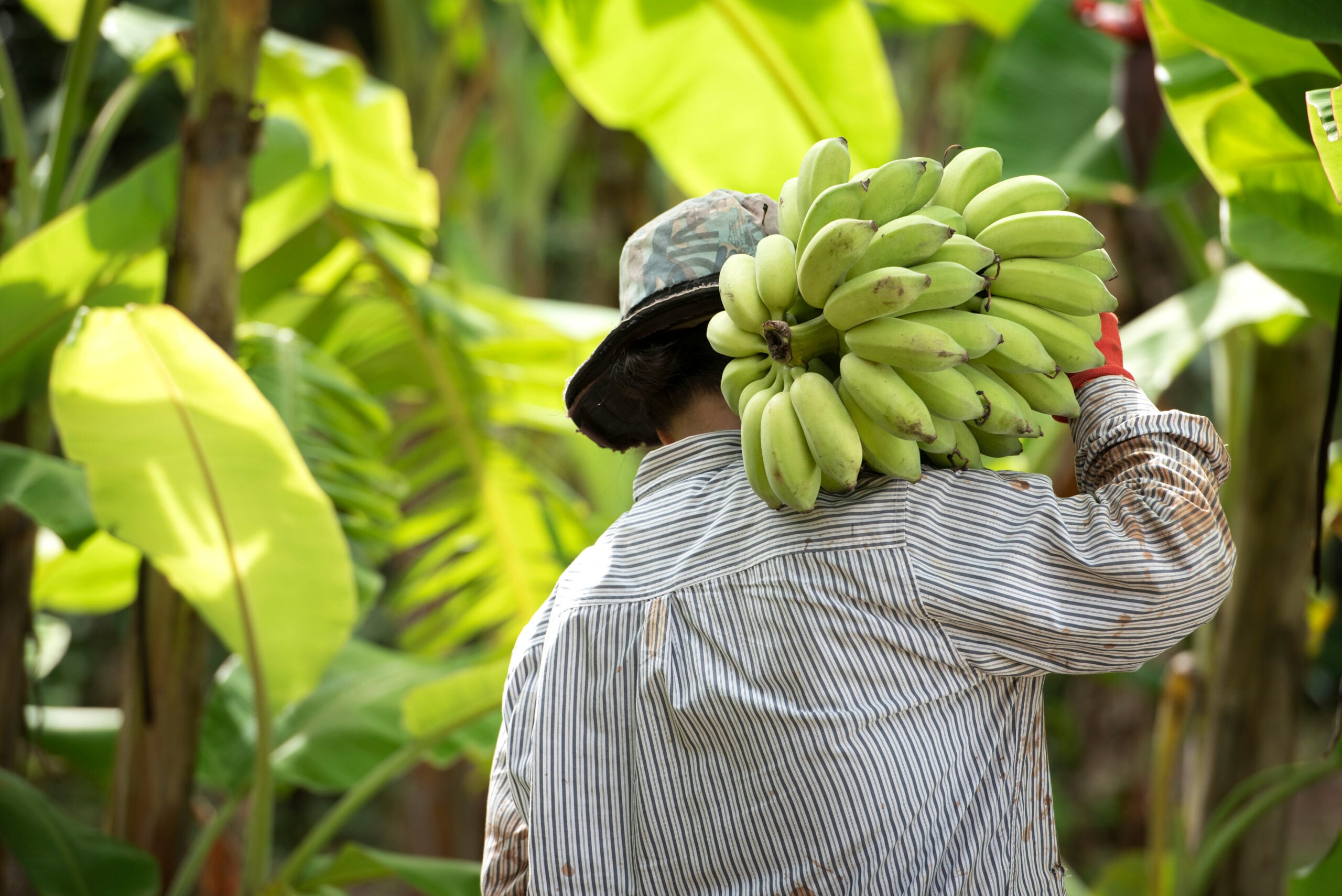
More than 7,000 workers are now jobless.
That includes over 5,000 plantation workers dismissed in May and another 1,189 daily and administrative employees laid off in June – every last person involved in Chiquita’s Panama operations.
Entire communities depended on this work. Now they’re left scrambling.
Shutterstock
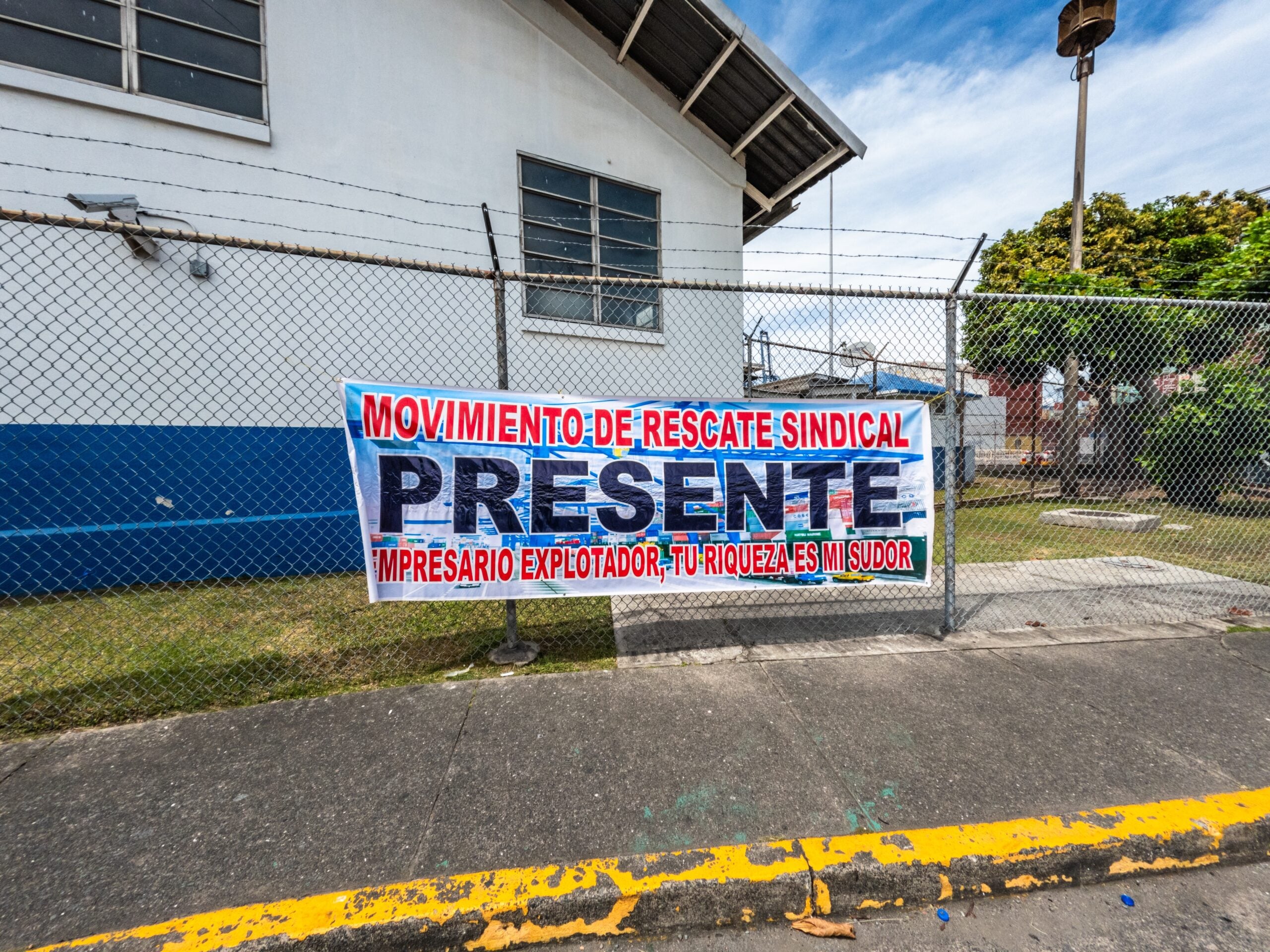
Tensions between labor unions, the Panamanian government, and multinational fruit companies have existed for decades.
Chiquita, formerly known as United Fruit Company, has a long and complicated history in Central America, including labor unrest, strikes, and accusations of worker exploitation dating back generations.
When things started to break down this year, it was just the latest chapter in a much longer story.
Shutterstock

According to Chiquita, the company racked up over $75 million in losses in just a few weeks.
Why? A massive nationwide protest movement, tied to controversial social security reforms, paralyzed operations.
With roads blocked, work halted, and exports frozen, the company says continuing operations became financially impossible.
Shutterstock

The unrest wasn’t just about Chiquita.
Panama was gripped by nationwide demonstrations over proposed reforms to the Caja de Seguro Social (the country’s social security system).
Workers feared their pensions and benefits were under threat. In response, they walked off the job, set up blockades, and brought major industries to a standstill. Chiquita just happened to be one of the first big players to feel the impact.
Shutterstock

At one point, over 40 road blockades were reported across Panama.
Key export routes were shut down. Shipping ports were overwhelmed or inaccessible.
For a company like Chiquita, which depends on constant movement of perishable goods, the disruption was catastrophic.
Shutterstock

On May 24, 2025, Chiquita laid off about 5,000 workers in Bocas del Toro.
The company said the workers had “abandoned their jobs without justification” during the national protests, so they were let go.
At the time, it felt like a drastic (but maybe temporary) move.
Was it just a response to the strike? A short-term fix?
But within weeks, it became obvious:
Chiquita wasn’t just cutting back. They were preparing to leave Panama for good.
Shutterstock

In late June, Panama’s Ministry of Labor (Mitradel) formally approved the dismissal of the remaining 1,189 employees.
That included daily workers, logistics staff, and administrative teams.
The government acknowledged the company’s legal right to shut down due to sustained losses and operational instability.
Follow The Coconut Mama
• For fun lists, healthy living tips, and bar conversation topics, make sure to follow The Coconut Mama. Click here to access The Coconut Mama’s profile page and be sure to hit the Follow button here or at the top of this article!
• Have feedback? Add a comment below!
Shutterstock

President José Raúl Mulino issued a public statement saying he hoped Chiquita would return someday.
He also promised to look for solutions to help the affected regions.
But even he admitted that the decision wasn’t the government’s to make. Chiquita alone had the final word, and they had made up their mind.
Shutterstock

This wasn’t just a business shutdown. It was a regional crisis.
Bocas del Toro, which relied heavily on banana exports and tourism, now faces an economic cliff.
Entire families have lost their income, and local businesses that supplied or depended on Chiquita are already feeling the squeeze.
Shutterstock

Chiquita’s Panama operations weren’t just about picking bananas.
They involved transport, logistics, packaging, distribution, and exports. With the company gone, an entire web of local suppliers and service providers is left without a partner.
The fallout could take months (or years) to fully understand.
Shutterstock

In theory, companies like Chiquita talk about long-term community investment and corporate responsibility.
But in practice, when profits dry up and risks get too high, the spreadsheet wins.
It’s a harsh truth: protecting shareholders often comes at the expense of local workers.
Shutterstock

Chiquita didn’t just stop operations. It dismantled them.
Facilities will be shuttered or sold. Workers are gone. And the trust that once existed between company and community? Probably broken for good.
Even if they wanted to return (which they haven’t suggested), rebuilding that infrastructure and goodwill would take years.
Shutterstock

Multinationals everywhere are watching this.
If political instability or labor unrest makes it too costly to operate, companies will cut their losses – no matter how deep their roots go.
Chiquita’s exit sets a precedent for how foreign investors assess risk in countries like Panama.
Shutterstock

The government now faces a huge challenge: how to replace thousands of lost jobs and attract new investment to regions like Bocas del Toro.
There are no quick fixes here.
This isn’t just about bananas. It’s about economic survival for entire communities.
Shutterstock

If you think this only affects Panama, think again.
Chiquita was one of the biggest banana exporters from the region, and Bocas del Toro was a major hub.
With thousands of workers gone and production halted, supply chains are being reshuffled.
That could mean delays, price increases, or changes in where your bananas come from, especially in North America.
Shutterstock

So, what do YOU think?
Was Chiquita justified in pulling out?
Should Panama have acted sooner?
And as a consumer, have you started to notice changes in the produce aisle?
Drop your thoughts in the comments!
Shutterstock


Leave a Comment