

Synthetic food dyes are still surprisingly common in the U.S. But that’s about to change…
Thanks to a new push by the government, the FDA is beginning to phase out eight artificial dyes, including Red 40, Yellow 5, and Blue 1, with a full ban expected by the end of 2026.
But for now, here’s a look at ten foods that continue to rely on synthetic dyes (even America’s favorite candy).
Are any of your favorites on the list?
Follow The Coconut Mama
• For fun lists, healthy living tips, and bar conversation topics, make sure to follow The Coconut Mama. Click here to access The Coconut Mama’s profile page and be sure to hit the Follow button here or at the top of this article!
• Have feedback? Add a comment below!
Shutterstock
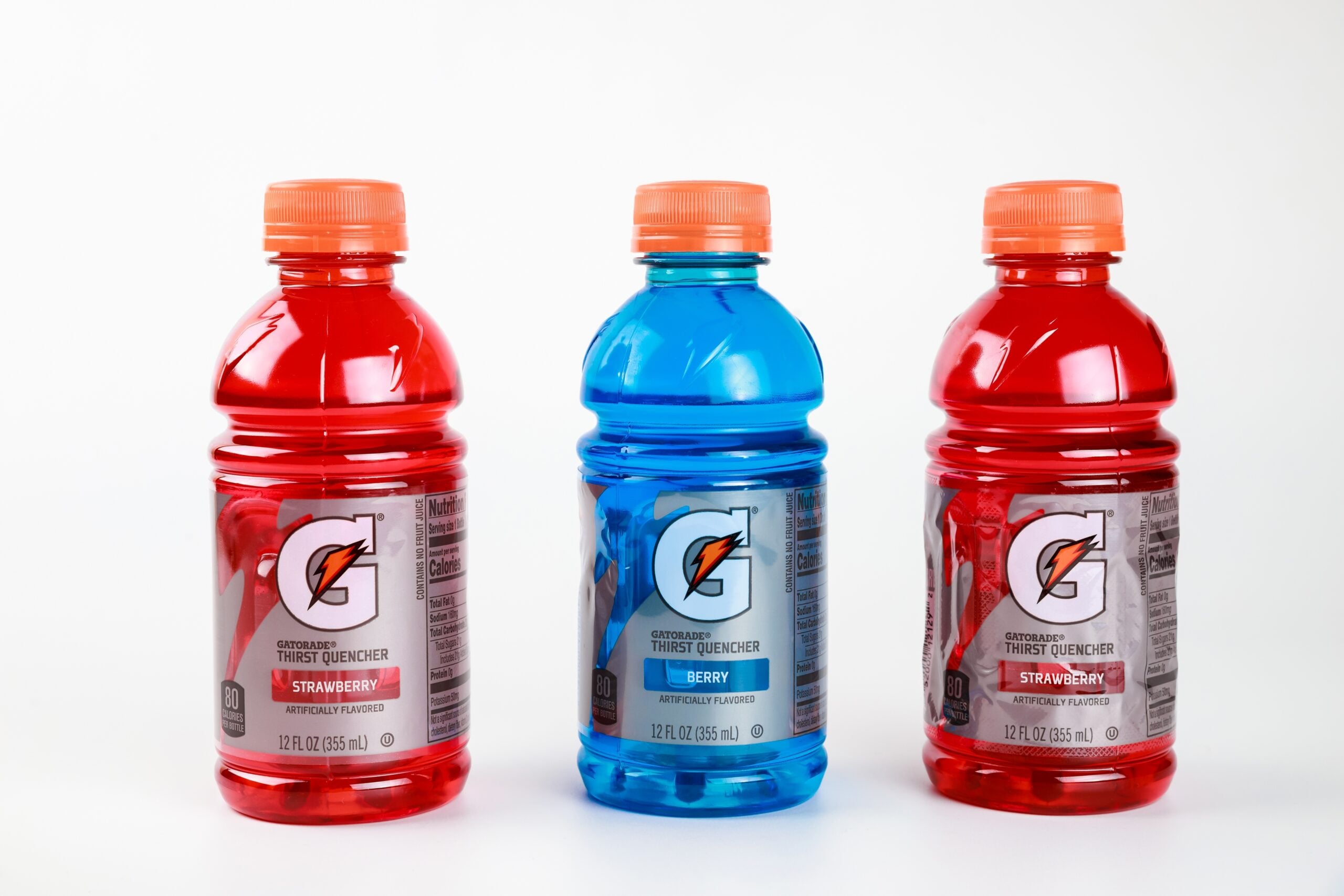
Artificial Dyes: Blue 1, Red 40, Yellow 5
In the summer, I love Gatorade, so this one hurts… but it’s not too surprising that Gatorade uses artificial dyes (and apparently, artificial flavors, too). Those bold, vibrant colors are part of the brand’s visual appeal and according to Gatorade’s website to “help reinforce the flavor perception”.
Shutterstock

Artificial Dyes: Red 40, Yellow 5, Blue 1
Fanta and Mountain Dew (I know, surprising) are the prime examples of sodas still relying on synthetic dyes. Kool-Aid is another beverage that uses red 40. These drinks have been bright for so long that it almost feels like they wouldn’t be the same without those artificial colors… but it’s definitely time for a change.
Shutterstock
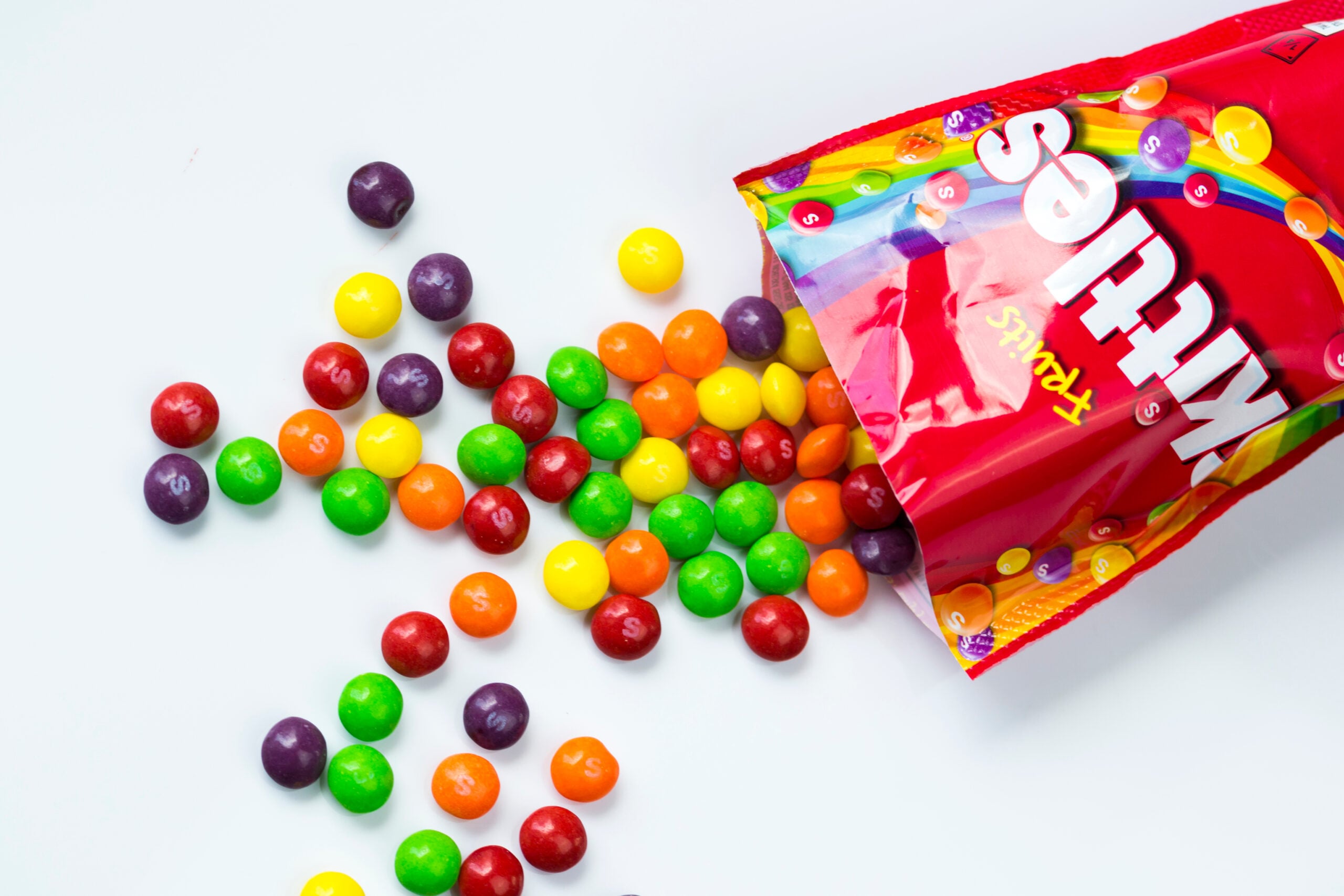
Artificial Dyes: Red 40, Yellow 5, Yellow 6, Blue 1
Many candy varieties in the U.S. use synthetic dyes to give them that bright, colorful appearance. Popular brands like Skittles, M&Ms, Jolly Ranchers, and Starburst are all guilty. The fact that these companies still use artificial colors isn’t all that surprising, but with natural dyes available, it’s something I’d love to see change.
Shutterstock
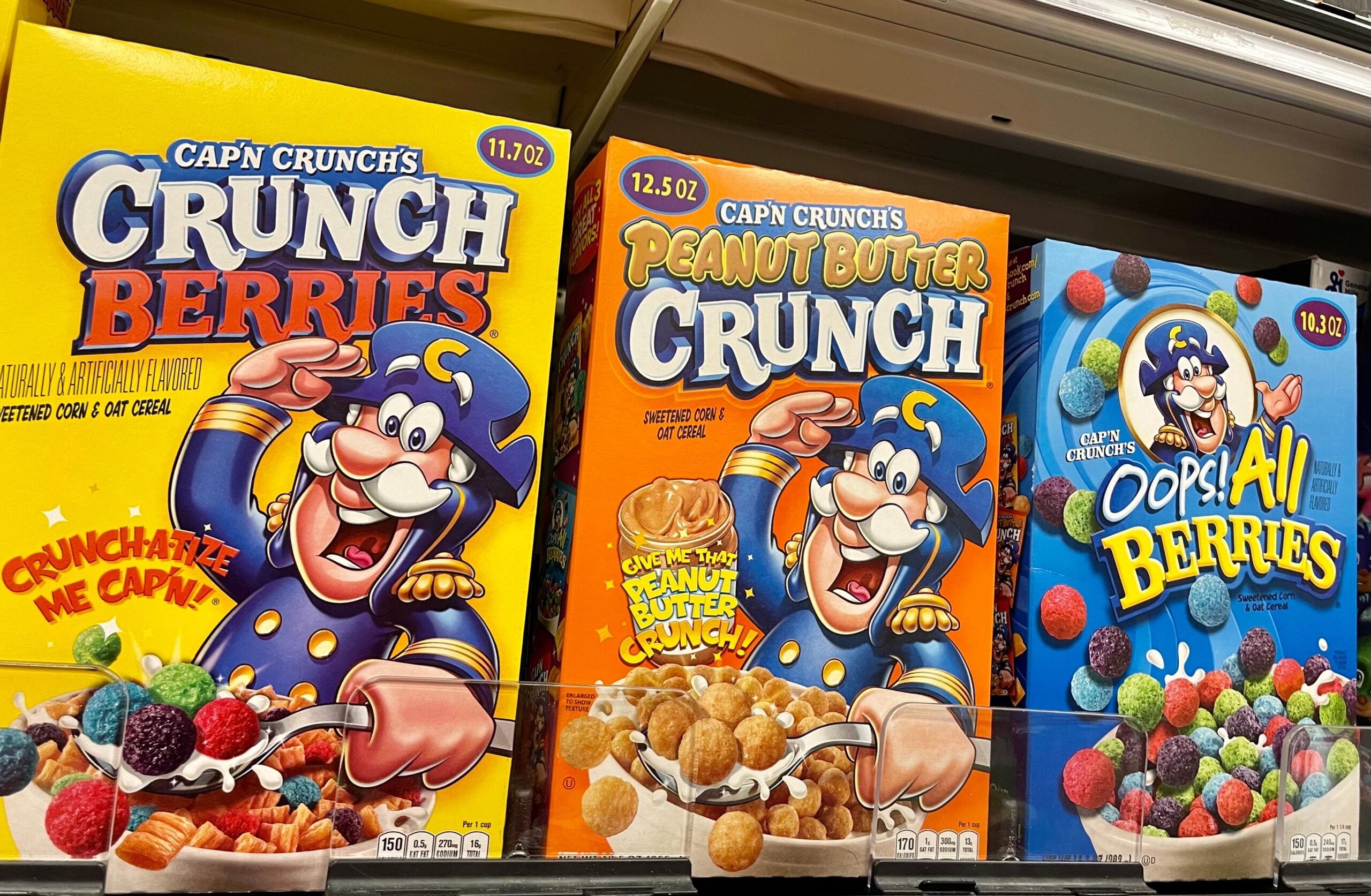
Artificial Dyes: Red 40, Yellow 5 & 6, and Blue 1
Froot Loops were a big part of my childhood mornings. But being Canadian, my version probably looked a little duller than what kids in the U.S. had, since Kellogg’s uses artificial colors in their U.S. cereals, while in Canada, they use natural ingredients like fruit juices for coloring. Even though they weren’t exactly healthy, I still found them pretty appealing, and honestly, as a kid, I’m not sure that the lack of those bright neon colors made much of a difference to me.
Other popular breakfast cereals like Cap’n Crunch’s Crunch Berries and Fruity Pebbles contain synthetic colors, but will soon contain natural alternatives.
Shutterstock

Artificial Dyes: Yellow 5 or 6 and/or Red 40
Even your salty snacks may not be dye-free. Doritos Nacho Cheese and Cheetos Flamin’ Hot both use a mix of Red 40, Yellow 5, and Yellow 6 to get their signature orange color, and honestly, it’s not too surprising that they still use artificial dyes — because, let’s be real, nothing is that orange. And with specialty flavors, they might use even more dyes depending on the effect they’re going for. In fact, it’s one reason these snacks have faced international scrutiny.
Shutterstock
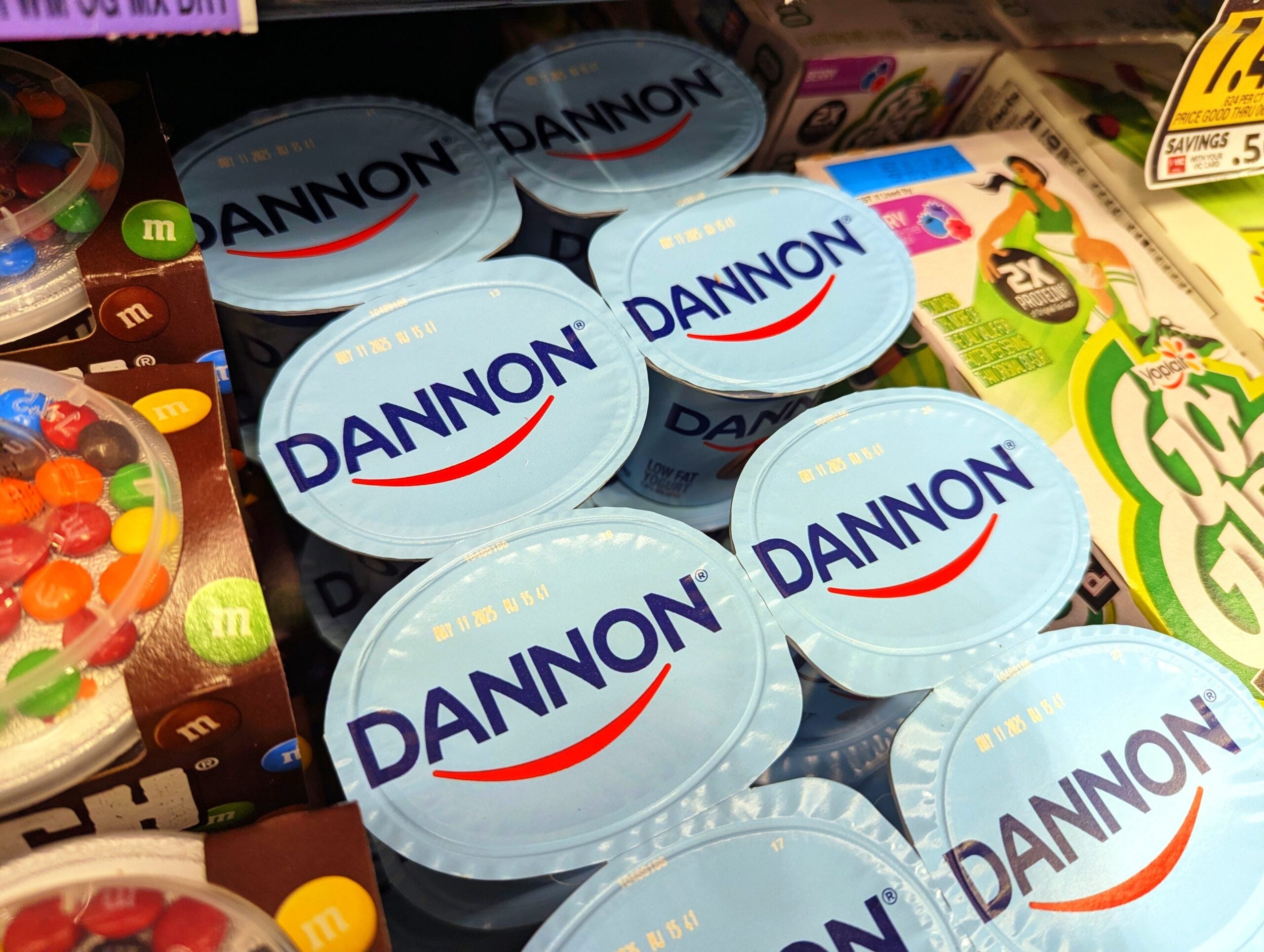
Artificial Dyes: Red 40, Yellow 5, Blue 1
Yogurt is supposed to be natural, right? Well, not all of them (in fact, most are not)… Many flavored yogurts (especially those aimed at kids) still rely on synthetic colorants. Popular brands like Yoplait Trix yogurt and Dannon often use dyes like Red 40, Yellow 5, and Blue 1 to give their yogurt more vibrant colors. The good news is that many other brands have already switched and no longer contain artificial colors or flavors.
Shutterstock

Artificial Dyes: Red 40, Yellow 5, Blue 1
Most flavored Jell-O products in the U.S. still contain synthetic dyes, which gives them those bright, fun colors. However, the unflavored Jell-O Gelatin, which is often used as a base for custom recipes, doesn’t contain any colorings. So, there’s that.
Follow The Coconut Mama
• For fun lists, healthy living tips, and bar conversation topics, make sure to follow The Coconut Mama. Click here to access The Coconut Mama’s profile page and be sure to hit the Follow button here or at the top of this article!
• Have feedback? Add a comment below!
Shutterstock
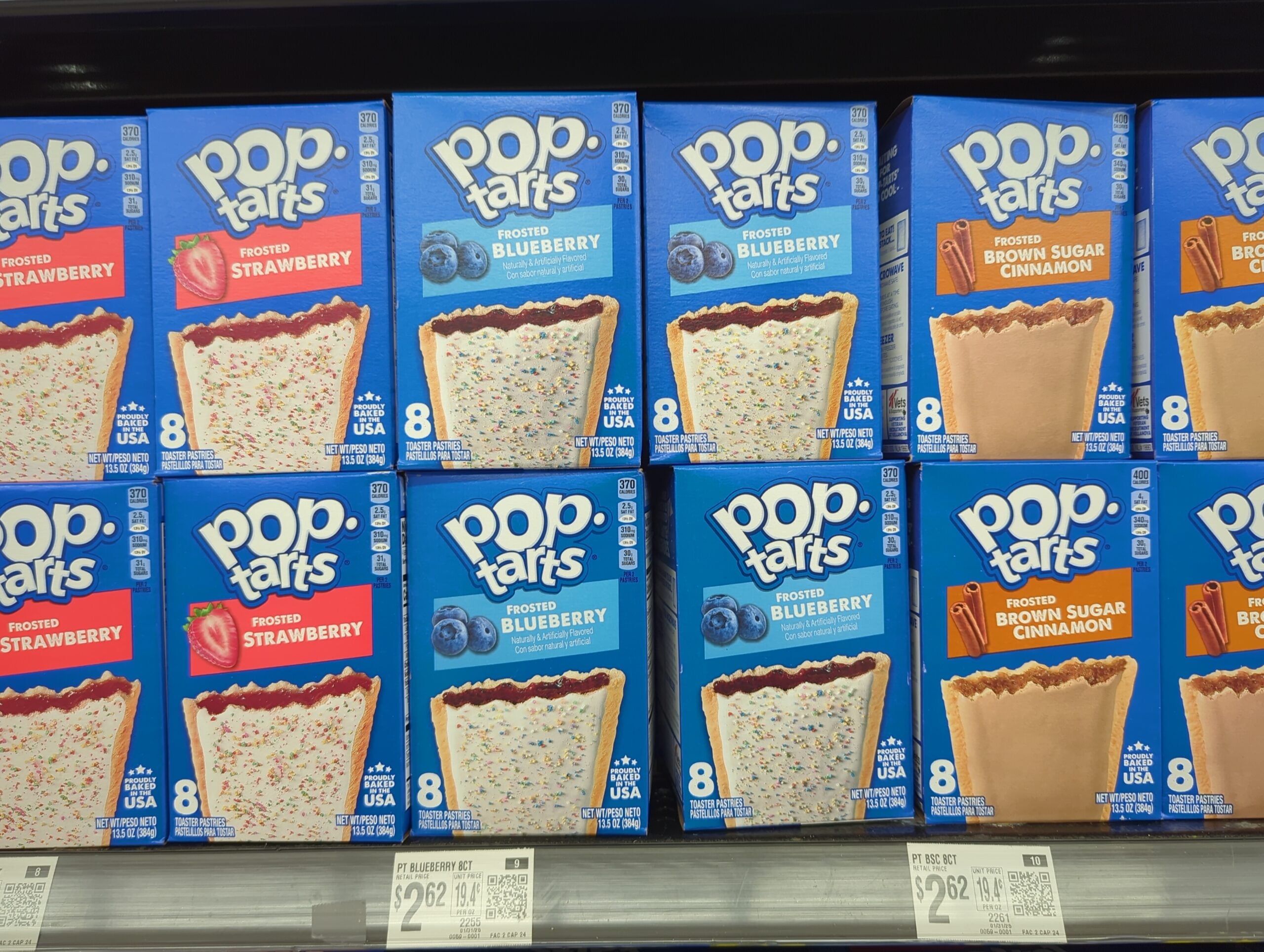
Artificial Dyes: Red 40, Yellow 5, Blue 1, Blue 2
Pop-Tarts are so fun, but those brightly colored frosts and fillings come courtesy of artificial dyes like Red 40 and Blue 1 and 2. With the new ban, Pop Tarts will have to be reformulated without artificial colors. Until then, homemade Pop Tarts?
Shutterstock
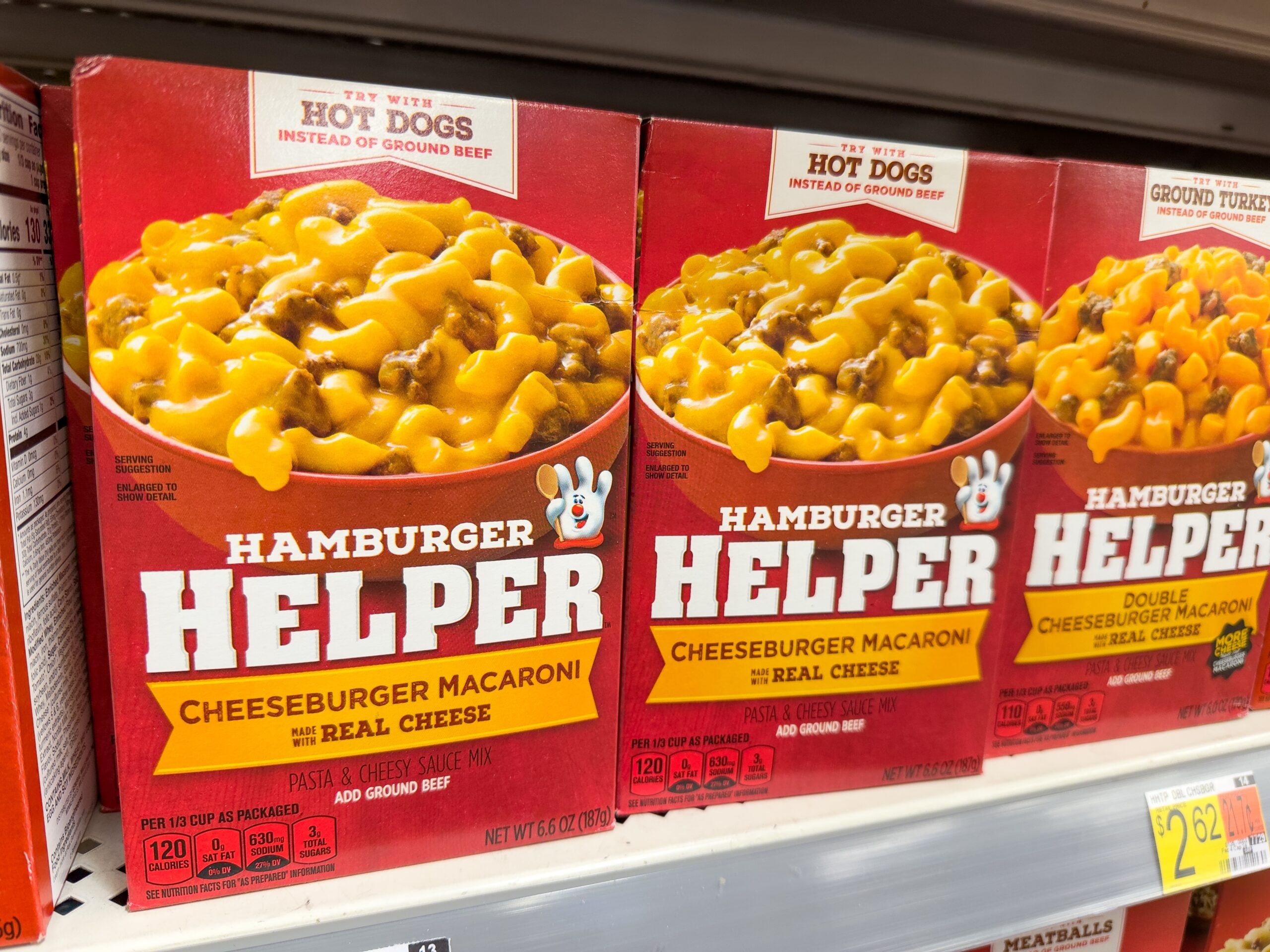
Artificial Dyes: Yellow 5, Yellow 6
Kraft’s Mac and Cheese has always had that signature yellow color from Yellow 5 and Yellow 6, but recently, they’ve made strides to replace synthetic dyes with natural alternatives like paprika and turmeric. However, other boxed mac and cheese options, like Hamburger Helper Cheeseburger Macaroni, still use Yellow 5 and Yellow 6, along with some natural food colorings. While it’s great to see some progress, there are still plenty of boxed dinners on the market that rely on artificial dyes for that familiar vibrant color.
Shutterstock
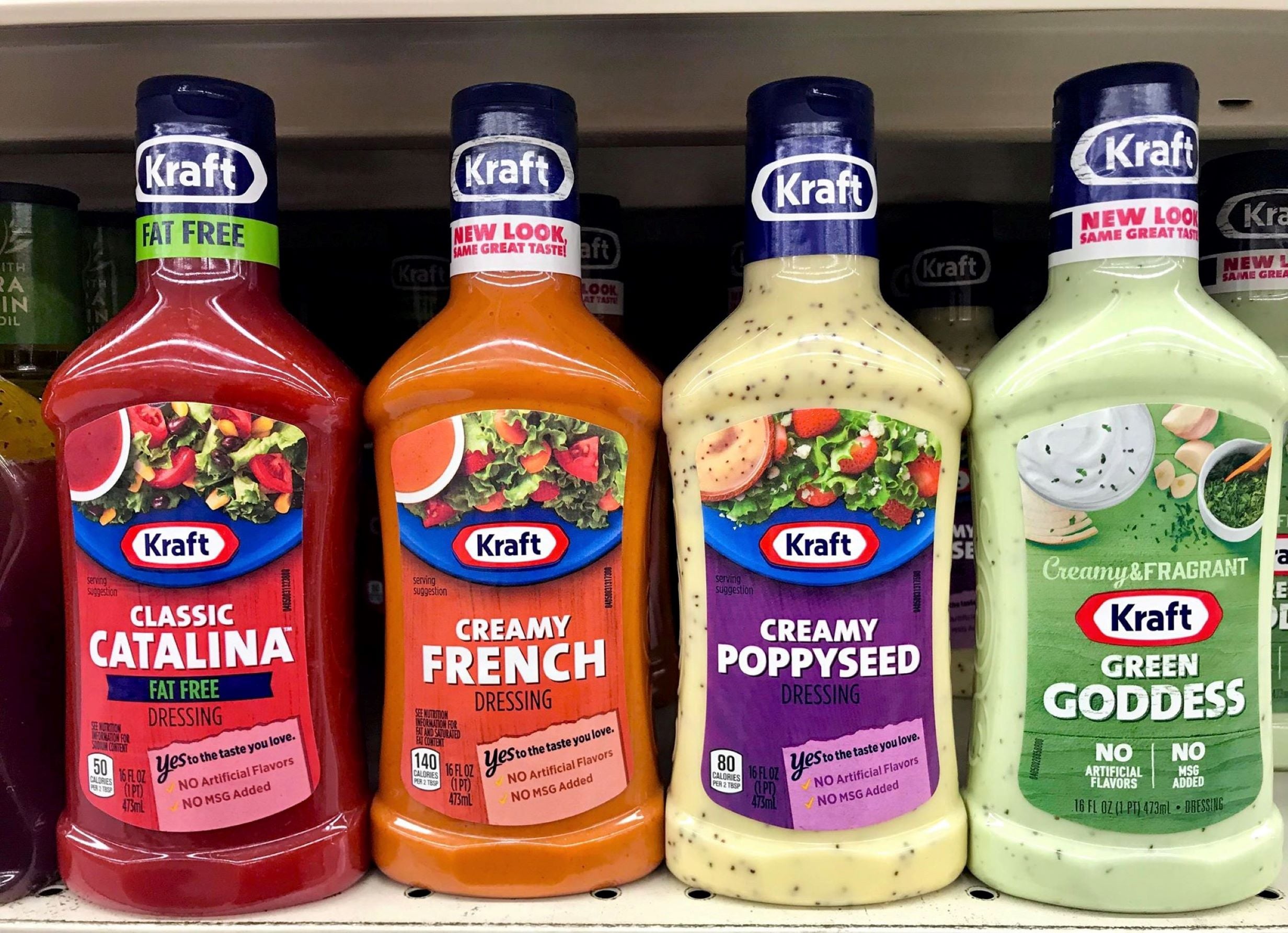
Artificial Dyes: Yellow 5, Blue 1
Finally, where you least expect it… Condiments like Kraft Green Goddess Salad Dressing and Heinz Sweet Relish are still using artificial dyes to give them that bright green, appealing color. But is it really necessary? I don’t think anyone will miss the artificial dyes as long as they still taste good.
Shutterstock

So there you have it — ten popular foods that are still using artificial dyes.
It’s not all that surprising for some of these foods, but with the push for natural alternatives, it’ll be interesting to see how the food industry evolves over the next few years.
What do you think? Were any of these surprising to you? Let me know in the comments!
Shutterstock




Leave a Comment