
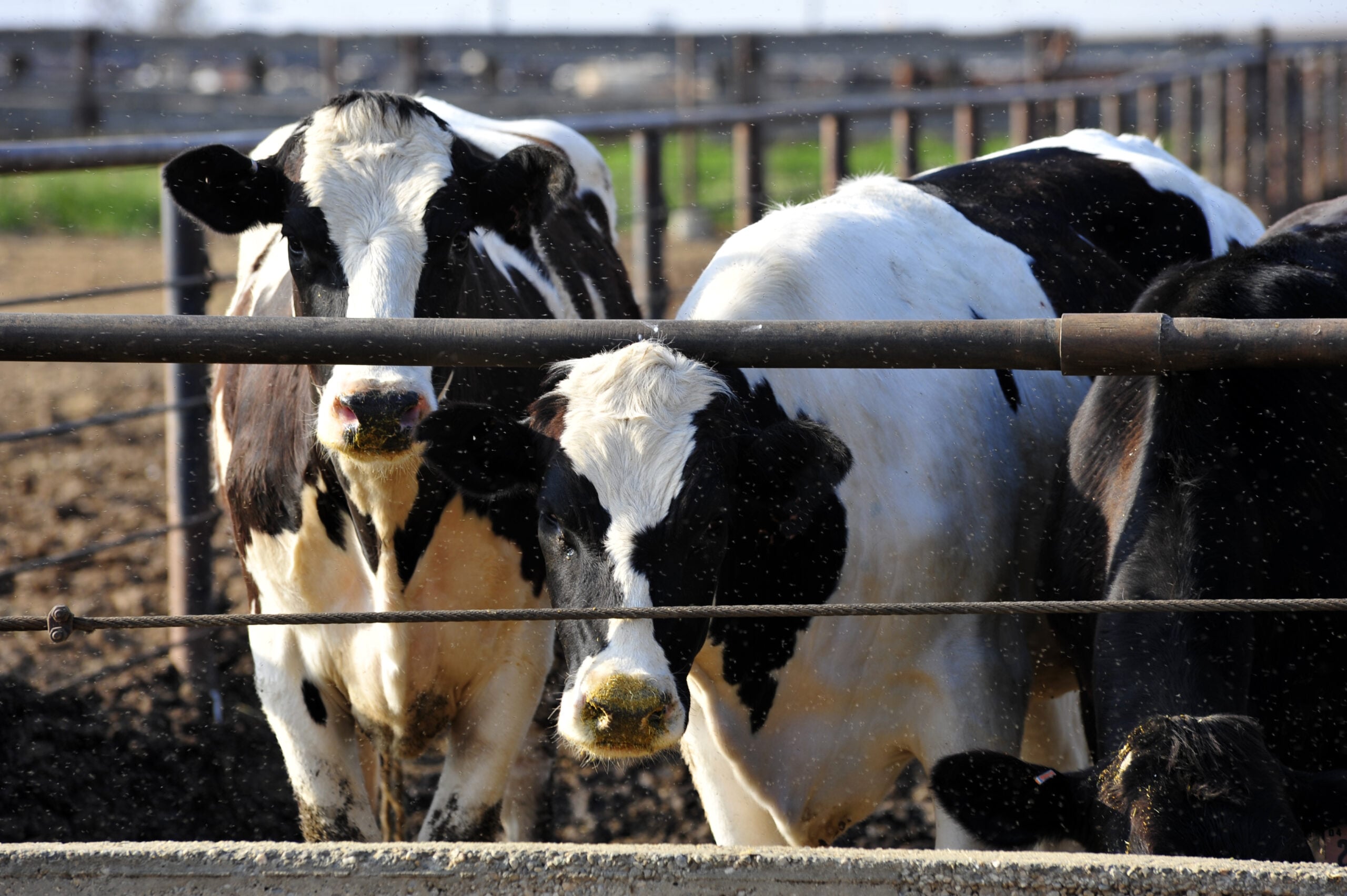
A Connecticut dairy company with more than a century of history is shutting down one of its longtime facilities, resulting in the loss of more than 200 jobs and marking another blow to regional food manufacturing.
Historic dairy plant to close
Guida-Seibert Dairy, which was founded in 1886, announced plans to close its plant in New Britain, Connecticut, eliminating approximately 205 positions in phases beginning later this year. The company cited rising operational costs and changing business conditions as factors behind the closure.
Opened in 1947, the facility has operated for decades and has been a major employer in the area, producing and distributing milk and other dairy products across the Northeast. Workers were informed through a WARN notice filed with the state, which outlined the phased layoffs tied to the shutdown.
Company officials said production will eventually shift to other facilities as the dairy consolidates operations.
Another sign of pressure on food manufacturers
The closure comes as food manufacturers nationwide continue grappling with inflation, higher transportation and labor costs, and changing consumer habits. Dairy producers in particular have faced mounting pressure from fluctuating milk prices, increased competition, and shifting demand toward alternative beverages.
Across the food industry, companies ranging from packaged snack makers to beverage producers have announced layoffs, plant closures, and restructuring efforts in recent months as businesses try to reduce expenses and improve efficiency.
Industry analysts say older manufacturing facilities are often among the first locations targeted during consolidation efforts because they can require costly upgrades and maintenance.
Workers and local economy impacted
The shutdown is expected to have ripple effects throughout the local economy, impacting not only employees but also suppliers, transportation providers, and nearby businesses connected to the plant.
For longtime workers and residents, the closure represents the end of a historic manufacturing operation that had been part of the community for generations.
The announcement also highlights broader concerns about the future of regional food manufacturing as companies increasingly centralize production in fewer, larger facilities.
Links on this page may be affiliate links, for which the site earns a small commission, but the price for you is the same


Leave a Comment