

Last year, one of the world’s most dominant cheese producers announced its plan to close six of its U.S.-based cheese production plants in 2025.
The closure points to several underlying issues, and possibly changing times when it comes to dairy consumption in America.
Shutterstock

Saputo is a Canadian dairy company based in Montreal, Quebec. Founded in 1954, it’s one of the world’s top dairy processors, with markets in Canada, the United States, Australia, Argentina, and the UK.
Saputo manufactures several types of cheese, including:
- Mozzarella
- Ricotta
- Blue cheese
- Provolone
- Parmesan
- Goat cheese
- Romano
Shutterstock

In addition to cheese, Saputo produces dairy and non-dairy products like:
- Creamers
- Ice cream mixes
- Whipping cream
- Iced coffee
- Sour cream
- Cottage cheese
- Whey protein powder and concentrates (e.g., for protein powders and drinks)
Shutterstock

Saputo products are sold under several different brand names of both its company’s and customers’ brand names. Some of these brand names you might recognize (this isn’t the entire list of Saputo’s brands):
- Frigo
- Frigo Cheese Heads
- Black Creek (Wisconsin)
- Stella (Italian-style cheese)
- Montchevre Goat Cheese
- Cathedral City
Shutterstock

In the U.S., Saputo is in the top three cheese producers. Given that the average American eats around 42 pounds of cheese a year, chances are high that you’ve eaten Saputo cheese before. (I know I have Cheese Heads string cheese in my fridge most of the time!)
Saputo has around 65 plants throughout the world, but most of them are based in the U.S. and Canada.
And as of this year, the number of U.S. plants is down by six…
Shutterstock

Last year, Saputo announced the closure of six of its U.S. plants. The locations are:
- Belmont, Wisconsin
- Big Stone, South Dakota
- Lancaster, Wisconsin
- Tulare, California
- Green Bay, Wisconsin
- South Gate, California
Shutterstock

Regarding the closure of these six U.S.-based facilities, Saputo Chief Operating Officer Carl Colizza said, “We continue to reduce our duplicate costs in our network and continue to optimize the Franklin facility, which will absorb most of the consolidation.”
Franklin, Wisconsin, is the Franklin referenced above, and apparently a busy place for Saputo…
Shutterstock

After building a new cheese processing facility in Franklin in 2023 (a $240 million undertaking), there was talk of adding an additional 311,000-square-foot building less than a mile south of the existing facility, but it’s unclear if construction is underway for that project.
The bottom line is that Saputo has invested a lot into the Franklin facility, so it makes sense why it’s absorbing a lot of the plants slated to close (or that have already been closed).
Shutterstock

In the fourth quarter of 2024, Saputo’s company-wide sales grew by CAD 1 billion, but sales in the U.S. shrank by 6.5%. Given that the U.S. is Saputo’s biggest market, that’s not great news. Let’s look at some of the factors that could be impacting Saputo’s success in U.S. markets.
Shutterstock

There is a shortage of dairy cows (heifers), which impacts the dairy business. According to a U.S.DA estimate in early 2025, there were around 3.9 million head of dairy heifers weighing over 500 pounds. This marks the lowest population of dairy heifers in the U.S. since 1978.
Part of the reason for the shortage is the avian flu (H5N1), which impacts cows in a less severe way than it does poultry…
Shutterstock

According to the College of Agricultural and Environmental Sciences at UC Davis, if a dairy cow is affected by bird flu, milk production can temporarily drop by 20-30% and take months to recover.
As of late January 2025, nearly 75% of California dairy herds had been infected with H5N1, which reduced milk production by as much as 10% in November 2024.
Shutterstock
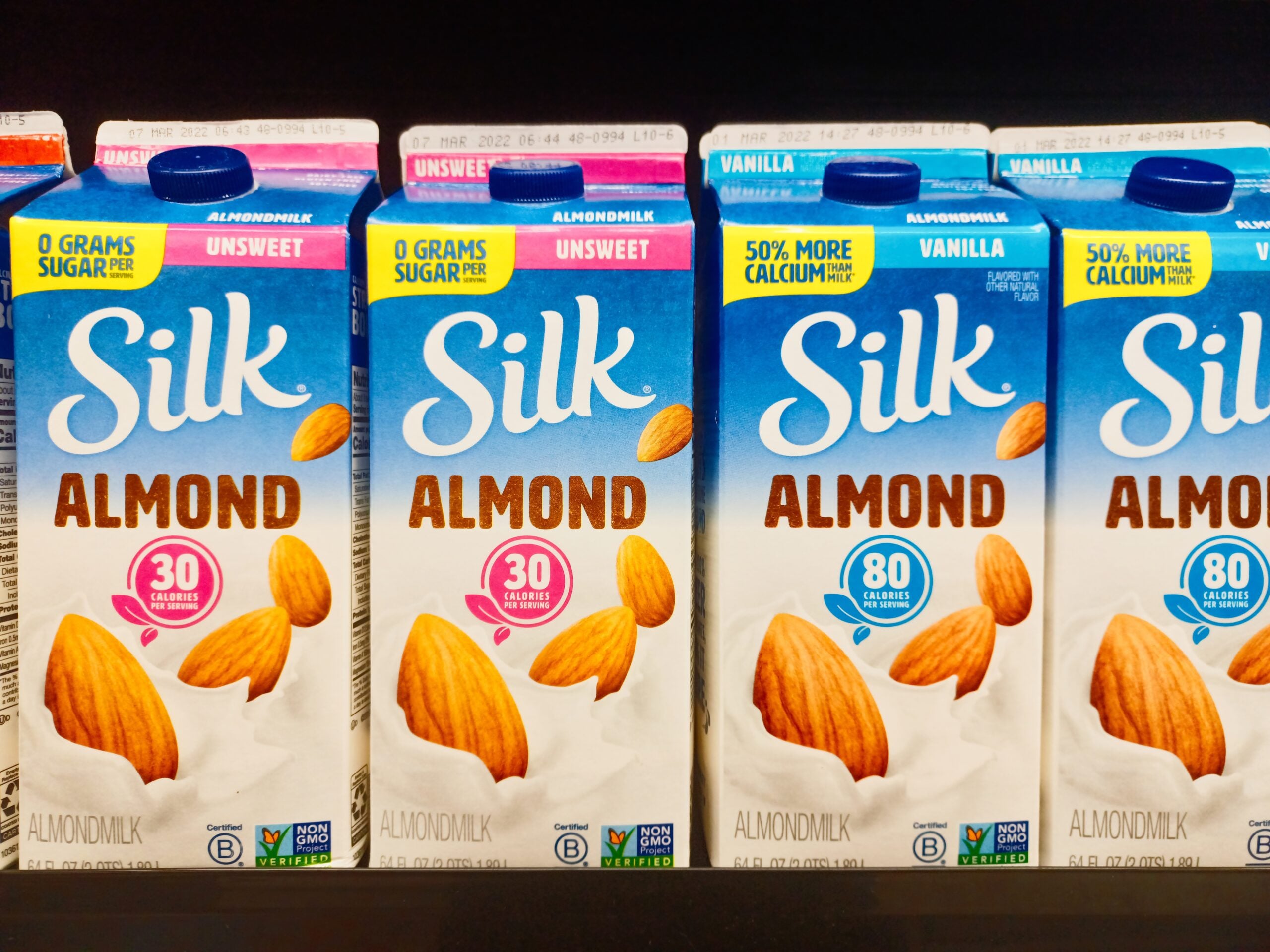
Consumer demands are changing, with more people opting for plant-based alternatives to dairy milk.
While dairy remains a staple in the typical American diet, increasing costs for dairy farmers are making it harder for them to make it, which unfortunately means dairy farms are being lost as economic uncertainty persists.
Shutterstock

Saputo’s market in the U.S. has been “unfavorable” lately (per Saputo’s CEO). Pair that with a dairy cow shortage, issues with labor at certain dairy farms, increasing costs, and changing consumer demands, and we can get a clearer idea as to why Saputo decided to shutter six of its U.S. plants.
Has your dairy consumption changed over the last decade? Why or why not? Share your thoughts on the changing trends in the comments!
Shutterstock





Leave a Comment