
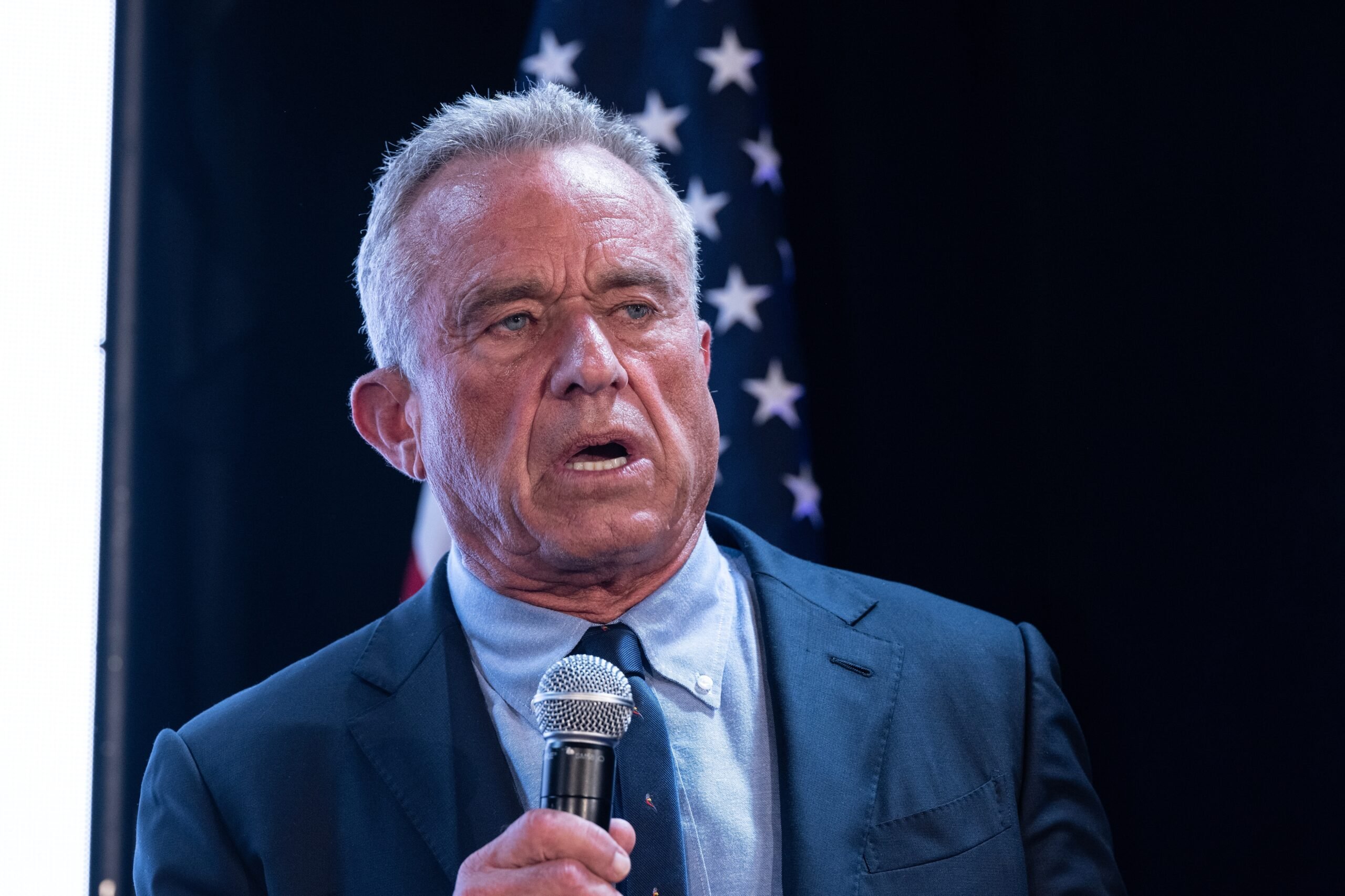
Robert F. Kennedy Jr. now leads the Department of Health and Human Services, and big changes could be coming to the food and drink industry. Known for supporting public health and safety, he plans to focus on harmful food additives often found in the American diet. This might mean stricter rules, reformulated recipes, or even bans on certain products. Popular sodas and drinks with artificial dyes, preservatives, or ingredients like BVO (Brominated Vegetable Oil) could be affected. Here’s a closer look at what might change.
Shutterstock

Big drink companies in the U.S. began removing BVO from their drinks years before the FDA’s 2024 ban. PepsiCo stopped using it in Gatorade and Mountain Dew in the 2010s, especially since Mountain Dew was banned in some countries for using BVO. Coca-Cola also removed BVO from drinks like Powerade, Fanta, and Fresca. They replaced BVO with safer ingredients while keeping the drinks tasty. But, some of these drinks still contain additives that will be banned under new legislation.
Shutterstock

Even though many big brands worked to remove BVO, some sodas still had it before the ban. These included:
- Sun Drop (a citrus soda from Keurig Dr. Pepper)
- Faygo Moon Mist (similar to Mountain Dew), and
- Walmart’s Great Value Orangette (an orange soda).
Now that the FDA ban has been in place, each of these sodas have changed their recipes to follow the new rules. But they had it until just recently!
Shutterstock

Our first true example is Mountain Dew, with its iconic neon yellow-green color, is one of the most recognizable sodas on the market. However, it contains artificial dyes. Under RFK Jr.’s leadership, Mountain Dew could face reformulation to comply with stricter safety standards. If changes aren’t made, the soda might even risk being pulled from store shelves, leaving fans of the drink disappointed.
Shutterstock

Soda #5 is Fanta. Fanta gets its bright colors from artificial dyes like Yellow No. 5 and Red Dye 40, but these dyes have been linked to allergies and behavior problems, especially in kids. Under pressure for healthier ingredients, Fanta might switch to natural colorings. This could change how the drink looks and tastes but would meet stricter food safety rules.
Shutterstock

Soda #3 is Fresca. Fresca, a citrus-flavored soda, might come under review for using artificial sweeteners and flavors, which some studies link to health problems. RFK Jr.’s suggested reforms could lead to replacing these ingredients with natural ones. This might slightly change Fresca’s taste, but the goal would be to make it healthier and safer for consumers.
Shutterstock

Soda #4 is Red Bull. Red Bull is a popular energy drink known for its high caffeine and sugar. Both of these can cause health problems like heart issues and obesity. If RFK Jr.’s stricter food rules are approved, Red Bull might have to lower its caffeine and sugar or use healthier ingredients. These changes could make it safer but might also affect its popularity with people who use it for quick energy.
Shutterstock

Brominated vegetable oil (BVO) is a type of vegetable oil that has bromine, a chemical, added to it. It’s used in some drinks like citrus sodas and sports drinks to keep the ingredients mixed and stop the flavor from separating. Bromine is a reddish-brown chemical found in nature, like in seawater and the Earth’s crust. While bromine is also used in things like swimming pools instead of chlorine, having it in food has caused health concerns over time.
Shutterstock

For years, people have been worried about the health risks of BVO. Bromine, a chemical in BVO, has a strong smell like bleach and can cause nausea, vomiting, and skin problems if consumed in large amounts. Studies show that BVO can build up in body fat and organs like the heart, liver, and brain, which might lead to memory problems or thyroid issues. In the late 1960s, the FDA stopped calling BVO “safe,” but it wasn’t banned because there wasn’t enough proof. Instead, the FDA allowed it in drinks but limited the amount to 15 parts per million until banning it recently.
Shutterstock

The beverage industry has moved away from using BVO, replacing it with safer ingredients. Many companies now use emulsifiers like SAIB or glycerol ester of wood rosin instead. These alternatives work well and keep sodas tasting the same. The switch to safer formulas shows that companies are listening to customers who want healthier drink options.
Shutterstock

The U.S. isn’t the first country to ban BVO. Europe and Japan have already banned it for years because of health concerns. Now, the FDA is banning BVO and certain food dyes to match those standards. Companies had one year to change their products to follow the 2024 rules. This change shows how important it is to keep food and drinks safe for everyone.
Shutterstock
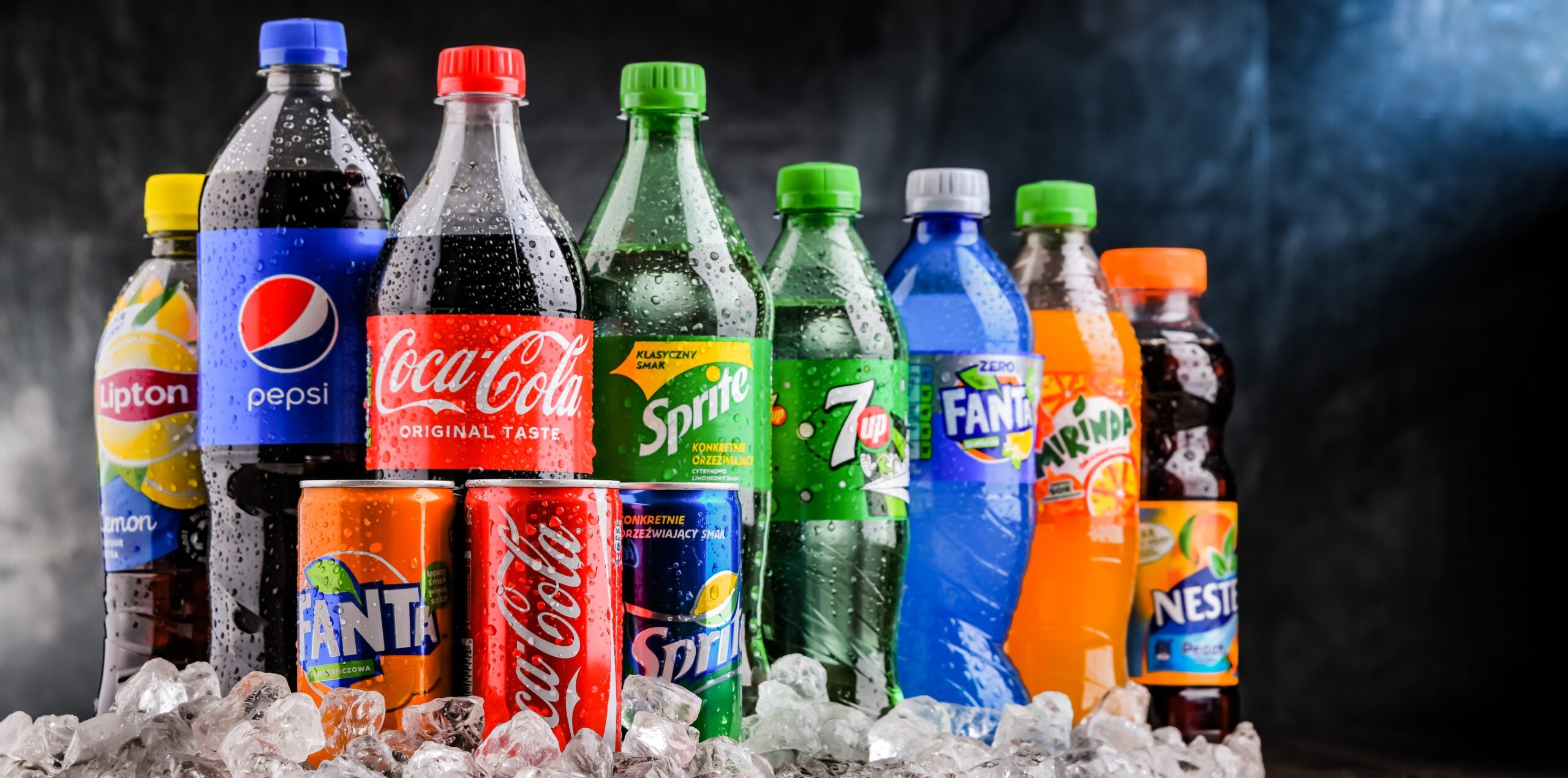
Stricter regulations under RFK Jr. could lead to reformulations or even the removal of some popular sodas and drinks. While these changes aim to improve public health, they may also alter the taste, appearance, and availability of beloved beverages. Stay tuned as the industry adapts to these new standards.
Shutterstock

The U.S. has banned brominated vegetable oil (BVO), as well as several different food dyes, which is a big step toward making drinks safer. Most major soda brands had already switched to safer ingredients, so not much will change for consumers. As for the remaining drinks, the beverage industry is focused on changing the formulations and making drinks that are safe, tasty, and high quality for everyone. Getting rid of artificial dyes is a major focus.
Shutterstock
Check out The Coconut Mama for more on these topics and other cool stuff!
- Click here to access The Coconut Mama’s profile page and click the Follow button at the top of the article!
- Got feedback? Leave a comment below!
Shutterstock


Leave a Comment