
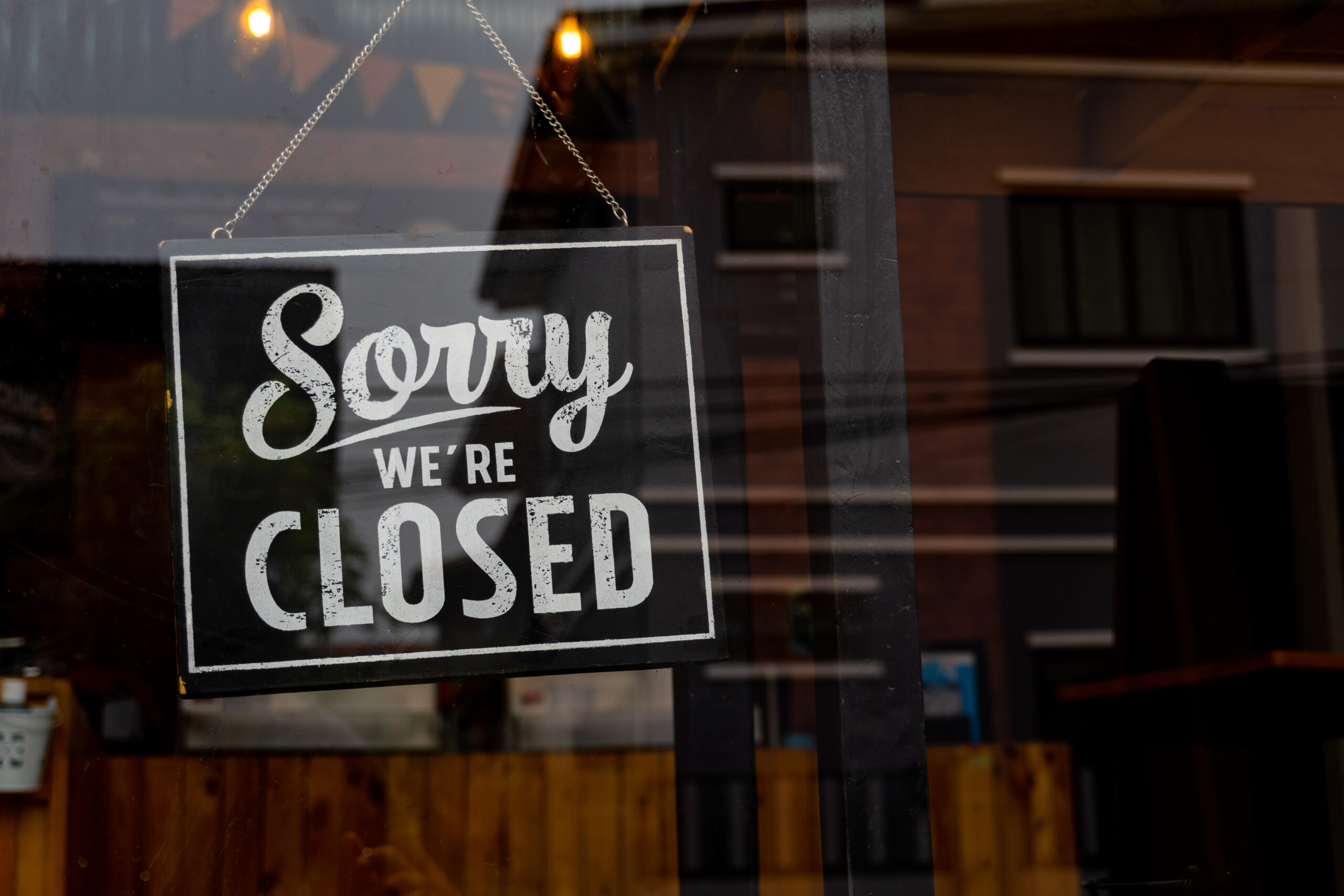
Another longtime American restaurant has served its last meal, adding to a growing list of legacy eateries disappearing across the country despite decades of loyal customers.
Hob Nob Hill, a beloved diner in San Diego’s Bankers Hill neighborhood, permanently closed on June 30, ending an extraordinary 82-year run that began in 1944. The restaurant announced the closure in a message thanking generations of patrons while hinting that the property could eventually enter a new chapter under its current owners.
A San Diego institution
Hob Nob Hill traces its roots to a 14-seat lunch counter called the Juniper Café, opened by Harold and Dorothy Hoersch in May 1944. After relocating two years later, the restaurant evolved through several names before becoming Hob Nob Hill around 1970.
Over the decades, it earned a devoted following for its scratch-made comfort food, house-baked pies, corned beef hash, turkey dinners and classic diner atmosphere. The restaurant also gained national attention after appearing on Food Network’s Diners, Drive-Ins and Dives in 2008.
A changing restaurant landscape
Ironically, Hob Nob Hill’s previous owner had said the restaurant was experiencing some of its strongest sales in decades before selling the business in early 2025. However, current ownership cited rising operating costs and broader economic pressures as key factors behind the decision to close.
The restaurant’s departure marks another loss of a historic neighborhood institution as independent restaurants continue to navigate an increasingly difficult operating environment.
Even iconic restaurants face mounting pressure
The closure is another reminder that even well-known restaurants with decades of history are not immune to today’s challenging business climate. In recent years, nationally recognized brands including Red Lobster, TGI Fridays, Buca di Beppo, Rubio’s Coastal Grill, and On the Border have filed for bankruptcy or undergone major financial restructurings.
While bankruptcy in those cases doesn’t always mean a brand disappears, it often results in restaurant closures, layoffs and significant restructuring as operators struggle with rising labor costs, higher food prices, increasing occupancy expenses and shifting consumer habits.
Links on this page may be affiliate links, for which the site earns a small commission, but the price for you is the same




Leave a Comment