

Moving on along the alphabet, we are going to talk about those foods that start with the letter K.
I know it sounds impossible, but let me assure you that there are over 100 foods with the letter K.
Today, we are going to explain 100 foods that start with the letter K!
So, stay tuned to learn all about them.
| Item | Food or Drink? | What is it? |
| Kaassoufflé | Food | Dutch snack made from a stuffed pastry with cheese |
| Kabanos | Food | Polish sausage made with pork and spices. |
| Kabob | Food | Meat cooked in skewer traditional from the Middle East |
| Kabocha | Food | Type of winter squash |
| Kabuli chana | Food | Type of chickpea |
| Kaffir lime | Food | Citris fruit native to Southeast Asia |
| Kahlua | Drink | Coffee-based alcoholic beverage |
| Kaju katli | Food | Indian dessert made with cashews, whole milk powder, cardamom, ghee, and sugar. |
| Kaki | Food | Another name for persimmon |
| Kalamata olives | Food | Dark purple/brown olives with an intense flavor |
| Kalathappam | Food | Traditional dish from Malabar made with ground rice, coconut oil, fried onions, jaggery sugar, coconut flakes, and cardamom powder. |
| Kale | Food | Dark leafy green high in nutrients |
| Kalette | Food | Hybrid of kale and Brussels sprouts |
| Kamut | Food | Commercial name for Khorasan wheat |
| Kangaroo meat | Food | Lean protein with a high nutrient value |
| Kangkung | Food | Water spinach common in Asia |
| Kañiwa | Food | Pseudo-grain native to the Andean regions |
| Kanzuri | Food | Bright red colored chili paste original from Japan |
| Kapusta | Food | Polish recipe made with mushrooms, onions, sugar, and cabbage |
| Karahi | Food | Pakistani and Indian dish made from a blend of meals and vegetables |
| Kare-kare | Food | Filipino dish made with oxtail, tripe, pork hocks, and pig’s feet |
| Karela | Food | Known as bitter gourd, is a common vegetable from Asia |
| Karelian pastry | Food | Traditional Finish pastry made of thin rey filled with rice or mashed potatoes |
| Kasha | Food | Traditional dish from Eastern Europe made from roasted buckwheat groats |
| Kataifi | Food | Middle Eastern pastry made from shredded phyllo dough |
| Katsu | Food | Japanese dish made from crispy breaded meat served with rice and cabbage |
| Katsudon | Food | Traditional Japanese dish made by combining Katsu and Donburi |
| Katsuobushi | Food | Traditional ingredient in Japanese cuisine |
| Kaya toast | Food | Traditional sweet breakfast from Singapore |
| Kepabche | Food | Grilled meat dish from Bulgaria |
| Kebbe | Food | Mixture of ground meat, bulgur wheat, onions, and spices popular in Middle East |
| Kedgeree | Food | Dish combining rice, smoked fish, bioled eggs, and spices |
| Kedjenou | Food | Traditional dish from Ivory coast cooked in clay pots |
| Kefalograviera | Food | Greek cheese |
| Kefir | Drink | Probiotic-rich drink with a tangy taste |
| Kelp | Food | Type of marine algae |
| Keripik kentang | Food | Indonesian potato chips |
| Kesari baat | Food | Popular Indian dessert made with semolina, sugar, ghee, and spices |
| Ketchup | Food | Popular condiment made from tomatoes |
| Key lime | Food | Small citrus food |
| Key lime pie | Food | Creamy dessert made using key limes |
| Khachapuri | Food | Georgian dish made by filling bread with cheese and topped with an egg |
| Khandvia | Food | Dish made by mixing gram flour, yogurt, and spices |
| Khinkali | Food | Traditional Georgian dumpling |
| Khoresh | Food | Stew made in a slow cooked with meats, vegetables, and spices |
| Kibbeh | Food | Middle Eastern dish made with ground beef (lamb) bulgur wheat, onions, and spices |
| Kibinai | Food | Flaky dough filled with several ingredients |
| Kidney beans | Food | Type of legume |
| Kidney pie | Food | Traditional British dish |
| Kimchi | Food | Fermented cabbage high in probiotics |
| King crab | Food | Large crab with succulent meat |
| King oyster mushroom | Food | Edible mushroom |
| King prawn | Food | Large crustaceans |
| Kingfish | Food | Saltwater fish |
| Kipfel | Food | Austrian pastry known for its crescent shape |
| Kipfler potatoes | Food | Type of potatoes |
| Kipper snacks | Food | Snack made from smoked fish |
| Kippers | Food | Type of small fish |
| Kirsch | Drink | Cherry brandy from Germany and Switzerland |
| Kishka | Food | Traditional Jewesh sausage-type food |
| Kissel | Food | Traditional Eastern European dessert |
| Kitkat | Food | Popular chocolate snack |
| Kiwano | Food | Type of vegetable traditional from Africa |
| Kiwi | Food | Type of fruit |
| Knäck | Food | Swedish toffee-like candy |
| Knäckbröd | Food | Traditional Swedish flatbread |
| Knackwurst | Food | Type of German sausage |
| Knafeh | Food | Middle Eastern dessert made from layers of shredded phyllo dough |
| Knish | Food | Eastern European pastry |
| Knödel | Food | Dumplings from Central and Eastern Europe |
| Knöpfle | Food | Type of soft egg noodle |
| Kholrabi | Food | Vegetable from the cruciferous family |
| Kororeç | Food | Popular street food in Turkey |
| Kola nut | Food | Seed native to West Africa |
| Kolache | Food | Sweet pastry traditional fro Central Europe |
| Kombu | Food | Type of edible kelp |
| Kombucha | Drink | Probiotic-rich drink with a tangy flavor |
| Kompot | Drink | Traditional Eastern European non-alcoholic beverage from cooked fruits |
| Konjac | Food | Type of root vegetable |
| Konpeito | Food | Japanese candy |
| Kopi luwak | Drink | Coffee drink made from partially digested coffee beans |
| Korma | Food | Indian dish made from braised meat and vegetables |
| Kosher dill pickles | Food | Type of fermented pickles |
| Kourign-amman | Food | Traditional pastry original from France |
| Koulourakia | Food | Greek butter cookies |
| Kourabiedes | Food | Greek festive cookies |
| Kousa mahshi | Food | Stuffed zucchini traditional in Middle East |
| Kransky | Food | Sausage from Slovenia |
| Krill | Food | Small shrimp-like crustaceans |
| Kringle | Food | Traditional pastry from Denmark |
| Krupuk | Food | Shrimp crackers from Southeastern Asia |
| Kuchen | Food | Traditional German cake or pastry |
| Kugel | Food | Jewish dish often served during the holidays |
| Kugelhopf | Food | Traditional cake |
| Kulcha | Food | Indian flatbread |
| Kulfi | Food | Delicious Indian frozen dessert |
| Kulolo | Food | Hawaiian dessert |
| Kumara | Food | Another word for sweet potato |
| Kyselo | Food | West Slavic tangy soup |
| Kyopolou | Food | Bulgarian roasted eggplant dip or spread |
Foods starting with the letter K
1. Kaassoufflé

Starting this list of 100 foods with the letter K, we have kaassoufflé. This is a Dutch snack made by placing cheese inside a dough-based wrap that has been breaded. You then cook it to create a gooey and cheesy snack.
To make them, you’ll need Gouda or Edam cheese (if you want to make it the traditional way), eggs, breadcrumbs, puff pastry, and oil. One of the best things about this recipe is that it doesn’t require a lot of preparation – just about five minutes!
2. Kabanos

Also known as cabanossi or kabana, is a traditional Polish long, thin, and dry sausage. Kabanos are typically made with pork, but you can find a mix of pork and beef in some places. They have a smoky and dry texture. The name Kobanos comes from the nickname “kabanek” given to young fat pigs mainly fed with potatoes.
According to stories, they were the perfect food for travelers and soldiers due to their long-lasting shelf life, and they didn’t take up too much space due to their thinness.
3. Kabob
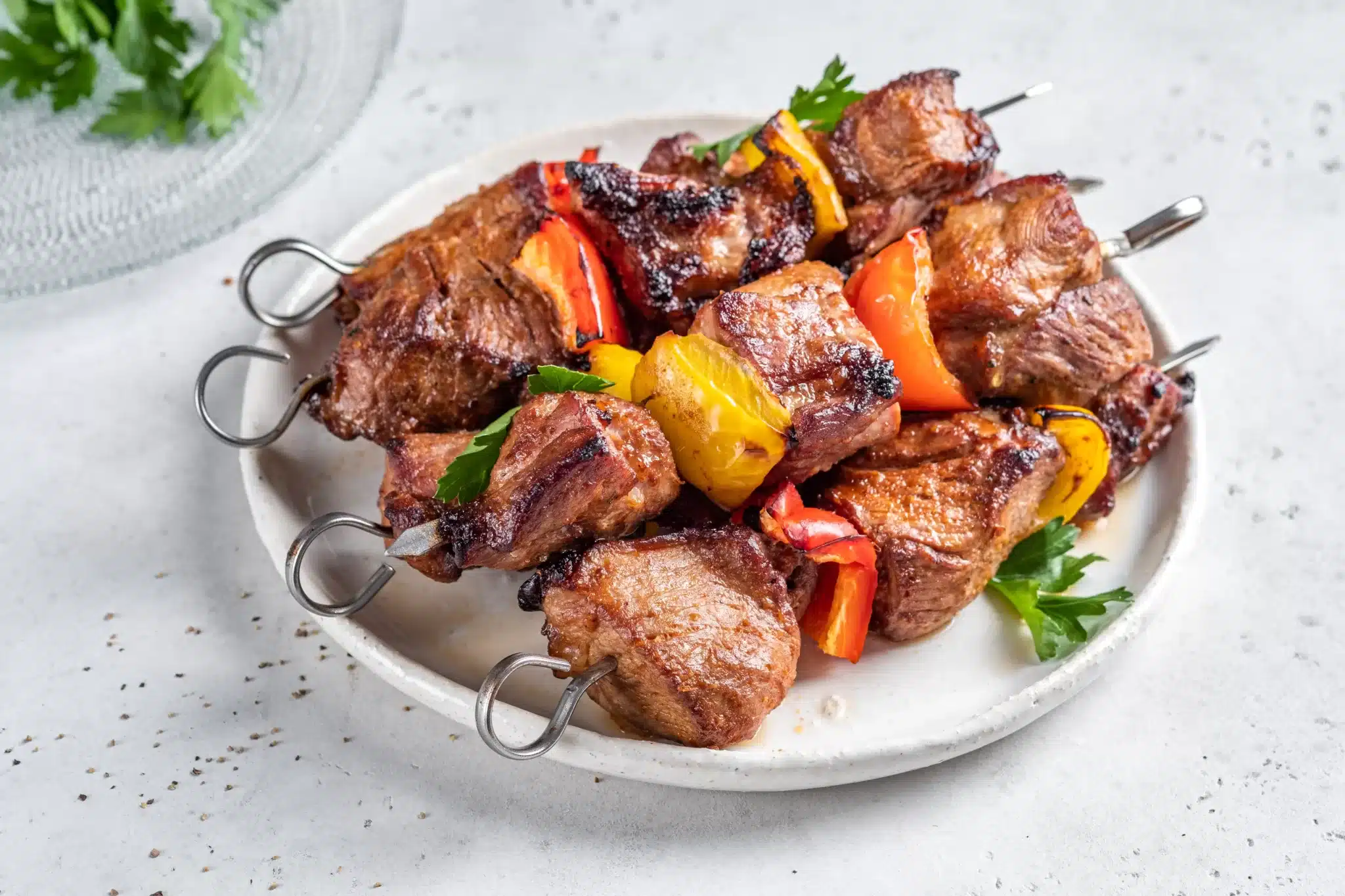
It doesn’t matter how you spell them, “kabobs” or “kebabs” are the same thing. They are a type of cooked meat traditional in the Middle East. A kabob is any meat cooked in a skewer. But besides adding cubes of meat such as beef, pork, or chicken, you also add other ingredients such as tomatoes, mushrooms, onions, and bell peppers.
One benefit of kabobs is that they don’t necessarily need to be made of meat. You can also find fruit kabobs which can make a delicious and refreshing summer snack for the entire family.
4. Kabocha

Kabocha is a type of winter squash. While it was originally from South America, it migrated to Asia, making it one of the all-time favorite vegetables. It has an earthy and sweet flavor. Some people would say it tastes like a combination between a sweet potato and a pumpkin. Besides being tasty, it also offers essential nutrients such as vitamins A and C.
There are different ways to make kabocha. You can fry them along with other vegetables in tempura. You can also use it as a base to thicken a curry or make it into a soup.
5. Kabuli Chana

Kabuli chan is a type of chickpea. There are two main types of chickpeas: desi and kabuli. It is a beige-colored bean with a hard rough outer layer. Kabuli chan has a nutty and creamy flavor with a similar nutritional value as other legumes (high in carbs and protein and low in fats). While you might find it in traditional Indian dishes, you will also find it in the Mediterranean, Northern Africa, South America, and Southern Europe.
Before cooking them, soak them overnight or for at least 8 hours. Strain the water, and place them into a pressure cooker. You can add herbs or spices to add more flavor.
6. Kaffir lime
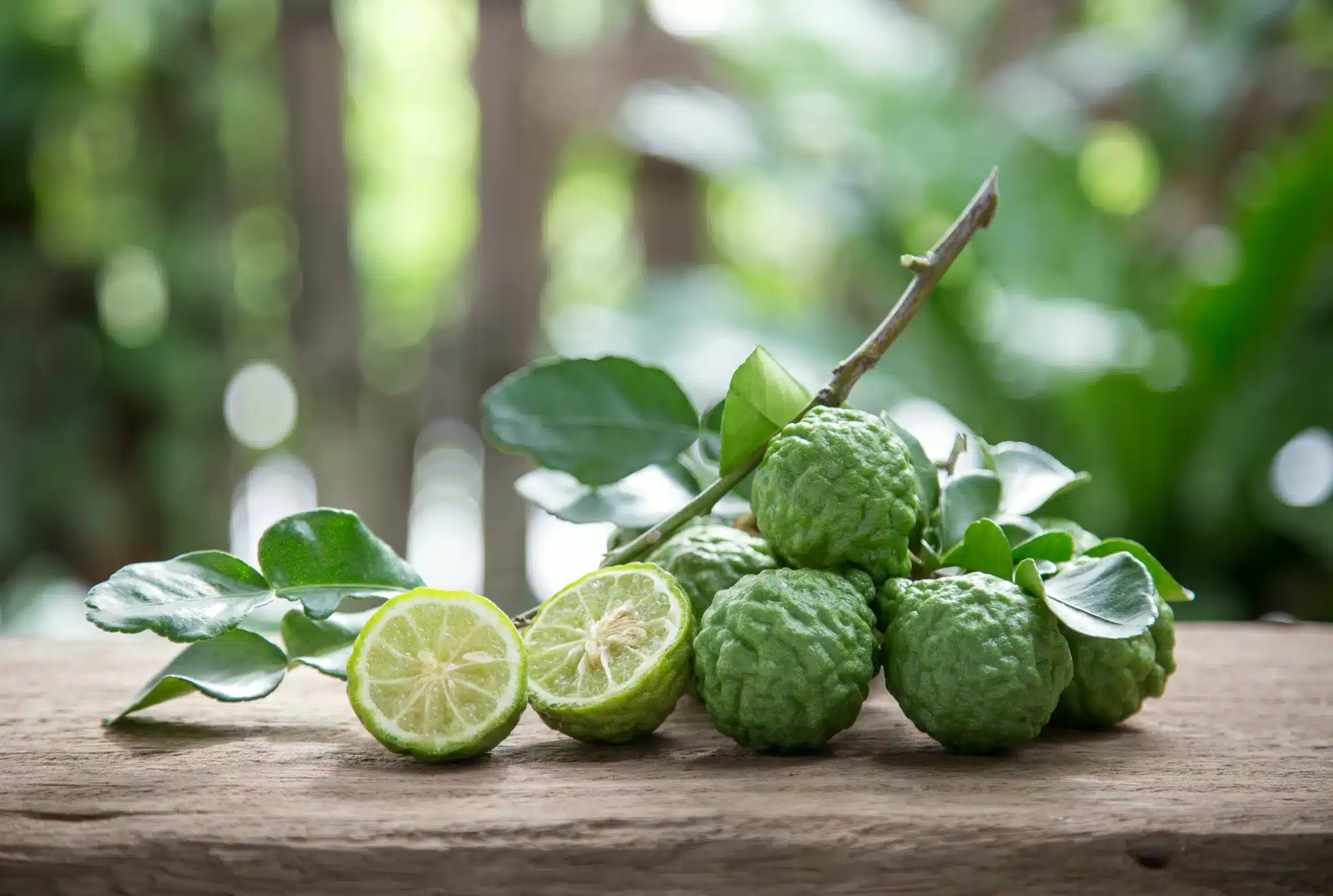
Kaffir lime is a citrus fruit native to Southeast Asia. One of the benefits of kaffir lime is that you can use the fruit and leaves, and in some cases, the essential oil is used as a perfume. There are several differences between kaffir lime and regular limes. Kaffir lime has rugged outer skin, and it doesn’t give as much juice as regular limes. Since it doesn’t give a lot of juice, kaffir lime is mostly known for its leaves. Thanks to its aromatic feature, you can find kaffir lime in curries or broth.
7. Kahlua

If you hear the combination of sugar, rum, and coffee, you probably know what I’m talking about – Kahlua! This delicious alcoholic beverage has roughly 15%-20% alcohol, meaning you ought to be careful when drinking it. Kahlua was born in Veracruz, Mexico, in 1936. Did you know that the word Kah-lúa means “house of the Acolhua people”
You can make several drinks using Kahlua. Some of the most traditional alcoholic beverages that contain Kahlua are the White Russian (the Dude abides), the Revolver, and the B-52.
8. Kaju Katli

This Indian dessert, also known as kaju barfi, is a delicious fudge made by combining cashews, whole-milk powder, cardamon, sugar, water, and ghee. They are one of the most popular sweets in India. In fact, if you go to a house and want to take a gift, this is one of the best things you can take.
The name kaju katli comes from the combination of two Hindi words, “kaju” which means cashew, and “katli” which means slice. And it makes sense since they are delicious cashew slices.
9. Kaki
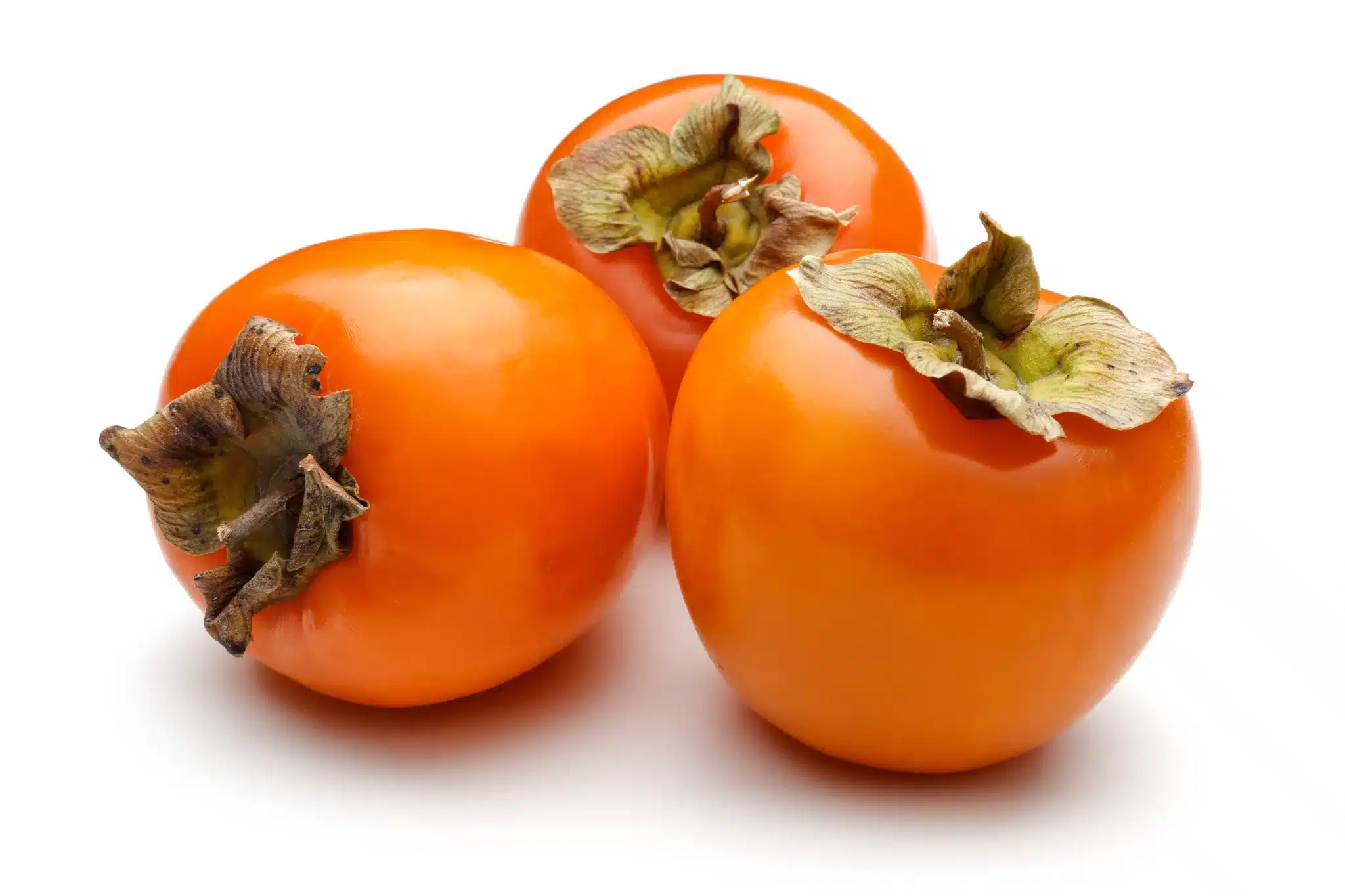
Kaki, also known as persimmon, is an edible fruit with an orange and smooth outer later. When describing the flavor, most people state it has a sweet and mild flavor, similar to honey. If you don’t know how to choose a kaki, it’s similar to picking tomatoes. Choose a fruit that is blemish-free and has smooth skin. There are different ways to have a kaki. You can have them fresh, add them to a salad, or make a pie.
10. Kalamata olives
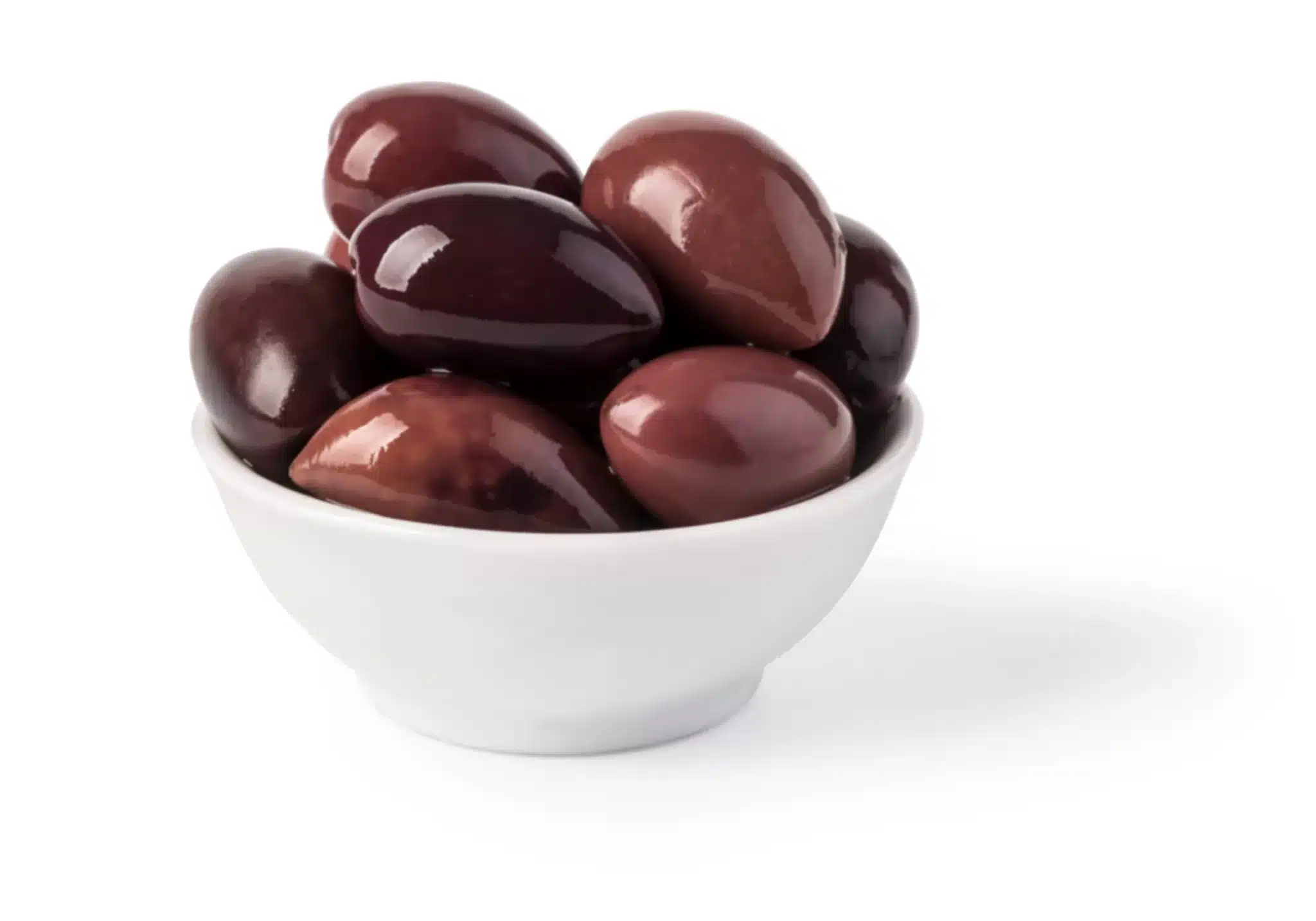
Kalamata olives are dark brown/purple olives with a smooth and very intense flavor. They were originally from the city of Kalamata, located in southern Greece, and are popular both for their nutritional properties (providing healthy fats) and for their one-of-a-kind flavor.
One interesting fact about Kalamata olives is that they are hand-picked to avoid any bruising. Once harvested, the Kalamata olives are either made into oil or prepared to have fresh.
11. Kalathappam

Kalathappam is a traditional dish from North and South Malabar in India. This delicious recipe is made with ground rice, coconut oil, water, fried onions, jaggery sugar, coconut flakes, and cardamom powder. Now, I know what you might be thinking, onion or shallots in a dessert? It somehow works. One of the benefits of this dish is that you can find it sweetened and unsweetened. So, if you need to be careful with your sugar intake, there is a version for everyone.
12. Kale

Kale is a leafy green packed with several essential nutrients. It is high in antioxidants and essential vitamins like A and K. There are different ways for you to use kale. You can use it fresh as a salad base instead of lettuce. You can also combine it with other green vegetables, such as cucumber, celery, and some fruit, like pineapple, to make a green smoothie. Or, if you want something crunchy, place it in an air fryer to make some kale chips.
13. Kalette

We just talked about kale, but you probably haven’t heard about kalettes. They are a hybrid of kale and Brussels sprouts. As a result, they are tiny balls (just like Brussels sprouts) but with the rugged leaves of kale. Kalettes have a high nutritional value since they are high in vitamins K, C, and folate. If you are looking to cook kalettes, my favorite way is to place them in a pan with some butter and lightly saute them.
14. Kamut
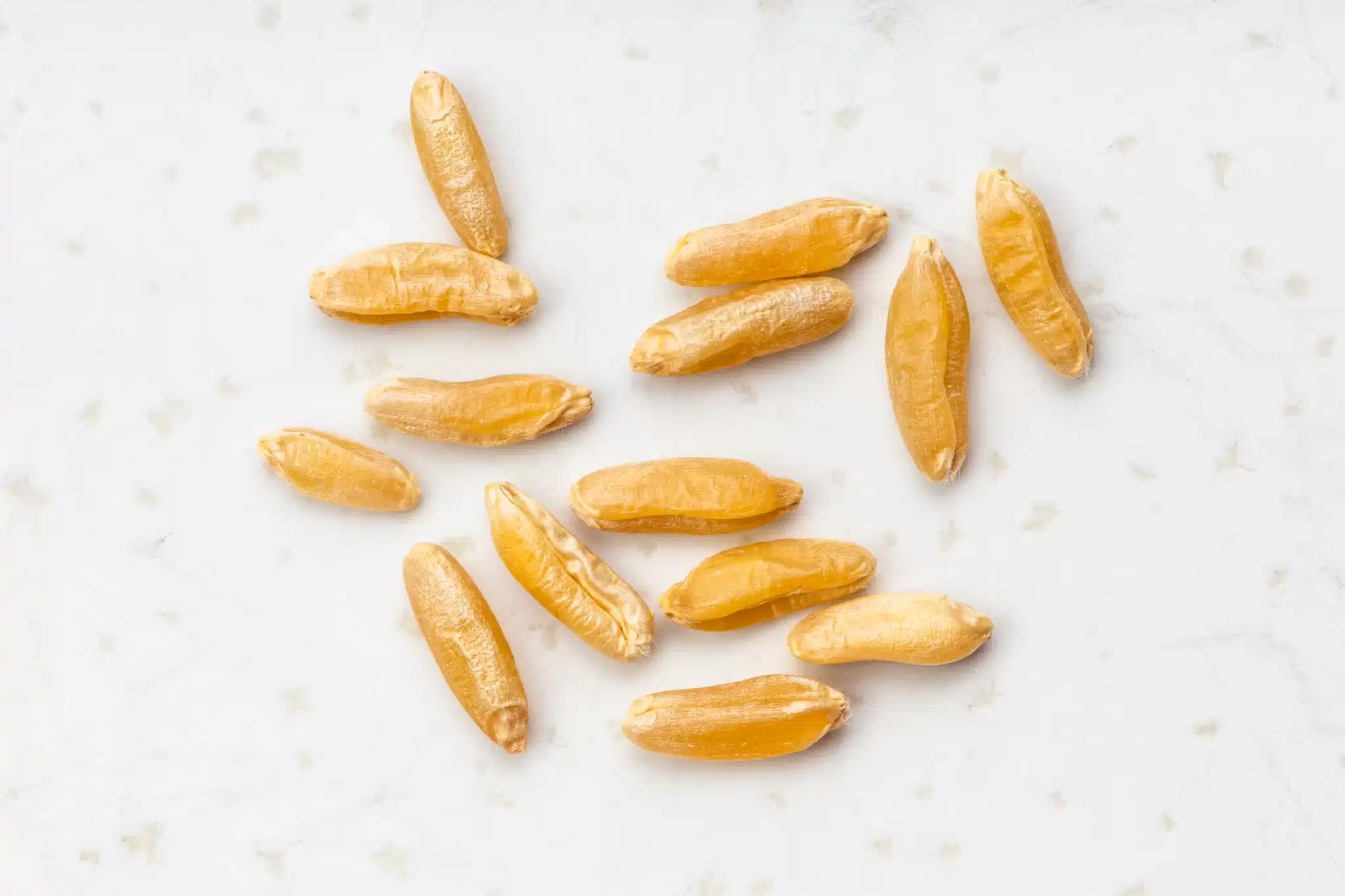
Kamut is the commercial name for Khorasan wheat, a grain with a nutty flavor. It is twice the size of a traditional wheat grain and has high nutritional value. There are different ways for you to try kamut. You can use the flour to make pancakes, bread, or pasta. You can also boil it and use it as a base for a salad. Finally, for those porridge lovers, you can also use kamut in your favorite morning porridge.
15. Kangaroo meat
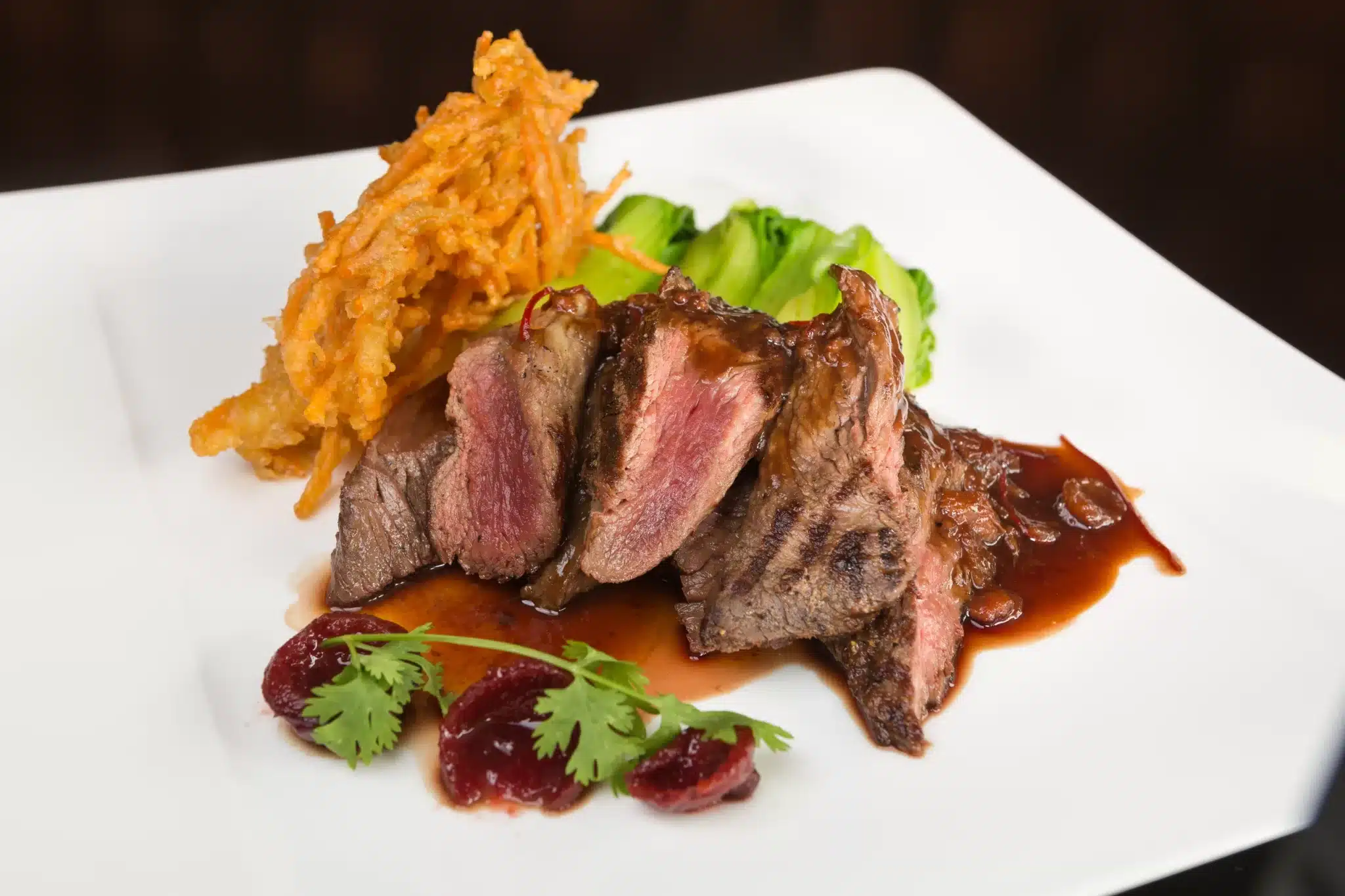
Popular in Australia, kangaroo meat is a very lean source of protein. In fact, it offers just 2% fat. It is also high in essential vitamins and minerals such as iron, zinc, and vitamins from the B complex.
However, since kangaroo meat is very low in fat, if you are not careful, it can result in a very dry protein. To cook kangaroo meat, rest it for 10 minutes after taking it from the fridge, and then place it in a hot skillet with some oil. Kangaroo meat doesn’t take too long to cook (think 5-10 minutes).
16. Kangkung

Also known as water spinach, kangkung is a common vegetable from Asia. If you are looking for a way to make it but are unsure how to cook it, you only need three ingredients to get the best out of kangkung. In a pan, place onion, garlic, and oyster sauce. Cook the mixture for 3-5 minutes, and then add the kangkung. Finish cooking it all for 2-3 minutes, and serve it as a side dish.
17. Kañiwa
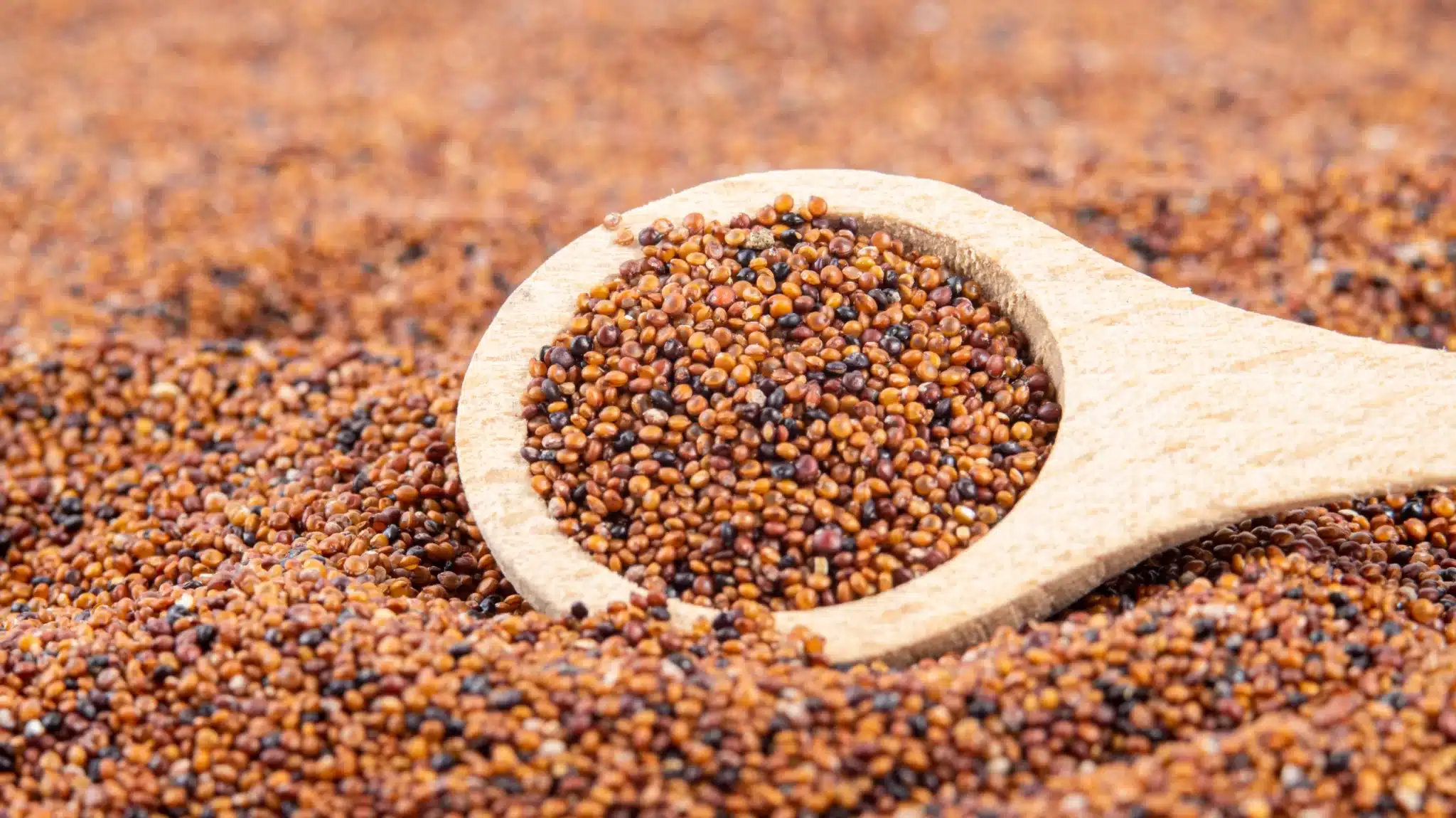
There are different words for kañiwa. Other common names include cañihua, canihua or cañahua, but they are basically the same thing. Kañiwa is a pseudo-grain, just like quinoa. It is native to the Andean region, and there are over 200 different varieties of kañiwa. One of the benefits of this grain is that since it doesn’t have saponins, you don’t need to rinse them. Place it in a pan with water and cook until the grain has absorbed all the water.
18. Kanzuri
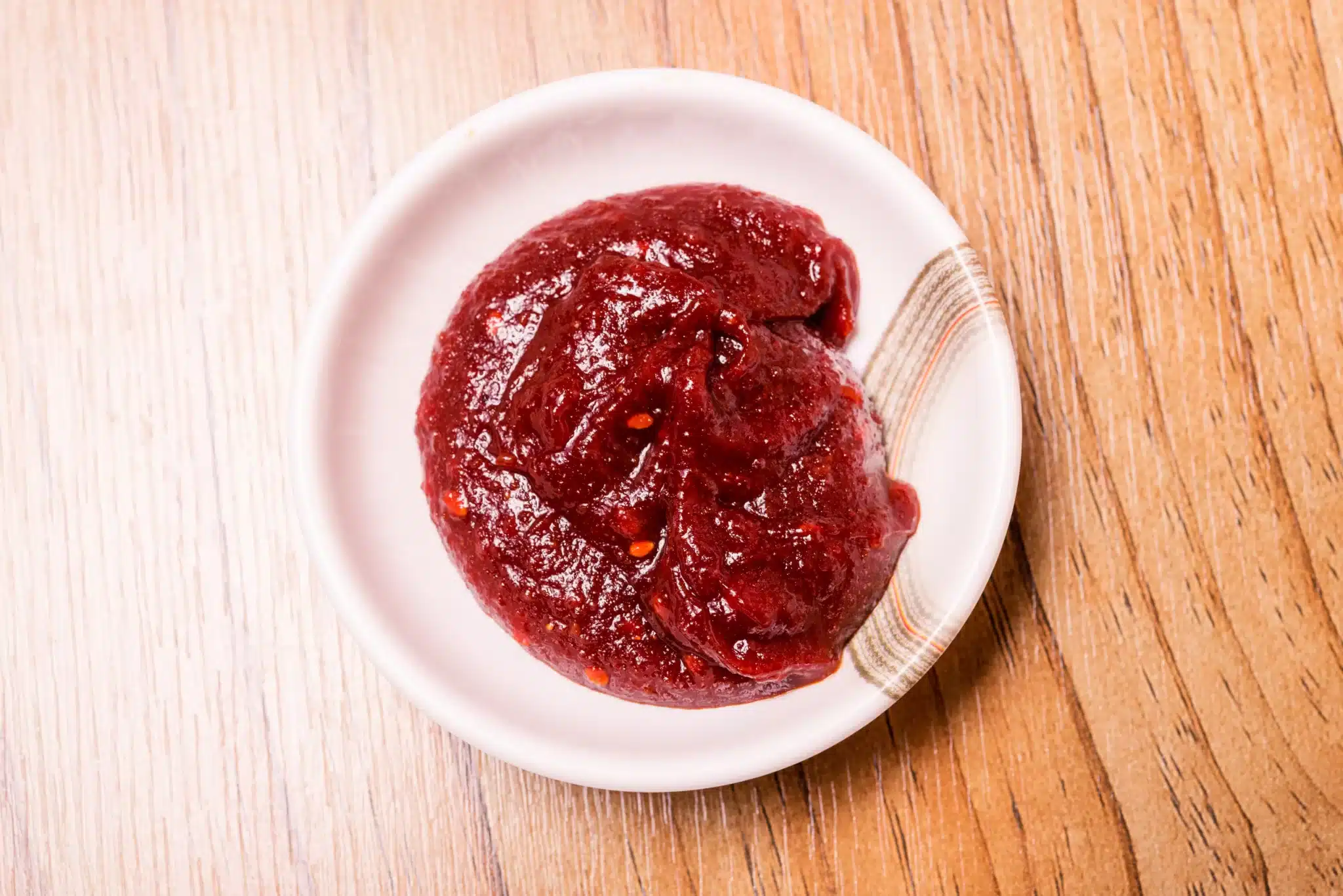
Kanzuri is a bright red colored chili paste originally from Japan. This sweet and salty condiment takes roughly three to four years to make. The ingredients used to make kanzuri are tōgarashi, yuzu, salt, and kōji mold. So, when can you use kanzuri? Whenever you are in need of mustard paste, you can use kanzuri instead. This means it goes well with soups, meats, chicken, or seafood.
19. Kapusta

Kapusta is a Polish recipe made with mushrooms, onions, sugar, and cabbage. While it resembles sauerkraut, keep in mind that they are totally different recipes. The difference is that kapusta uses sauerkraut and cooks it with other ingredients to make this delicious recipe. But, if you are going to make this recipe make sure you have enough time since it roughly takes almost one hour and a half to prepare and cook.
20. Karahi
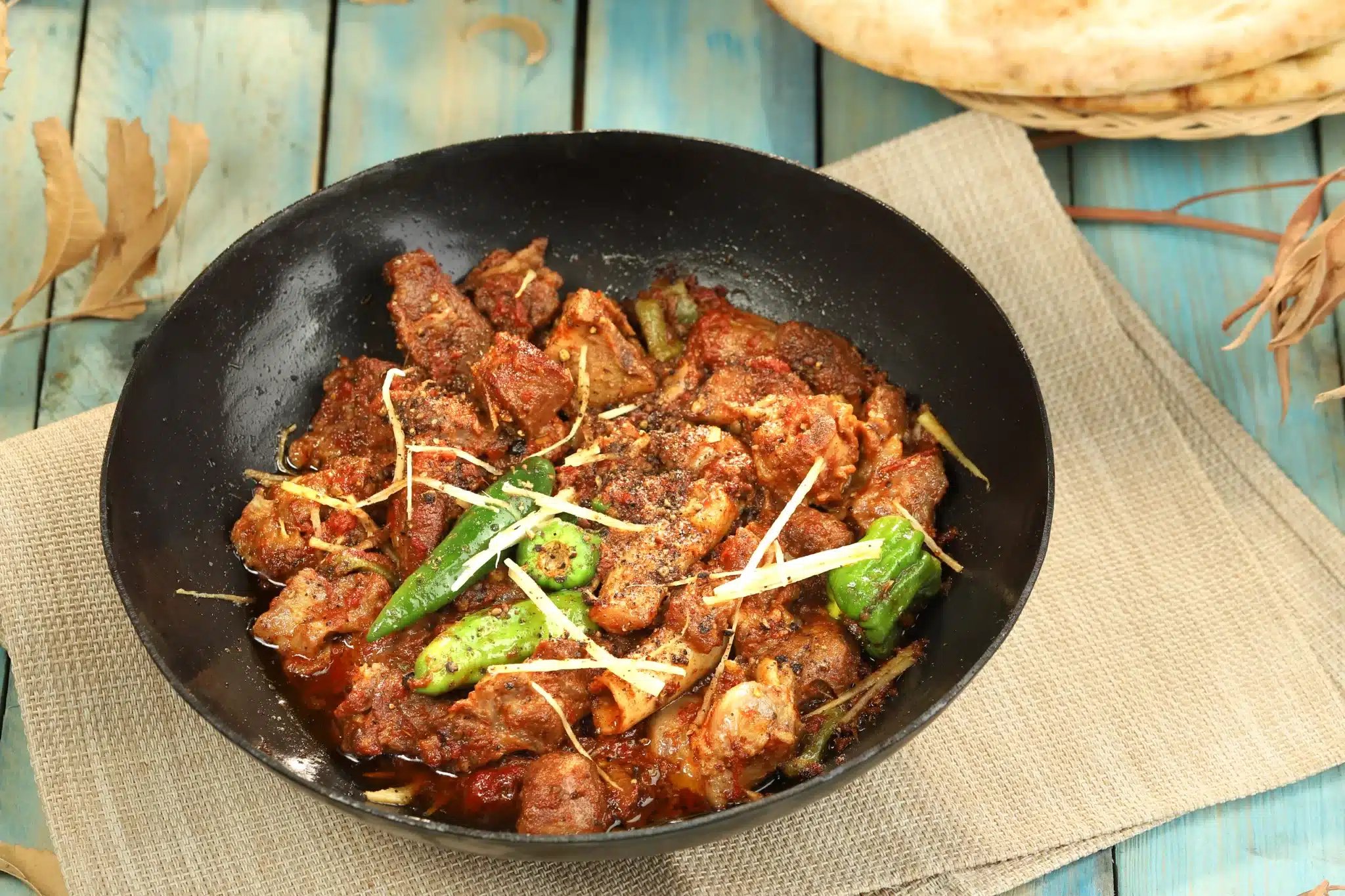
Karahi, also known as kadai, korai, or kadhi, is a popular dish in Pakistan and India. This dish features a blend of meats, usually chicken, lamb, or goat, or it can be vegetables, which is cooked in a wok-like pan called a karahi (hence the name).
The dish is a delicious savory curry prepared with a mix of spices, including garlic, ginger, cumin, coriander, and chili. This dish is often garnished with fresh cilantro and served alongside naan or rice.
21. Kare-kare
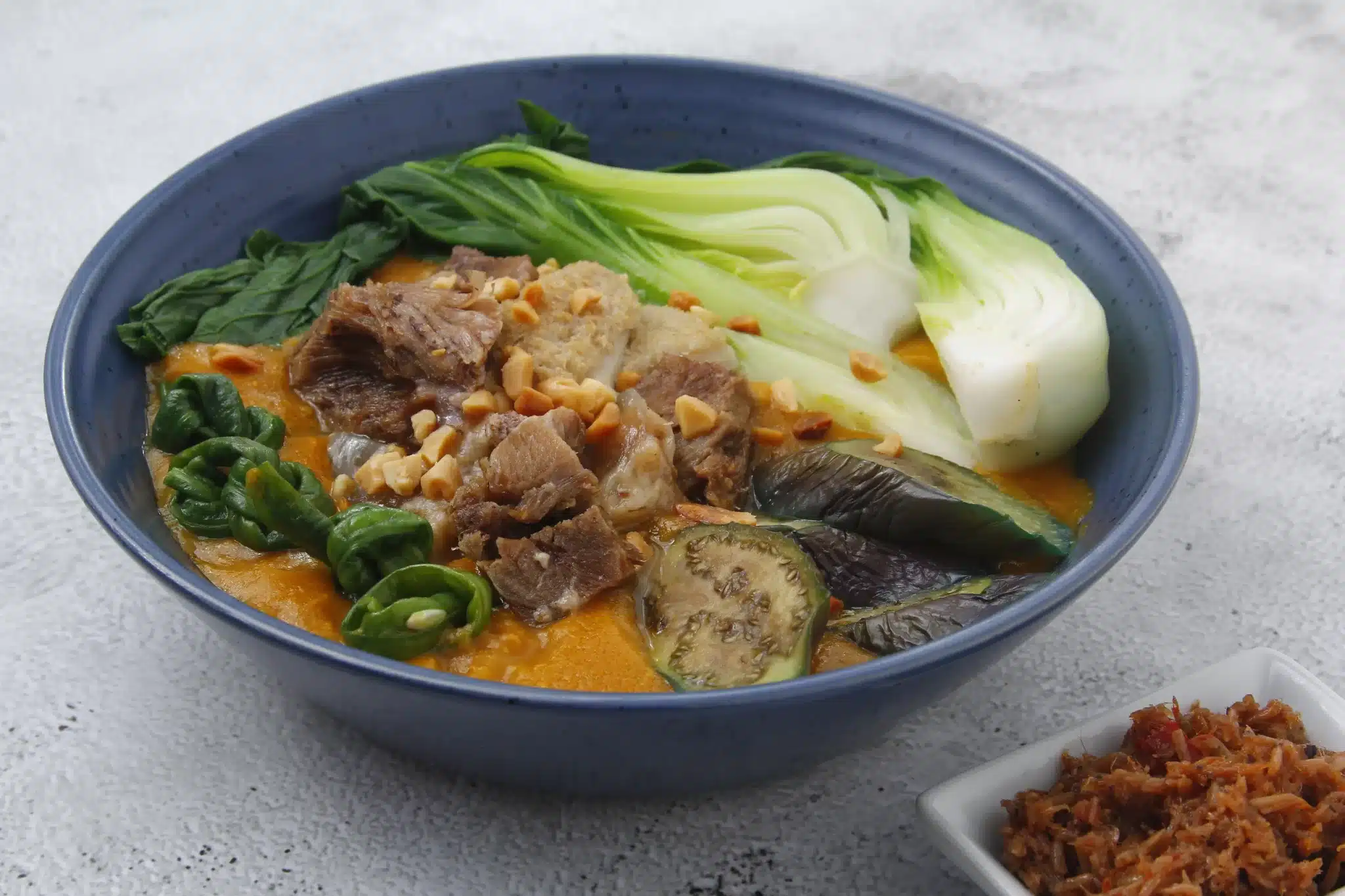
Kare-Kare is a beloved Filipino dish known for its rich and savory flavors. The dish uses oxtail, beef tripe, pork hocks, calves’ feet, or pig’s feet. This delicious recipe is cooked in a thick peanut sauce, accompanied by a variety of vegetables like eggplant and bok choy. This mouthwatering dish is traditionally served with a side of shrimp paste and some steamed rice.
Kare-Kare is derived from the Malay word “curry,” showcasing the influence of Indian and Muslim traders in the Philippines.
22. Karela
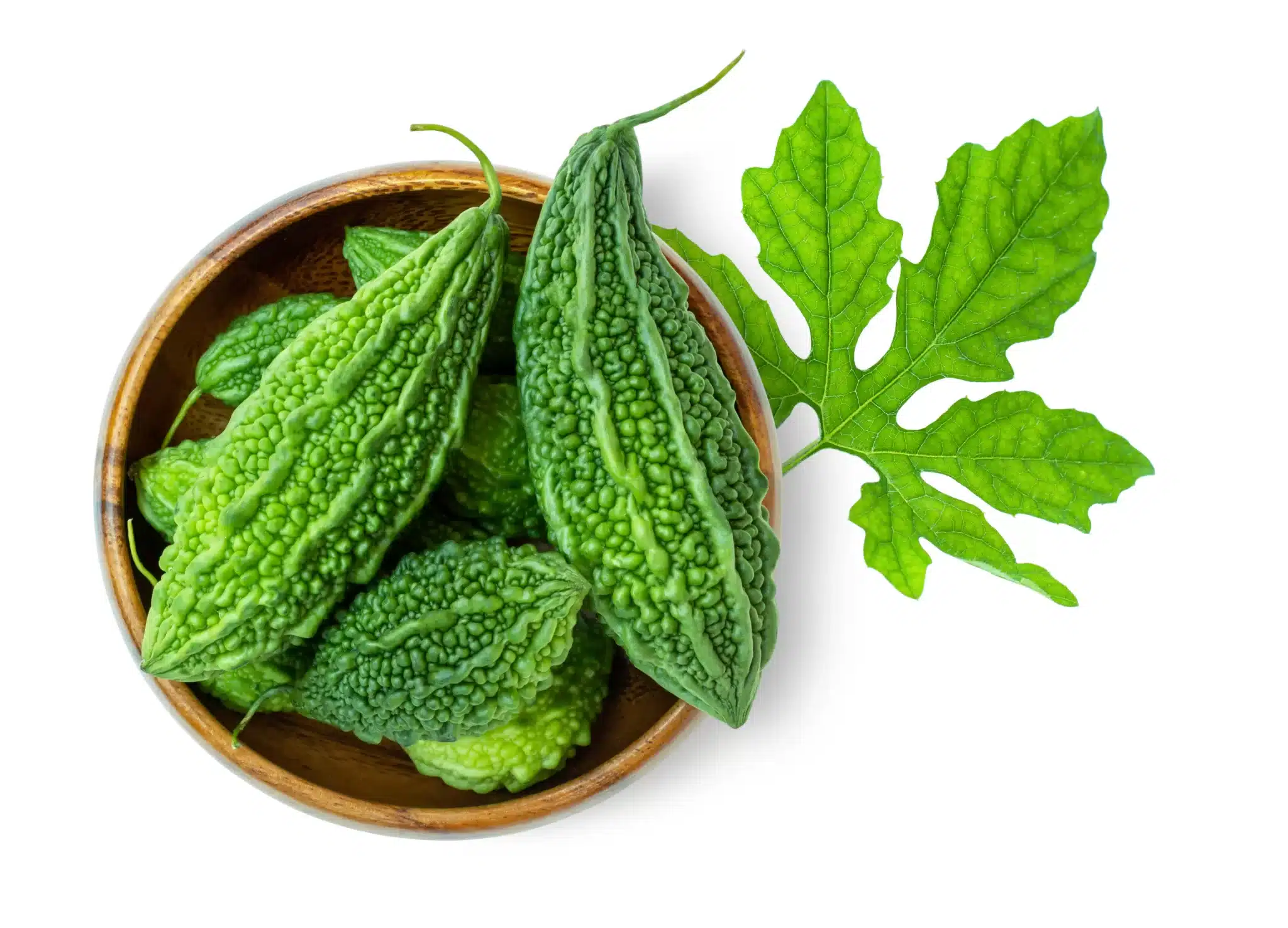
Karela, also known as bitter gourd or bitter melon, is a vegetable widely used in Asian cuisine. Despite its intensely bitter taste, Karela offers numerous health benefits. It is rich in vitamins, minerals, and antioxidants, making it great for boosting immunity and managing diabetes.
It is considered a superfood due to its low calorie and high fiber content. Its distinctive appearance with bumpy skin and elongated shape is complemented by its various culinary uses, such as stir-fries, curries, and even pickles.
23. Karelian pasty

Karelian pasty, also known as Karjalanpiirakka or Karelian pies, is a traditional Finnish pastry that derives from the region of Karelia. This delicious treat consists of a thin rye crust filled with rice or mashed potato filling.
Karelian pasties are typically topped with a spread made from butter mixed with a hard-boiled egg. The unique crimped edge on the pastry helps to differentiate it from other pastries. It is often served as a breakfast or snack and is considered a national culinary treasure in Finland.
24. Kasha

Kasha is a traditional dish in Eastern European cuisine. It is a hearty porridge made from roasted buckwheat groats. This nutritious grain provides a nutty flavor and crunchy texture. Kasha is high in fiber and rich in minerals, it is a versatile food making it a great addition to any meal, offering both taste and nutritional benefits.
This food has been a staple in Russian cuisine for centuries and was even considered a symbol of wealth and prosperity. It can be served as a side dish or as a main course, often accompanied by sautéed onions and mushrooms.
25. Kataifi
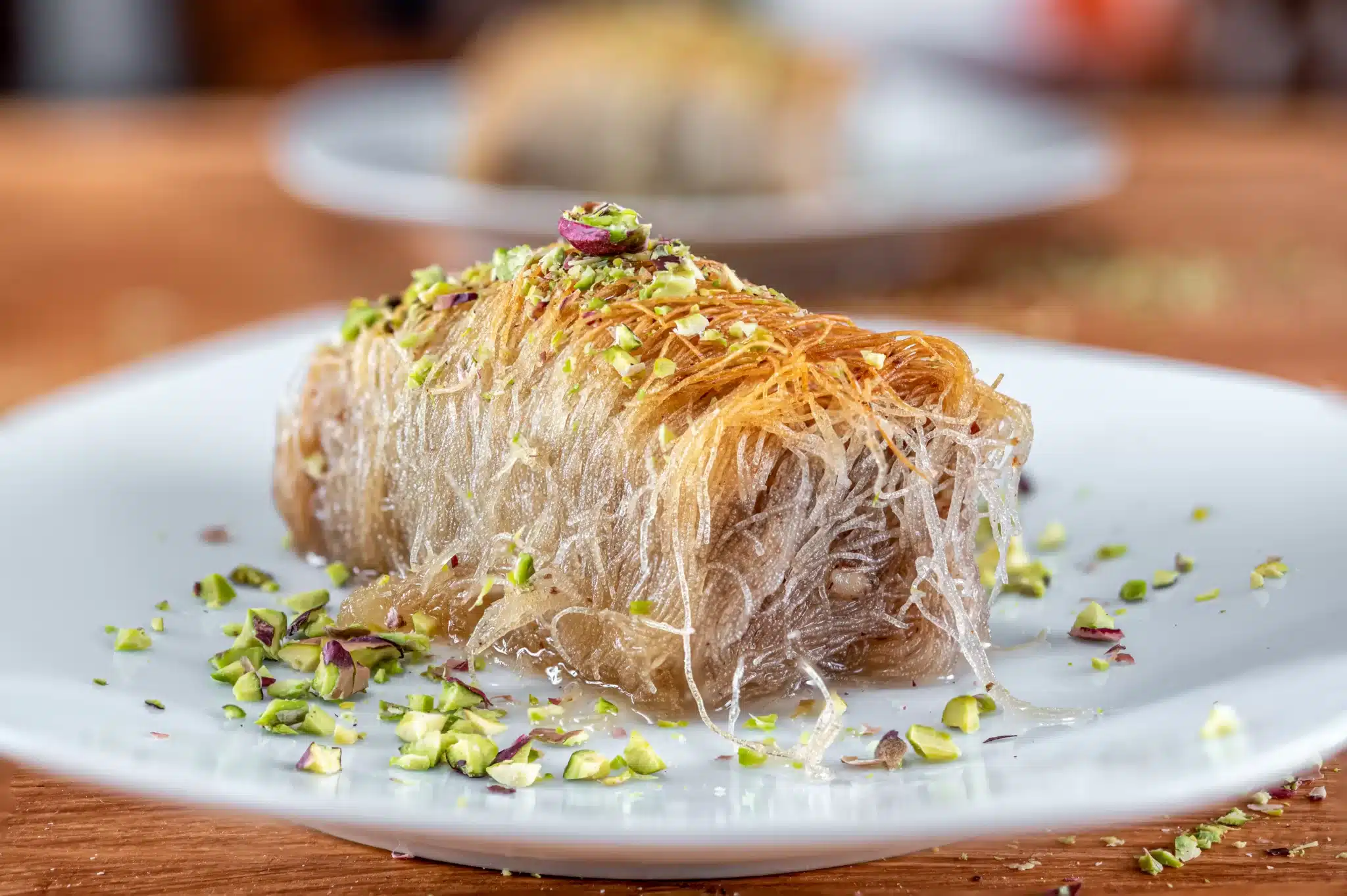
Kataifi is a Middle Eastern pastry made from shredded phyllo dough. The word “kataifi” means “shredded” in Greek, which describes the appearance of this pastry. It is often used to create delectable desserts like baklava and kataifi rolls, filled with nuts or sweetened cheese.
If you want to make it, you’ll need walnuts (or other nuts), cinnamon, clove, sugar or honey. There simply are no words to describe this delicious treat.
26. Katsu

Katsu is a popular Japanese dish known for its crispy breaded exterior and tender meat, typically made from pork or chicken. It originated from the Western-style cuisine introduced to Japan.
The term “katsu” is derived from the English word “cutlet.” Katsu is traditionally served with a tangy tonkatsu sauce, along with shredded cabbage and rice. This dish has gained worldwide popularity and variations like shrimp katsu and vegetable katsu have also emerged.
27. Katsudon

Katsudon is a beloved Japanese dish combining the crispy goodness of katsu with a comforting bowl of donburi, which is a rice bowl. Hence the name, “katsudon” which is a combination of both the words “katsu” and “donburi.”
The katsu is simmered with onions and eggs in a savory soy-based sauce, resulting in a complex and delicious dish. It is often associated with quick and affordable meals.
28. Katsuobushi

Katsuobushi, also known as bonito flakes or okaka, is a traditional ingredient in Japanese cuisine, known for its distinct smoky and umami flavor. It is made from fermented and dried skipjack tuna, which is then shaved into thin flakes.
Katsuobushi is often used to make dashi, a flavorful broth that forms the base of many Japanese dishes. The flakes are also used as a topping for dishes like okonomiyaki and takoyaki. An interesting fact about it, it that since it is so hard it can be used as a makeshift knife sharpener! So be careful!
29. Kaya toast

If you are looking for the perfect sweet breakfast, kaya toast might be it! This is a traditional breakfast dish originally from Singapore. It consists of crispy toast slathered with a generous spread of kaya, which is a sweet coconut jam made from eggs, sugar, and coconut milk.
Kaya toast is often paired with soft-boiled eggs and a cup of strong, aromatic coffee called kopi. It’s a popular breakfast choice among locals and tourists alike.
30. Kebapche

Kebapche is a popular grilled meat dish originating from Bulgaria. These small, elongated meatballs, which resemble a hot dog, are traditionally made from a mixture of ground beef and pork (but sometimes lamb is used), seasoned with spices like cumin and paprika.
It is often enjoyed as part of a complete meal called “kebapche s plodove na furnata,” which includes grilled peppers and tomatoes. It is typically served with a side of fresh bread or as a filling in a local specialty called “kebapche sandwich.”
31. Kebbe
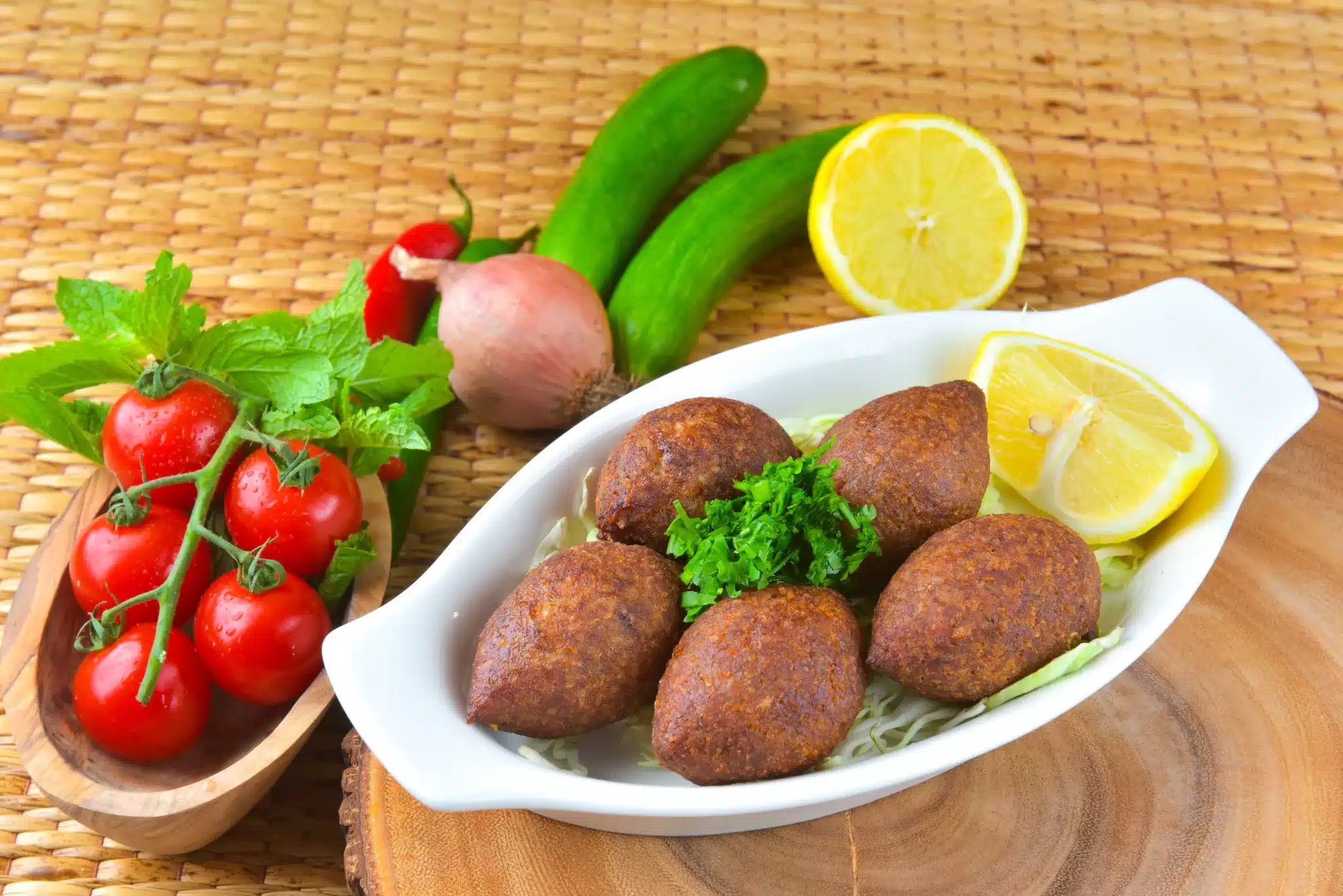
Popular in the Middle East, Kebbe or kibbeh, is a dish that consists of a mixture of ground meat, bulgur wheat, onions, and spices, shaped into various forms, such as balls or patties, and then fried or baked.
Kebbe has a long history and cultural significance, with different variations found across countries like Lebanon, Syria, and Iraq. It is often enjoyed during special occasions and celebrations. Kebbe can be served hot or cold, and its delightful blend of flavors and textures makes it a true Middle Eastern delicacy.
32. Kedgeree

Kedgeree is a delicious British dish with Indian influences, dating back to the colonial era. It is made by combining rice, smoked fish (typically haddock), boiled eggs, and various aromatic spices like turmeric and curry powder. While in the beginning it was introduced as a breakfast option, some people have it for either lunch or dinner.
One thing that can elevate the flavor of this dish is instead of using plain water, cook the rice in a flavorful stock like vegetable or chicken stock.
33. Kedjenou

Kedjenou is a tasty traditional dish from the Ivory Coast that showcases the rich flavors of West African cuisine. It is a one-pot stew made with chicken or guinea hen and several vegetables, and aromatic spices.
It is traditionally cooked in a clay pot, which helps retain the natural flavors and aromas of the ingredients. And, the slow-cooking process allows the meat to become tender, resulting in a one-of-a-kind dish. To get the most out of the dish, marinate the meat in spices for at least 30 minutes. This will give you a punch of flavor with each bite.
34. Kefalograviera
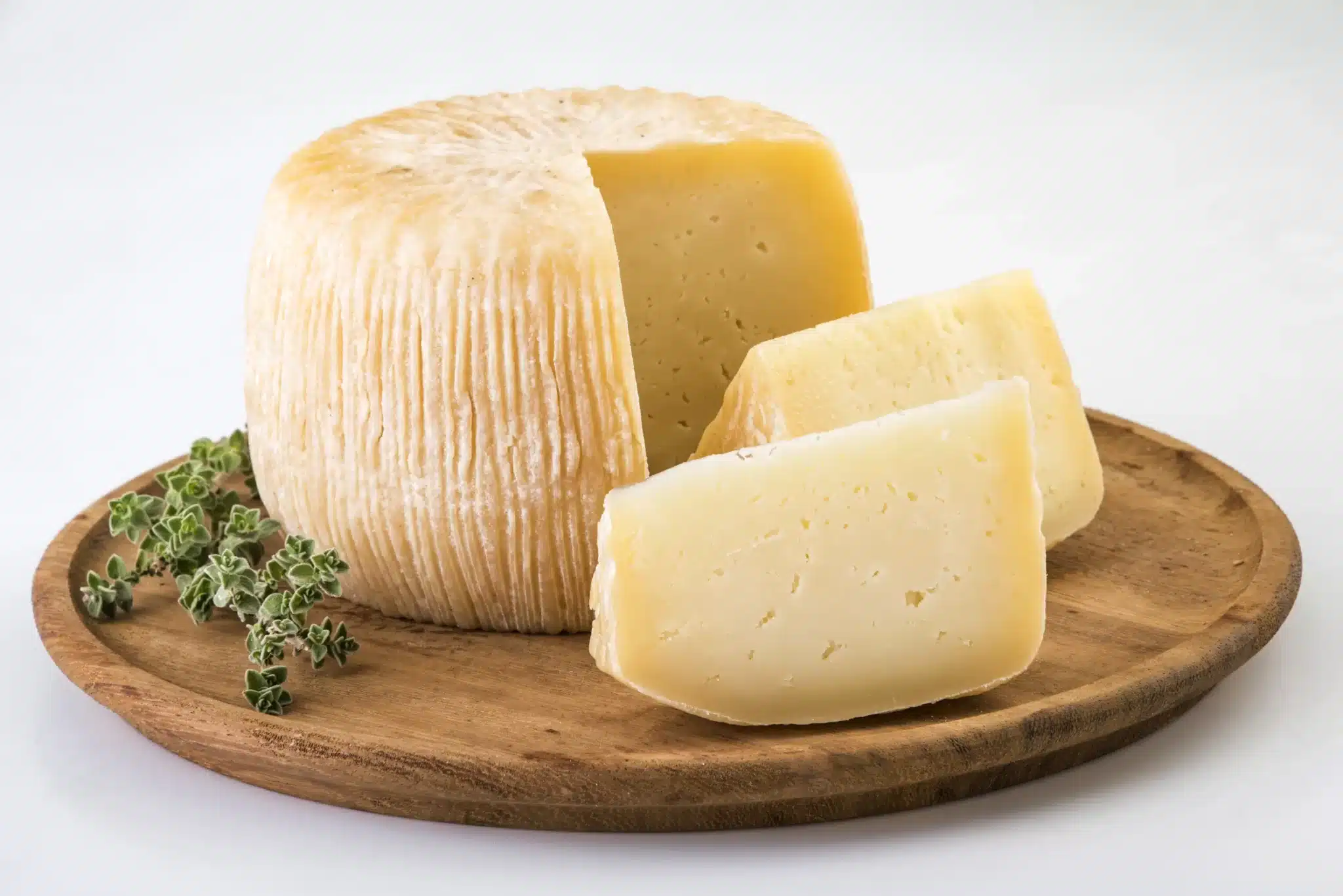
Kefalograviera is a Greek cheese made from a blend of sheep and goat milk. It has a semi-hard texture and a nutty, with a slightly sweet taste.
Kefalograviera is a Protected Designation of Origin (PDO) cheese, meaning it can only be produced in specific regions of Greece. This means that only Macedonia, Epirus, and the regional units of Aetolia-Acarnania and Evrytania can produce this cheese. It is often enjoyed as a table cheese, grilled, or used in traditional Greek dishes like saganaki.
35. Kefir
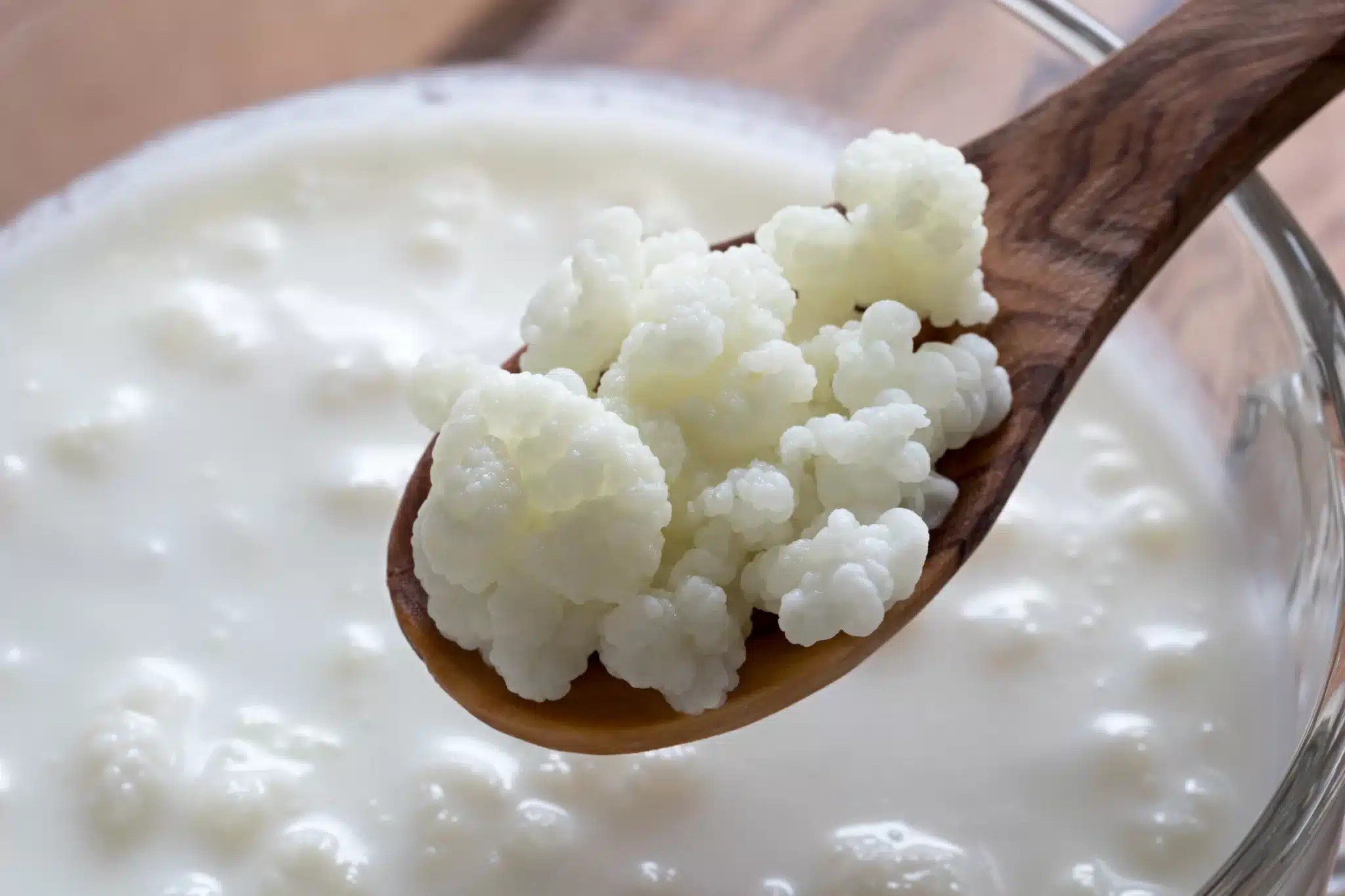
If you are looking to improve gut health, kefir can be the perfect food for you! Kefir is a probiotic drink with a tangy taste. Think of yogurt with a slight fermentation and with some tanginess. It is made by combining kefir grains, which are a combination of bacteria and yeast, with milk or non-dairy alternatives.
The word “kefir” is derived from the Turkish word “keyif,” which means “feeling good,” which is the feeling you get after drinking kefir. It is a versatile ingredient and can be used in smoothies, salad dressings, and baked goods.
36. Kelp

Kelp, also known as seaweed, is a type of marine algae that thrives in nutrient-rich ocean waters. It is a staple ingredient in various cuisines worldwide and offers a range of health benefits since it is packed with essential minerals like iodine, iron, and calcium, as well as vitamins and antioxidants.
Kelp is one of the fastest-growing plants on Earth and can grow up to two feet per day! Kelp is also known for its umami flavor and is used in dishes like sushi, salads, and soups.
37. Keripik kentang
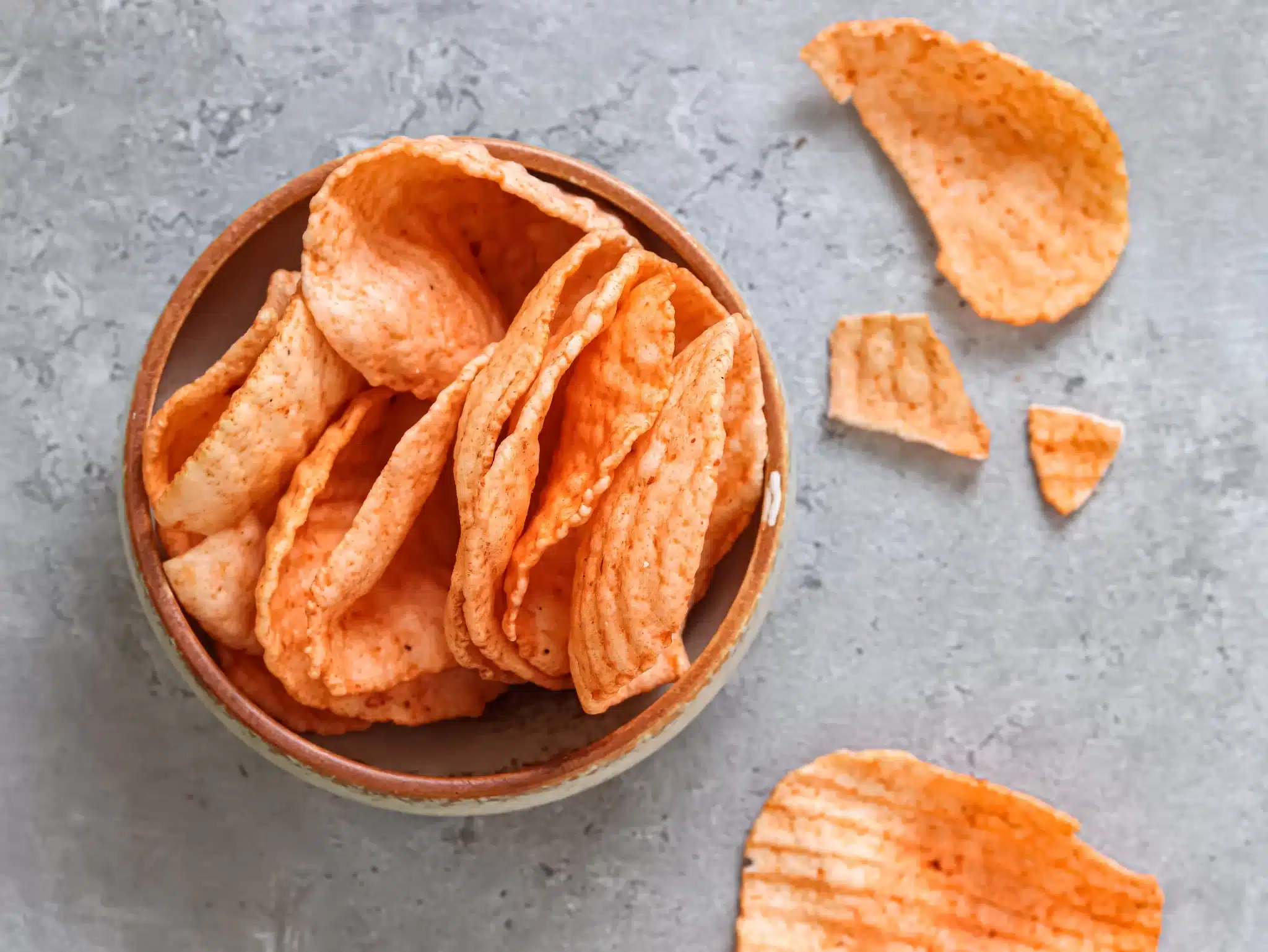
If you want something crunchy while you are in Indonesia, Kerip kentang might just satisfy your cravings. Keripik kentang, or Indonesian potato chips, are a popular snack loved for their crispy texture and savory flavors. They are made from thinly sliced potatoes seasoned with a variety of spices, such as chili, garlic, or barbecue.
Keripik kentang is an essential part of Indonesian culinary culture and is often enjoyed as a snack or accompaniment to meals. They come in various shapes, sizes, and flavors, showcasing the creativity and diversity of Indonesian cuisine.
38. Kesari baat

Kesari Baat, also known as sheera, semolina kesari, or sooji kesari, is a popular Indian dessert made with semolina, sugar, ghee, and flavored with cardamom and saffron. It has a rich, pudding-like consistency and is often garnished with nuts.
Kesari Baat gets its name from the vibrant yellow color. It comes from the Hindi word “kesari” which means orange. It is a beloved dessert during festivals and celebrations in India, and variations of it are found in different regions.
39. Ketchup

Ketchup is a popular condiment enjoyed worldwide, known for its tangy and sweet flavor. It is made from tomatoes, vinegar, sugar, and spices. Fun fact: The origins of ketchup trace back to ancient China, where a fermented fish sauce called “kê-tsiap” was first created. Over time, it evolved into the tomato-based sauce we know today.
Ketchup became popular in the United States in the late 19th century, and it is now a staple in many households. It is not only used as a dipping sauce for fries and burgers but also as an ingredient in various recipes, adding a burst of flavor to dishes.
40. Key lime
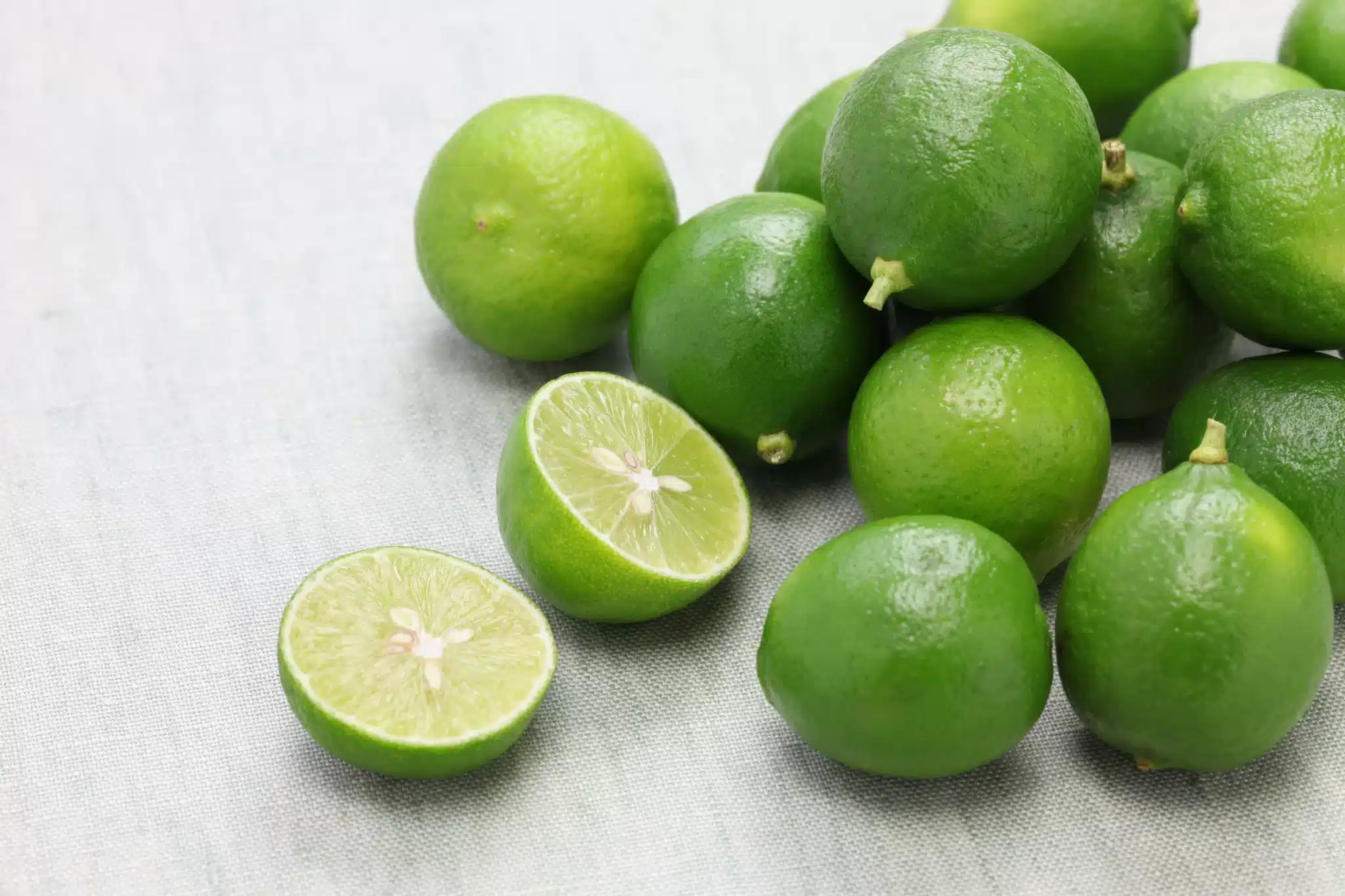
If you want to elevate your meal and add a bit of tanginess, key limes are a must, which is why I typically recommend keeping some in your fridge. Key lime is a small citrus fruit known for its distinct tart and tangy flavor. Interestingly, it is that it is named after the Florida Keys, where it was originally cultivated.
Now, make sure you don’t confuse them with regular limes. Key limes are smaller and more aromatic than regular limes, with a yellowish-green skin that turns yellow when ripe. They are typically used in marinades, salad dressings, and beverages.
41. Key lime pie
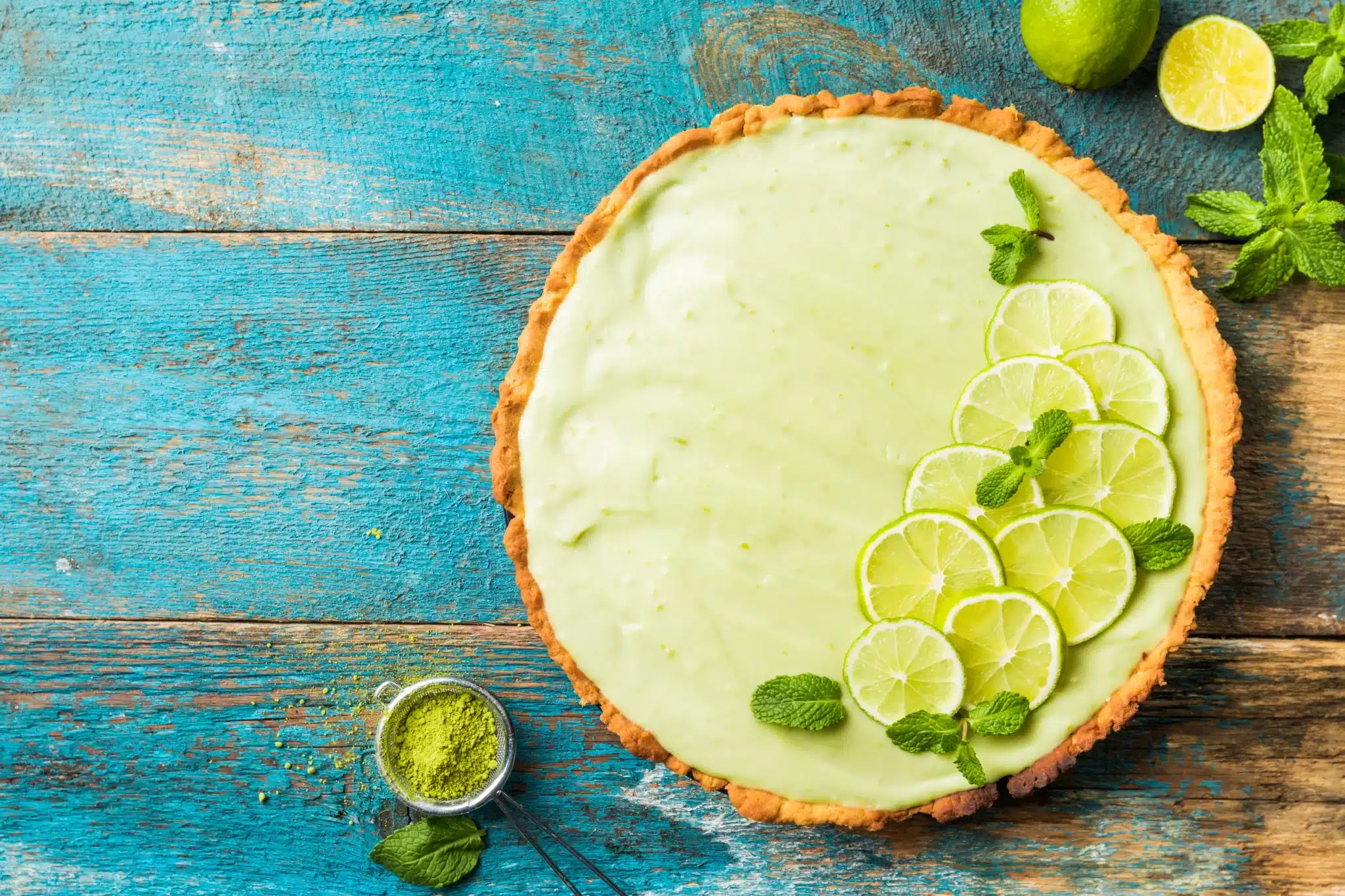
Key lime pie is a classic and beloved dessert that originated in the Florida Keys. It features a creamy and tangy filling made with key lime juice, sweetened condensed milk, and egg yolks. This filling is then added on top of a buttery graham cracker crust.
Traditional Key lime pie is made with key limes giving the pie its distinctive flavor. It is often topped with whipped cream or meringue, and its refreshing taste and smooth texture make it a delightful treat for citrus lovers.
42. Khachapuri

Khachapuri is a popular Georgian dish that has gained international recognition for its deliciousness. It is a bread filled with gooey cheese and often topped with an egg. It plays an essential role in Georgian culture, and there are even different regional variations across the country.
It is often enjoyed as a staple breakfast or served as a celebratory dish during festive occasions. The name is a combination of two Georgian words, which are “khacho” (cheese) and “puri” (bread).
43. Khandvi
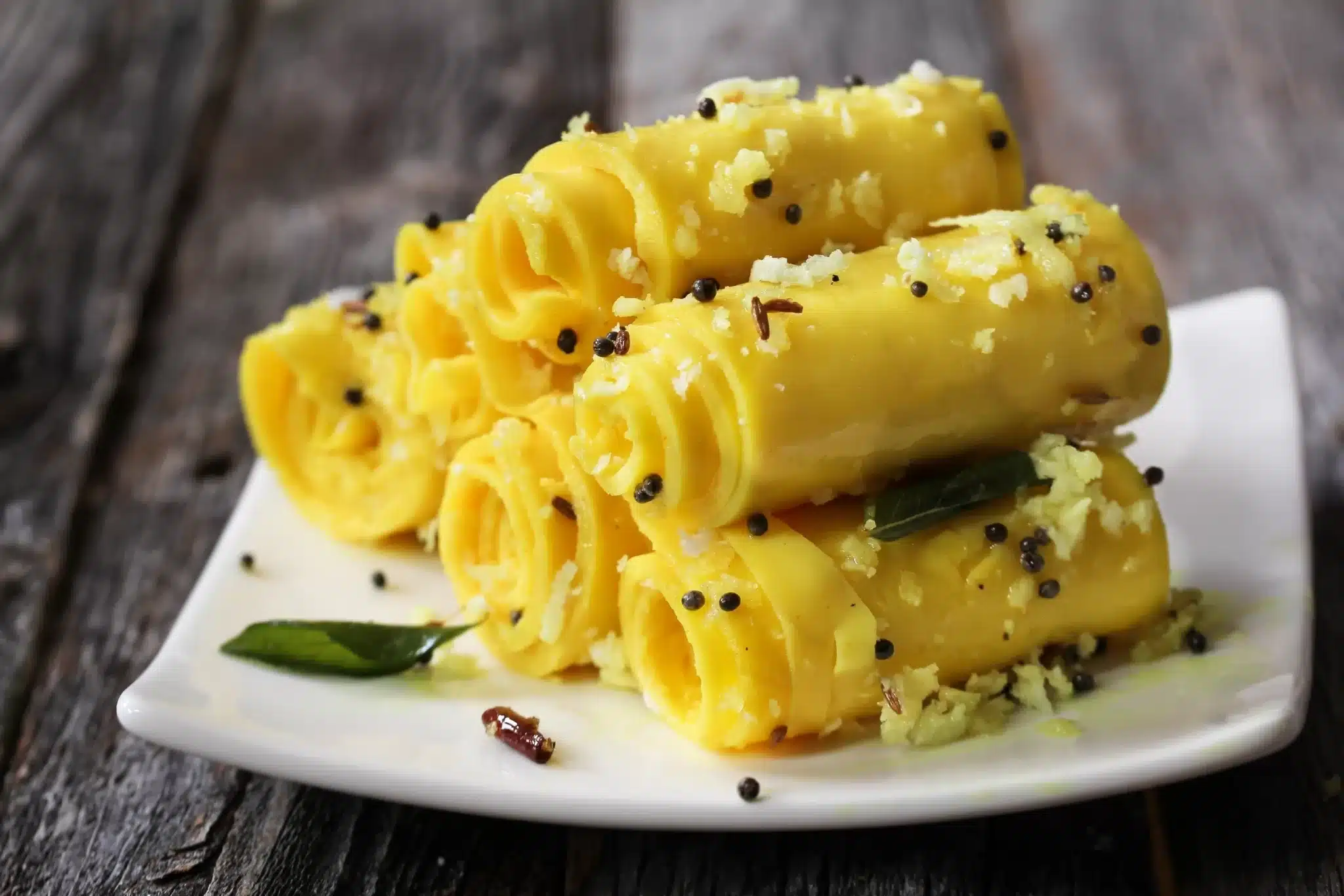
Khandvi, also known as Patuli, Dahivadi, or Suralichi, is a popular Indian snack from the state of Gujarati. It is made from a mixture of gram flour, yogurt, and spices, which is then steamed and rolled into bite-sized rolls.
It is known for its unique texture, being soft and silky yet firm enough to hold its shape. It requires skill and precision to prepare, as the batter needs to be spread thinly and evenly to achieve the desired consistency. Khandvi is often garnished with tempered mustard seeds and fresh coriander, packing a punch of flavor.
44. Khinkali
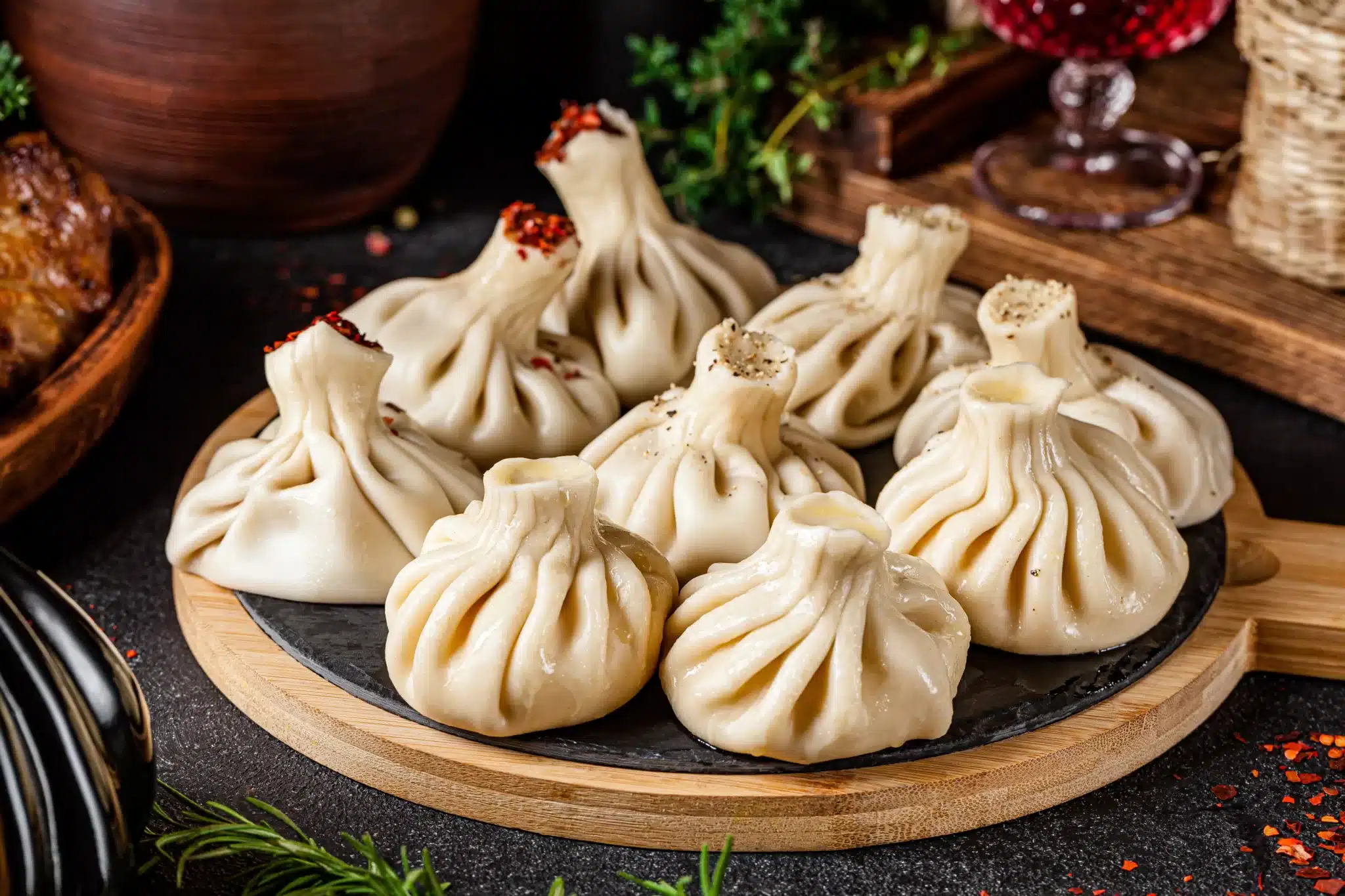
Khinkali is a traditional Georgian dumpling known for its unique juicy filling and delicate dough. While they might remble a dumpling, they tend to be larger. This dish is typically stuffed with spiced meat, such as beef or pork, along with garlic, cilantro, onions, and other herbs or spices.
One thing that makes this dish stand out is its distinctive shape—gathered at the top and twisted into a knot—making it both visually appealing and functional. It is traditionally eaten by holding the doughy top, taking small bites, and sipping the flavorful broth before eating the rest.
45. Khoresh
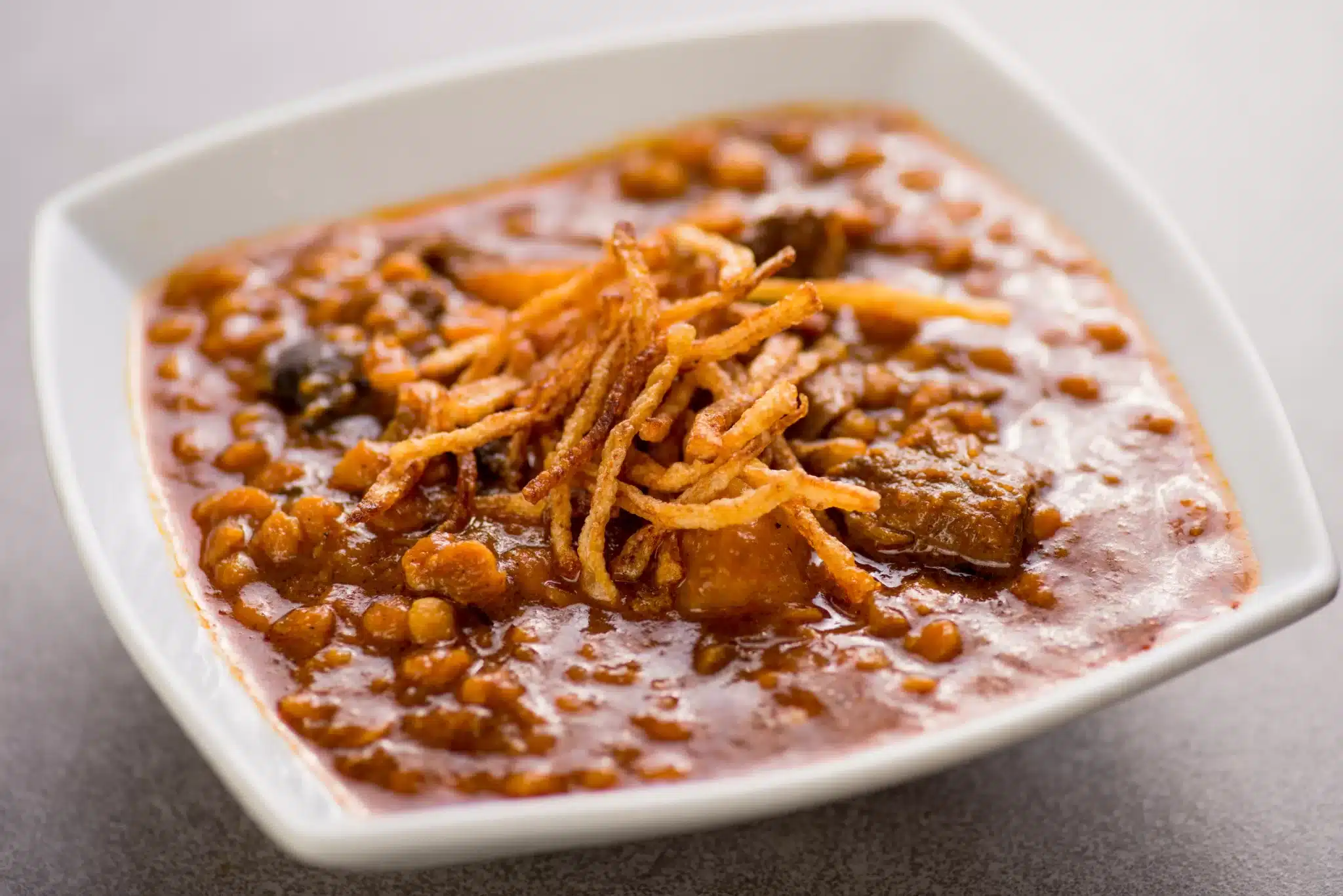
Khoresh is a generic term for the word “stew” in the Iranian, Afghan, Kurdish, and Tajik cuisine. It is known for its rich flavors and aromatic spices. This dish is cooked in a slow-cooker and made with a variety of ingredients, including meat or vegetables, paired with herbs, fruits, and fragrant spices. An interesting fact about this dish is that each region has its unique version of this dish.
With that said, while there are several options, my favorite version is Khoresh Bademjan, which is a vegan eggplant stew. To make it, you’ll need eggplants, onion, garlic, tomato paste, tomato, saffron, chickpeas, olive oil, salt, and pepper.
46. Kibbeh
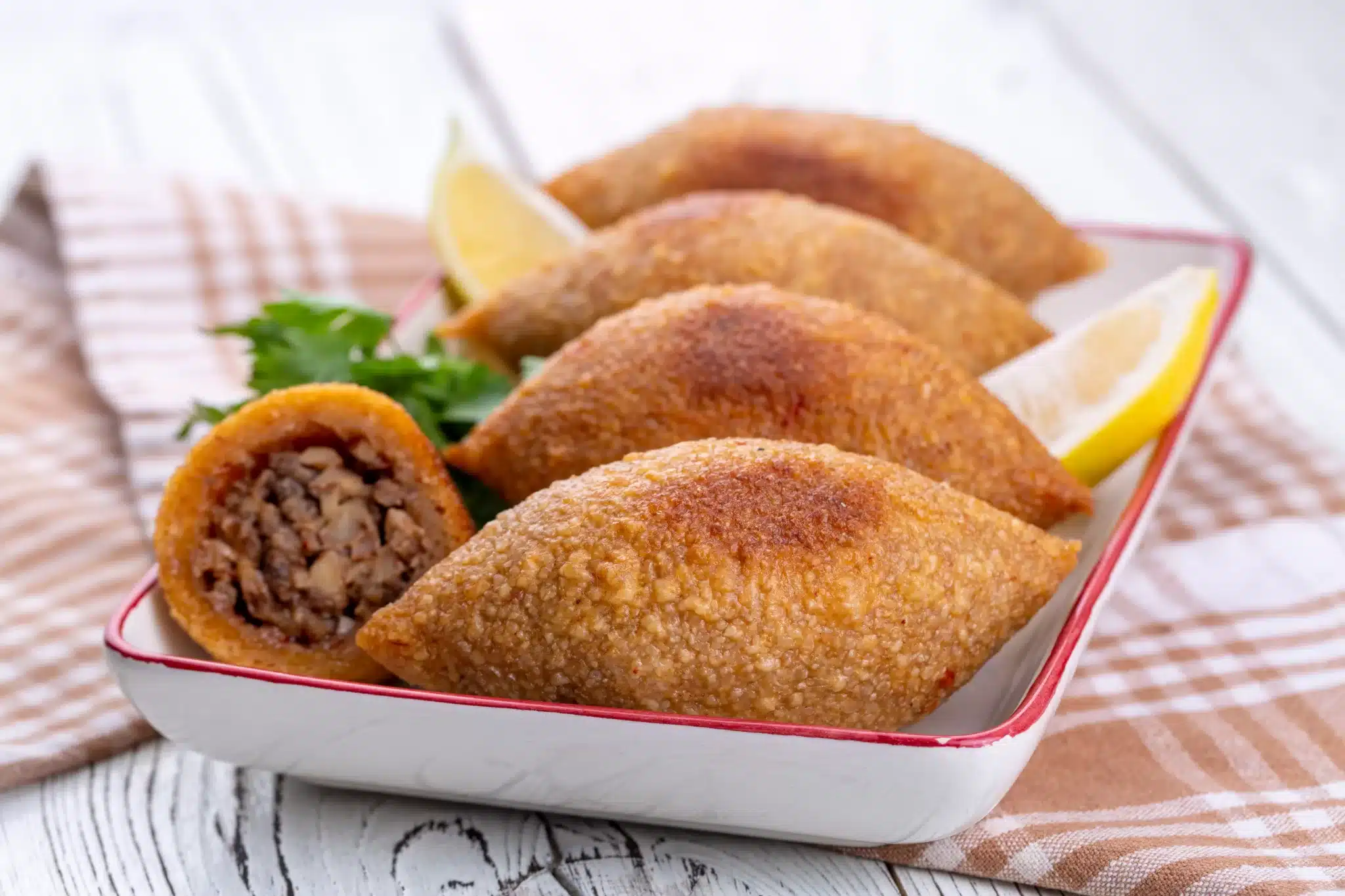
Kibbeh is a Middle Eastern dish with a rich history and delicious flavors. It is made from ground meat, typically lamb or beef, mixed with bulgur wheat, onions, and spices. Kibbeh comes in various forms, including baked, fried, or raw preparations.
It is often shaped into football-shaped or round patties. Kibbeh is beloved for its crispy exterior and savory filling. It is a staple dish during festive occasions and is enjoyed across the Middle East.
47. Kibinai

Kibinai consists of a flaky dough filled with various ingredients, such as meat, vegetables, or cheese. It originated from the Karaites, an ethnic group that settled in Lithuania centuries ago, where they brought their culinary traditions, including the recipe for Kibinai.
Nowadays, Kibinai is popular street food and is often enjoyed as a savory snack or meal. They come in different flavors and can be found in bakeries and markets throughout Lithuania.
48. Kidney beans

Kidney beans are a type of legume that are widely used in various cuisines around the world. They are known for their kidney-shaped appearance and dense texture, hence their name “kidney” beans.
They are a nutrient powerhouse packed with protein, fiber, vitamins, and minerals. This makes them a great option for those following a plant-based diet, where they need to include more protein and iron.
One of their benefits is their versatility since they are often used in dishes like chili, stews, salads, and even vegetarian burgers. Keep in mind that raw or undercooked kidney beans contain toxins and should be properly cooked before eating them.
49. Kidney pie

Kidney pie is a traditional British dish that combines tender pieces of kidney with a savory pastry crust. It is a hearty and flavorful meal that dates back to medieval times. The most common variety of kidneys used in kidney pies is lamb or beef kidney. The dish became popular during the Victorian era, enjoyed by both the working class and the upper class. Today, kidney pie is a classic comfort food, often served with mashed potatoes and vegetables.
50. Kimchi

Looking for a way to boost your probiotic intake? Kimchi might be your answer! Kimchi is a traditional Korean side dish made from fermented vegetables, typically cabbage and radishes, mixed with spices and seasonings. It is known for its bold and tangy flavors.
Kimchi has a long history, dating back thousands of years ago in Korea. It is rich in probiotics, vitamins, and fiber, making it a healthy addition to meals. Kimchi is not only enjoyed as a side dish but also used as an ingredient in various Korean dishes. Its fermentation process creates a unique taste that evolves over time.
51. King crab

King crab is a prized seafood delicacy known for its large size and sweet, succulent meat. It is native to the cold waters of the North Pacific Ocean. King crabs are some of the largest crustaceans in the world, and they take 7-9 years to become adults and are ready for consumption. They are highly sought after for their tender flesh and rich flavor. It is often enjoyed steamed, boiled, or grilled and is a highlight of seafood feasts. Indulge in the luxurious taste of king crab for a memorable dining experience.
52. King oyster mushroom

King oyster mushroom is an edible mushroom with a thick stem and a small, rounded cap. One benefit of king oyster mushrooms is that they are very versatile and can be cooked in several ways, including grilling, roasting, sautéing, or stir-frying.
They have a mild, nutty flavor and a firm texture. King oyster mushrooms are a good source of nutrients, including protein, fiber, and vitamins. If you want to try them, try slicing them and placing them in a pan with some garlic, olive oil, and parsley.
53. King prawn

Popular in Australia, king prawns, also known as king shrimp, are large crustaceans highly prized in seafood cuisine. They are among the largest species of prawns, with impressive sizes reaching up to 9 inches (23 cm) long. King prawns have a sweet and medium-firm texture.
King prawns are versatile and can be grilled, sautéed, steamed, or used in various dishes like stir-fries, curries, and pasta. One thing that makes them unique is that when they are raw, their tails are bright blue.
54. Kingfish

Kingfish, or king mackerel, is a saltwater fish found in warm waters around the world. Fun fact: They are known for their impressive size and speed, capable of reaching speeds up to 40 miles per hour (64 km/h).
They are known for their firm flesh and are commonly used in a variety of recipes. Due to its firm texture, it makes it a great option to use in sashimi or sushi. If you are not a fan of raw fish, you can make turn them into a curry or cook them with some butter and garlic.
55. Kipfel

Kipfel, also known as kifli, kiflice, kifle, or kipferl, is a traditional Austrian pastry known for its unique crescent shape and delicious taste. The name “kipfel” means “crescent” in German, which perfectly describes its appearance.
It is made with a buttery dough, often flavored with almonds or vanilla. Kipfel is enjoyed as a breakfast pastry or a sweet snack, often accompanied by a warm beverage. Make sure you don’t confuse them with a croissant. Kipfel is thinner and longer than a croissant made from a bread-like dough.
56. Kipfler potatoes
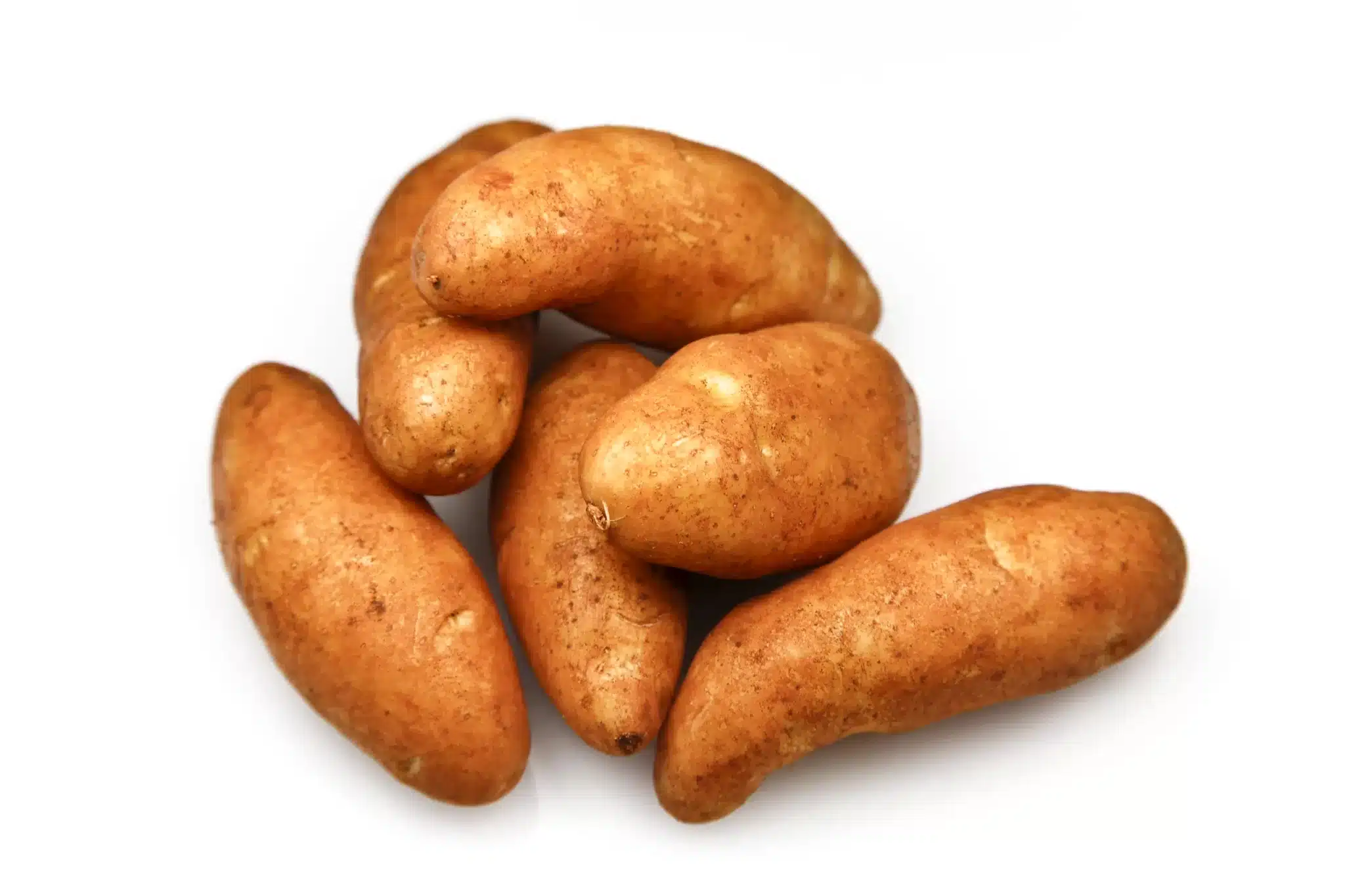
Kipfler potatoes are a versatile type of potato that originated in Austria. These potatoes are named after their distinctive elongated, finger-like shape, resembling a small banana or a kipfler. They have a waxy texture and a buttery, nutty flavor that sets them apart from other potatoes. They retain their shape well during cooking, making them perfect for dishes where texture is key. As a result, they are ideal for roasting, boiling, or using in salads.
57. Kipper snacks

Kipper snacks are a type of smoked fish enjoyed as a snack or used in various dishes. The word “kipper” originated from the Old English word “kippian,” meaning to “prepare by splitting and salting.” Kipper snacks are typically made from herring that is split, salted, and cold-smoked, resulting in a rich and savory flavor.
Due to their salty and smoky flavor, you can eat them paired with crackers or bread, or used as a flavorful addition to salads, pasta dishes, dressings, or omelettes.
58. Kippers

A herring, which is a type of small fish that has been split in a butterfly fashion, salted, and cold-smoked. Kippers have a distinct smoky flavor and a rich, oily texture. They are commonly enjoyed for breakfast or as a flavorful addition to salads, sandwiches, or pasta dishes. They are a good source of protein and healthy fats such as omega-3 fatty acids. The best way to cook them is to poach them for 5 minutes.
59. Kirsch

Kirsch, or Kirschwasser, is a cherry brandy originating from Germany and Switzerland. The name “Kirsch” translates to “cherry” in German. It is distilled from fermented cherries (Morello cherries), resulting in a fruity and aromatic spirit. Kirsch is often used as a flavoring in cocktails, desserts, and savory dishes. It is also a traditional ingredient in fondue, where it adds a unique touch.
60. Kishka

Kishka, also known as kishke, is a traditional Jewish dish made from sausage casing filled with a mixture of meats, grains, potatoes, onions, and seasonings. The word “kishka” comes from the Yiddish term for “intestines,” as the dish was traditionally stuffed into animal intestines. Kishka is often cooked by boiling or baking until the casing becomes crispy and the filling is tender. It is often enjoyed as either a side or main dish.
61. Kissel
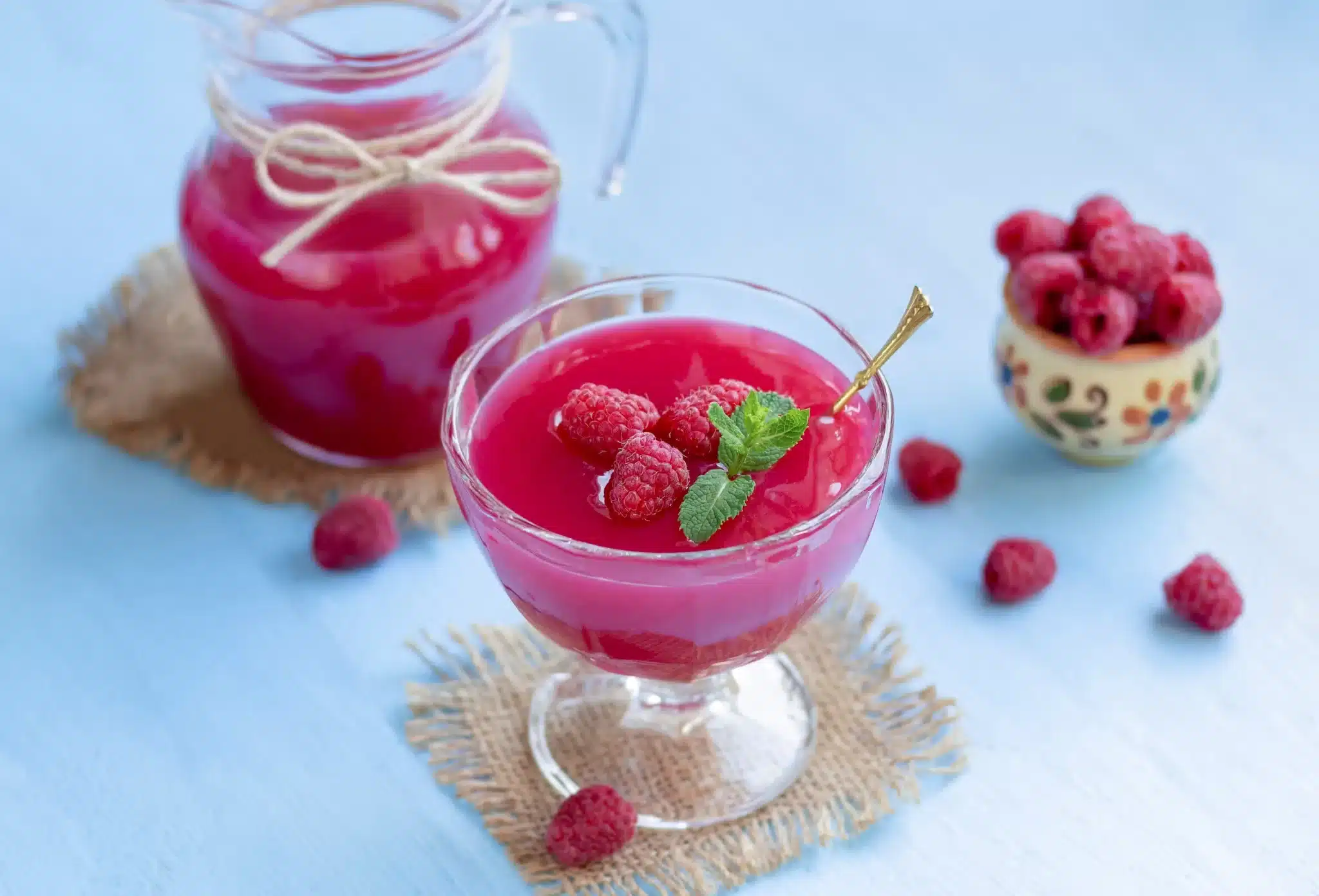
Kissel is a traditional Eastern European dessert known for its smooth and jelly-like consistency. The name “kissel” comes from the Old Slavic word “kiselo,” which means “sour.” This refers to its original preparation using fermented fruits. Kissel is made by cooking berries or fruit with water and sugar until they break down, resulting in a thickened, fruity liquid. Kissel is often served chilled and enjoyed with some cream or as a topping for pancakes or ice cream.
62. Kitkat

If you want something sweet and chocolatey, Kitkat might be just the option. KitKat is a popular chocolate-covered wafer candy bar enjoyed worldwide. It was first created in the United Kingdom in 1935 by Rowntree of York, and later acquired by Nestlé.
KitKat has layers of crisp wafers coated in milk chocolate, making it a delightful and crunchy snack. It is known for its iconic “snap” when broken into individual fingers. KitKat is available in various flavors and sizes, with limited edition versions often released for special occasions.
63. Kiwano

Kiwano, horned melon or African horned cucumber, is a fruit that originates from Africa. It gets its name due to its distinctive appearance features a spiky bright orange-yellow skin with horn-like protrusions. Inside, it offers a vibrant green, jelly-like flesh filled with edible seeds. The flavor is often described as a combination of banana, cucumber, and citrus.
Kiwano is known for its refreshing taste and is commonly used in salads, smoothies, or as a decorative garnish. Besides being a delicious treat, it is also healthy since it provides essential nutrients such as vitamins C, A, and B6.
64. Kiwi

Kiwi (kiwifruit) is a delicious and nutritious fruit native to China. Fun The name “kiwi” actually comes from New Zealand, where the fruit was first commercially grown and marketed. Kiwis have a “hairy” brown exterior and vibrant green flesh with tiny black seeds. While the most popular ones are green, you can also find golden kiwis.
They are packed with vitamins C, E, and K, as well as fiber. Kiwis offer a sweet and tangy flavor. They can be enjoyed on their own, added to fruit salads, or used in various desserts and smoothies.
65. Knäck

Knäck is a traditional Swedish toffee-like candy that is enjoyed during the Christmas season. The word “knäck” translates to “crack” in Swedish, which refers to its brittle texture. It is made by boiling a mixture of sugar, cream, and syrup until it reaches a hard and caramelized consistency. Knäck is often flavored with vanilla and sometimes it includes almonds or other nuts for crunchy boost. It is typically poured into small, round molds and left to cool and harden.
66. Knäckbröd

Knäckbröd, or crispbread, is a traditional Swedish flatbread with a long history. The word “knäckbröd” translates to “crack bread” in Swedish, referencing its characteristic crispy texture. It is made from a simple mixture of whole grain flour, water, and salt, which is rolled thin and baked until crisp.
Thanks to its versatility, Knäckbröd is often enjoyed with butter, cheese, or various toppings. It is known for its long shelf life and nutritional benefits, providing a source of fiber and essential minerals.
67. Knackwurst

Knackwurst is a type of German sausage. The name “knackwurst” comes from the German word “knacken,” meaning “to crack” or “to snap,” referring to its distinctive sound when bitten. It is made from a mixture of ground pork, beef, or veal, seasoned with spices like garlic, nutmeg, and paprika. Knackwurst is typically smoked or boiled, resulting in a delicious sausage. It is enjoyed in various dishes, such as sausages with sauerkraut or in hot dog buns with mustard.
68. Knafeh

Knafeh, also known as kunafa or knafeh, is a Middle Eastern dessert known for its unique combination of textures and flavors. It consists of a layer of crisp shredded phyllo dough, filled with a creamy cheese (or clotted cheese) or sweet semolina mixture. It is then topped with a sweet syrup and sprinkled with crushed pistachios. The contrast between the crunchy exterior and the creamy filling makes knafeh a treat you must definitely need to try.
69. Knish
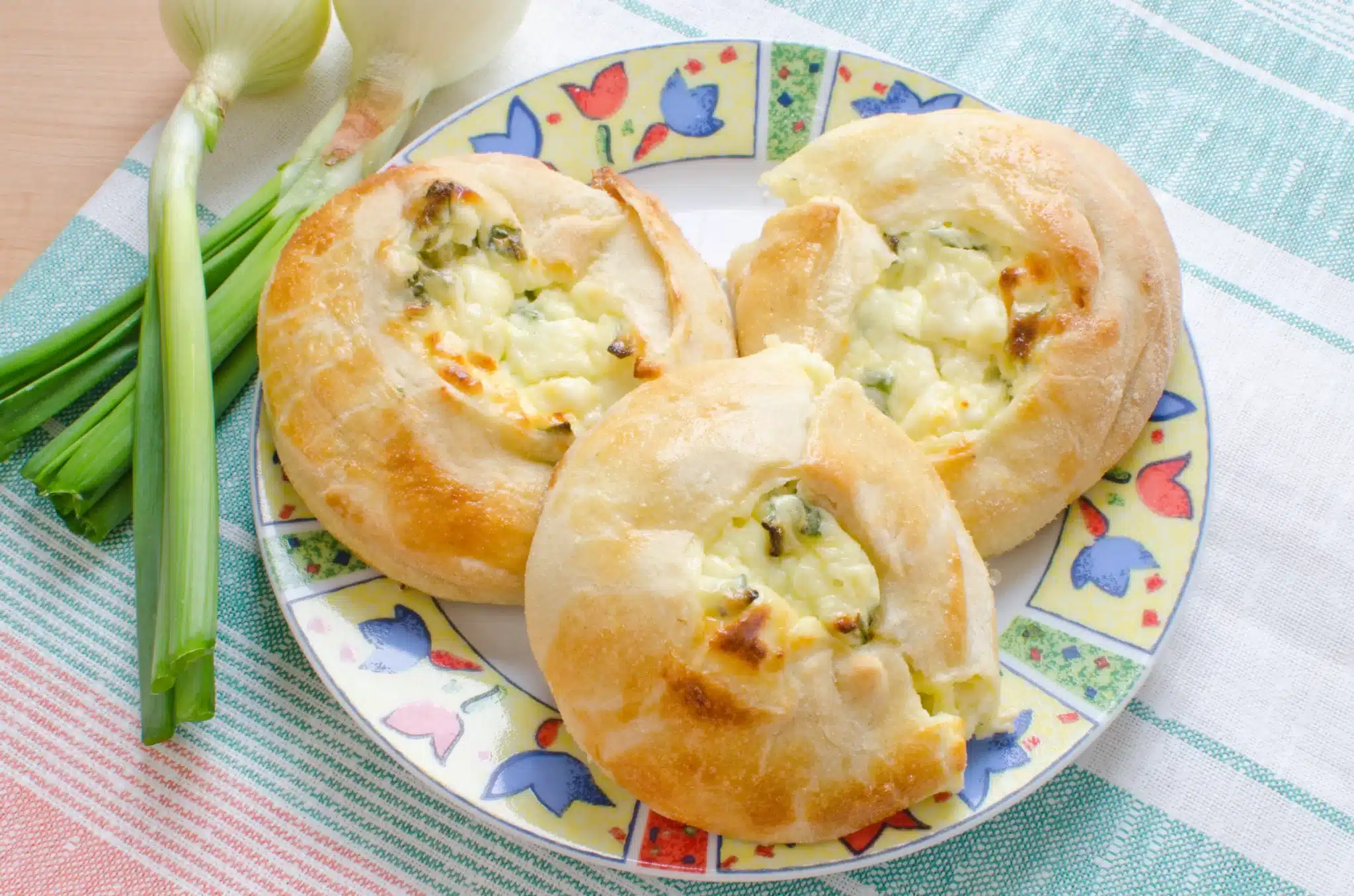
Knish is an Eastern European pastry that has become a popular comfort food in various cultures. It typically consists of a filling, such as mashed potatoes, meat, or cheese, enclosed in a dough pocket and baked or fried until golden and crispy. Knishes are often enjoyed as a handheld snack or appetizer, and they come in various shapes and sizes.
70. Knödel

Knödel, are dumplings from Central and East Europe. The word “knödel” comes from the German word, which means dumplings. They are made by combining bread, potatoes, or other starchy ingredients with eggs, flour, and spices. They are formed into round or oblong shapes and boiled or steamed until cooked. Knödel can be sweet or savory, and they are often served as a side dish or as a main course with hearty sauces or gravies.
71. Knöpfle

Knöpfle, also known as spaetzle, are a type of soft egg noodle originating from the Swabian region of Germany. The name “knöpfle” translates to “little buttons” in German, referring to their shape. They are made from a simple batter of flour, eggs, and milk.
Knöpfle are typically formed by pressing the dough through a colander into boiling water. They have a soft and chewy texture, making them perfect for soaking up sauces and gravies. Knöpfle are commonly served as a side dish or as a base for hearty stews.
72. Kohlrabi

Kohlrabi is a vegetable that belongs to the cruciferous family, which is where you can find cabbage, broccoli, and Brussel sprouts. The name is derived from the German words “kohl” meaning cabbage and “rabi” meaning turnip, reflecting its appearance. It has a round bulb-like shape with leafy stems and a crisp, sweet, and slightly spicy taste.
It can be enjoyed raw or cooked and is a versatile ingredient in salads, stir-fries, soups, and more. It is a nutritional powerhouse, packed with fiber, vitamins C and K, and minerals. Thanks to its low-carb nature, it can be used as a replacement of high starch options, like pasta, for those following a keto diet.
73. Kororeç

Kororeç is a popular street food in Turkey made typically of lamb or goat intestines. The intestines are marinated with spices like cumin, oregano, and red pepper flakes, then skewered and grilled until crispy. The dish is often served with bread and a side of grilled vegetables. Kororeç is known for its rich and intense flavor.
74. Kola nut

Kola nut is a seed native to West Africa. The kola nut is often used to flavor popular beverages, including cola drinks. It contains caffeine, giving it an energizing effect. The nuts are harvested from the kola tree, and their bitter taste lends a distinct flavor to various products.
But besides being used to make a delicious drink, it can also be used to make spice rubs. Mix kola nut powder, fennel, cayenne, cumin, paprika and chile to make the most delicious meat rub.
75. Kolache

Kolache is a sweet pastry that originated in Central Europe. The word “kolache” comes from the Czech word “kolač,” meaning “cake.” It consists of a soft and slightly sweet yeast dough, filled with various ingredients like fruit preserves, cheese, or poppy seed paste. It can be enjoyed as a breakfast treat or as a dessert. They come in different shapes, including round, square, or folded.
76. Kombu

Kombu is a type of edible kelp used in East Asian cuisines. It is often used due to its umami flavor and ability to enhance the taste of dishes. It is used in the preparation of dashi, a staple Japanese soup stock. Kombu is also a natural source of glutamic acid, which is responsible for its savory taste. Beyond its culinary uses, kombu is believed to have various health benefits due to its high mineral content.
77. Kombucha

Kombucha is a fermented tea beverage known for its tangy and fizzy taste. It is made by fermenting sweetened tea with a symbiotic culture of bacteria and yeast (SCOBY). During the fermentation process, the SCOBY consumes the sugar and produces probiotics, organic acids, and carbonation. Kombucha is believed to have various health benefits, including improved digestion and immune support. It comes in a variety of flavors (depending on the fruit you use) and has gained popularity as a refreshing and probiotic-rich drink.
78. Kompot

Kompot is a traditional Eastern European non-alcoholic beverage made from cooked fruits. It is made by simmering fruits in water with sugar and spices until they release their flavors. The fruits are then strained, and the resulting liquid is served chilled. Kompot can be made with a variety of fruits, including apples, berries, cherries, or plums. It is a refreshing and naturally sweet drink, often served as a dessert or on special occasions.
79. Konjac

Konjac is a type of root vegetable traditionally found in Asia. It is a source of glucomannan which is an edible fiber that can help promote good digestion and reduce the risk of constipation.
There are different uses of konjac. You can find them in beauty products, but you can also find them in foods such as konjac noodles or rice. To cook them, place them in hot water for three to five minutes. Once they are done, place them in cold water to prevent them from overcooking.
80. Konpeitō

Konpeitō is a Japanese candy that originated in Portugal and was introduced to Japan in the 16th century. The word “konpeitō” comes from the Portuguese word “confeito,” meaning “sugar candy.” It is a small and colorful candy made by repeatedly coating a sugar syrup over a small center, such as a grain of sugar or a seed. They come in unique forms which makes them a fun treat for kids and adults to have. Konpeitō comes in a variety of flavors, including fruity and floral varieties.
81. Kopi luwak

Could you imagine drinking coffee that comes from coffee beans partially digested by an animal? Well, we are talking about Kopi luwak, also known as civet coffee, which is a unique and highly sought-after coffee variety.
Kopi luwak is produced from coffee beans that have been eaten and excreted by the Asian palm civet, a small mammal. The beans are collected from the civet’s feces, washed, roasted, and brewed.
This unusual process is said to enhance the flavor of the coffee, creating a smooth and less bitter taste. Kopi luwak is known for its rarity and high price, making it a luxury indulgence for coffee enthusiasts. But, there are ethical issues regarding animal welfare.
82. Korma

Korma, or qorma, is a rich and delicious dish traditionally from India. The word “korma” is derived from the Urdu word “qorma,” meaning “braised meat.” It consists of meat or vegetables cooked with a blend of aromatic spices, yogurt, and cream. Korma is known for its creamy texture and mild yet complex flavors. It is often garnished with nuts and served with rice or bread.
83. Kosher dill pickles

Kosher dill pickles are a variety of pickles. However, while it has the name “kosher,” here, we are talking about the process of pickling, not the religious certification. Kosher dill pickles are made by fermenting cucumbers in water, vinegar, salt, dill, garlic, and other spices.
They are known for their distinctive tangy and sour flavor. You can use this delicious food as a snack, a condiment, or as a popular accompaniment to deli sandwiches.
84. Kouign-amann

Kouign-amann is a delicious pastry from France. The name “kouign-amann” translates to “butter cake” in the Breton language, which describes its essence. It is made by layering butter, sugar, and dough, then repeatedly folding and rolling to create a flaky and caramelized treat.
Kouign-amann has a crispy exterior and a buttery, melt-in-your-mouth texture. Its sweet and slightly salty flavor is truly irresistible. This pastry has gained popularity worldwide and is often enjoyed as a breakfast treat or as a special dessert.
85. Koulourakia

Koulourakia are delightful Greek butter cookies that are commonly enjoyed during special occasions and holidays. The word “koulourakia” translates to “little breads” in Greek, reflecting their bread-like shape. These cookies are made with butter, sugar, flour, and flavored with vanilla, citrus zest, or other spices.
They are often twisted or braided into various shapes and may be sprinkled with sesame seeds or glazed with egg wash. Koulourakia have a crunchy texture and a subtly sweet taste, making them perfect for dunking in coffee or tea.
86. Kourabiedes

Another Greek cookie option is kourabiedes. Kourabiedes are delicious Greek cookies also enjoyed during festive occasions, especially Christmas and weddings. They are often referred to as “Greek wedding cookies” due to their association with joyous celebrations.
These delicious shortbread cookies are made with almonds, powdered sugar, and flavored with vanilla or rose water. They are shaped into crescents or balls, baked until lightly golden, and then generously dusted with powdered sugar. Kourabiedes have a crumbly texture and a delicate sweetness that melts in your mouth.
87. Kousa mahshi

Kousa mahshi, also known as stuffed zucchini, is a delicious Middle Eastern dish enjoyed in several countries. The name “kousa mahshi” comes from the Arabic word which means to “stuffed zucchini.” It is made by hollowing out small zucchini and filling them with a mixture of rice, ground meat, herbs, and spices. The stuffed zucchini are then cooked in a tasty tomato-based sauce until tender. Kousa mahshi is a popular dish during the summer months when zucchini are abundant.
88. Kransky

Kransky is a flavorful sausage from Slovenia and popular in Australian and New Zealand cuisine. The name “kransky” comes from the Slovenian word “kranjska klobasa,” referring to the sausage’s origin in the region of Carniola. The sausage is made from blending pork, beef, bacon, garlic and spices like caraway seeds.
Kransky sausages are typically smoked and have a distinctive smoky and slightly spicy flavor. They are enjoyed grilled, pan-fried, or barbecued, and are often served with mustard and sauerkraut.
89. Krill

Krill are small, shrimp-like crustaceans. They are rich in omega-3 fatty acids, protein, and antioxidants, making them not only delicious but nutritious. One common use is krill oil, which is consumed as a dietary supplement due to its potential health benefits.
While they are typically consumed in the form of krill oil or as an ingredient in processed foods, you can also cook them fresh. However, cooking krill in its whole form is less common due to its small size. But, if you have fresh or frozen krill and wish to cook it place them in a skillet with some butter or oil.
90. Kringle

Kringle is a traditional pastry from Denmark and but, it is often associated with Wisconsin. The word “kringle” comes from the Old Norse word “kringla,” meaning “ring” or “circle,” reflecting its circular shape. It is a flaky and buttery pastry with various fillings such as cinnamon, almond paste, or fruit. Kringle is typically shaped into an oval or pretzel-like form and topped with icing or sugar. It is enjoyed during holidays and special occasions.
91. Krupuk

Krupuk, or shrimp crackers, are a popular snack in Southeast Asian cuisine. Krupuk is made from a dough made of ground shrimp, tapioca flour, and spices. It is shaped into thin sheets or small chips and deep-fried until crispy. When cooked, krupuk expands and becomes light and crunchy. It is commonly enjoyed as a snack or appetizer and is often served with dips or sauces. Krupuk comes in various flavors and textures, including shrimp, fish, or vegetable variants, adding a flavorful and crispy element to meals or as a standalone snack.
92. Kuchen

Kuchen is a traditional German cake or pastry that is enjoyed throughout Germany and in many German-speaking regions. An interesting fact about it is that the word “kuchen” means to “cake” in German. It comes in a variety of flavors and styles, such as fruit-filled, streusel-topped, or layered with cream. It is often made with seasonal fruits like apples, cherries, or plums. Kuchen is a delightful treat for afternoon tea or for special occasions.
93. Kugel

Kugel is a traditional Jewish dish often served during holidays and festive occasions. The word “kugel” comes from the Yiddish term for “ball” or “sphere.” It is typically made by combining egg noodles or potatoes with eggs, oil, and various seasonings such as cinnamon, sugar, or dried fruits. The mixture is then baked until golden and set. What makes kugel a great option is that it can be sweet or savory, with sweet versions often enjoyed as a dessert and savory versions as a side dish.
94. Kugelhopf

Kugelhopf is a type of cake known for its distinctive shape and delicious flavor. The name “kugelhopf” comes from the word “kugel,” meaning “ball,” and the word “hopf,” referring to a distinctive cone-shaped hat worn by Alsatian men.
This tasty and rich cake is made with a dough enriched with butter, eggs, and sometimes almonds or raisins. It is traditionally baked in a special fluted, bundt-like pan. Kugelhopf is enjoyed as a breakfast or dessert treat and is often served with powdered sugar or a drizzle of icing for added sweetness.
95. Kulcha

Kulcha is a traditional Indian flatbread known for its soft texture and rich flavor. It is believed to have originated in the northern regions of India, particularly Punjab. It is made with a dough consisting of flour, yogurt, and leavening agents, then cooked in a tandoor or oven.
Kulcha is often stuffed with ingredients like potatoes, paneer, or onions, enhancing its taste and creating a satisfying meal. It is commonly served with spicy curries, chutneys, or yogurt.
96. Kulfi

Kulfi is a delicious frozen dessert from India. It is often referred to as the “traditional Indian ice cream.” It is made by simmering milk for hours to reduce it and create a thick and creamy base. Flavored with cardamom, saffron, pistachios, or other ingredients, kulfi is poured into molds and frozen.
Unlike traditional ice cream, kulfi has a denser texture and a rich, indulgent taste. It is served on a stick or scooped into bowls, offering a refreshing and satisfying treat to beat the summer heat or enjoy as a dessert after a spicy meal.
97. Kulolo

Kulolo is a Hawaiian dessert made from taro root and coconut. It is a beloved treat often associated with celebrations and gatherings in Hawaii. The taro root is grated and mixed with coconut milk, sugar, and sometimes additional flavors like vanilla or chocolate. The mixture is then steamed or baked until it becomes dense and chewy. Kulolo has a rich, sweet, and slightly nutty taste, and its unique texture.
98. Kumara

You might think you don’t know what this food is. But, what if I told you that kumara is another word for sweet potato? Kumara is a nutritious root vegetable. It is native to Central and South America and was brought to New Zealand by Polynesian settlers over a thousand years ago.
It comes in different varieties, such as orange, purple, and white, each with its own unique taste and texture. Kumara is packed with vitamins, minerals, and dietary fiber, making it a healthy choice. It can be boiled, baked, roasted, or mashed, and is often used in both savory and sweet dishes.
99. Kyselo
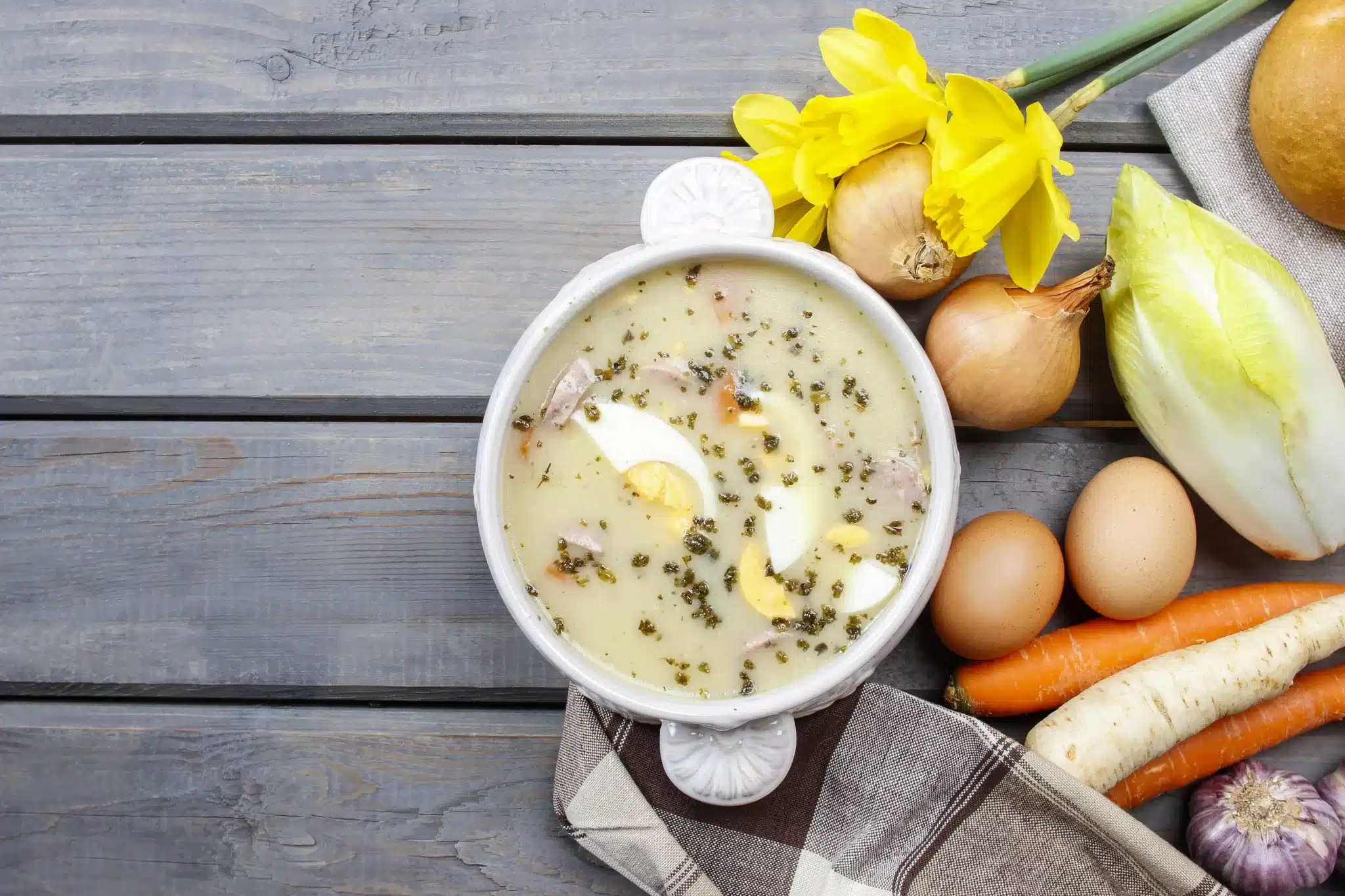
Kyselo is a delicious hot and heartwarming soup common in West Slavic countries. The name “kyselo” derives from the word “kysely” which means sour in Czech. This represents the taste you get from this taste soup. It is made with sourdough or fermented flour to thicken the soup and provide a tasty sour taste. Besides sourdough, it also contains ingredients such as mushrooms, caraway seeds, onions, eggs, potatoes, and lard or oil.
100. Kyopolou
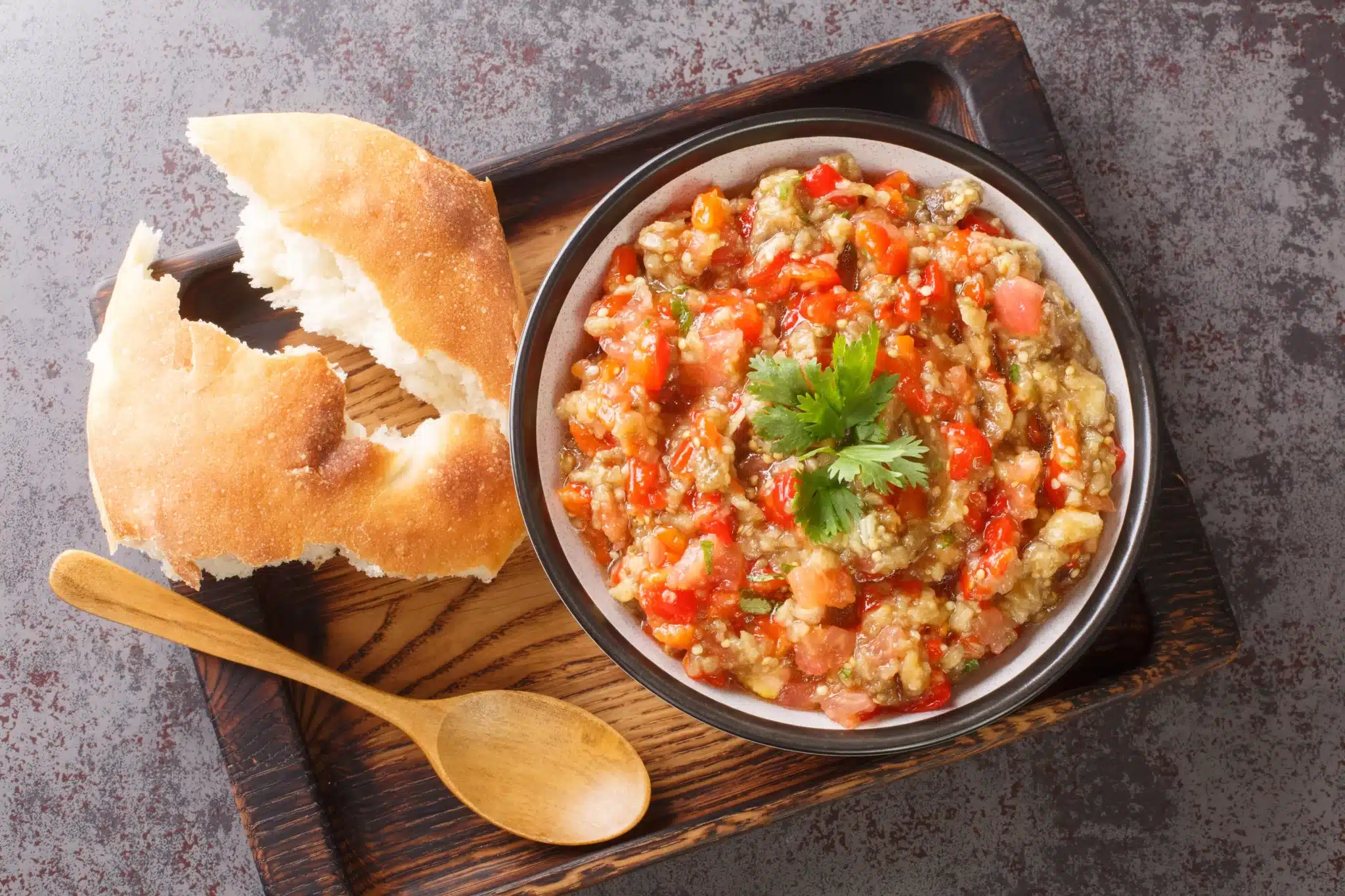
Kyopolou is a Bulgarian roasted eggplant and pepper dip. The name “kyopolou” comes from the Turkish word “köpoğlu,” which means “son of a thief,” as the dish is said to be so delicious that it could make a thief’s son steal it.
It is made by roasting eggplants and bell peppers, then blending them with garlic, tomatoes, olive oil, and various herbs and spices. Kyopolou has a smoky and savory flavor and is typically enjoyed as a spread or dip with bread or crackers.
Links on this page may be affiliate links, for which the site earns a small commission, but the price for you is the same



Leave a Comment