

It’s been an absolutely brutal couple weeks in California, with company after company announcing layoffs, downsizings, and closures.
I don’t know what’s happening over there, but something has gotta change!
At least let people catch a break, you know?
Unfortunately, the pain just keeps accelerating – we now have four factories closing immediately in the state…
Follow The Coconut Mama
• For fun lists, healthy living tips, and bar conversation topics, make sure to follow The Coconut Mama. Click here to access The Coconut Mama’s profile page and be sure to hit the Follow button here or at the top of this article!
• Have feedback? Add a comment below!
Shutterstock
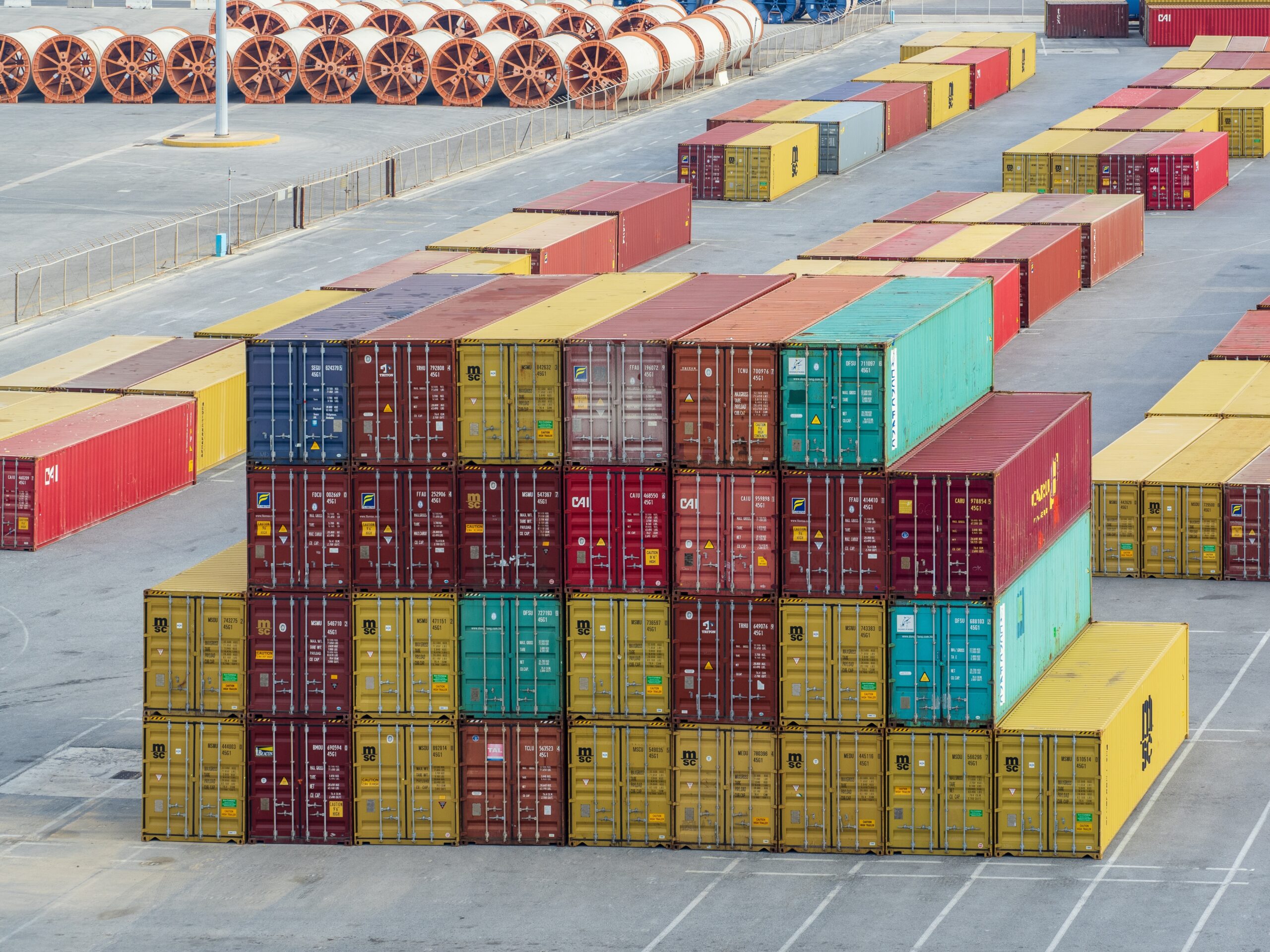
All of this is happening against a bleak macroeconomic picture:
– Tariffs
– Inflation
– Early signs of a potential recession
– Growing unemployment fears
And consequently, it’s no wonder…
Shutterstock

We all know California is an expensive place to live and do business.
(Of course, it’s also home to many of the world’s most innovative companies, so clearly they’re doing something right.)
But as companies’ margins are squeezed and they need to find places to trim so they can retain some profitability…well, it seems like factories in California are one of the big places they’re targeting.
Starting with a truly iconic brand…
Shutterstock

Even Coca-Cola is now slashing jobs in California.
The victims? 135 workers at the Coke bottling plant in American Canyon, California, whose jobs are disappearing by the end of the month.
Shutterstock

Coca-Cola is transforming to an “asset light” model where it’ll outsource more of its manufacturing, transportation, and distribution operations to third parties.
Think about it this way: What does Coke need to be great at to succeed? What makes Coke special?
Flavors. Marketing. Negotiations with stores.
So – give away all the other stuff, focus on what you’re really great at.
Of course, for workers, there’s a clear downside here…
Shutterstock

The theory of the case for Coke is that they can outsource all this stuff for cheaper (or, maybe same cost but fewer headaches) to other companies.
Someone specializes in logistics, or transportation? Great, they’re probably more efficient at it than Coke is.
Of course, greater efficiency probably means more automation.
Fewer jobs.
And what jobs they DO create don’t have to be in the same state or even the same time zone as the jobs lost.
It’s a raw deal for California workers, for sure.
Shutterstock

Hearthside Food Solutions – which manufactures lots of pre-packaged foods like cookies, crackers, and granola, just finished closing its plant in Anaheim, California.
The cost? 175 good-paying jobs, gone.
Management spoke the usual platitudes about careful consideration, operational costs and market demands, etc.
(And to be clear, I’m sure all of those things are true to one extent or another.)
But the real story here is far simpler:
Shutterstock

Hearthside’s parent company is out of money.
More specifically, H-Food Holdings LLC, which is Hearthside’s parent company, filed for Chapter 11 bankruptcy last November.
Its $1.9 billion debt load is simply too great to manage, and as part of the bankruptcy proceedings – Hearthside is trying to eliminate as many costs as it can.
In fact, the California plant closure follows them shuttering another plant in Nashville, Tennessee last Spring.
Shutterstock
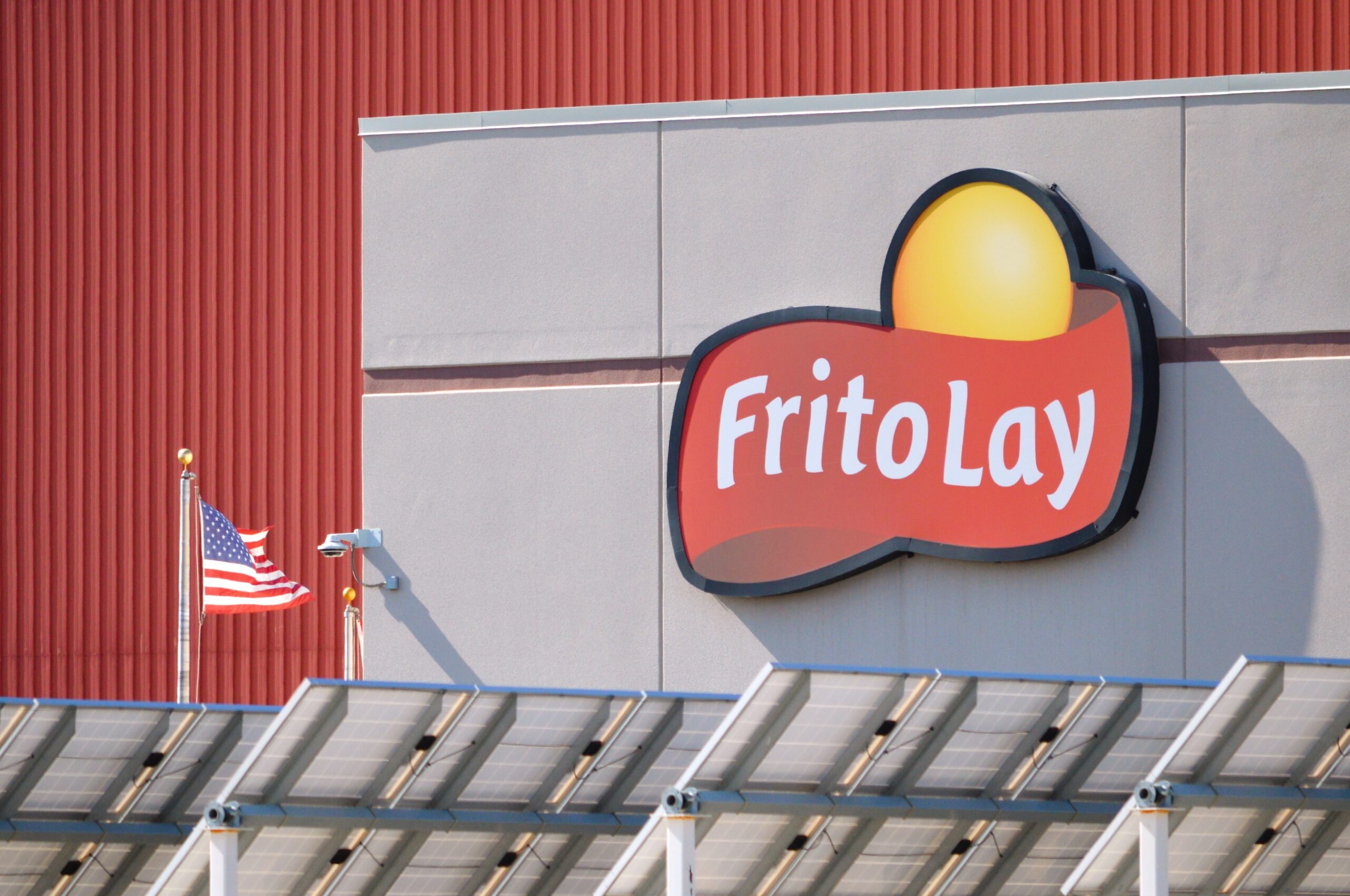
Frito-Lay closed its manufacturing plant in Rancho Cucamonga, California just a few days ago.
This plant had been open for 50+ years. It was a pillar of the community.
And now it’s gone – at the cost of, reportedly, hundreds of jobs (we don’t have an official tally from Frito-Lay).
This one’s a real heart-breaker…
Shutterstock

I mentioned that the plant was 50 years old, and I suspect that was actually key to its demise.
We’ve made a technological advance or ten since the 1970s, and newer factory builds are designed to take advantage of those efficiencies.
Older factories can sometimes be retooled or renovated, but at their core they just couldn’t be set up for innovations their architects couldn’t have imagined at the time.
Frito-Lay had to find efficiency, and promptly shifted operations to newer plants.
Shutterstock

Spreckels is closing down the final sugar beet refinery in California in July.
There will, of course, be direct layoffs at the plant as Spreckels’ parent company shifts production to Minnesota, but more broadly…
This likely marks the end for dozens of sugar beet farms as well. (Their crop is pictured above.)
They’re all near the Spreckels plant because transporting all those sugar beets somewhere to be turned into sugar is expensive…
Shutterstock

And now, they’ll have to ship sugar beets out of state to continue growing and harvesting the crop.
I can’t see how that’s going to pencil out, so unfortunately it looks like many of those farms will have to retool and switch crops.
That’s a tall asks for farmers who are already struggling under the threat of ICE raids.
Shutterstock

It’s such a shame to see so many factories going under.
And I just want to take a moment to tell every impacted worker – whether you were at one of these factories or served in related capacities (like farms, restaurants catering to workers, warehousing, admin, logistics) – that we wish you well and hope your next chapter is better than this one.
You deserved better.
Shutterstock

The Coconut Mama is dedicated to covering important food stories like these.
Make sure to follow The Coconut Mama. Click here to access The Coconut Mama’s profile page and be sure to hit the Follow button here or at the top of this article!
And if you have feedback – add a comment below!
Shutterstock



Leave a Comment