

Another day, another beloved longtime factory – a source of hundreds of good jobs – closing.
And this one really hurts.
Frito-Lay, which is a subsidiary of Pepsi, closed one of its California manufacturing plants earlier this week, and laid off hundreds of workers.
Follow The Coconut Mama
• For fun lists, healthy living tips, and bar conversation topics, make sure to follow The Coconut Mama. Click here to access The Coconut Mama’s profile page and be sure to hit the Follow button here or at the top of this article!
• Have feedback? Add a comment below!
Shutterstock
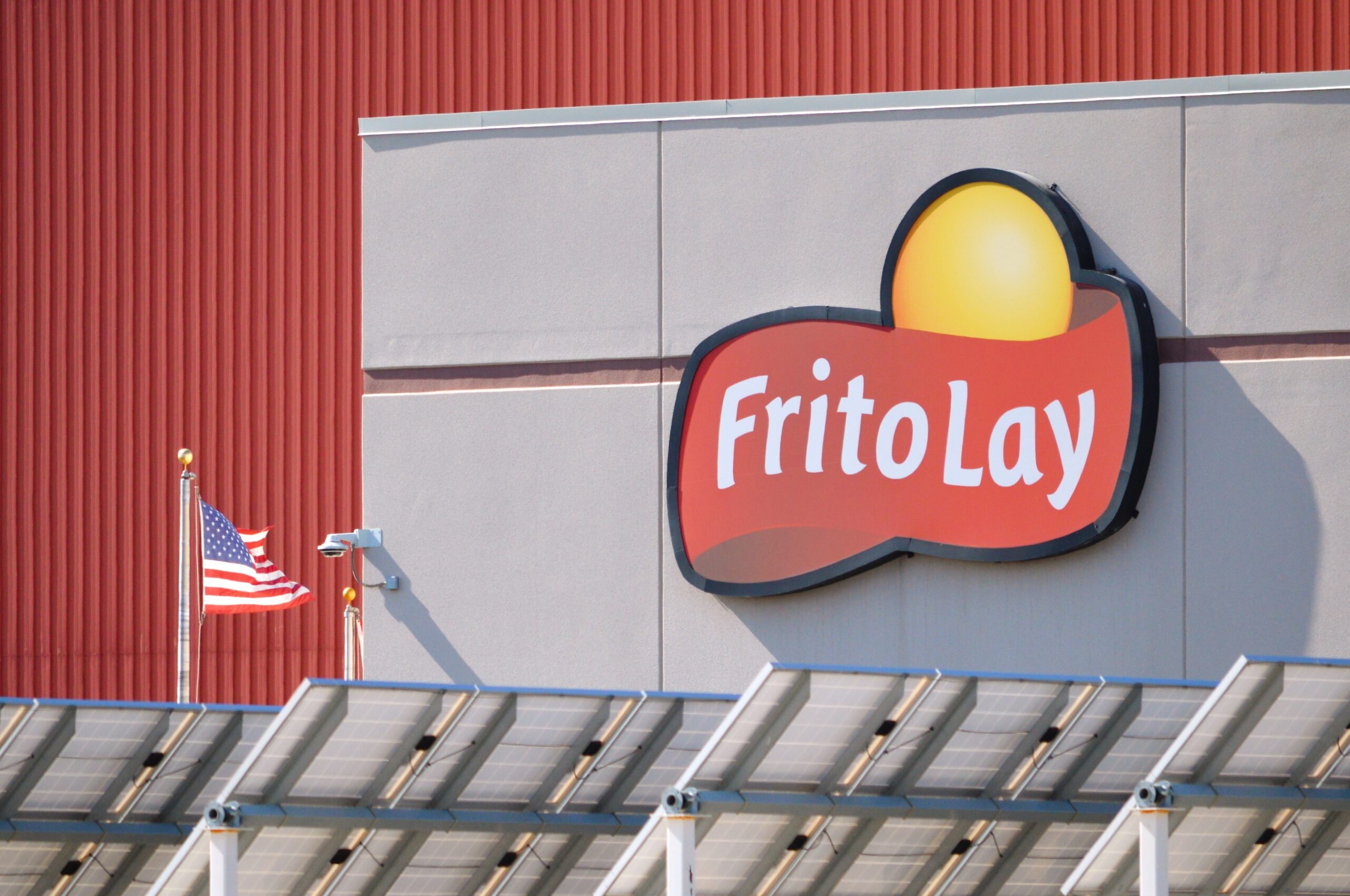
The plant, which had operated for over 50 years(!), ceased production earlier this week, followed immediately by a huge wave of layoffs.
This particular plant was a pillar of the local community and produced chips from many of Frito-Lay’s most popular brands: Doritos, Funyuns, Cheetos, even Tostitos.
We don’t have official numbers on how many workers were laid off and what the severance payout was (although we do know there was one, so that at least is good), but anecdotally I’ve heard that it was several months of pay for at least some workers, so that’s something.
Shutterstock

There are a lot of factors at play here, and unfortunately Pepsico has been pretty tight-lipped about the specific reasons, so we have to make a few educated guesses.
First off, it’s worth noting that the layoffs were limited to the manufacturing and administrative staff themselves.
The specific campus in Rancho Cucamonga, California also has warehouse, transportation, and distribution functions – all of which are still going strong.
So there’s still a similar need for distribution, logistics, and transport…but not manufacturing. At least not in this specific plant.
Shutterstock

We’ll get to California-specific factors here in a moment, but at a high level, we’ve got a few things happening that are certainly helping push firms to consolidate operations and boost efficiencies (which often means – layoffs, unfortunately).
Among them:
– Tariff uncertainty. If you think you know exactly what US trade policy is going to look like in six months, you’re pretty much the only one! Companies don’t know exactly how tariffs are going to hit, and that encourages them to pull back spending.
– Stubborn ongoing inflation. Inflation is still above the Federal Reserve’s 2% target, which means lots of fiscal tightening that, again, makes companies want to keep more cash on their balance sheet (because borrowing is so expensive).
– Recession fears. Lots of consumers have started indicating that they’re pulling back spending, which means companies like Pepsi / Frito-Lay are going to want to reduce their production to ensure that supply and demand are well-balanced.
Shutterstock

Pepsi is also undoubtedly keeping an eye on Coca-Cola, which has laid out a very specific strategy (complete with layoffs) for reducing its manufacturing capacity and outsourcing lots of that work to third parties.
The theory is pretty simple:
If Coca-Cola only focuses on a few things (say, R&D, marketing, communications, and the like), it can really REALLY focus on them – while giving away a lot of the logistics and distribution challenges to make someone else solve instead.
I could see Pepsi starting to gradually move in the same direction. It makes sense, right?
Shutterstock

Newer factories rae just built different from older ones.
(That makes sense, right? Think about houses from 50 years ago. They’re built different than new builds!)
Newer factories have more automation in mind and may be better positioned to take advantage of advances in robotics.
The Rancho Cucamonga plant was over 50 years old.
That was just a different time, and there are some natural inefficiencies built into that. You know?
Shutterstock

I also think it’s probably not a coincidence that a lot of this bad news is coming out of California.
More specifically, the state has lost three factories in just a matter of days.
Of course, every story is unique, and no one has said anything about the local business climate being a factor, but it does make you wonder.
I’m not an expert on California’s regulatory regime, but if you have any insight here, leave a comment, and when I update the article I’ll try to add in any relevant details!
Shutterstock

When facing this many big macroeconomic issues, there’s only so much any locality can do to make sure good jobs don’t evaporate.
That said, smart localities work with their employers to try and find solutions – and stay out ahead of problems.
I’d encourage any city or town nervous about losing a local plant to start those dialogues sooner rather than later.
Shutterstock

For the workers: They’ll unfortunately have to try and find new jobs in a pretty tight economy.
I want to really extend my sincerest well-wishes to anyone whose job was affected. This stuff is hard.
As for chip production…I’m confident that Frito-Lay figured out where they were going to create additional capacity (or if any was needed) before they shut down the factory.
And that, to me, is really the biggest question hidden in all of this:
Shutterstock
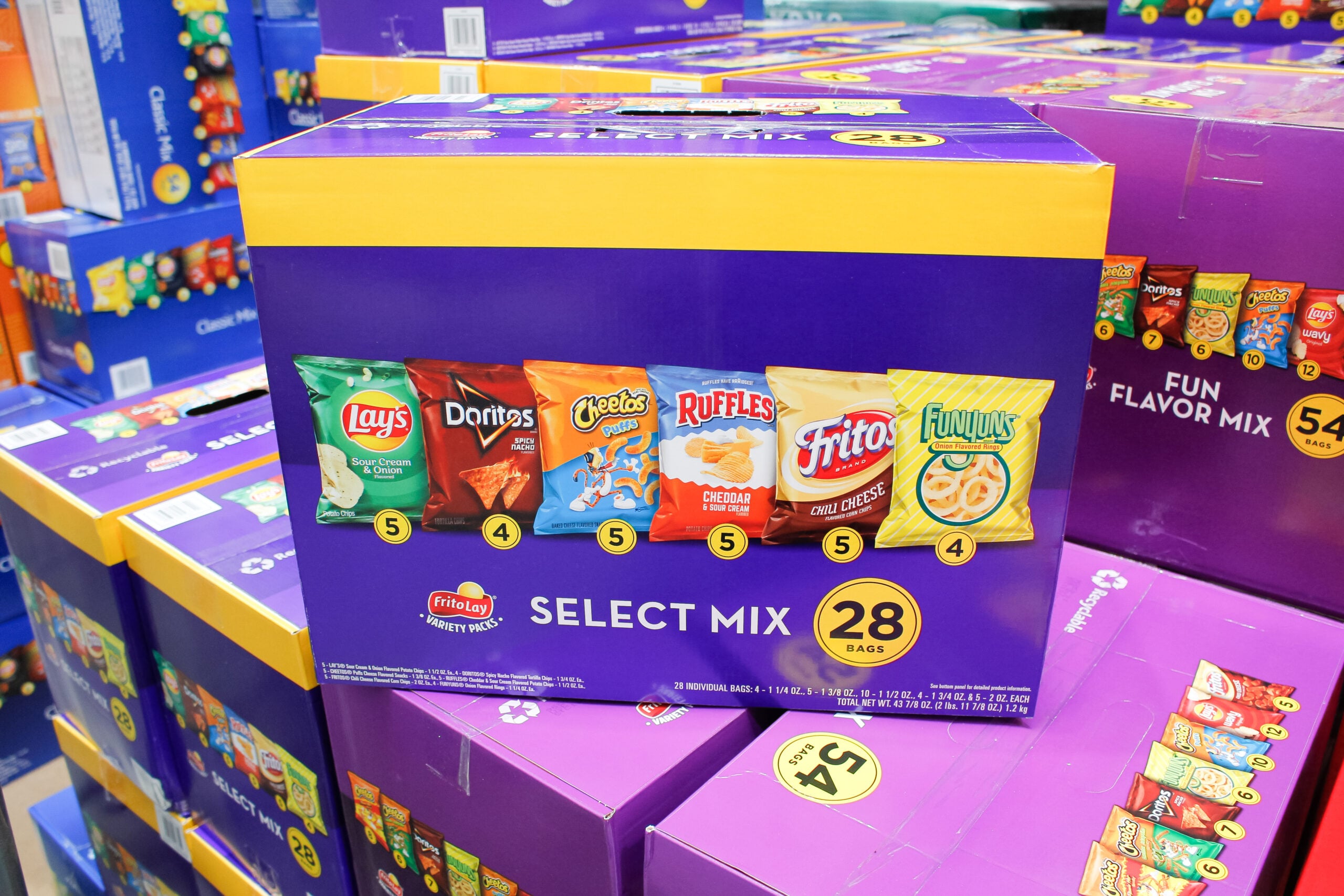
Did Frito-Lay / Pepsi decide that they needed fewer bags of chips? If so, that will fuel speculation of a slowdown in consumer spending.
And if so – that probably signals that these layoffs are just the beginning.
There are unfortunately plenty of other datapoints supporting that thesis –
– Of course, there are the aforementioned factory closures.
– But more concerning, restaurants are closing en masse
Of course…
Follow The Coconut Mama
• For fun lists, healthy living tips, and bar conversation topics, make sure to follow The Coconut Mama. Click here to access The Coconut Mama’s profile page and be sure to hit the Follow button here or at the top of this article!
• Have feedback? Add a comment below!
Shutterstock

With any luck, they just moved manufacturing capacity somewhere else to take advantage of a better setup, more automation, or perhaps adding jobs somewhere they think they’ll need to have a more localized supply chain.
(After all – it’s not just the US doing tariffs – retaliatory tariffs in other countries may mean that companies like Frito-Lay need to shift some of their production overseas to protect themselves from those companies’ tariffs. If so, it would be a cruel irony indeed.)
Shutterstock
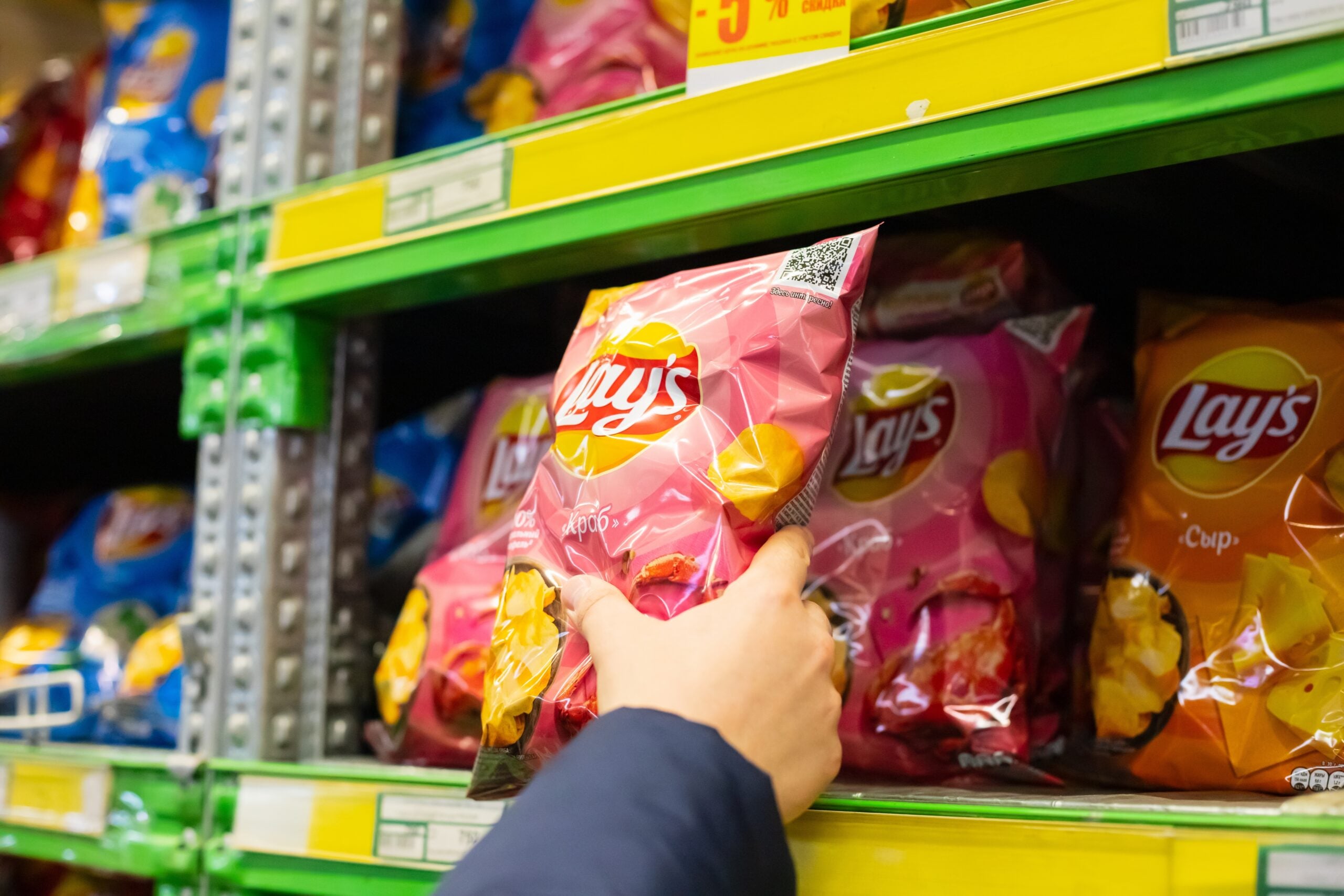
Any company that focuses only on trimming costs risks getting left behind when the competition comes up with a new idea.
A flavor, a combo, a look – whatever new concept leaves competitors in the dust.
Fortunately, Pepsi and Frito-Lay are full speed ahead on all kinds of new stuff. A small sampling:
– Doritos twisted queso (cheesy + spicy = yum)
– Fritos lime and jalapeno twists
– Doritos guacamole (ok this is a re-release from 20 years ago – still very welcome!)
– Popcorners jalapeno poppers
And those are just since late April!
Shutterstock

So there you have it – everything I’ve been able to uncover in my research about this unfortunate factory shutdown + layoff situation.
Again, I want to extend my sincerest best wishes to the impacted workers. This stuff is hard, and I hope they all land on their feet.
More broadly, I hope Frito-Lay is able to beat all the headwinds and succeed – because that means more great flavors for all of us, and hopefully more jobs too!
And of course…
Shutterstock

Make sure you follow The Coconut Mama!
• We’re covering important food topics like this every day. Click here to access The Coconut Mama’s profile page and be sure to hit the Follow button here or at the top of this article!
• Have feedback? Add a comment below!
Shutterstock



Leave a Comment