
Coconut sugar, derived from the sap of the flower bud stem of the coconut palm, is a type of palm sugar. The sap is collected and heated to evaporate the water content, resulting in a thick and caramel-like syrup. This syrup is then solidified into granules, creating a fructose-heavy coconut sugar.
On the other hand, regular sugar is obtained from sugar cane or sugar beet. Sucrose, the common name for regular sugar, is composed of glucose and fructose. The processing of sugar involves extracting the juice from sugar cane or sugar beet, purifying it, and then evaporating the water to create solid sugar crystals.
So, is one superior to the other? Or is there a better kind of sweetener out there for you? Let’s break it down.
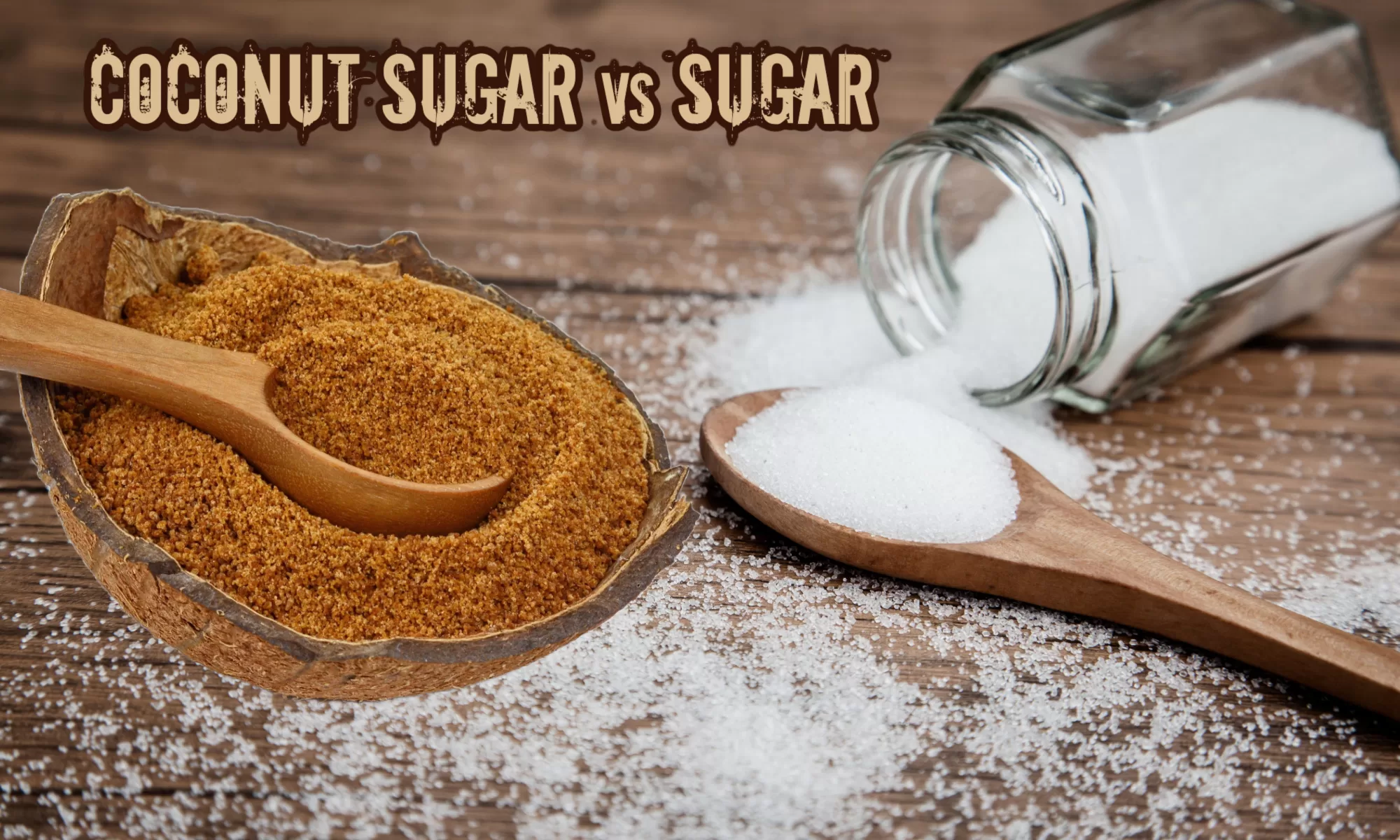
Comparing Coconut Sugar vs Sugar
| Coconut Sugar | Sugar | |
| Substitution ratio | 1:1 | 1:1 |
| Gluten-free? | Yes | Yes |
| Keto-friendly? | No | No |
| Paleo-friendly? | Yes | No |
| Common Allergens | None | Sugarcane |
| Pantry shelf life (unopened/sealed) | Up to 2 years | 2 plus years |
| Best for baking | Vegan desserts, Asian marinades, and sauces. | All sorts of cakes, pastries, and sweet treats. |
Differences Between Coconut Sugar And Sugar
Aside from the obvious difference in their sources, coconut sugar differs from regular sugar when it comes to taste and texture. It has a distinct caramel-like flavor and is available in crystal or granule form, as well as in blocks or liquid. While coconut sugar can be used as a substitute for regular sugar in various recipes, it is particularly popular in baked goods, such as cakes and cookies, as well as in granola or sauces.
Another notable difference between coconut sugar and regular sugar lies in their composition and sourcing. While regular sugar goes through extensive processing to refine and isolate the sugar content, coconut sugar is less processed, retaining more of its natural nutrients and minerals. This is why coconut sugar is sometimes referred to as “natural sugar.”
Taste and Culinary Uses
Regular sugar, often considered the gold standard of sweetness, boasts a clean and pleasant sweetness that hits the palate quickly without lingering. It exhibits no secondary taste or aftertaste. Used extensively, sugar contributes color to baked goods and serves as a preservative, flavor enhancer, and bulking agent. This versatile ingredient finds its way into sauces, syrups, and beverages, where it aids in increasing viscosity and providing a thicker consistency and better mouthfeel.
Coconut sugar surprises with its unique flavor profile that deviates from its namesake fruit. Rather than tasting like coconut, it offers a mild caramel-like flavor. With a light brown color and a texture similar to brown sugar, coconut sugar can be a fantastic addition to recipes calling for chocolate or warm spices. It’s awesome in coffee or tea, too! It is my preferred sugar for Asian dishes, as the subtle earthy undertone makes it a great choice for curries, chicken, or fish.
Are Coconut Sugar and Sugar Substitutes for Each Other?
When it comes to substituting white sugar, coconut sugar can be used as a one-to-one replacement in the majority of recipes. The flavor profile of the dish will be slightly different, though.
Nutritional Profile And Health Benefits
- Table sugar (granulated sugar, sucrose) – 2 tsp.
- Calories: 30
- Total carbs: 8 g
- Sugars: 8 g
- GI: 65
- Coconut sugar – 2.5 tsp.
- Calories: 40
- Total carbs: 9 g
- Sugars: 8 g
- GI: 54
Coconut sugar, when compared to regular sugar, offers some unique health benefits. It contains some vitamin C, which boosts immunity, helps combat seasonal ailments, and enhances the texture of skin and hair. It also has nitrogen, which supports cardiovascular health and promotes a healthy heart. It retains some minerals such as iron, zinc, and also antioxidants. Regular sugar, on the other hand, undergoes more intensive refining processes that remove most of its nutrients. Coconut sugar is also lower GI, making it a preferred option for those needing to balance their blood sugar.
Diet Suitability
Sugar from sugarcane, which gets its color from a refining process involving bone char, is often considered non-vegan due to its production method. It is also not compatible with the keto, paleo, or Whole30 diets.
Coconut sugar is frequently used in vegan diets as it is derived from plants and undergoes minimal processing without the bone char. Coconut sugar does not align with the keto diet or Whole30 diet, but it is okay for paleo as it is a natural sweetener obtained from the sap of the coconut palm tree.
How to Store Coconut Sugar and Sugar
When it comes to storing sugars, including coconut sugar, keep them in an airtight container at room temperature. This applies to regular granulated sugar and brown sugar as well. The ideal storage place is a cool, dry area like your pantry.
Price and Availability
You can find sugar at prices as low as 25 cents per pound, whereas coconut sugar is priced at 5 dollars per pound!!! Coconut sugar is pretty popular these days and can be found at most specialty stores and also in a lot of supermarkets.
Environmental Impact
The burning of sugarcane has a detrimental impact on the environment, mainly through the emission of harmful pollutants into the air. These pollutants, including nitrates, carbon compounds, and sulfates, can significantly compromise air quality. Consequently, they contribute to climate change. To mitigate these environmental issues, coconut sugar is regarded as a sustainable alternative to traditional sugar. Coconut palms require less water and pesticides compared to sugarcane plants, and they can yield coconut sugar for up to 20 years without the need for replanting. However, it is essential to acknowledge that there are potential environmental concerns associated with palm sugar production, such as deforestation and habitat destruction, which can lead to biodiversity loss and further exacerbate climate change. So, check that you are purchasing a sustainable certified brand.
Coconut Sugar vs. Sugar: The Ultimate Verdict
You can’t beat coconut sugar, except when it comes to the price. It is really delicious, much more nutritious, and works well in baking. It gets my vote as one of the best sugars out there!
FAQs
Coconut sugar is similar to regular table sugar but with minimal processing plus traces of nutrients. When using coconut sugar, moderation is key. Coconut sugar falls into the category of sugar alternatives, positioned as a healthier option than refined sugar, yet not as optimal as avoiding sugar entirely.
Coconut sugar can be used as a substitute for white sugar in most recipes at a 1:1 ratio.
Coconut sugar has a lower glycemic index, fewer carbs, a higher mineral content, and a delightful taste!





Leave a Comment