
Z is for Zaatar tea and Zombies, both of which are zesty! Though too many Zombies might leave you zonked and yearning for zero movement. Check out this list of 25 drinks beginning with the letter Z to find one that sounds zingy!
Drinks That Start With Z – Alphabetized
Your handy alphabetized list for quick reference:
Alcoholic Drinks
- Zabaione
- Zaya Rum
- Zaza Cocktail
- Zhivago’s Revenge
- Zima
- Zinfandel Blush
- Zinfandel Wine
- Zinger
- Zipper
- Zombie
- Zorbatini
- Zubrowka Vodka
- Zurracapote
- Zwack® Apricot Brandy
- Żywiec Beer
Non-Alcoholic Drinks
- Zaatar Tea
- Zafrani Chai
- Zapote Smoothie
- Zaraza
- Zico Hydrate
- Zobo Drink
- Zucchini Juice
- Zuko Drink Mix
- Zwetschgen bowle
- Zymil Milk
Drinks That Start With Z – Listed with Pictures and Facts
Alcoholic Drinks
Zabaione
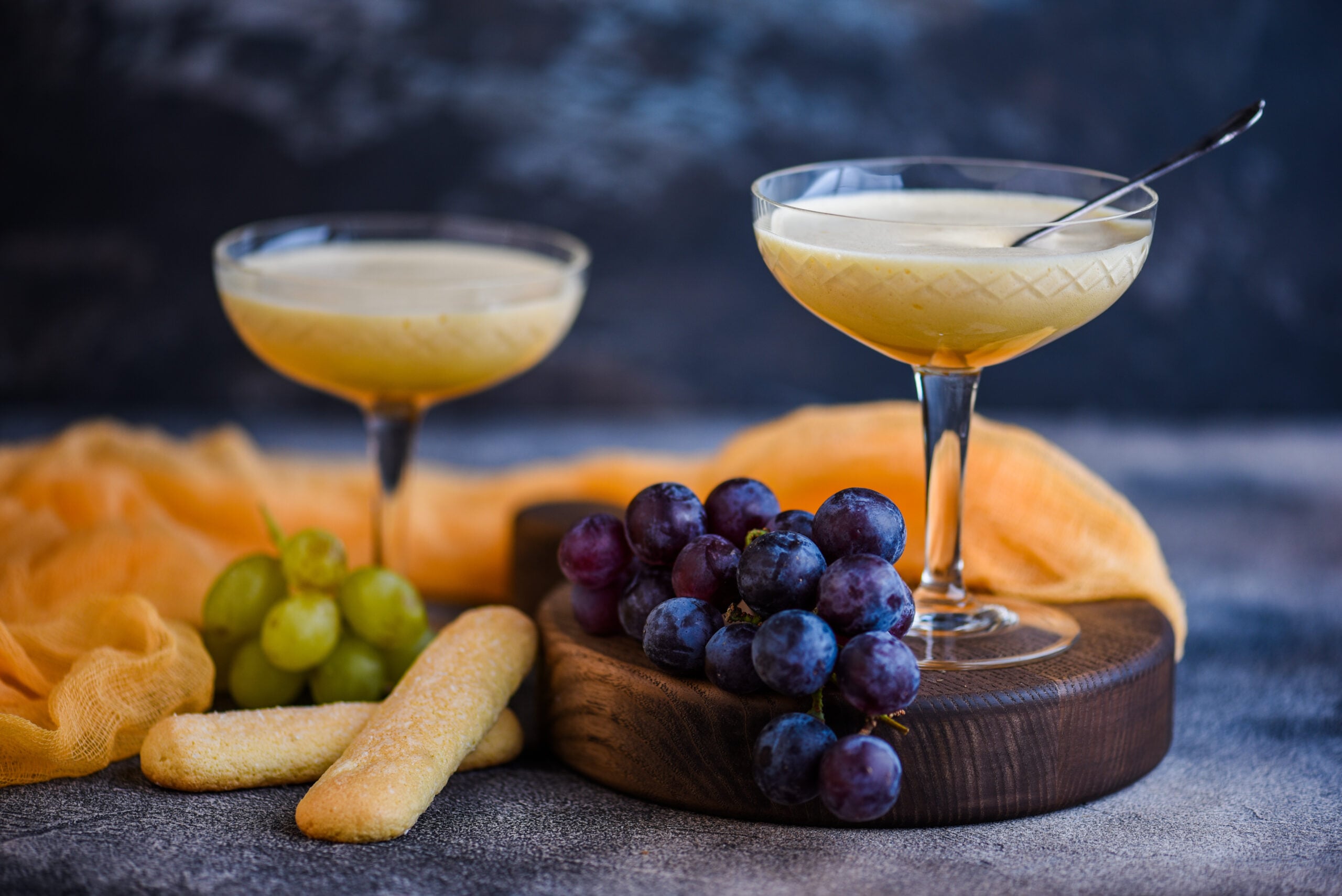
Zabaione, also known as zabaglione, is a classic Italian dessert made from egg yolks, sugar, and sweet wine such as Moscato d’Asti or Marsala. Sometimes, spirits like cognac are added for extra flavor and it becomes more of a thick, sweet drink. The dessert is a light, airy custard created by whipping the ingredients to incorporate plenty of air. In the U.S., especially in areas with large Italian communities, zabaione has been served since the 1960s, often paired with fresh fruits like strawberries, blueberries, or peaches and presented in a champagne coupe for a touch of flair—sometimes even prepared tableside for added drama. In France, it’s known as sabayon, while in Argentina and Uruguay, it’s called sambayón and is a favorite ice cream flavor. A modern twist, espresso zabaglione, mixes the egg and sugar base with a shot of espresso, served either fresh or frozen.
Zaya Rum
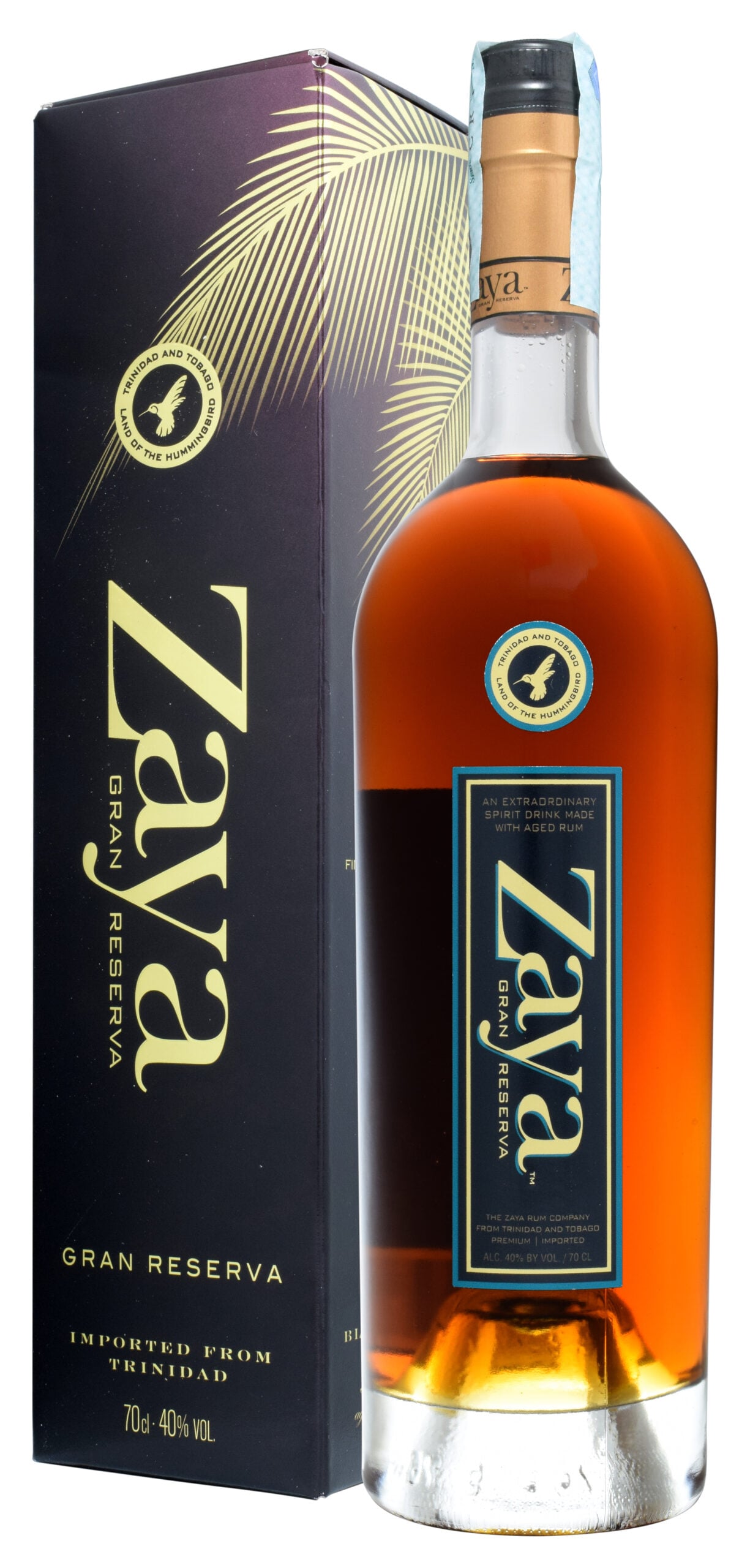
Zaya Gran Reserva Rum, made in Trinidad and Tobago, is a high-quality rum crafted from a blend of rare rums aged up to 16 years in oak barrels. This aging process gives it a smooth and rich flavor. It opens with aromas of caramel, vanilla, and toasted oak, followed by flavors of butterscotch, toffee, and dried fruit on the palate. The finish is long and satisfying, with subtle notes of spice and honey. Perfect for sipping on its own, it also works wonderfully in cocktails. With an alcohol content of 40%, this rum has earned awards like a gold medal at the San Francisco World Spirits Competition.
Zaza Cocktail

The Zaza is a simple yet elegant cocktail that perfectly combines the crisp, pine-like flavor of gin with the sweet, herbal richness of red vermouth. First crafted in the early 1900s, it’s a lesser-known twist on the classic Dubonnet Cocktail. The drink strikes a smooth balance between its two main ingredients, creating a refined, aromatic taste. An orange twist garnish adds a hint of bright citrus, making the flavor even more vibrant. Served in a sleek cocktail glass, the Zaza is a sophisticated yet approachable choice for fans of gin-based drinks.
Zhivago’s Revenge
Don’t ask me where the name came from because I have absolutely no idea, but this is a fun shot to make and it’ll knock your socks off with flavor. Combine 1/2 ounce of cinnamon schnapps, 1/2 ounce of Absolut Peppar vodka, and 3 drops of Tabasco sauce to create this spicy shot. Carefully layer the ingredients in a shot glass in the same order for the best effect.
Zima
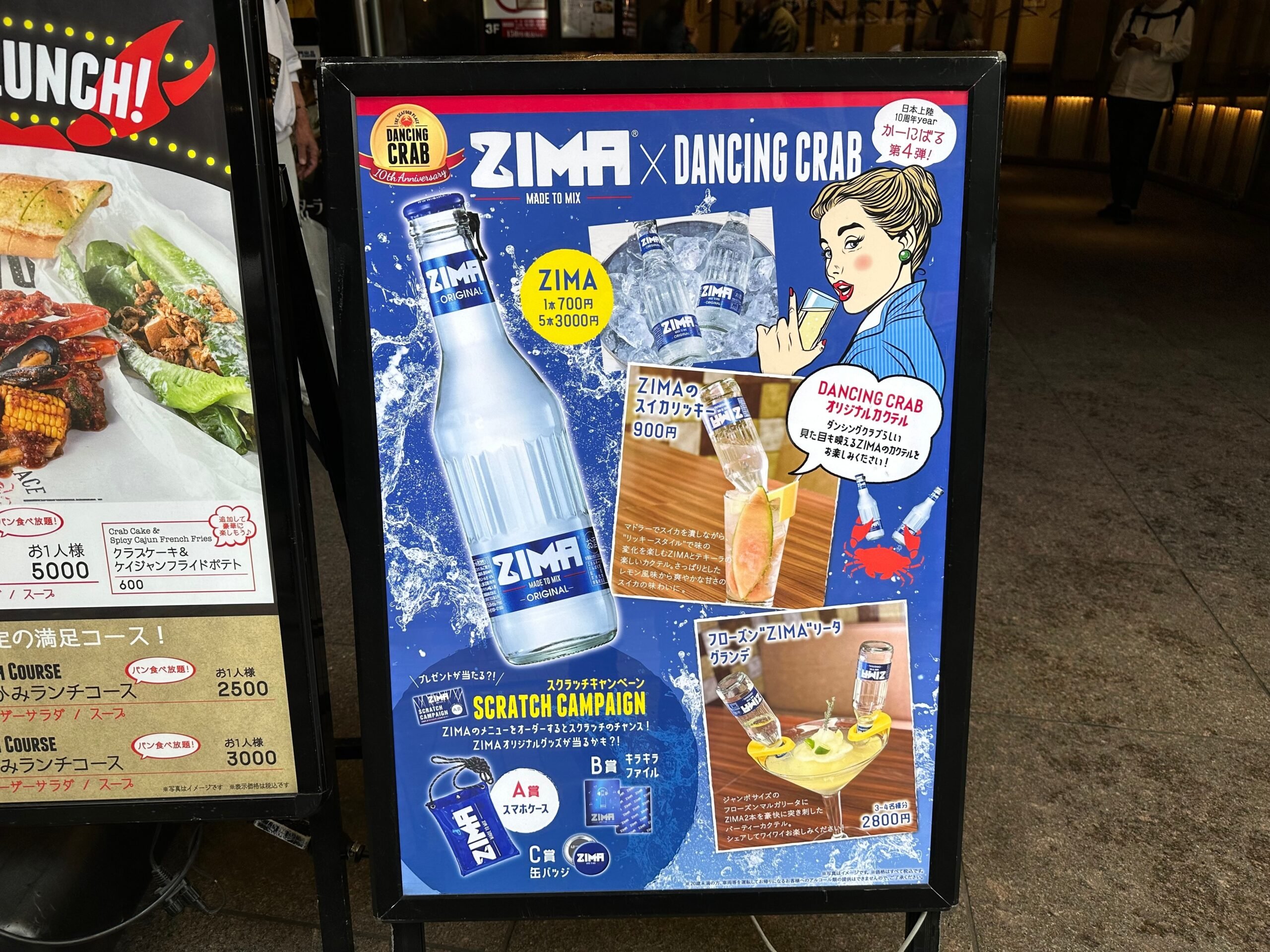
For those who grew up in the 1990s, thinking about discontinued foods like Surge or Shark Bites might spark some nostalgia—and many will also remember Zima. This clear malt beverage hit shelves in 1993 and quickly became popular, but it didn’t stay that way for long. Coors Brewing Company launched Zima with an aggressive marketing campaign targeting young American men, hoping to attract those looking for an alternative to beer, wine coolers, or hard liquor. Taking advantage of the ‘90s obsession with clear products, Coors created Zima by filtering a low-quality lager through charcoal, removing its color—and unfortunately, much of its taste. They added a citrus flavor to mask this, resulting in a drink containing 4.7% alcohol. While Zima became one of the first mainstream “malternatives,” paving the way for drinks like Smirnoff Ice and Mike’s Hard Lemonade, many consumers found its flavor unappealing. Descriptions ranged from “lemonade filtered through aluminum foil” to “citrus-flavored horse p\*ss.” On top of that, some men didn’t consider it “manly” enough, hurting its image. Coors spent millions trying to rebrand Zima, but interest faded, and it was discontinued in the U.S. by 2008.
Zinfandel Blush
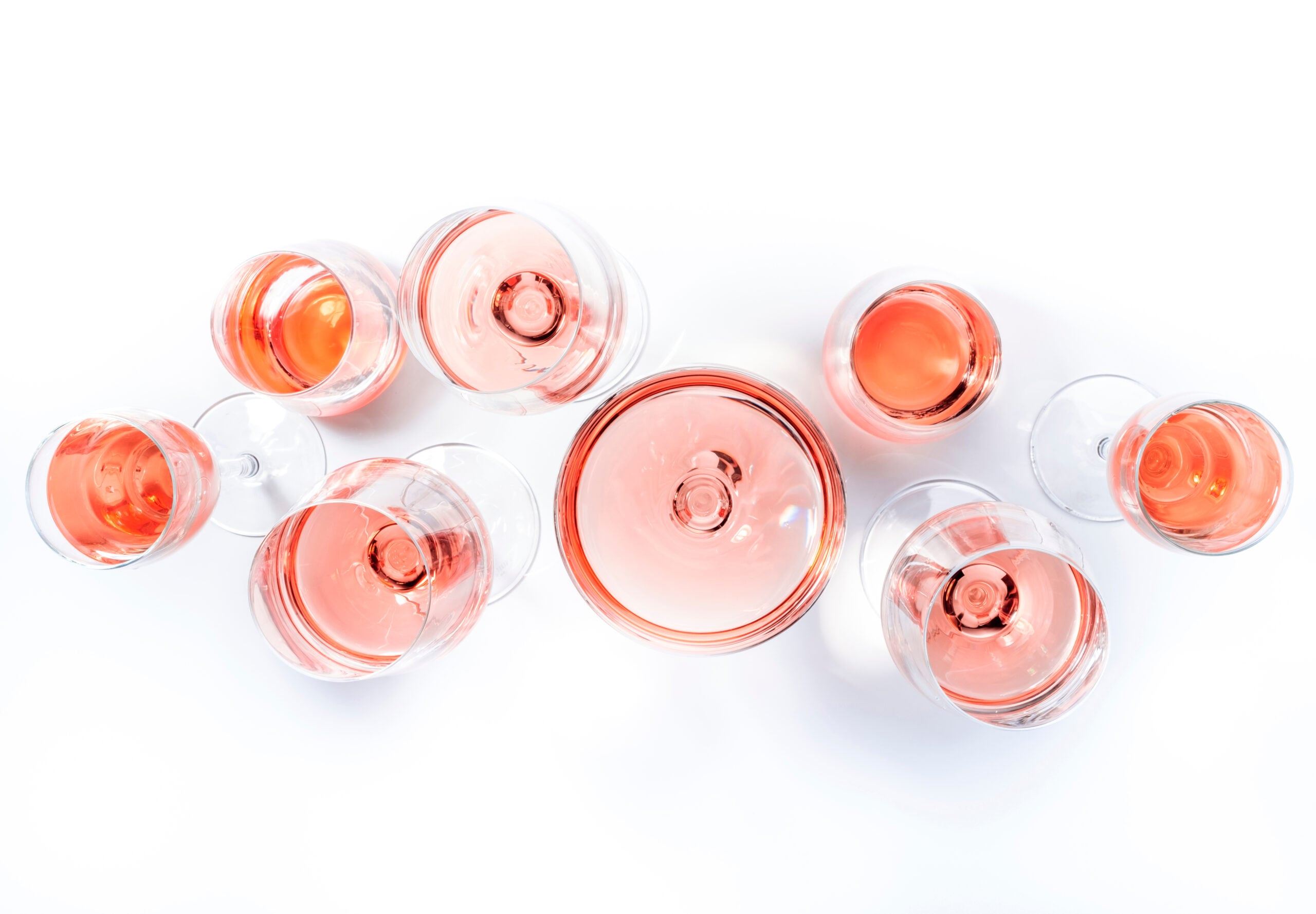
Let’s clear up some confusion: blush wine isn’t exactly rosé, but it’s kind of like Vin Gris, though technically it’s both rosé and Vin Gris. Confused yet? Don’t worry, you’re not alone. The term “blush” has a unique history in the U.S., and while it’s not used much anymore, it was all the rage in the ’80s. It all started with White Zinfandel in the 1970s, thanks to two happy accidents by Sutter Home’s winemaker, Bob Trinchero. The first accident happened when Bob used a process called saignée, where he removed some juice from Zinfandel grapes during fermentation to make the red wine more concentrated. Instead of wasting the leftover juice, he turned it into a dry pink wine. The second accident was even bigger—while making rosé from Zinfandel, the fermentation process got “stuck,” meaning the yeast died before fully converting the sugars, leaving a sweeter pink wine behind. Bob bottled it, called it White Zinfandel instead of rosé, and the craze took off. While the production wasn’t quite like traditional Vin Gris, the result was pretty similar, and the blush wine trend was born.
Zinfandel Wine
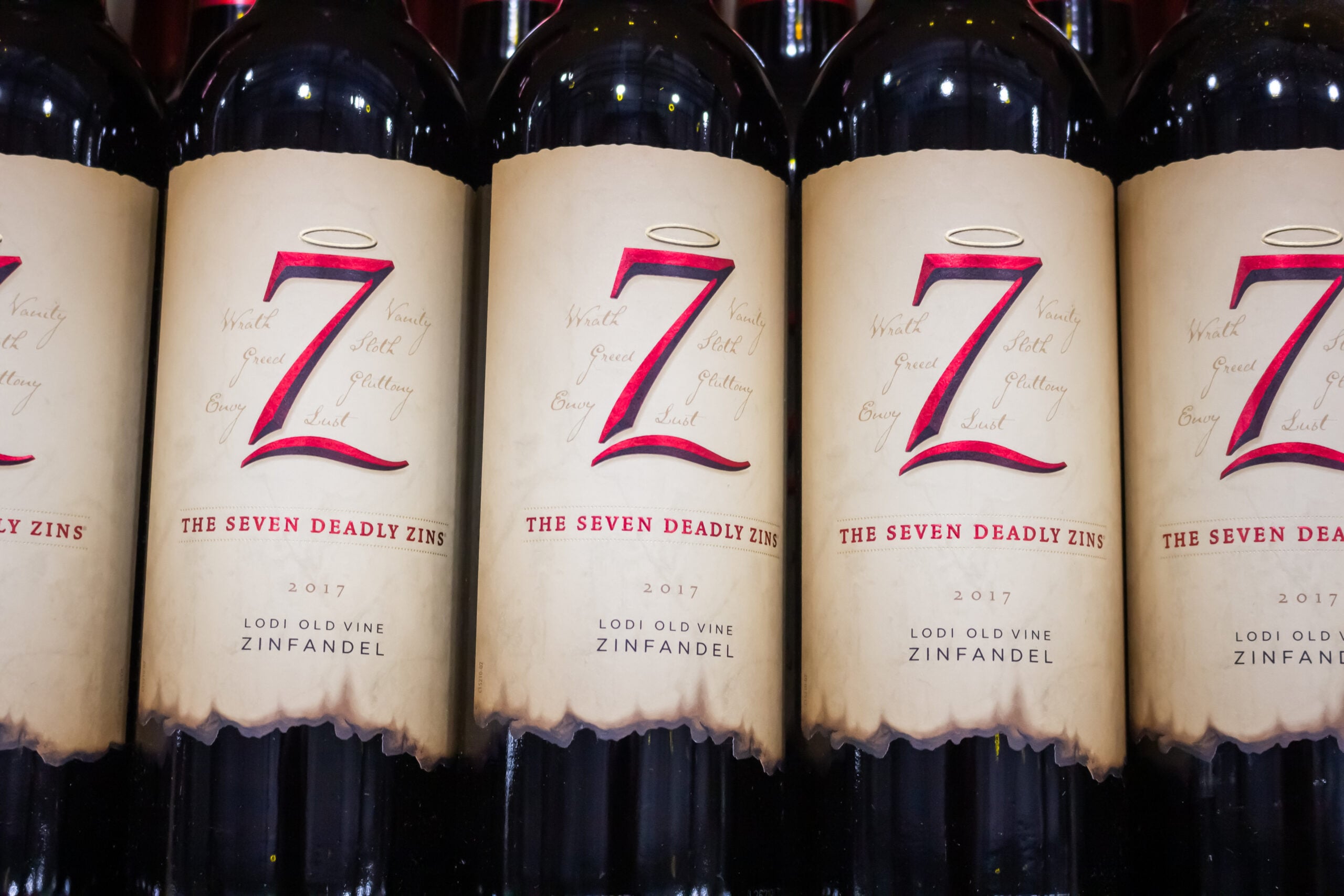
Zinfandel is a red wine made from the grape variety of the same name, which thrives in the United States and is often labeled as such on the bottle. When a wine is entirely Zinfandel or at least 75% of it, the variety’s name is featured. While most Zinfandel wines are red, dry, and still, there are exceptions, like sweet late-harvest versions, rosés, or even sparkling wines, though these are rare. The majority of Zinfandel comes from the U.S., especially California, where regions like Paso Robles, the Central Coast, and Sonoma Valley produce standout wines. Renowned producers like Ridge create collectible Zinfandels, such as their Pagani Ranch Zinfandel from Sonoma Valley or their East Bench Zinfandel from Dry Creek Valley. Other notable Ridge wines include the Boatman Zin from Alexander Valley and Ponzo Zin from Russian River Valley, as well as their Monte Bello Vineyard Zinfandel from the Santa Cruz Mountains. Napa Valley, Amador County, and Contra Costa also produce excellent examples. In Italy, the same grape is called Primitivo and is most famously grown in Puglia, known for its ripe fruit, spices, and savory flavors, though Italian Primitivo is often less bold compared to California Zinfandel.
Zinger
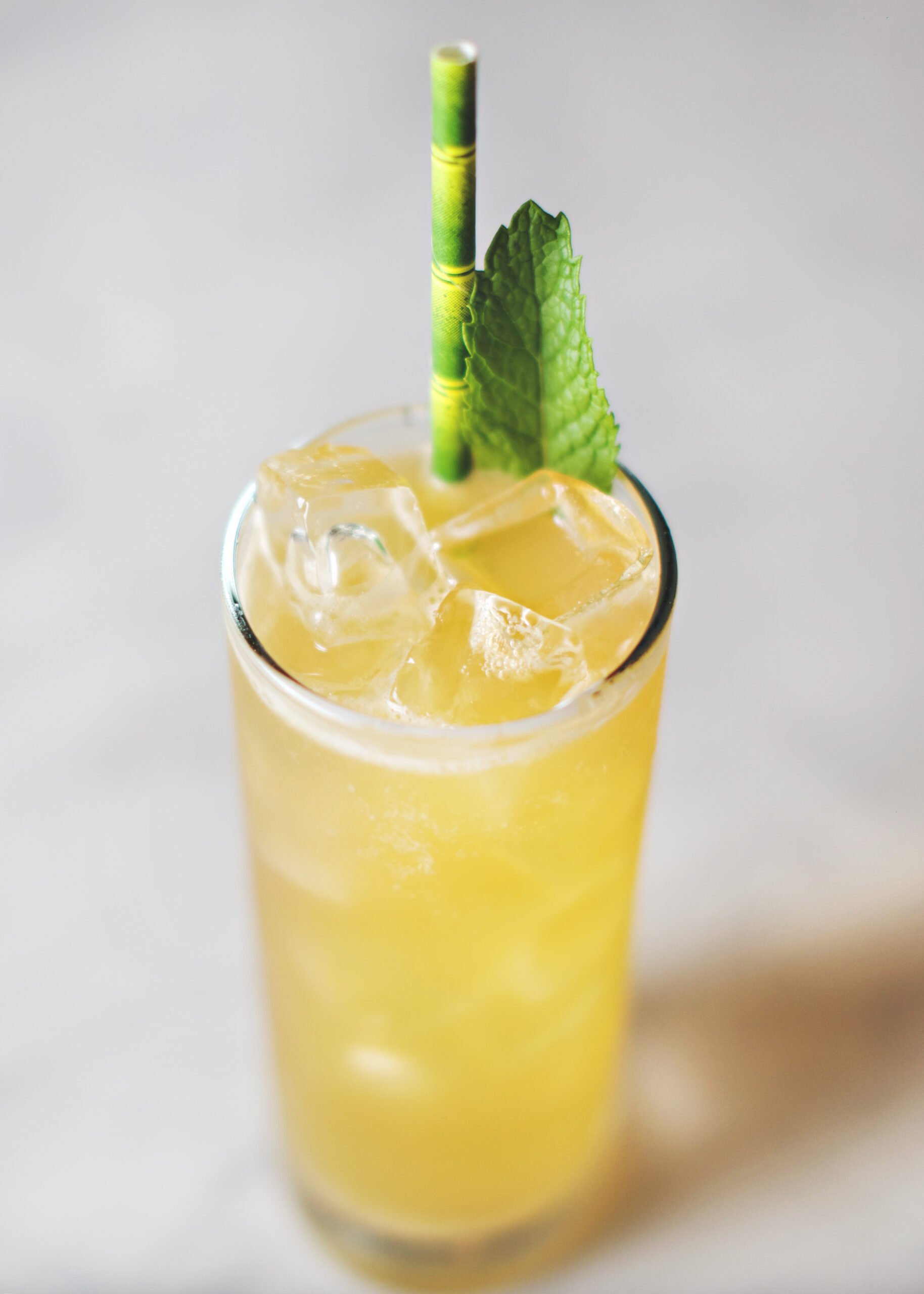
The Zinger is a fun and modern cocktail that doesn’t fit into any traditional category. Made with sweet, fruity Peachtree Schnapps and citrusy, high-caffeine Sprite, it’s a playful drink perfect for anyone looking to try something different. The peach flavor from the Schnapps blends with the tropical fizz of Sprite to create a refreshing mix of sweet and tart. To make the perfect Zinger, use a 2:1 ratio of Schnapps to Sprite—too much Sprite can overpower the flavors. Shake the mix with ice to get it nice and chilled, then strain into a coupe glass. For a finishing touch, add a lemon twist for a pop of brightness.
Zipper
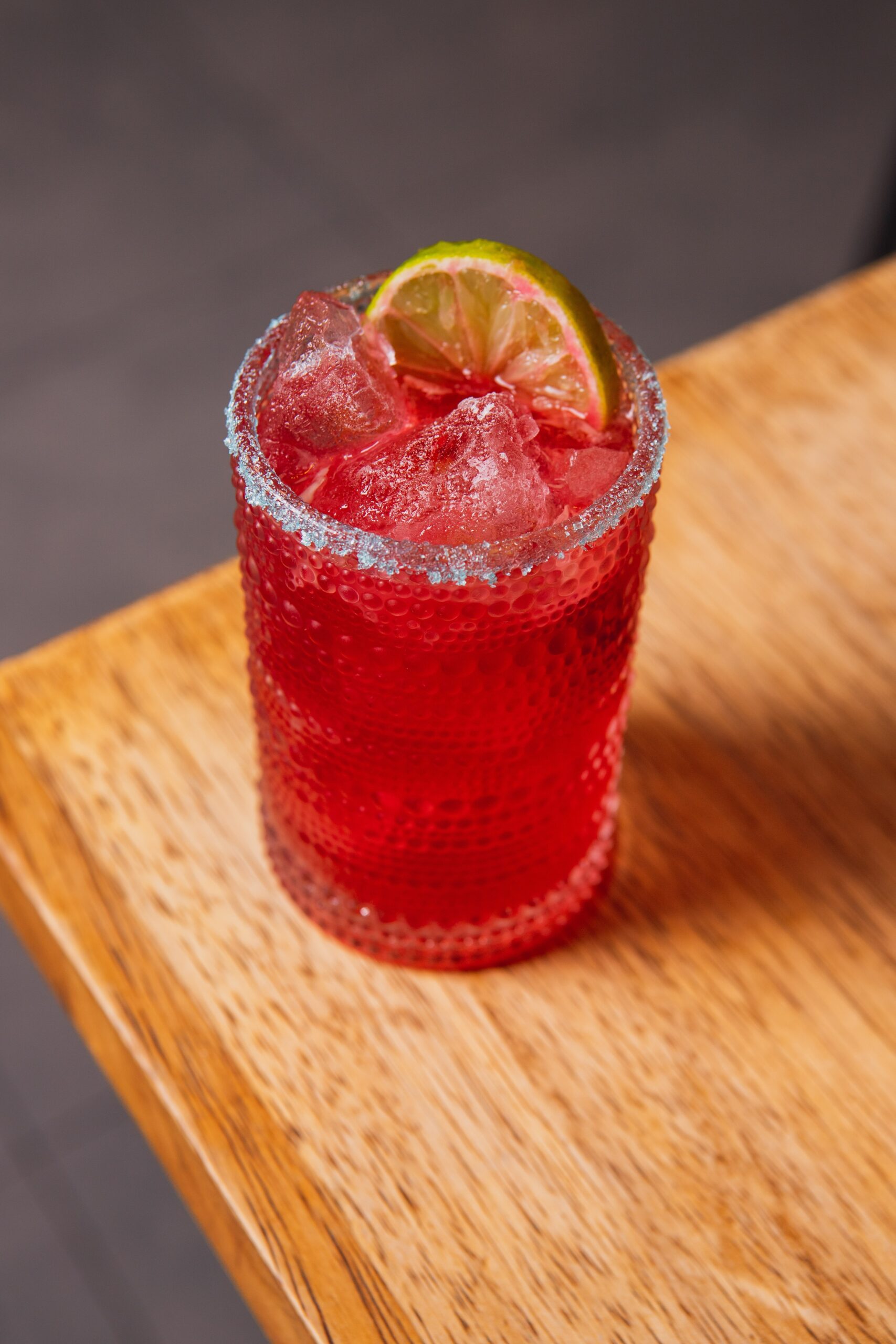
The zipper is a simple yet refreshing cocktail that’s perfect for any occasion. Made with just vodka, Chambord, and a splash of sparkling soda, it’s incredibly easy to mix and might already be within reach at your home bar. The sweet raspberry flavor of Chambord pairs perfectly with the kick of vodka, while the bubbles add a fun, fizzy touch. It’s a drink you’ll love from the very first sip and could quickly become a happy hour favorite. Plus, the zipper isn’t just delicious as is, it’s versatile too. You can easily tweak it, like turning it into a taller, more refreshing drink by adding extra soda or experimenting with other flavors to make it your own.
Zombie
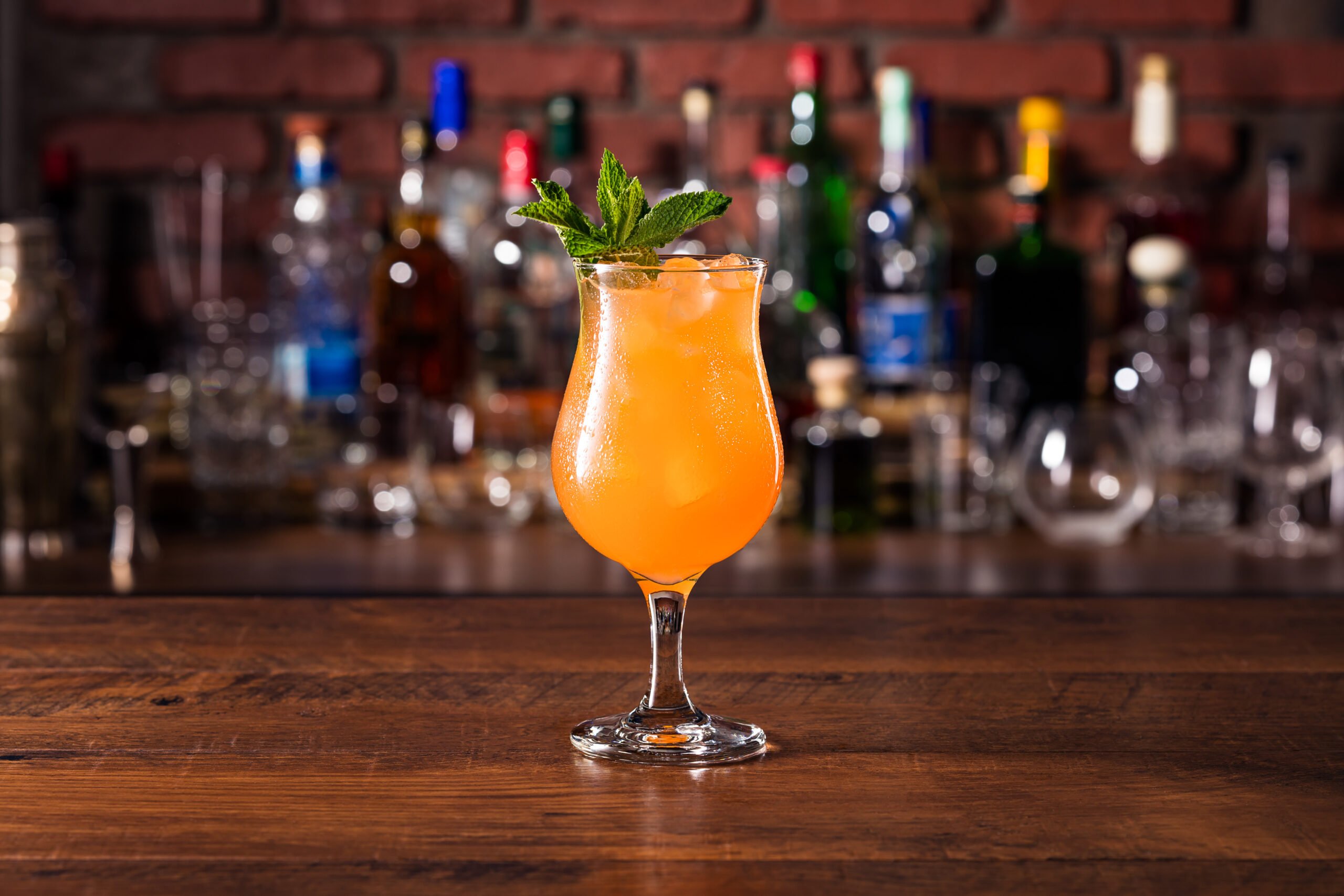
The Zombie is a classic Tiki cocktail made with a mix of fruit juices, liqueurs, and several types of rum. It was created in 1934 by Donn Beach at his famous Hollywood bar, Don the Beachcomber. According to legend, Donn invented the drink to help a customer recover from a hangover before a business meeting. However, the customer later complained that the drink left him feeling like a “zombie” for days. With its smooth, fruity flavor, the Zombie hides its incredibly high alcohol content, and Don the Beachcomber restaurants famously limited patrons to just two per visit due to its strength. The original recipe included three types of rum, lime juice, falernum, Angostura bitters, Pernod, grenadine, and “Don’s Mix,” which combined cinnamon syrup and grapefruit juice.
Zorbatini
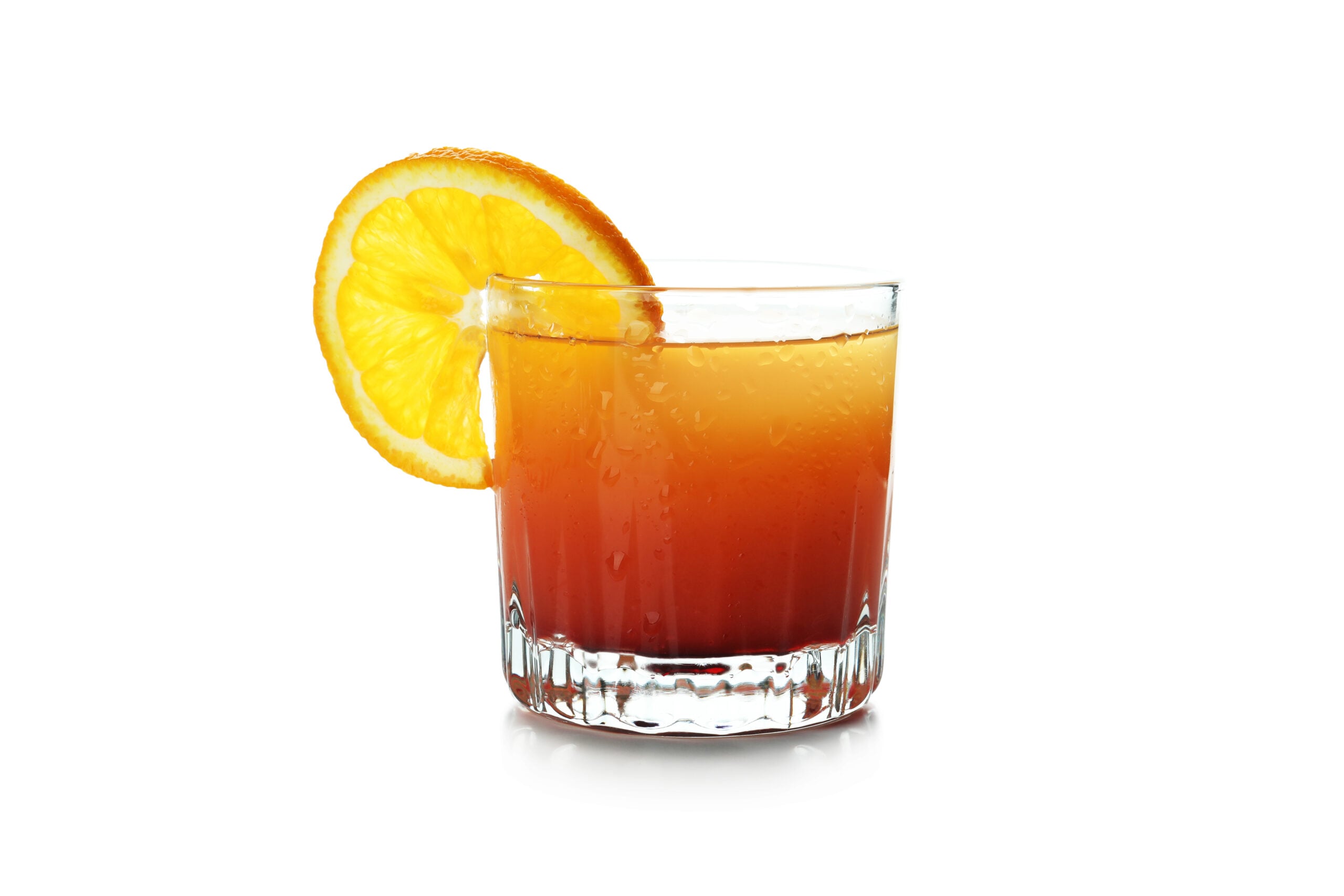
The Zorbatini cocktail is a lively and refreshing drink inspired by the spirited Greek dance, the Zorba. Created to capture the essence of Greek culture, this cocktail is perfect for those who enjoy a vibrant and festive atmosphere. With a well-balanced mix of sweet, sour, and slightly bitter flavors, the Zorbatini offers a smooth, crisp finish that feels like a refreshing Mediterranean breeze. Its ingredients include 2 oz of vodka, 1 oz of ouzo, 0.5 oz of fresh lemon juice, 0.5 oz of simple syrup, and 2 dashes of orange bitters, topped off with an orange twist for garnish. The anise flavor from the ouzo blends beautifully with the vodka’s smoothness. Pair it with classic Greek appetizers like Tzatziki, Dolmades, or Spanakopita to enhance the experience.
Zubrowka Vodka
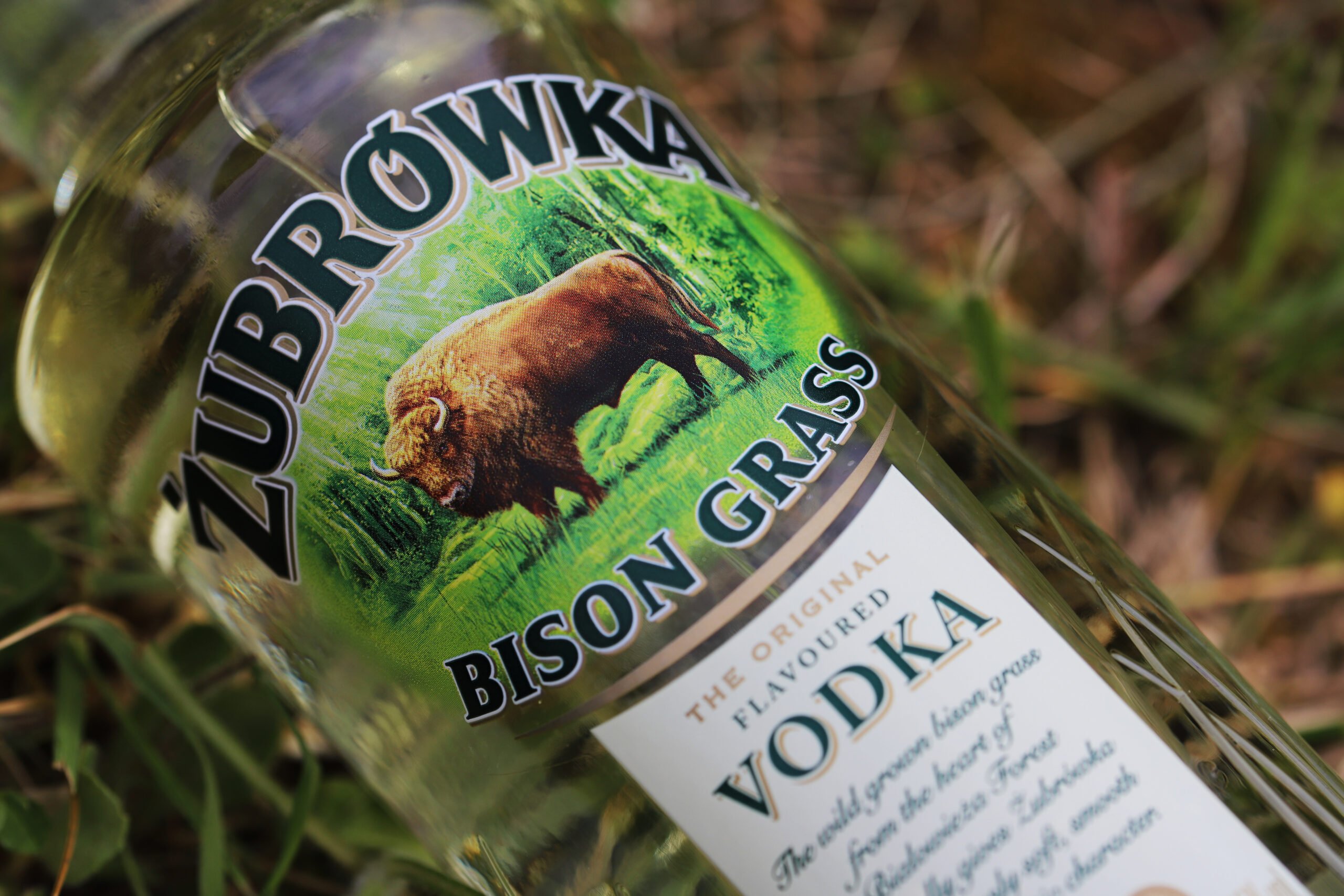
Żubrówka is a popular Polish vodka made from rye and flavored with bison grass, a plant that grows in the Białowieża Forest, where bison roam freely. Each bottle includes a blade of this grass, which has been used for centuries for medicinal and ritual purposes. The recipe for Żubrówka is said to date back to the 14th century, though it wasn’t produced commercially until 1928. The vodka has a clear appearance with a slight green tint and features herbal, earthy flavors with hints of spice, finishing with soft, mellow notes of vanilla. Made by the Polmos Bialystok Distillery, Żubrówka is best served ice-cold and can be enjoyed neat, on the rocks, or mixed with apple juice to create a tatanka (or szarlotka) cocktail. In addition to this flavored variety, the brand also produces plain vodka. Żubrówka is currently the third best-selling vodka in the world.
Zurracapote
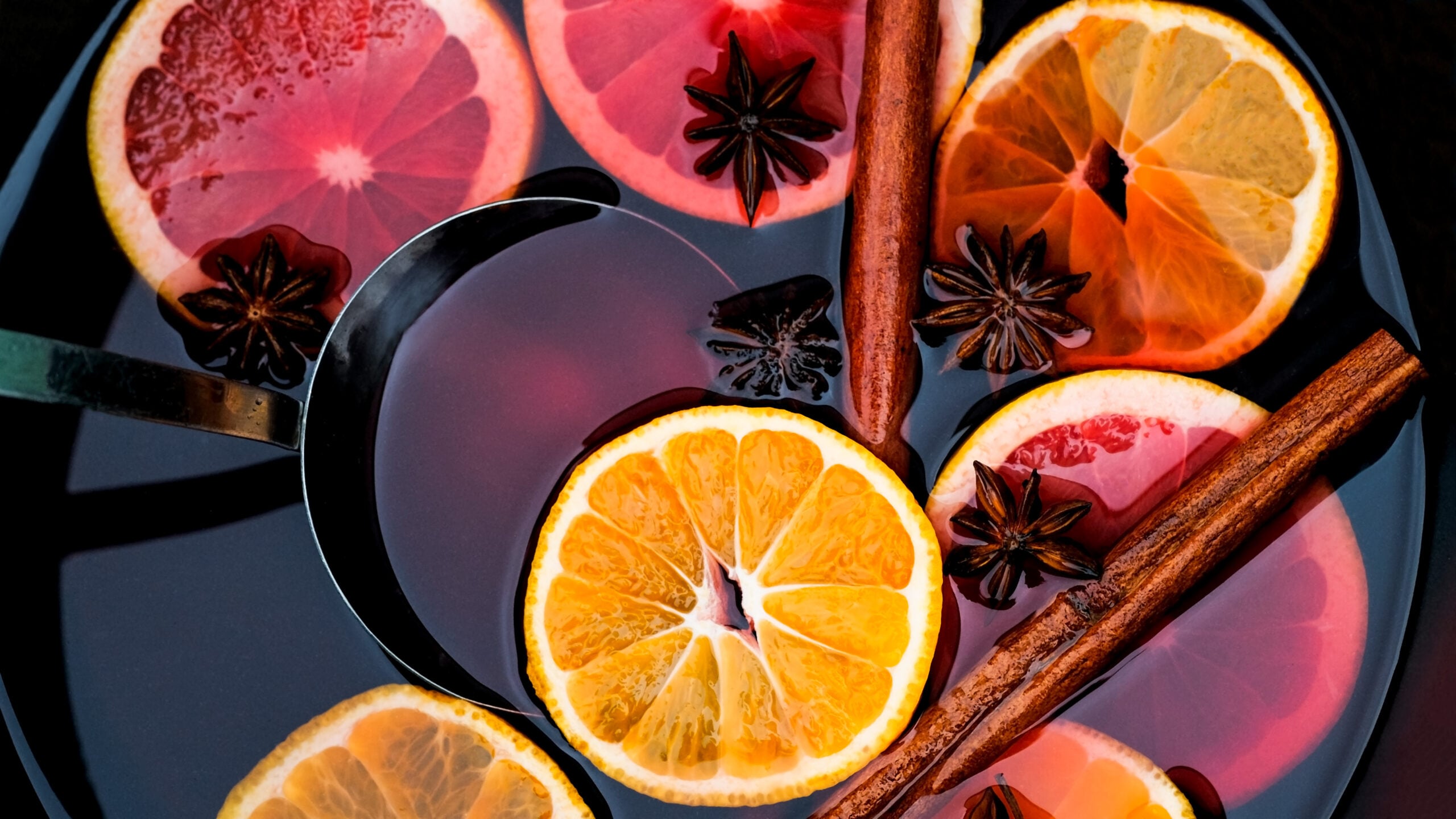
Zurracapote is a homemade drink that’s especially popular during local festivals in northern Spain, particularly in regions like Navarre, the Basque Country, Castile and Leon, and La Rioja, where it originated. Over time, its popularity has spread to other areas, such as parts of Ciudad Real, Guadalajara, Cuenca, and even further south in Granada and Jaén. However, La Rioja remains the heart of zurracapote tradition, known for its classic recipe. The drink is typically made with claret wine, mixed with sugar, cinnamon, and lemon. While this is the basic recipe, there are countless variations depending on the region, with different types of wine or added fruits like peach, orange, or banana, as well as unique preparation methods. Zurracapote is usually enjoyed cold, making it a refreshing summer beverage.
Zwack® Apricot Brandy
Zwack Pecsetes Barack Pálinka, also known as Hungarian Apricot Brandy, is a traditional fruit brandy with a long history in Eastern Europe. There are two main types of apricot brandy: a sweet liqueur version and a dry, stronger version more like typical 40% ABV spirits, but with fruity tones since it’s made from fermented and distilled fruit. Zwack’s pálinka falls into the dry category, a pure fruit-distilled spirit (barack means apricot in Hungarian). While brandy in general is made from fruit like grapes, apples, or apricots, the sweetened liqueur version often has extra fruit juice added to enhance flavor and lower the alcohol content. This can lead to confusion, as both are often called “apricot brandy.” Be cautious of cheap, artificial versions of the liqueur, which can taste like syrup. In old cocktail recipes, if “apricot brandy” is used without other sweet ingredients, it likely refers to the liqueur, but if it’s paired with other sweeteners, it’s probably the dry spirit. For pure enjoyment, this apricot brandy is best sipped on its own or with a splash in sparkling wine.
Żywiec Beer
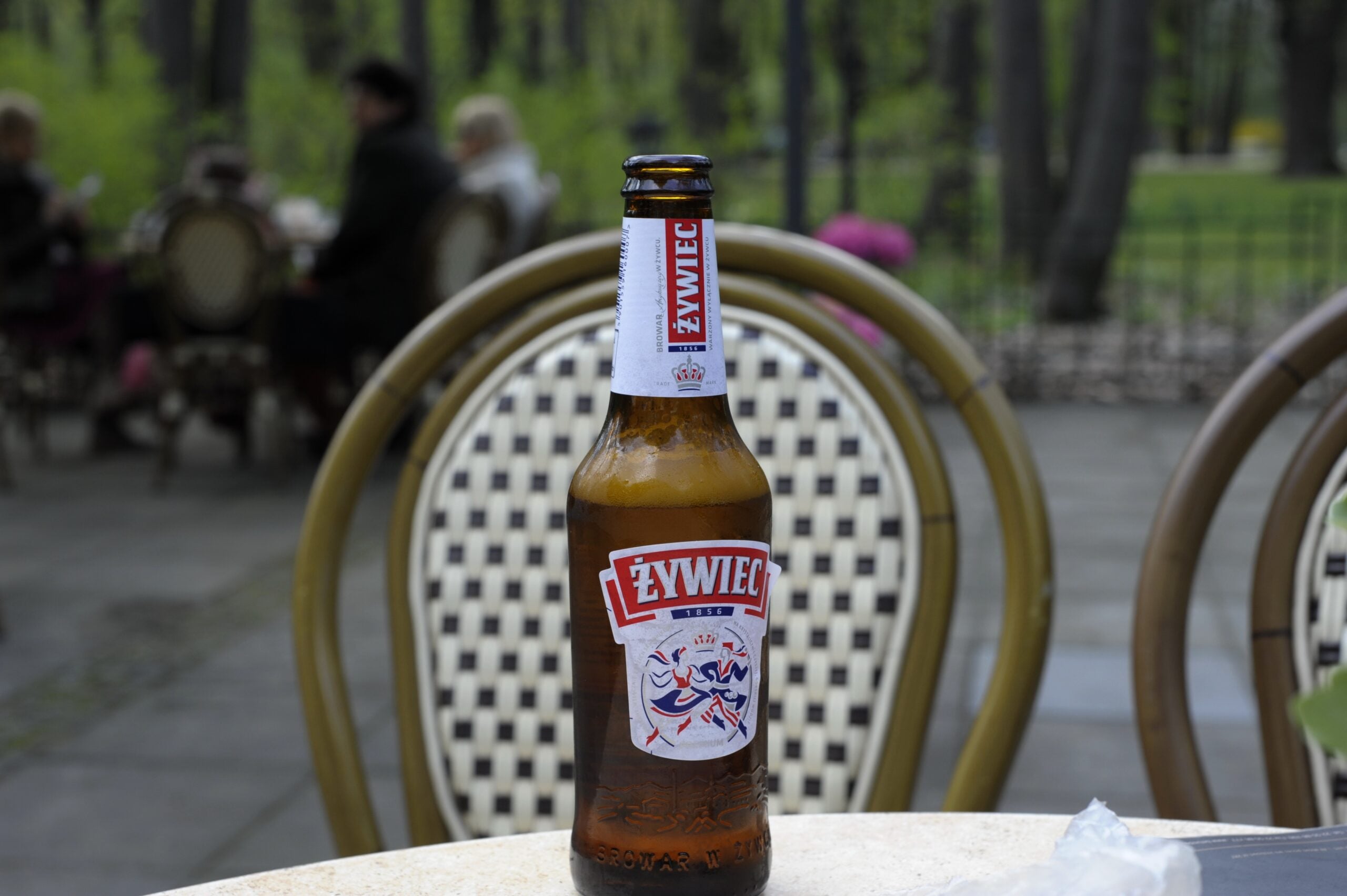
Żywiec Brewery, one of Poland’s largest beer producers, was founded in 1856 in the town of Żywiec. Known for its pale lager with 5.5% alcohol content, the brewery is part of Grupa Żywiec S.A. Its beers, ranging in strength from 5.6% to 9.5% alcohol by volume, include popular options like Żywiec Jasne Pełne (Żywiec Beer), a pale lager brewed for nearly 150 years, and Żywiec Porter, a dark beer once made at Cieszyn Brewery. Żywiec Beer is available in cans, bottles, and kegs, and in the U.S., it’s sold in six-packs, twelve-packs, or as 500ml cans and bottles. The brewery prides itself on using traditional methods, natural ingredients, and mountain spring water to craft its beer.
Non-Alcoholic Drinks
Zaatar Tea
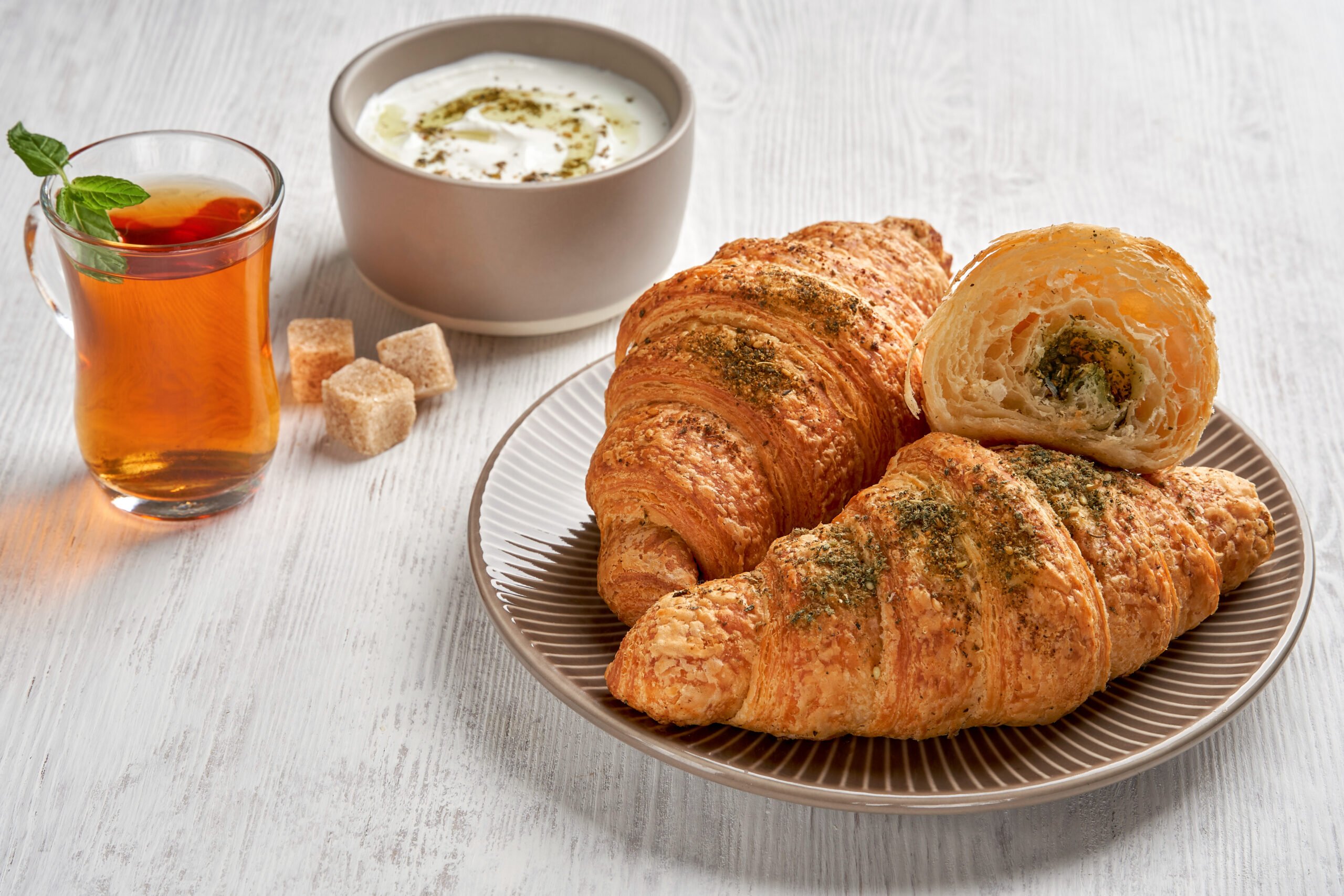
Zaatar tea is a traditional Middle Eastern herbal drink made from a mix of dried zaatar leaves, thyme, and other aromatic herbs. Known for its unique flavor and health benefits, this tea has been enjoyed for centuries. The blend of herbs gives it a slightly tangy, toasty, and nutty taste, paired with a distinctive aroma. Often served hot, it’s a popular choice for breakfast or as a refreshing afternoon drink. Zaatar tea is packed with antioxidants, vitamins, and minerals that can help strengthen the immune system and protect against illnesses. It also has anti-inflammatory and antimicrobial properties, making it a natural remedy for various health concerns. To make it, simply boil water, pour it over zaatar spices in a cup, and let it steep for a few minutes. Once the water turns light brown, strain the tea into another glass. You can enhance the flavor by adding honey, ginger, or lemon, depending on your taste.
Zafrani Chai
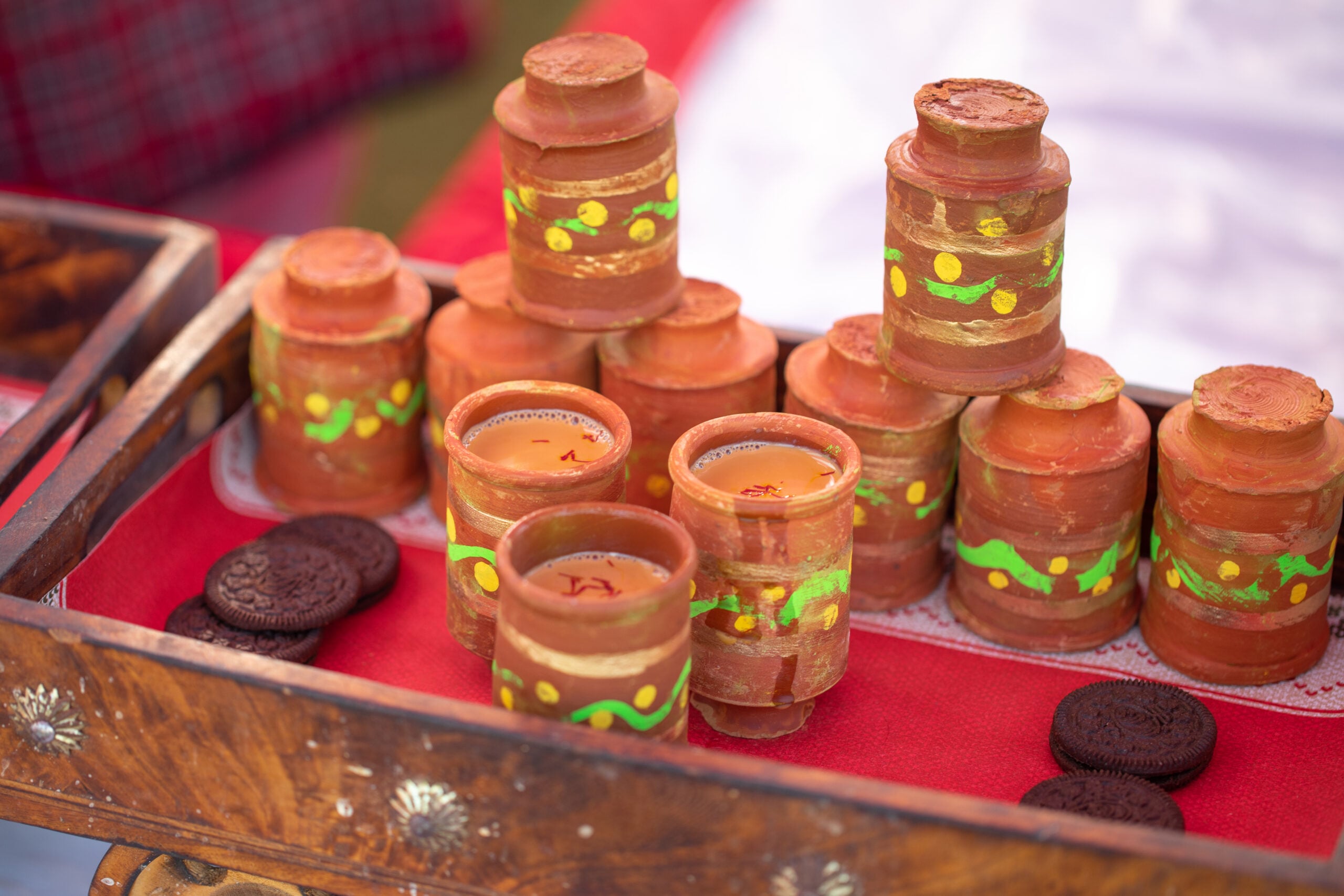
Zafrani Chai, also known as Kesar Chai, is a popular tea made with saffron, milk, and tea powder, and it’s a favorite in places like Dubai, often served in cafes like Filli Cafe and Pista House. To make it, start by crushing cardamom and saffron separately to release their flavors. In one saucepan, boil water with tea powder and the crushed cardamom until it reduces by half. In another saucepan, boil milk and stir in the crushed saffron and sugar, letting it simmer until the milk thickens and changes color. Strain both the tea concentrate and the saffron milk, then mix them together. Pour the tea into a cup, garnish with a few saffron strands, and serve it hot.
Zapote Smoothie

Zapote is a delicious tropical fruit with a creamy, custard-like texture and a naturally sweet flavor. It comes in different types, including white, yellow, and black zapote, and is commonly enjoyed fresh by scooping out the soft flesh with a spoon. Zapote is also a popular ingredient in smoothies, ice creams, and desserts because of its rich taste and nutrient-packed benefits, including vitamins, minerals, and fiber. One classic way to enjoy it is in a traditional mamey sapote smoothie, made with mamey (another name for zapote), milk, sugar, vanilla, cinnamon, and ice. You can use any milk you like, and the sugar can be replaced with honey or stevia for a healthier twist. The vanilla and cinnamon add warmth and sweetness, while the ice keeps it refreshingly cold. It’s an easy, flavorful drink that captures the taste of the tropics—just like abuela used to make!
Zaraza
If you ever visit Veracruz, Mexico, you have to try Zaraza Vargas, a unique local soft drink with a flavor like no other. It’s best enjoyed cold, starting with a peachy taste and finishing with a light chocolate aftertaste. This drink has been around for decades, first produced in 1965 by the G. Vargas and Compañía Sucesores bottling company, located on Allende Avenue near the old Veracruz prison. Originally sold in patterned glass bottles, the packaging was costly, so production was kept small, reaching only local stores and restaurants in Veracruz, Boca del Río, Alvarado, and Cardel. By the 1970s and early 1980s, Zaraza Vargas had become a favorite among families in Veracruz, especially popular at parties, according to local historian Ricardo Cañas Montalvo. But heavy competition from big brands like Coca-Cola and Pepsi nearly wiped it out in the 1980s. Still, thanks to loyal fans, Zaraza Vargas has managed to survive to this day.
Zico Hydrate
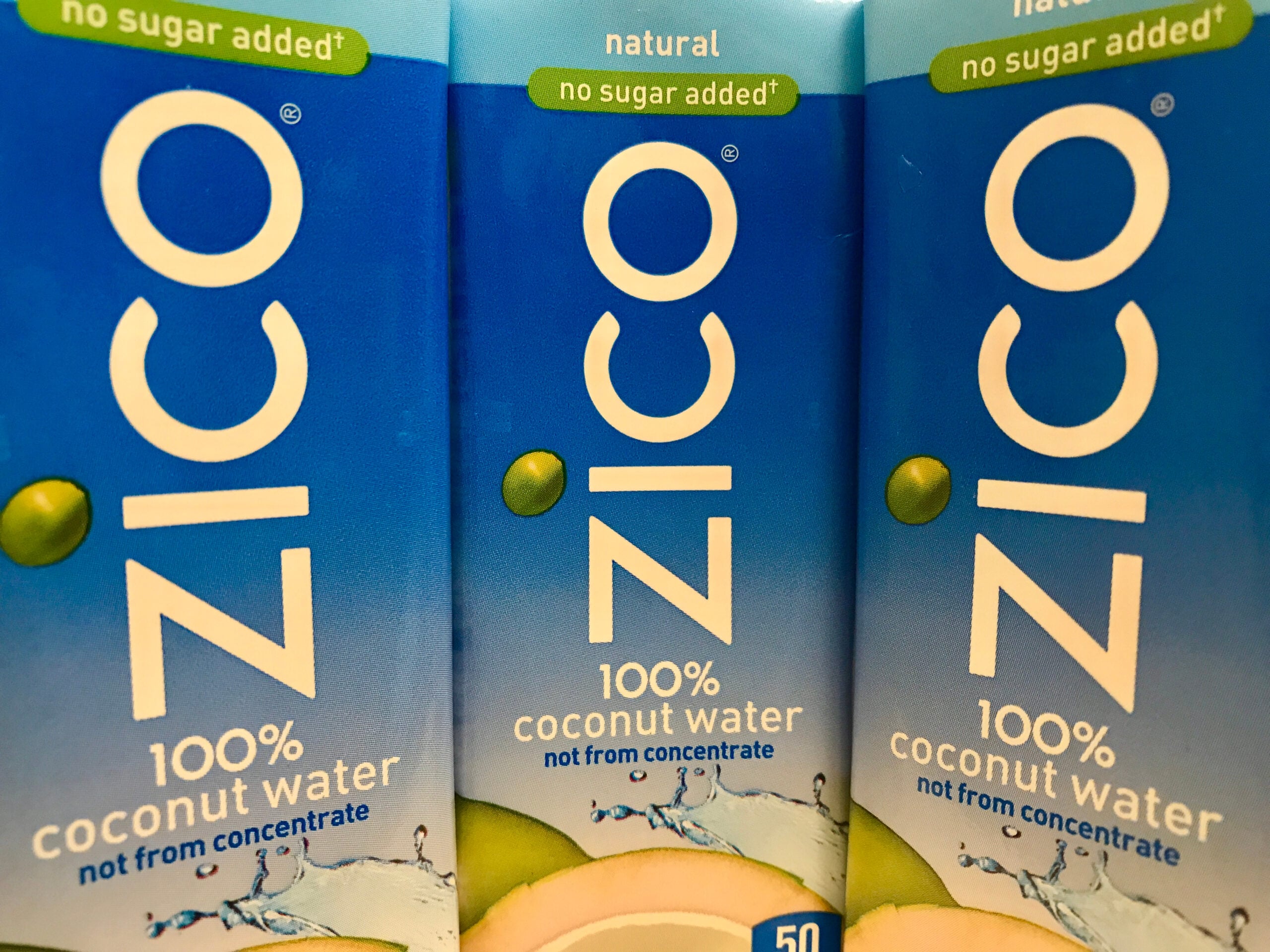
Zico is a go-to drink for natural hydration. Known for its refreshing taste, Zico sources the best coconuts from Southeast Asia, blending them with the naturally sweet Nam Hom variety from Thailand. These high-quality coconuts are hand-harvested in partnership with local farmers to ensure optimal sweetness without the need for added sugars. Zico offers three main drinks as of late 2023. Zico Natural is made from pasteurized coconut water (not from concentrate), offering pure hydration. Zico Chocolate, with 70% coconut water, cane sugar, and cocoa powder, is a dairy-free alternative to chocolate milk with one-third the sugar. Zico Hydrate, available in Coconut Lime flavor, contains 30% coconut water and added flavorings, with Fruit Punch and Tropical flavors mentioned on the website but not currently available on Amazon. In previous years, Zico also featured unique flavors like Jalapeño Mango and Watermelon Raspberry.
Zobo Drink
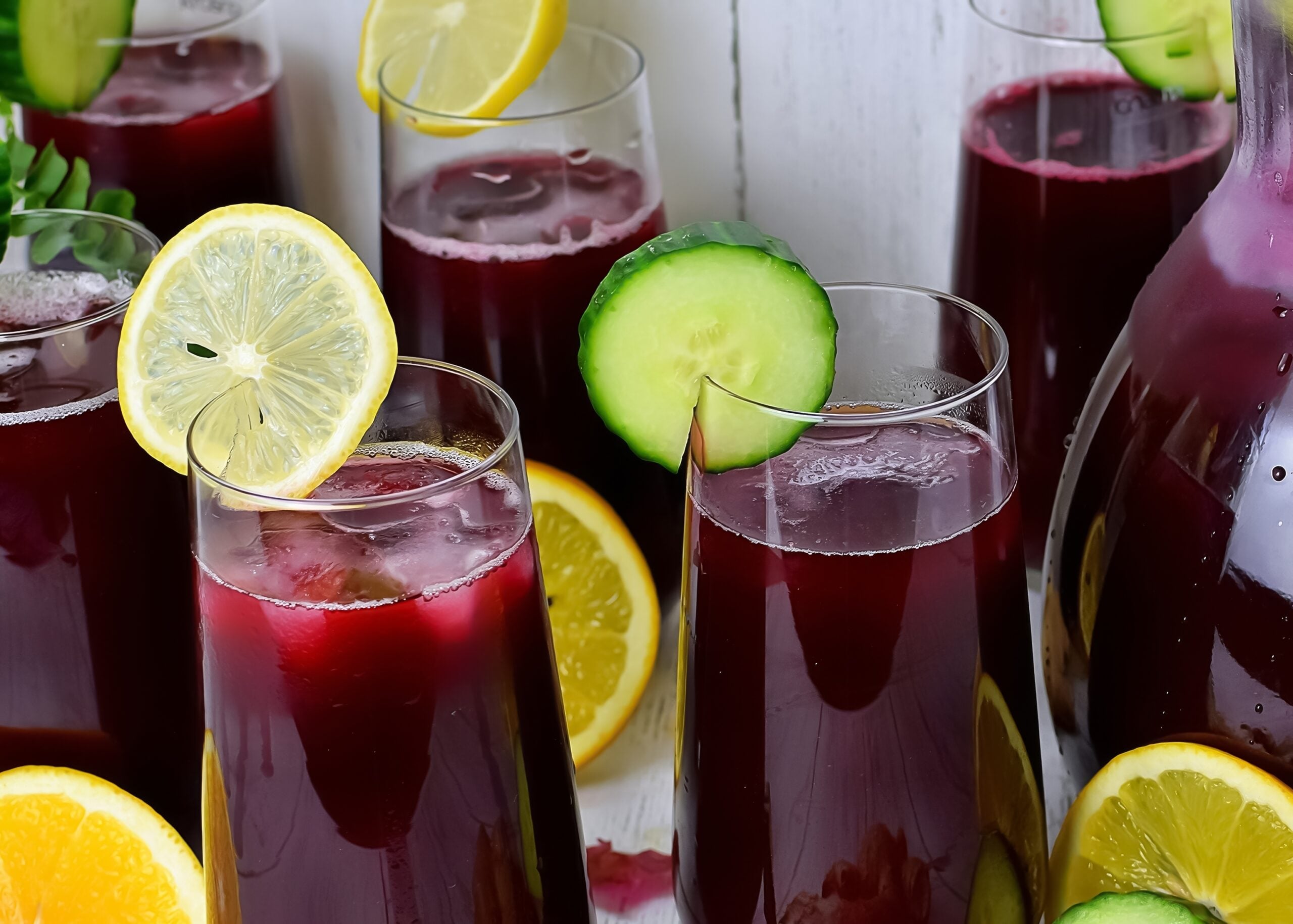
Zobo drink, a popular and nutritious beverage in West Africa, gets its name from the Hausa word “Zoborodo,” which refers to its parent plant, Hibiscus sabdariffa (Roselle). Made by boiling the flower petals in hot water, this drink can be enhanced with ginger, cloves, and sweeteners for added flavor and nutrition. Widely enjoyed across Nigeria, especially during festive occasions, Zobo is valued for its perceived health benefits. To prepare Zobo, you’ll need dried hibiscus, ginger, cloves, flavors, sweeteners, and water. Start by washing the hibiscus thoroughly, then boil them in water along with crushed ginger and cloves. After about 10-15 minutes, let the mixture cool slightly, strain it, and mix in a small amount of pineapple-flavored sweetener for a balanced taste. Chill in the refrigerator and enjoy this refreshing drink!
Zucchini Juice
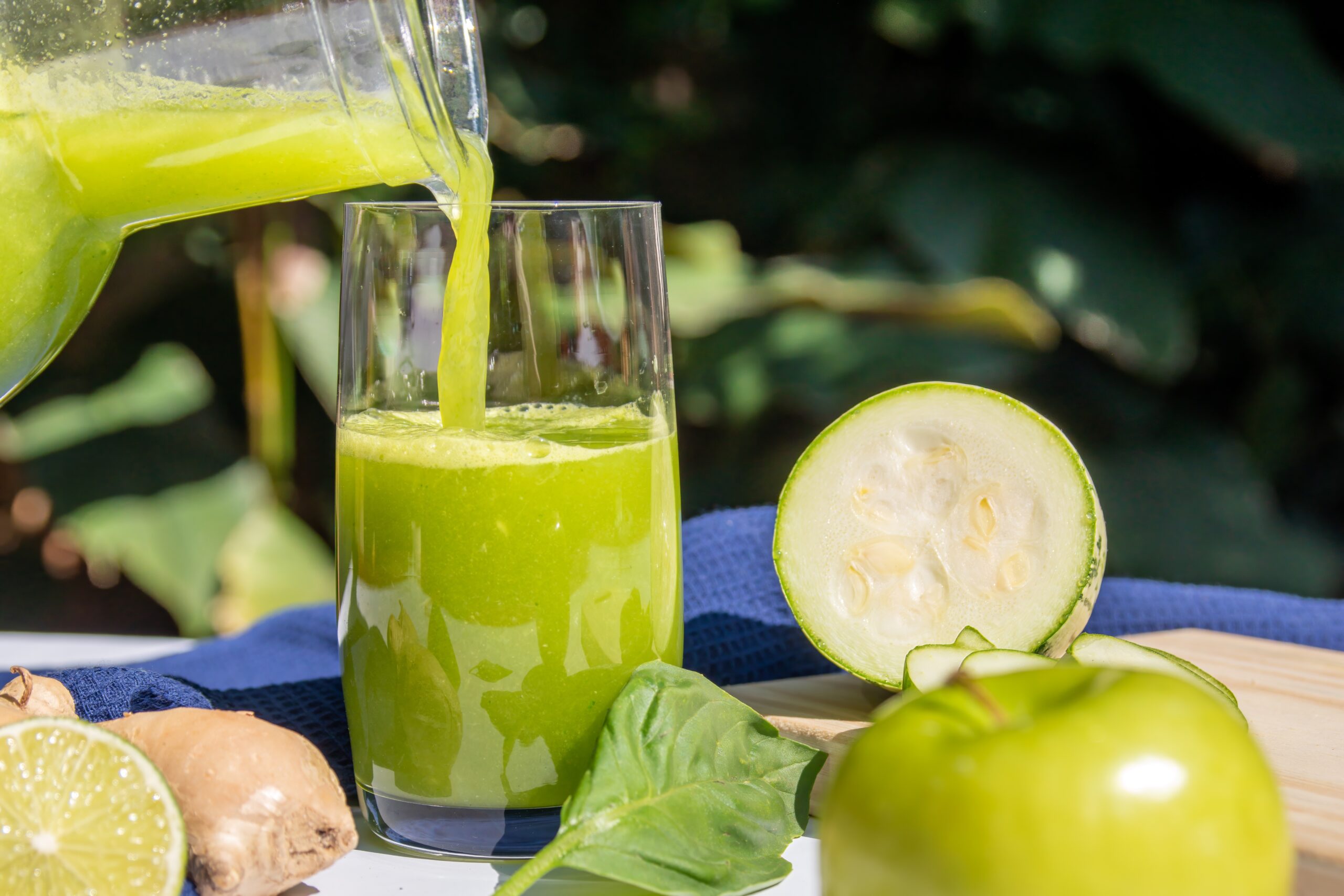
Zucchini might not be the first veggie that comes to mind for juicing, but it’s a surprisingly great addition to juice recipes. It adds a smooth texture and a naturally mild sweetness that blends seamlessly with other flavors. Whether you use a juicer, blender, or grater, zucchini juice is easy to make and pairs well with a variety of fruits and vegetables. It has a slightly sweet taste with a hint of bitterness that might not appeal to everyone, but it’s packed with nutrients that support overall health. Like other green juices, zucchini juice is refreshing, hydrating, and energizing, making it a great option to enjoy throughout the day. You can also get creative by mixing it into different juice combinations to boost flavor and customize it to your liking.
Zuko Drink Mix
Zuko powdered drink mixes are flavored concentrates that can be mixed with water to create beverages like agua fresca, horchata, or melon-flavored “juice.” While they don’t provide the same nutritional value as fresh fruits and vegetables, they can be a convenient option to keep on hand for a quick and easy flavored drink. Though, we always suggest trying to make the real thing from scratch when it comes to fruit juices.
Zwetschgen bowle
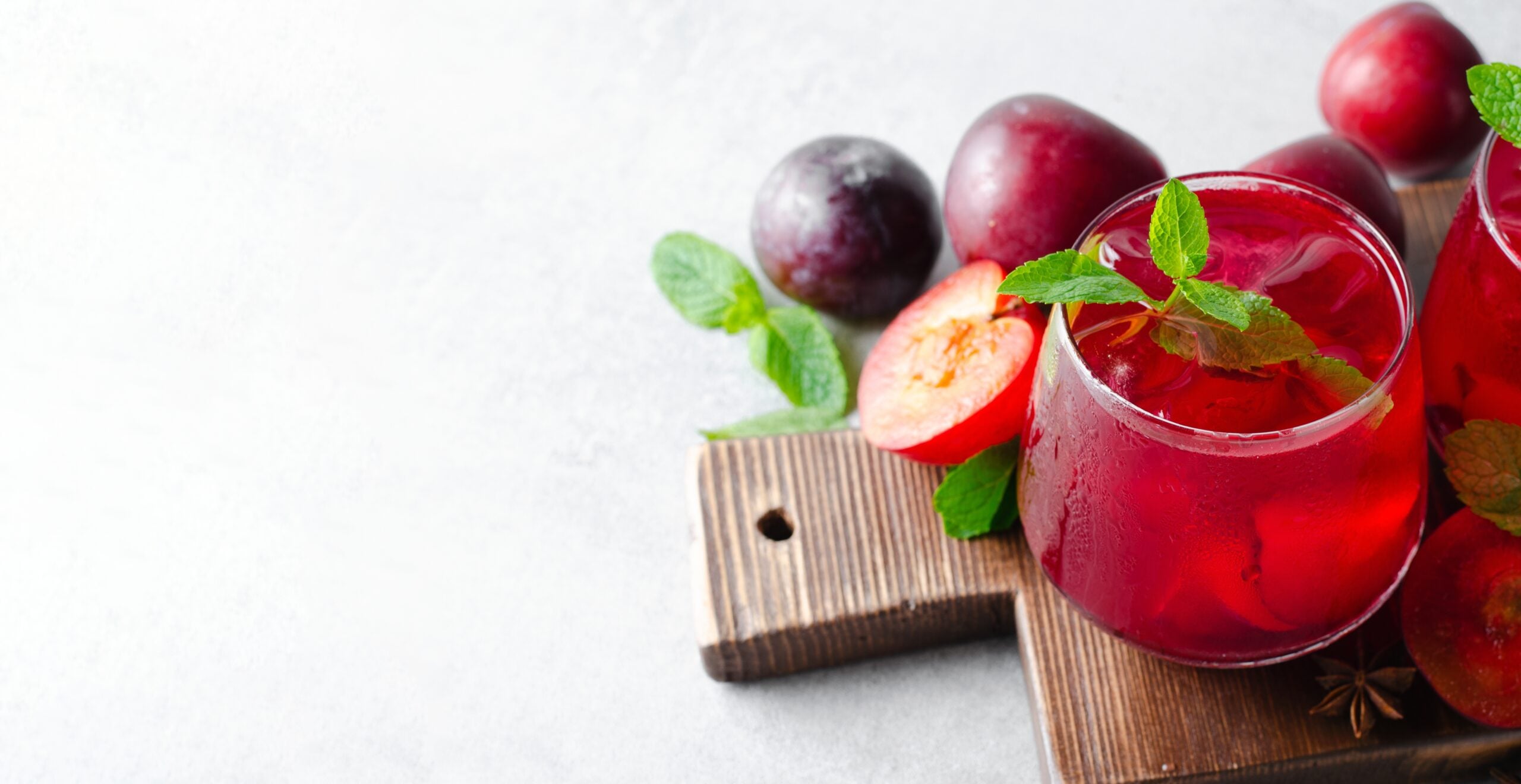
Zwetschgen bowle is a refreshing and sweet non-alcoholic German punch made with plums, sugar, and sparkling water. Popular during the summer, this fruity drink is loved for its light, refreshing flavor. To make it, rinse and halve the plums, removing the stones, then place them in a punch bowl and drizzle with water. Let the mixture sit for about 30 minutes to absorb the flavors, and just before serving, add chilled sparkling wine. Often garnished with fruit slices, it’s a great choice for anyone who enjoys sweet, fruit-filled drinks.
Zymil Milk
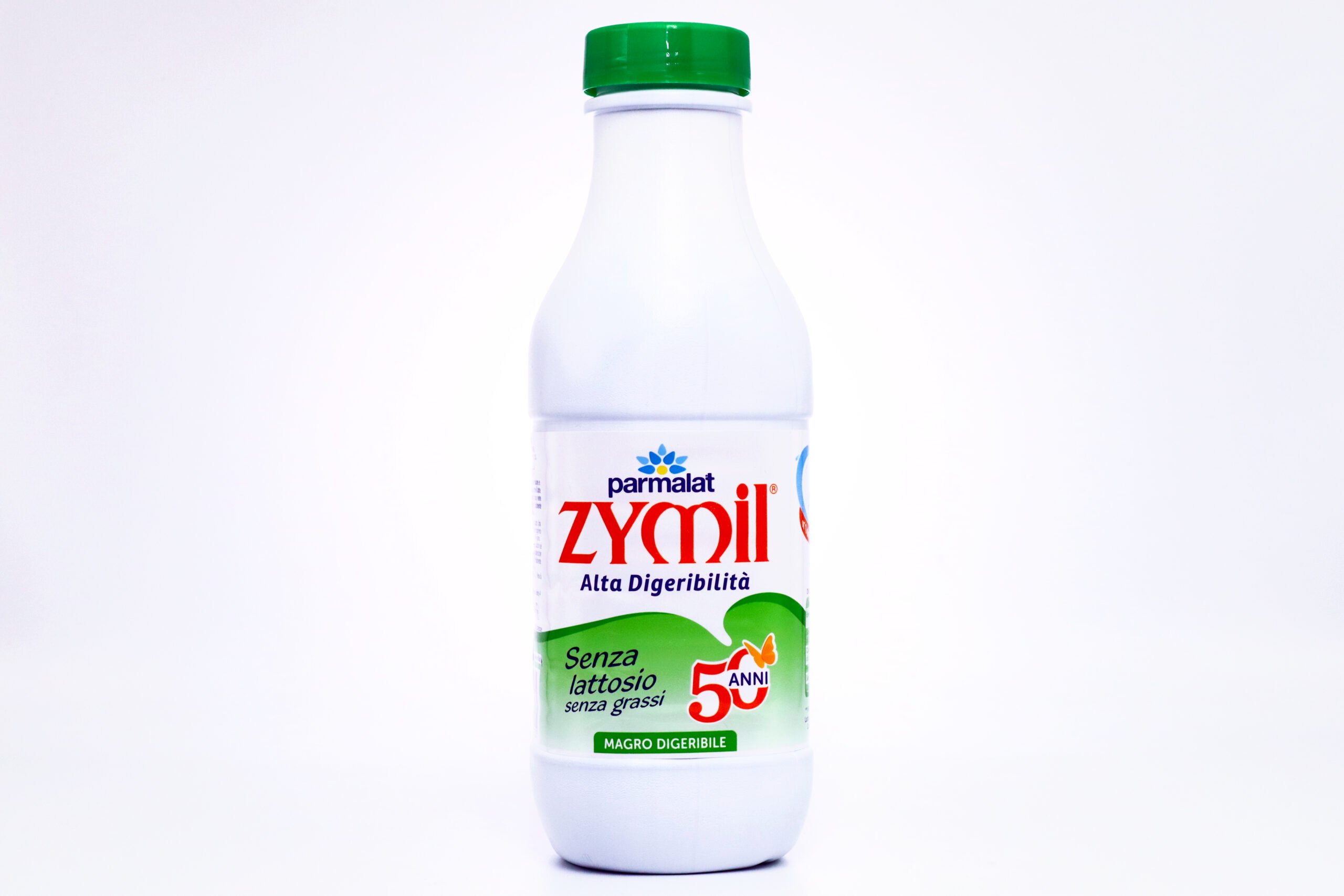
These days, supermarket shelves are filled with different types of milk to meet a variety of dietary needs, and one popular option is Zymil milk, made by the Australian brand Pauls. Zymil is designed for people who have trouble digesting lactose, the natural sugar found in regular milk. It’s made lactose-free by adding an enzyme called lactase, which breaks lactose down into simpler sugars—glucose and galactose—making it easier to digest. This makes Zymil a great option for those who are lactose intolerant but still want the nutritional benefits of cow’s milk. While other lactose-free options like almond, soy, or rice milk are available, they don’t come from cows and often lack the same nutrients as dairy. Some of these alternatives are fortified with calcium and vitamin D, but Zymil offers the full nutritional value of milk without any digestive discomfort.
More Foods/Drinks!
Yellow foods listed with pictures, facts
Yellow drinks listed with pictures, facts
100 foods that start with the letter A
100 foods that start with the letter B
100 foods that start with the letter C
3-letter foods listed with pictures and facts
4-letter foods listed with pictures and facts
5-letter foods listed with pictures and facts6-letter foods listed with pictures and facts
Links on this page may be affiliate links, for which the site earns a small commission, but the price for you is the same


Leave a Comment