

Apple cider vinegar (or ACV for short) has been shaking up the wellness world in recent years – but is it really all it’s cracked up to be?
Well, there’s certainly been pushback from people who love all kinds of other options to add sourness and tartness to any dish (many of which are also vinegars).
Here are seven that superfans will swear are even better than ACV.
Are they right? Well, that’s for you to decide. Starting with…
Follow The Coconut Mama
• For fun lists, healthy living tips, and bar conversation topics, make sure to follow The Coconut Mama. Click here to access The Coconut Mama’s profile page and be sure to hit the Follow button here or at the top of this article!
• Have feedback? Add a comment below!
Shutterstock

What it’s made from: It depends, but usually white vinegar is made from corn, potatoes, or wheat.
pH: 2.4-2.6 (neutral is 7)
Why it’s better: Sharper taste (great in salad dressing), much better for pickling vegetables. White vinegar can even serve as a leavening agent in baked goods!
Shutterstock
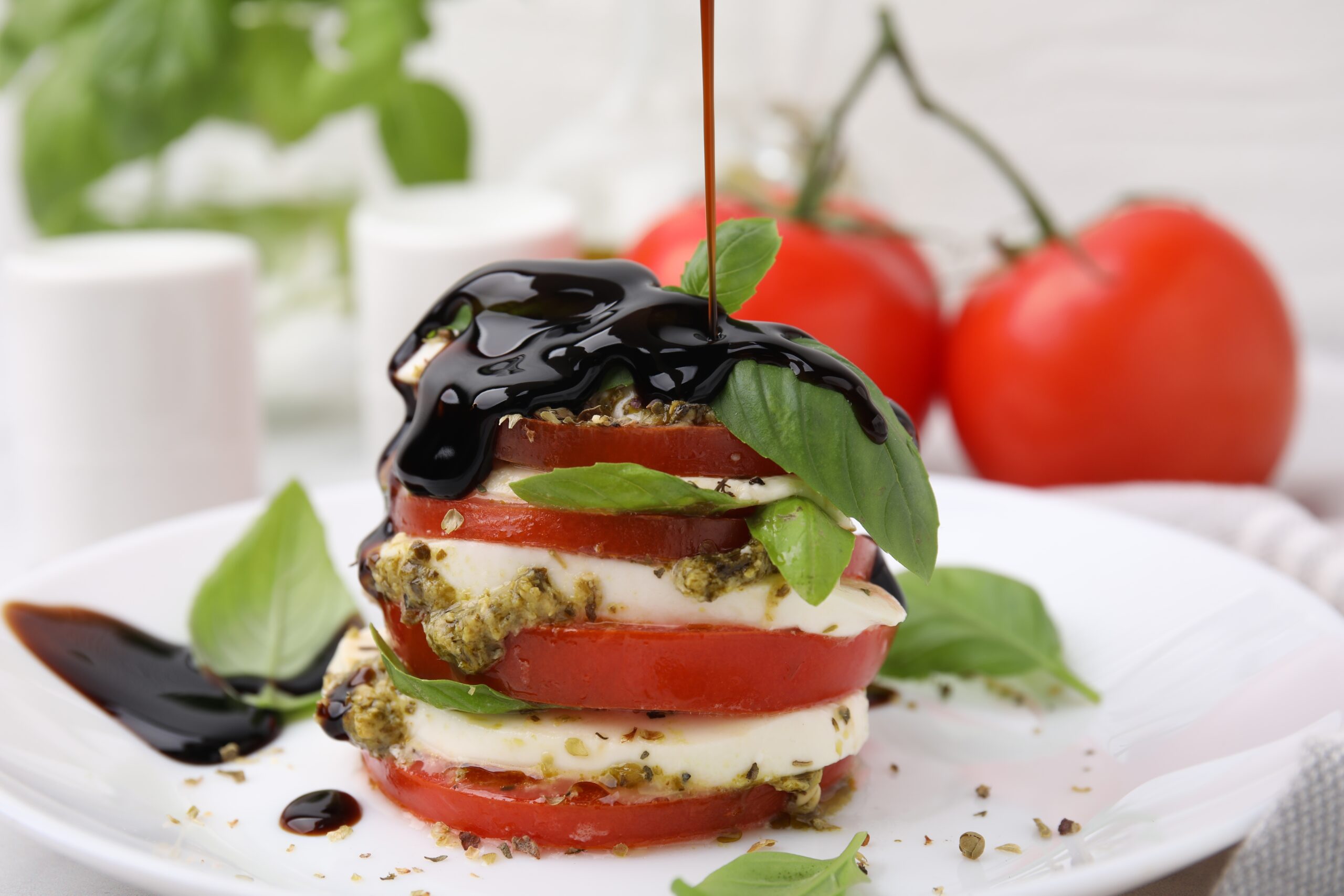
What it’s made from: Grape must – which is the juice from freshly pressed grapes. (Why they can’t just call it grape juice I will never know.)
pH: 2-3
Why it’s better: There’s a reason balsamic vinaigrette is such a popular salad dressing! The taste is fantastic, and it makes for great glazes and marinades too.
Shutterstock

What it’s made from: Water and lemon juice (ideally fresh-squeezed lemon juice)
pH: 3
Why it’s better: It’s got a much wider set of applications – you can drink it straight (unlike apple cider vinegar – which you must dilute) without any negatives. It’s great for adding citrus to drinks and recipes.
Shutterstock

What it’s made from: The sap from coconut blossoms (how cool is that?)
pH: 2-3.5
Why it’s better: Milder flavor, rich in nutrients. Coconut vinegar is great in marinades and drinks.
Shutterstock

What it’s made from: Brown rice (shocking, I know)
pH: 3-4
Why it’s better: Brown rice vinegar brings a mellow and rich flavor that’s unlike anything I’ve ever had from a vinegar before. Try it in a broth and you’ll see what I mean. It’s also very suitable for making sushi!
Shutterstock

What it’s made from: Usually barley, sometimes other grains
pH: 2.5-2.7
Why it’s better: That complex combination of malt, lemon, and sweet flavors is just amazing with fish and chips. You already knew this, of course. But I REALLY love it for brining meat too.
Shutterstock
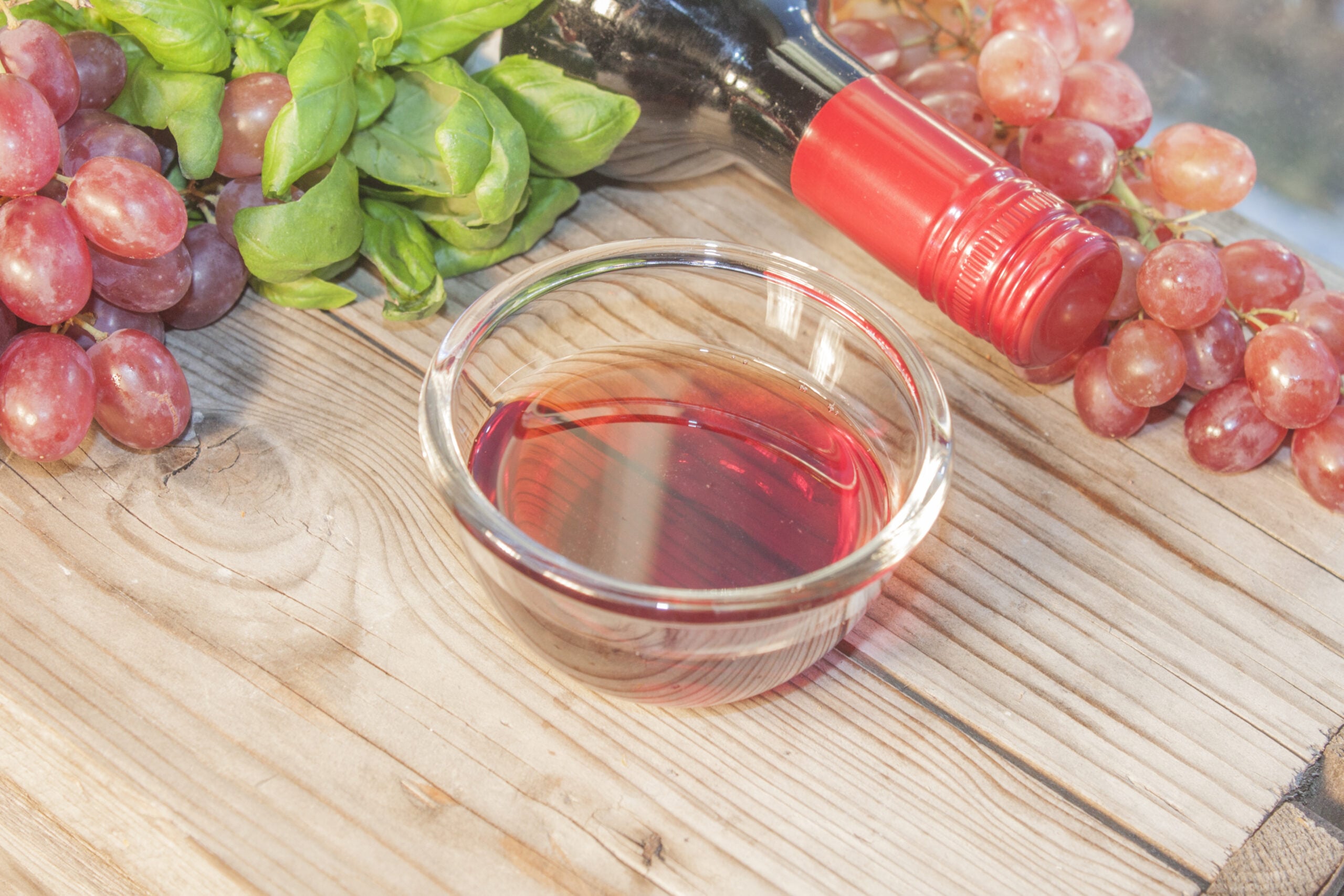
What it’s made from: Red wine (so, technically grapes – but really it’s made directly from the wine).
pH: 2.6-3
Why it’s better: First off, red wine vinegar has this beautiful deep red color that really makes any dish pop. I also love its strong tangy and fruity taste that makes it really powerful in a vinaigrette.
Follow The Coconut Mama
• For fun lists, healthy living tips, and bar conversation topics, make sure to follow The Coconut Mama. Click here to access The Coconut Mama’s profile page and be sure to hit the Follow button here or at the top of this article!
• Have feedback? Add a comment below!
Shutterstock

Ok, I couldn’t leave without giving apple cider vinegar its due.
After all, ACV has grown so popular with good reason – it’s delicious, complex, robust, and loaded up with all kinds of probiotics.
It’s incredibly flexible and delicious in all kinds of circumstances (and some people even use it in their laundry, if you can believe it).
So:
Shutterstock

Does one of these alternatives clearly stand out as “better” than ACV to you?
Why or why not?
Let me know what you think in the comments!
Shutterstock




Leave a Comment