

If you live in California and are a consumer of alcoholic drinks, I have some bad news. After September 2nd of this year, it might be harder to find some of your favorite alcoholic beverages. Unfortunately, it might be nearly impossible to find drinks from smaller companies for a bit, and I’ll explain why…
Follow The Coconut Mama
• For fun lists, healthy living tips, and bar conversation topics, make sure to follow The Coconut Mama. Click here to access The Coconut Mama’s profile page and be sure to hit the Follow button here or at the top of this article!
• Have feedback? Add a comment below!
Shutterstock

Republic National Distributing Company (RNDC) is the United States’ second-largest distributor of wine and spirits (AKA hard alcohol). RNDC plays a crucial role in keeping the shelves of liquor stores and other retailers stocked.
RNDC announced that, as of September 2, 2025, they won’t be doing business in California, which is a major roadblock in the $260 billion industry…
Shutterstock
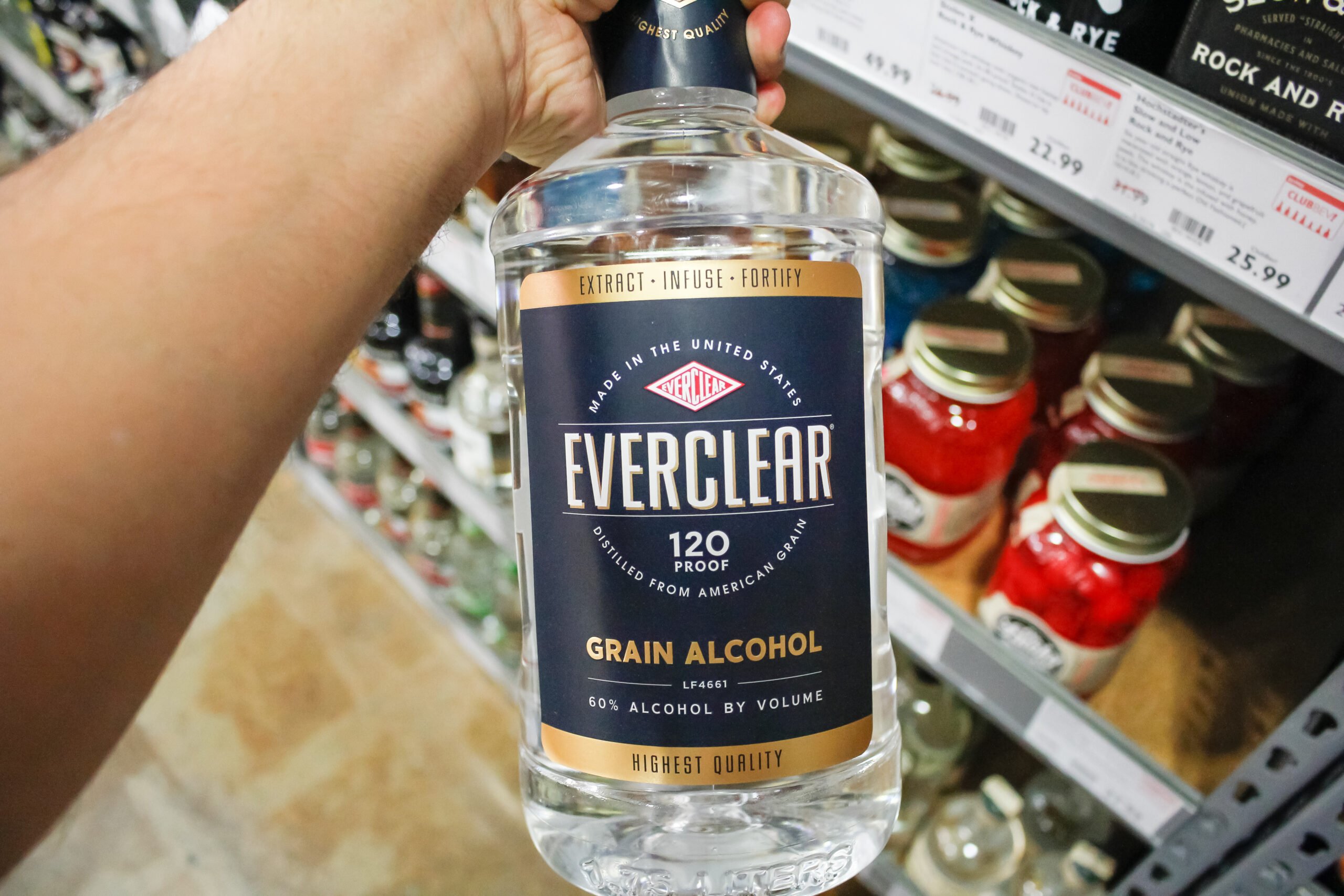
This means that for around 2,500 alcohol brands, a new distributor will need to be found to get their drinks on shelves for consumers.
Let’s look a bit more into the system of how alcohol is made available to buy so it makes more sense.
Shutterstock

The three-tiered system of alcohol distribution is like a funnel. Picture the top of the funnel being the producer (e.g. Jack Daniels and other brands), the middle part of the funnel being the wholesaler (in this case, Republic National Distributing Company), and the bottom part of the funnel is the retailer (i.e., the liquor store or grocery store where you purchase your alcohol.
What’s the purpose of this three-tiered system?
Shutterstock

According to the National Alcohol Beverage Control Association, the three-tier system of alcohol distribution “operates in the background ensuring product safety, tax collection and preventing market domination by restricting any one tier from having financial interest in another, a common practice in the pre-Prohibition era that led to aggressive sales tactics and heavy consumption.”
Without RNDC doing business in California soon, that makes things a bit more complicated for alcohol retailers. Here’s why…
Shutterstock
Can retailers just skip the middleman (RNDC) and buy alcohol directly from the manufacturer? Unfortunately, that’s not possible due to the three-tiered system we’re talking about.
Without RNDC, alcohol retailers will have to find a new “middleman” to purchase alcohol from. With so many brands being impacted, it might be a bit tough to find a new distributor. How will this impact your favorite brands of alcohol?
Shutterstock

If your favorite drinks are from the bigger, more well-known brands, then chances are they’ll have an easier time finding a new distributor. (Distributors vary by region, so these big brands have more than one distributor.)
What about the smaller, more “mom and pop” alcohol brands?
Shutterstock

For smaller brands, it will likely be more of a struggle to find a new contract with another distributor. With so many brands scrambling to find a new distributor (and many of them being larger, more influential brands), these alternative wholesalers are probably already crazy busy fielding inquiries about new contracts before the September 2nd deadline.
Sadly, the smaller guys might get pushed to the back of the line or bottom of the queue until the dust settles a bit…
Follow The Coconut Mama
• For fun lists, healthy living tips, and bar conversation topics, make sure to follow The Coconut Mama. Click here to access The Coconut Mama’s profile page and be sure to hit the Follow button here or at the top of this article!
• Have feedback? Add a comment below!
Shutterstock

Due to the uncertainty with alcohol distribution in California, you might want to stockpile some of your favorite drinks in case they become harder to find for a while. (The good news is that hard alcohol lasts indefinitely when it’s sealed, and several years once opened!)
Does this mean you’re in the clear if you’re not in California?
Shutterstock

…not necessarily. California accounts for about 13% of nationwide alcohol consumption, making it the leading state in alcohol consumption. That means that what’s happening in California could be an indication of changes in other states down the line. Here are a few reasons for the uncertainty…
Shutterstock

Here are a couple big reasons that might be contributing to RNDC’s decision to leave California:
- Alcohol consumption in California has been dropping over the years.
- Increased tariffs, inflation, and financial uncertainty means consumers are cutting back on spending, including alcohol.
And that’s not even considering the trends of “Gen Z” alcohol drinkers…
Shutterstock

People born between 1995 and 2012 are known as “Generation Z”, and as they turn 21, they’re reaching for drinks like lower-calorie hard seltzers and other ready-to-drink options instead of spirits.
According to Gallup, the percentage of Americans who said they drink beer, liquor or wine in 2024 came in at 58%, which is down from 67% in 2022. (The highest was 71% in the mid-1970s.)
Less demand = less of a need for supply, in California’s case.
Shutterstock

So, there you have it. California has been hit hard with similar closures and layoffs, but no state is immune to changes like these, given the financial uncertainty and changing consumer trends.
If you’re a California resident and are worried about being able to find your go-to spirits, this is your sign to go stock up a bit if you feel so inclined – but here’s hoping the transition goes as smoothly as possible.
Shutterstock


