
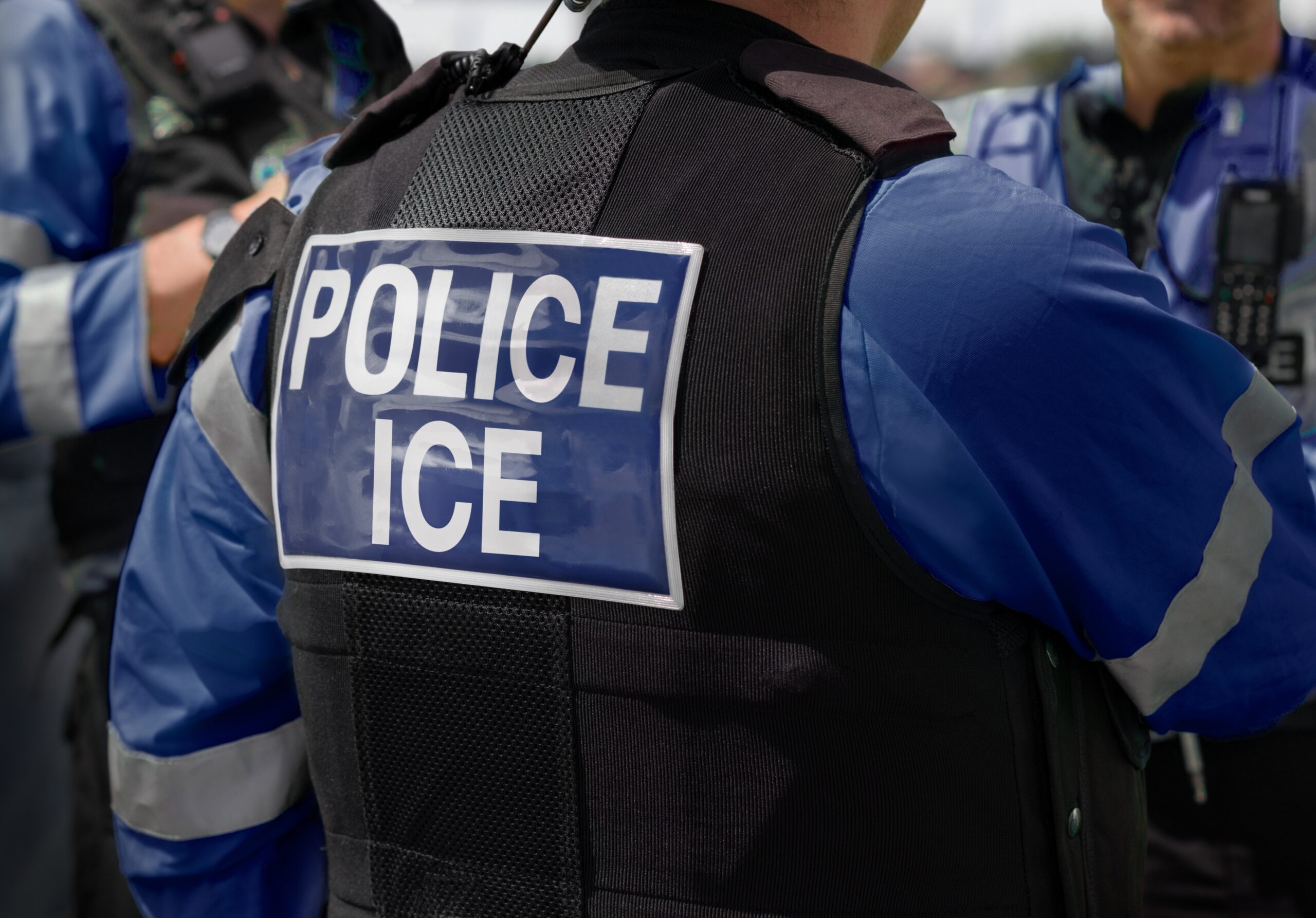
We all know ICE has been doing lots of raids and making tons of arrests around the country…
And while I think we all know that these raids can have impacts…
One specific targeted raid against a meatpacking plant has caused a huge spike in beef prices.
Let’s dive right in…
Follow The Coconut Mama
• For fun lists, healthy living tips, and bar conversation topics, make sure to follow The Coconut Mama. Click here to access The Coconut Mama’s profile page and be sure to hit the Follow button here or at the top of this article!
• Have feedback? Add a comment below!
Shutterstock

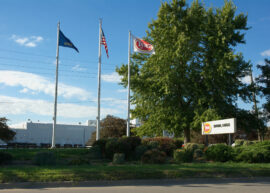
On June 10th, ICE raided the Glenn Valley Foods meatpacking plant in Omaha, Nebraska – and detained a little over 50% of the plant’s workforce (~75 out of a total of 140).
That directly impacts Glenn Valley’s ability to process beef and get it to stores. And the markets took notice.
In fact, meat prices have spiked materially higher since then – which means we’re all about to start paying quite a bit more for beef in stores.
Here’s the full breakdown of the impacts:
Shutterstock

You don’t have to watch the news every day to know that ICE is ramping up arrests and raids throughout the country.
For example, in California ICE raids are threatening farm workforces, adding to a series of woes that have led to a string of farms closing.
(Whole industries in California are being gutted.)
And the impacts go way beyond the arrests themselves. You see…
Shutterstock
Beyond the ICE raids themselves – which of course are disruptive, imagine half of your factory’s workforce being suddenly detained – there’s also the broader fear they engender.
Workers who were there don’t want to come back, because getting held up isn’t fun.
And workers who weren’t there that day (maybe it was their day off, maybe they were on a different shift) fear coming the next day.
What if federal agents are still there?
Because of this…
Shutterstock

The already-acute labor shortage facing the meatpacking industry (which has had to close factories for lack of workers) only intensifies.
Case in point: On Wednesday, the day after the ICE raid, the facility had to drop production to 20% of normal because of worker absenteeism.
This isn’t a knock on the meatpacking industry or Glenn Valley, by the way – this is a well-documented issue that has impacted farms, other factories, and more over the years after immigration enforcement raids.
And it’s actually even bigger than that…
Shutterstock

After ICE raids in the past, often unaffected plants will also see a dramatic increase in absenteeism – because workers are afraid they’ll be targeted next!
After the big immigration raid in 2008 at the Agriprocessors plant in Postville, Iowa, other plants found 25-45% of immigrants in their workforce just didn’t show up for a while, which at the time risked million of pounds of unprocessed meat and produce.
So the impacts likely go way beyond one plant in Omaha.
Less production means less supply of meat.
And we all know what that means…
Shutterstock
You can actually see wholesale beef prices spike in the wake of the ICE raid.
On June 10th, as the raid was ongoing, choice beef was selling for $371.76 per pound.
By June 11th, it had climbed to $374.76.
On June 12th? $376.72.
And what’s more…
Shutterstock

$377.88 on June 13th.
$382.11 on June 14th.
Same on June 16th.
On June 17th, it got all the way up to $386.51!
That’s $14.75 above the baseline on June 10th.
Shutterstock
As if the direct movement in prices following the raid wasn’t proof enough, here’s another one:
One June 11th, right after the raid, there was a 4% drop in the price of cattle futures on the Chicago Mercantile Exchange.
This means that traders anticipated a decline in the future amount of processed meat.
That’s right – even the stock market took notice.
(Technically the derivatives market. But you know what I mean!)
Follow The Coconut Mama
• For fun lists, healthy living tips, and bar conversation topics, make sure to follow The Coconut Mama. Click here to access The Coconut Mama’s profile page and be sure to hit the Follow button here or at the top of this article!
• Have feedback? Add a comment below!
Shutterstock

When wholesale prices increase, it’s almost inevitable that consumers like you and me will end up paying more.
I mean, sure, grocery stores could eat the difference and try not to pass price increases along to us – but, realistically, generally they will.
We all learned that during the inflation scare over the last few years, right?
So, unfortunately, I’m confident we’ll be seeing higher beef prices.
Shutterstock

US beef prices had already hit a record high of almost $10 a pound in May, so this will just pile on top of those difficulties.
And of course, there are lots of other problems facing US consumers…
– Intensifying layoffs (especially in California, for some reason)
– Tariffs
– Stubborn inflation
And the looming threat of widespread grocery store strikes
Shutterstock

We’ll see what happens next – as for me, I’m hoping ICE backs off a little so we can all eat cheap meals again.
But maybe that’s just me!
What are YOU doing to prepare for the spike in beef prices? Let us know in the comments!
And of course…
Follow The Coconut Mama
• For fun lists, healthy living tips, and bar conversation topics, make sure to follow The Coconut Mama. Click here to access The Coconut Mama’s profile page and be sure to hit the Follow button here or at the top of this article!
• Have feedback? Add a comment below!
Shutterstock


Leave a Comment