

The Trump Administration and RFK Jr. (Health and Human Services Secretary) have taken the media by storm for many reasons since the inauguration earlier this year. One of the most talked-about decisions is the proposed food dye ban.
This isn’t a new story for Mars, and some drama comes along with it.
Follow The Coconut Mama
• For fun lists, healthy living tips, and bar conversation topics, make sure to follow The Coconut Mama. Click here to access The Coconut Mama’s profile page and be sure to hit the Follow button here or at the top of this article!
• Have feedback? Add a comment below!
Shutterstock
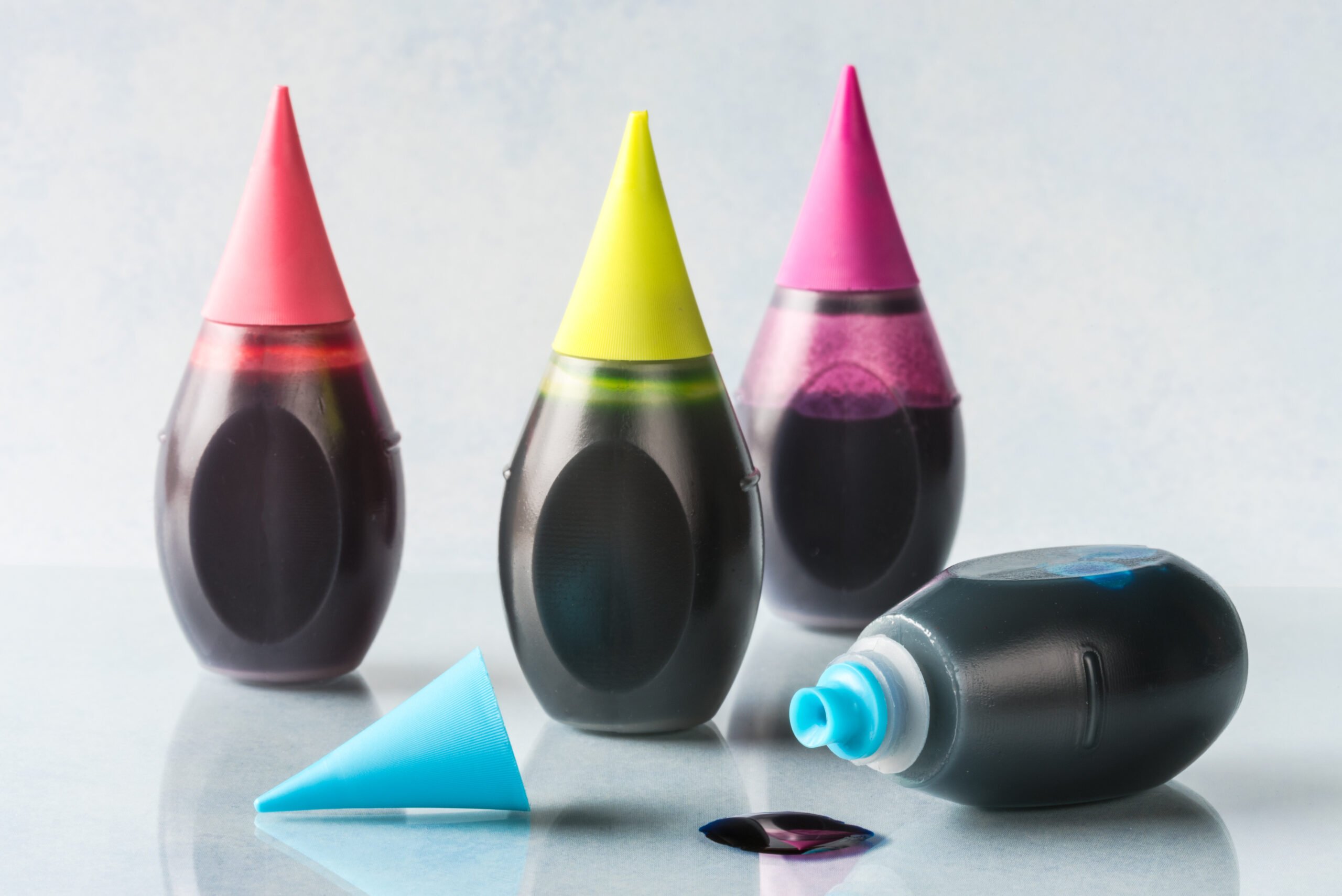
Before we get into all of the details, let’s revisit this whole food dye ban thing.
First off, it’s important to note that the Food and Drug Administration (FDA) hasn’t enforced an all-out ban on food dyes YET. Instead, it’s calling on food and beverage manufacturers to stop using several artificial food dyes by the end of 2026.
Let’s take a look at those food dyes now.
Shutterstock

The dyes the FDA is proposing to ban include:
- Citrus Red 2
- Orange B
- Red 3
- Red 40
- Yellow 5
- Yellow 6
- Blue 1
- Blue 2
Now think of all of the colors of M&M’s – that’s a lot of food dye. Now let’s go back nearly ten years ago when the drama with Mars (maker of M&Ms) began.
Shutterstock
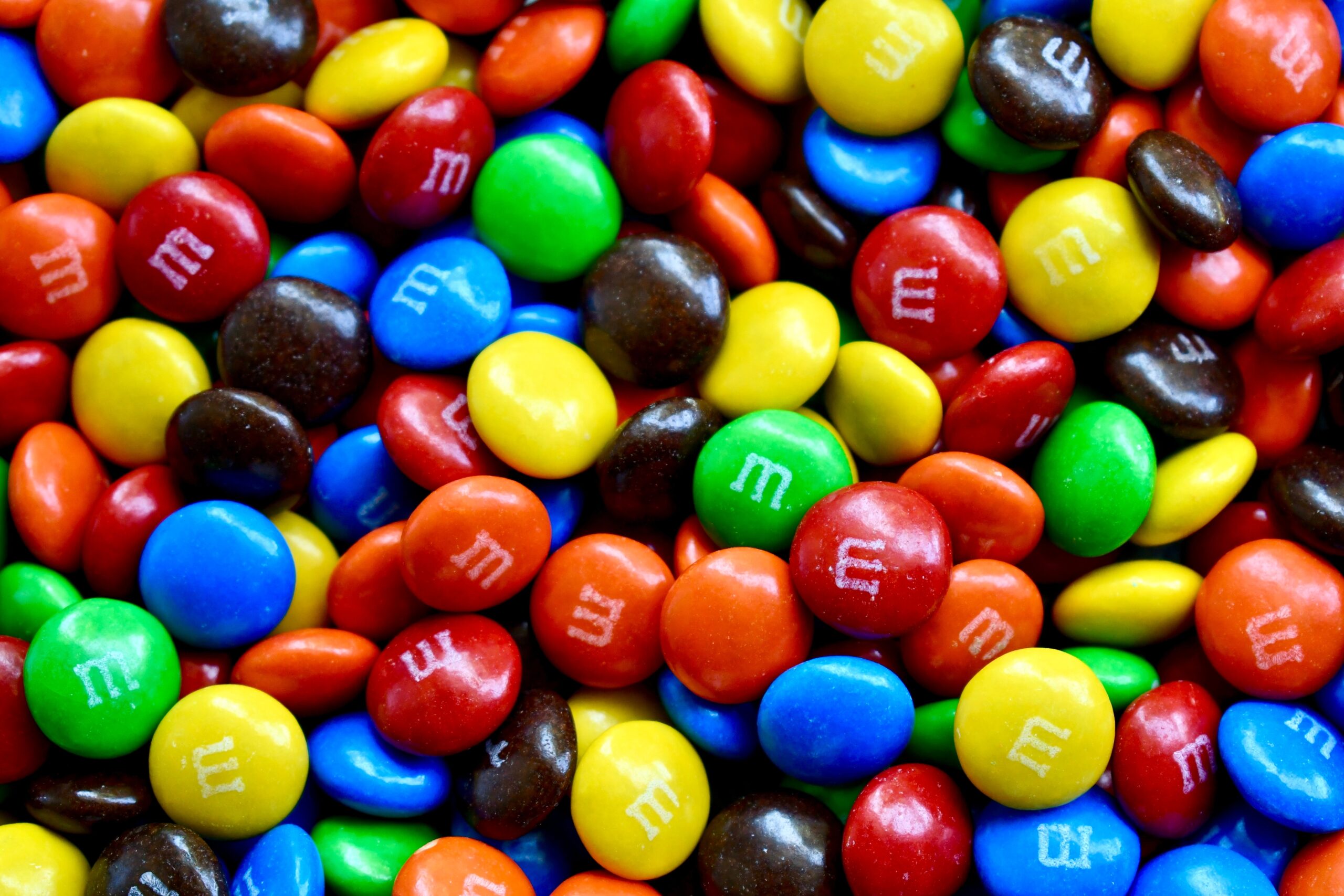
Back in 2016, Mars pledged to remove artificial food dyes from its products, including candy. From a press release dated February 5, 2016: “Mars, Incorporated announced today that it will remove all artificial colors from its human food products as part of a commitment to meet evolving consumer preferences.”
So…what happened?
Shutterstock
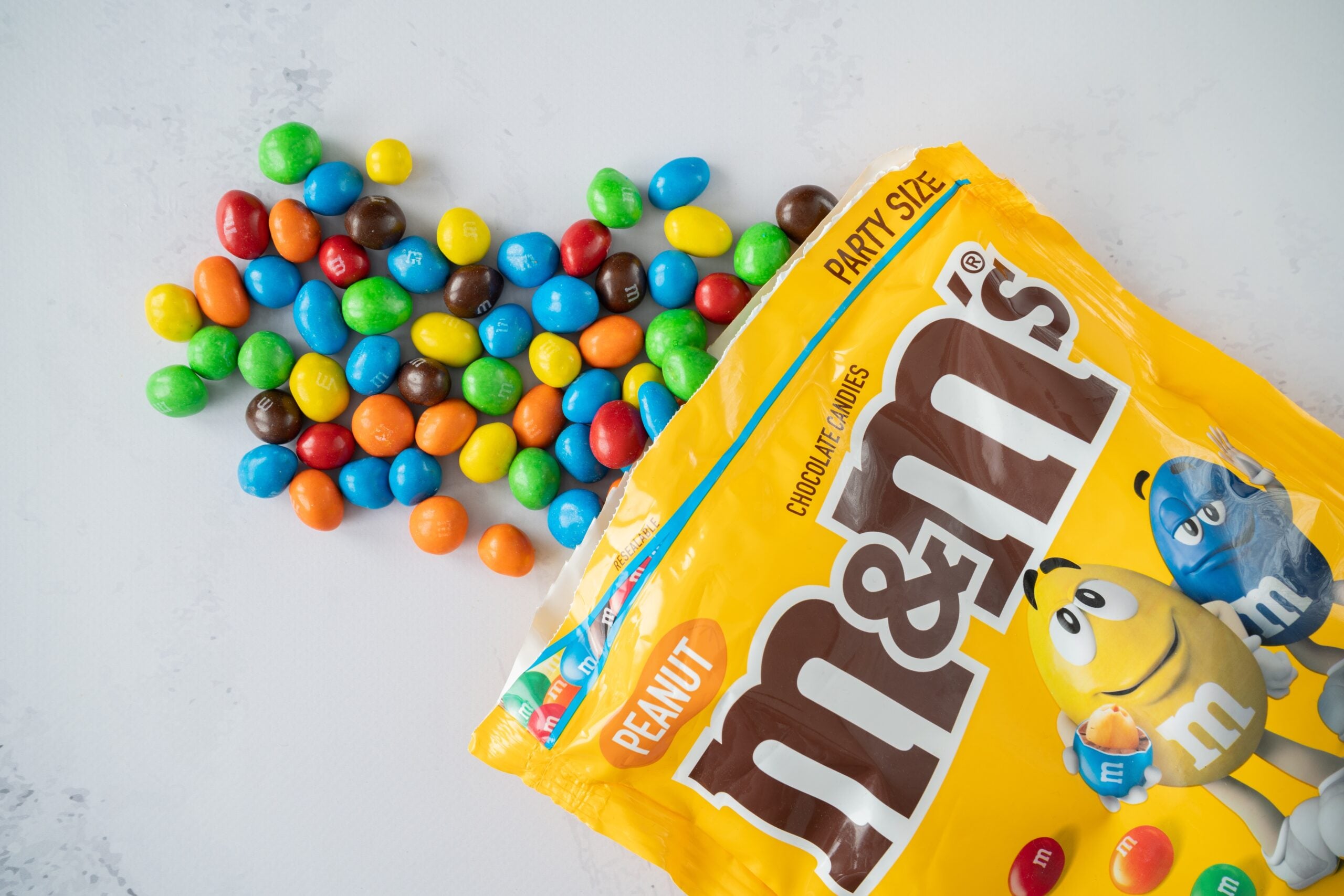
Mars had promised to remove food dyes from all of its products by 2021, but that didn’t happen.
Mars removed dyes from its “dinnertime foods” (Mars owns many other brands such as Ben’s Original rice products, among many others), but the dyes in candies remained.
Here’s what Mars had to say about this thwarted plan…
Shutterstock

Mars addressed the breaking of their commitment to remove food dyes in candies like M&Ms, saying:
“For treats… we found that many of our consumers across the world do not, in fact, find artificial colours to be ingredients of concern.”
Wanna know something interesting about this?
Shutterstock

Mars went forward with its plans to remove food dyes from its candies in Europe, but not the US. Mars explained their reasoning, saying “…we will continue to prioritise our efforts to remove artificial colours in Europe – where consumers have expressed this preference – but will not be removing all artificial colours from our Mars Wrigley portfolio in other markets.”
What gives?
Shutterstock

It turns out that Europe has much stricter rules and regulations regarding food labeling and ingredients. For example, many products containing food dyes have to come with a warning label in Europe, which is definitely not the case here in the United States!
Follow The Coconut Mama
• For fun lists, healthy living tips, and bar conversation topics, make sure to follow The Coconut Mama. Click here to access The Coconut Mama’s profile page and be sure to hit the Follow button here or at the top of this article!
• Have feedback? Add a comment below!
Shutterstock

Mars faced issues with food dyes much earlier than their announcement to stop using food dyes in 2016. It dates back to 1976!
In the 1970s, there was a public concern about Red Dye #2 causing health problems, and it was subsequently banned. Mars responded by removing red M&Ms in 1976 – but it didn’t even use Red #2! Mars had been using Red #40 (which is the most common red dye today), but removed red M&Ms to be cautious.
Once the panic about Red Dye #2 subsided, M&Ms reintroduced red M&Ms in 1987 (still using Red 40).
Shutterstock

Mars cared enough about what consumers thought about dyes back in the 70’s, and even in 2016 with their plan to remove dyes.
It’s understandable. Removing food dyes from a classic candy like M&Ms would change their color, and possibly consumers’ perception of them, even though it doesn’t change the way they taste at all.
Will Mars finally follow through and go artificial dye-free per the FDA’s request?
Shutterstock
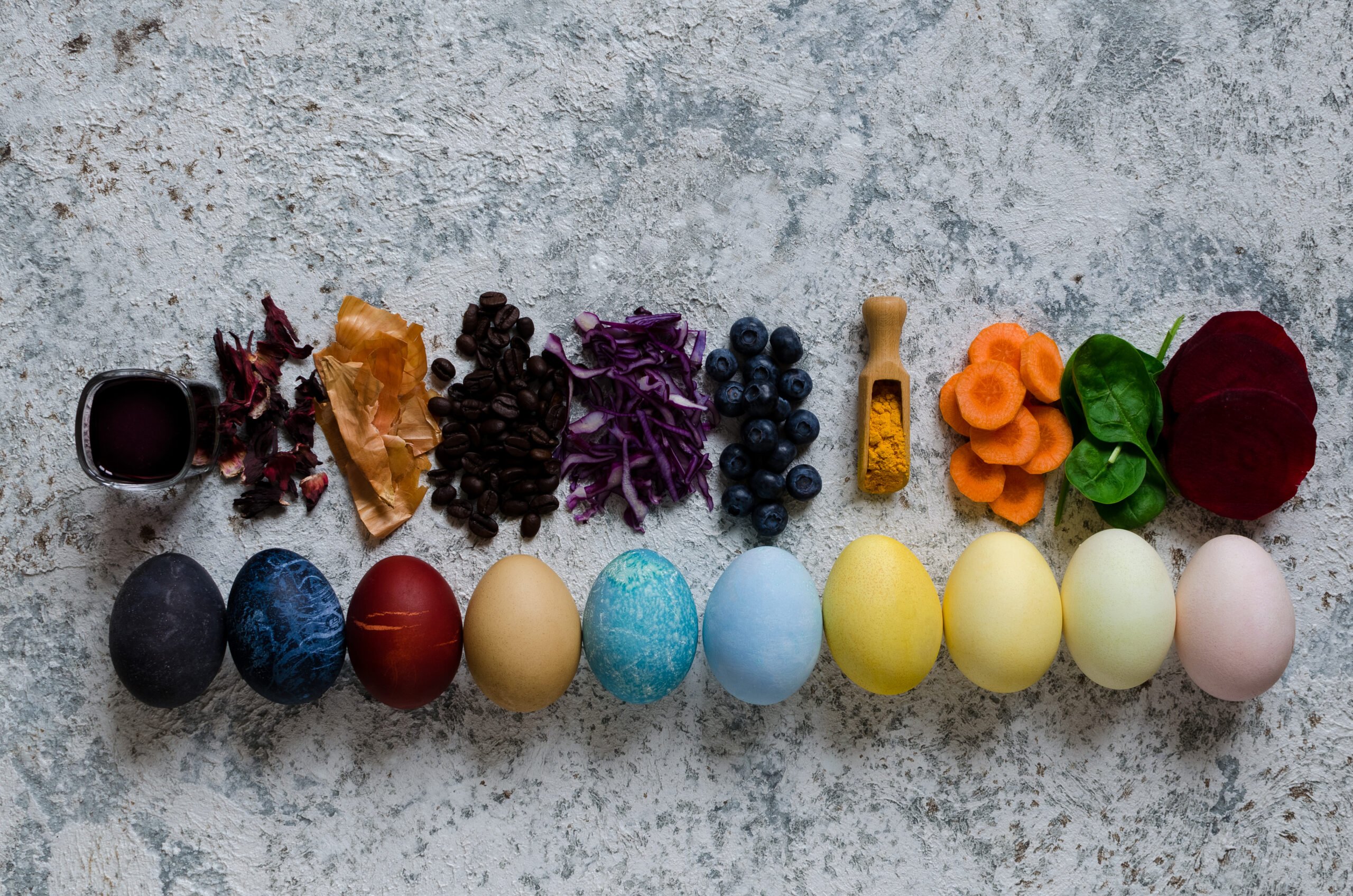
Since the FDA hasn’t issued an all-out ban on artificial food dyes at this point, it’s hard to say which direction companies like Mars will take.
If it decides to opt for natural colorants instead (beet juice concentrate, spirulina, and turmeric are just a few examples of natural dye alternatives), Mars will have their work cut out for it when it comes to M&Ms.
Shutterstock

Mars didn’t follow through with their promise to remove food dyes in 2016, so time will tell if they do a voluntary ban and remove food dyes now that the FDA has eyes on the whole issue.
However, with many other brands recently announcing their quests to remove food dyes, I’d be surprised if Mars doesn’t jump on the bandwagon.
What would you think of M&Ms dyed with natural colorants in the future? Let me know in the comments!
Shutterstock


Leave a Comment