

Robert F. Kennedy Jr. was chosen to lead the Department of Health and Human Services under the Trump administration. This means big changes for what’s allowed in food products. Kennedy, known for his work in public health and environmental issues, is making changes in the food industry. He aims to focus on harmful food additives, with the power to review, regulate, or ban substances that may be unsafe.
Follow The Coconut Mama
• For fun lists, healthy living tips, and bar conversation topics, make sure to follow The Coconut Mama. Click here to access The Coconut Mama’s profile page and be sure to hit the Follow button here or at the top of this article!
• Have feedback? Add a comment below!
Shutterstock

Food additives like preservatives, artificial dyes, and flavor boosters might soon be reviewed and possibly banned. Some believe this could improve health and safety, while others worry it might hurt businesses and result in fewer food options. If changes are made, food companies may need to create new recipes, which could change what consumers find on store shelves.
Shutterstock

Mountain Dew’s bright yellow-green color makes it obvious that it’s not the healthiest drink out there. It has artificial dyes and an ingredient called brominated vegetable oil (BVO). Some studies suggest that BVO could affect thyroid health and may even be toxic, which is why it’s banned in some other countries.
Shutterstock

There might be big changes coming for Mountain Dew under new safety rules introduced by RFK Jr. The drink could need a new recipe to meet the updated standards. If it doesn’t, it might even be removed from stores, which could upset fans of the popular soda.
Shutterstock
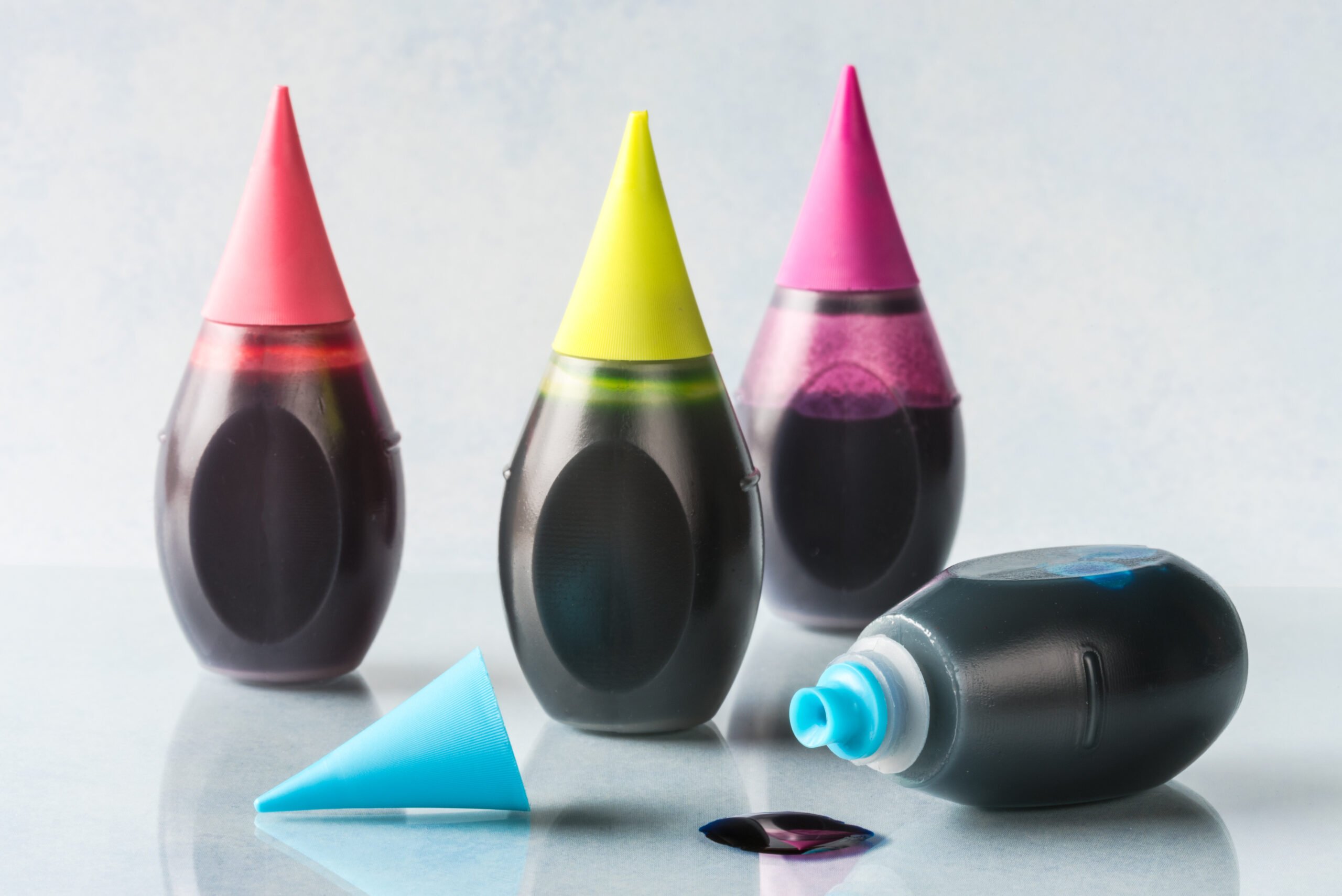
The food dyes being phased out are:
- Red Dye 40
- Yellow Dye 5
- Yellow Dye 6
- Blue Dye 1
- Blue Dye 2
- Green Dye 3
Shutterstock

According to The Feingold Association, the food dye Yellow 5 could lower sperm count in men who consume it, an urban legend that we will discuss next. This dye is not just found in drinks like Mountain Dew but is also used in medications, vitamins, and antacids.
Shutterstock

Yellow 5, also called tartrazine, has been linked to some serious health concerns. It can cause allergic reactions and may harm cells in the body. This food dye is also known to lower zinc levels, which could affect children’s behavior. Experts suggest it might lead to problems like trouble focusing and impulsive actions, issues that sound a lot like symptoms of ADD.
Shutterstock

There was no scientific proof to back up the urban legend that Mountain Dew lowered sperm count, and it was unclear why the myth focused so much on this one soda. The ingredient behind the rumor, tartrazine, is also found in other foods and drinks like pickles, marshmallow Peeps, and macaroni and cheese. Still, some people chose to drink less Mountain Dew because they were concerned it might affect their reproductive health.
Shutterstock

Some people believed the rumors and started using Mountain Dew as a form of birth control. It’s unclear how many couples actually relied on the soda for this purpose, but the idea became widespread enough to get attention. The Wall Street Journal published an article about it, and several city and university newspapers followed suit. Even Dear Abby wrote a warning, telling her readers not to trust the soft drink to prevent pregnancy.
Shutterstock

In the European Union, artificial food dyes like tartrazine (Yellow 5) now come with warning labels on food packages. However, in the United States, no such warning is required. Instead, Yellow 5 is simply listed as an ingredient on packaged foods. This labeling is meant to help the small number of people, about 1 in 10,000, who may have allergic reactions to the chemical.
Shutterstock

Yellow 5, often used with Blue 1 to create green coloring, is found in many products. The FDA has set the Acceptable Daily Intake (ADI) for Yellow 5 at 5 milligrams per kilogram of body weight.
Shutterstock
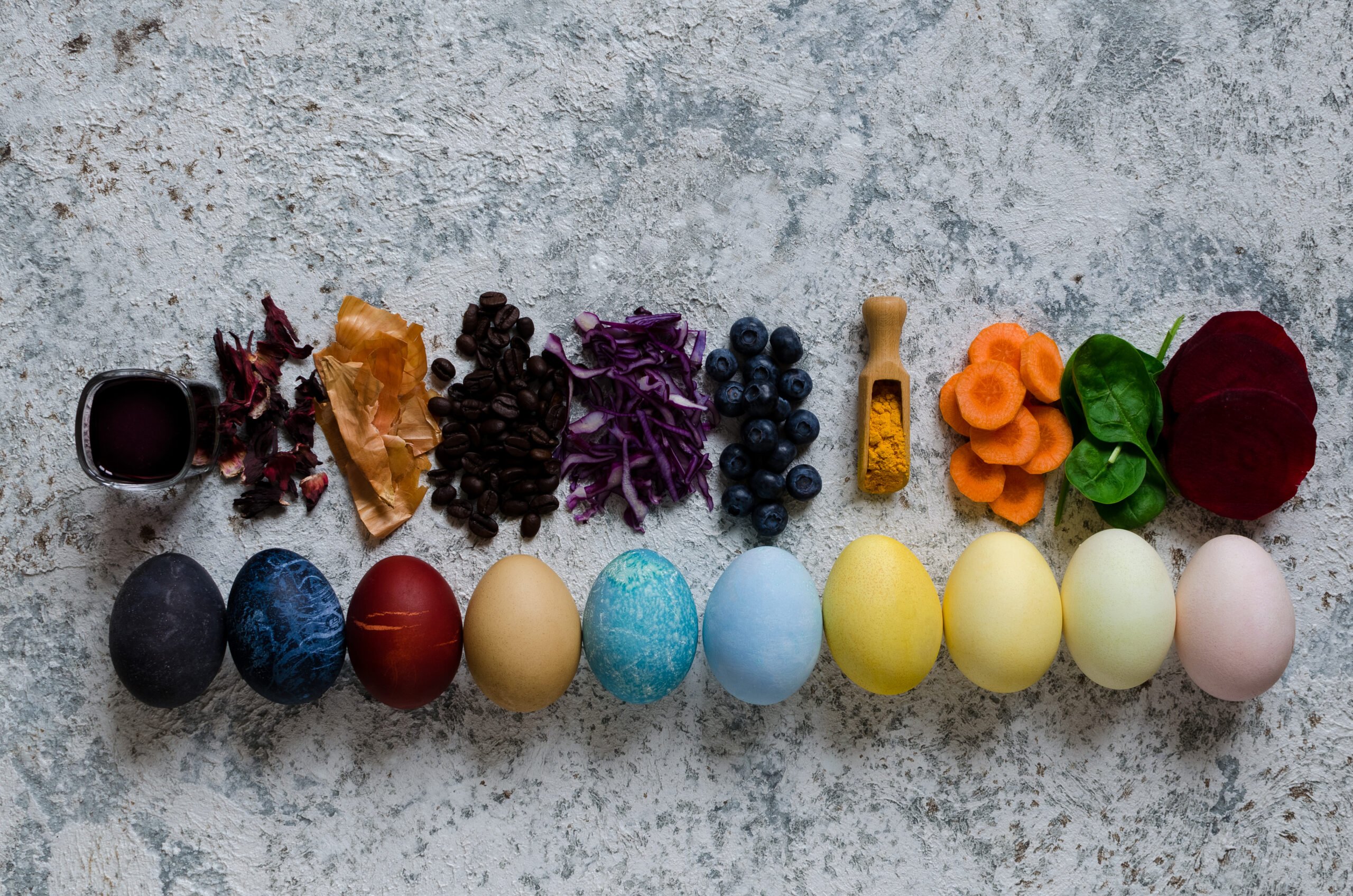
GNT has found natural replacements for Yellow 5 by using ingredients like carrots, pumpkins, algal carotene, and turmeric. These are used to create their Exberry products, which include Bright Yellow, Celestial Yellow, Yellow Carotene, and Mango Yellow.
Shutterstock

Lycored has created alternatives to Yellow 5 and Yellow 6 with their GoldHold and StellarYellow shades. These colors come from beta-carotene, which is made by a type of mold called Blakeslea Trispora. The shades work well in products like drinks, cheese, egg substitutes, and candy.
Shutterstock




Leave a Comment